 by
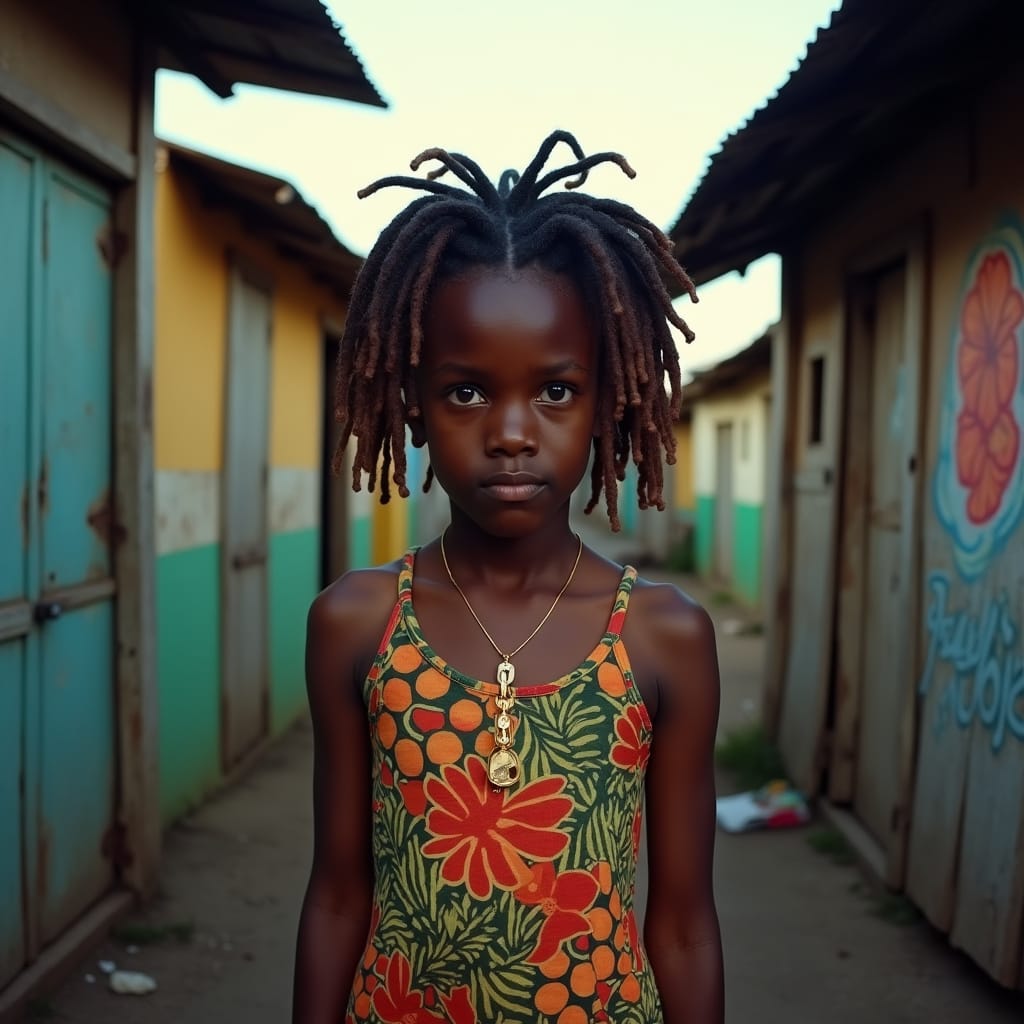
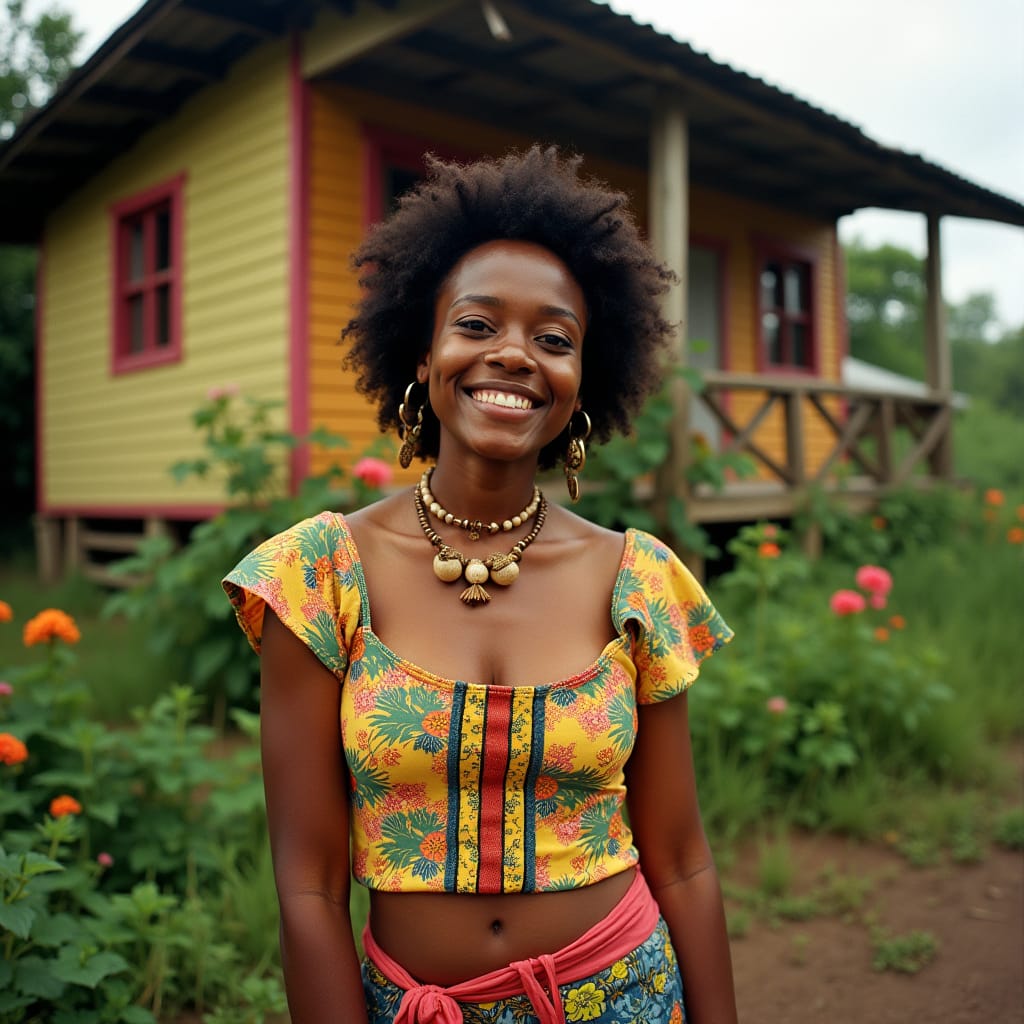
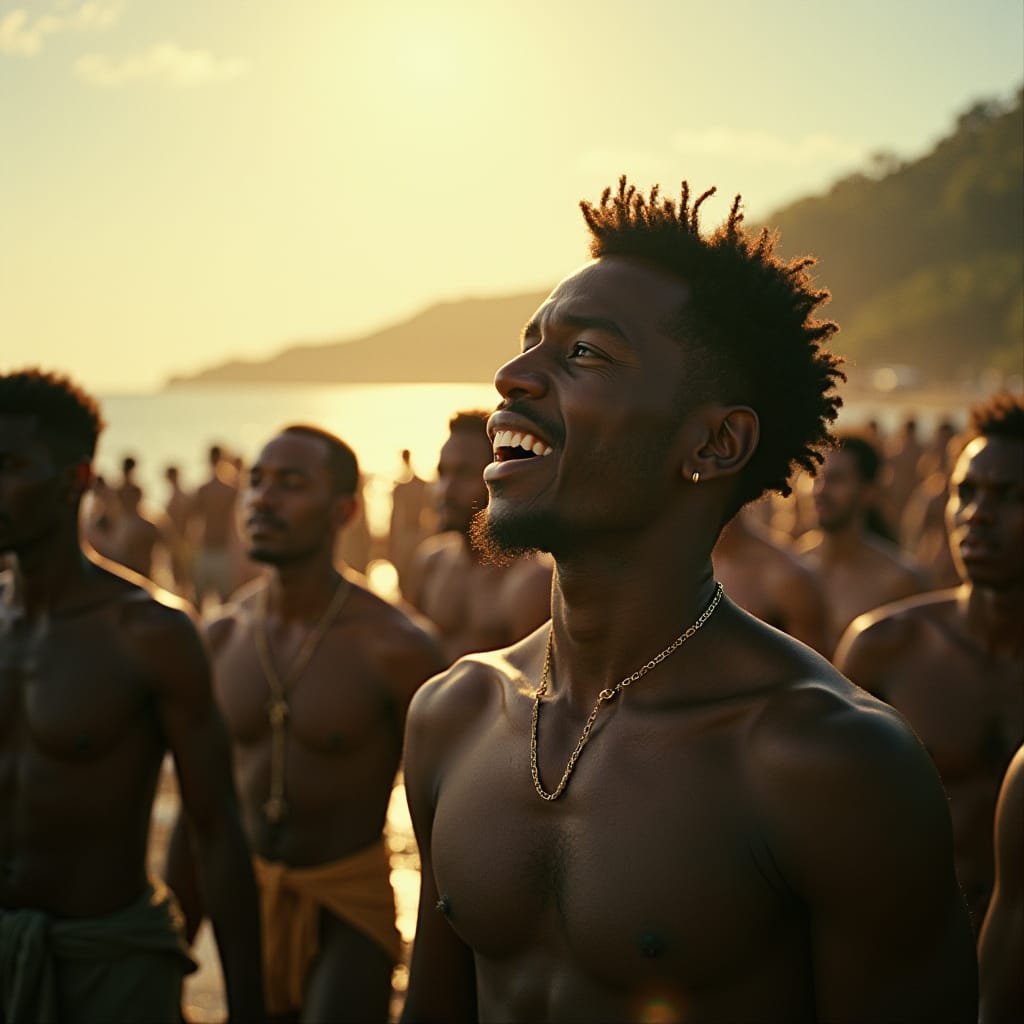
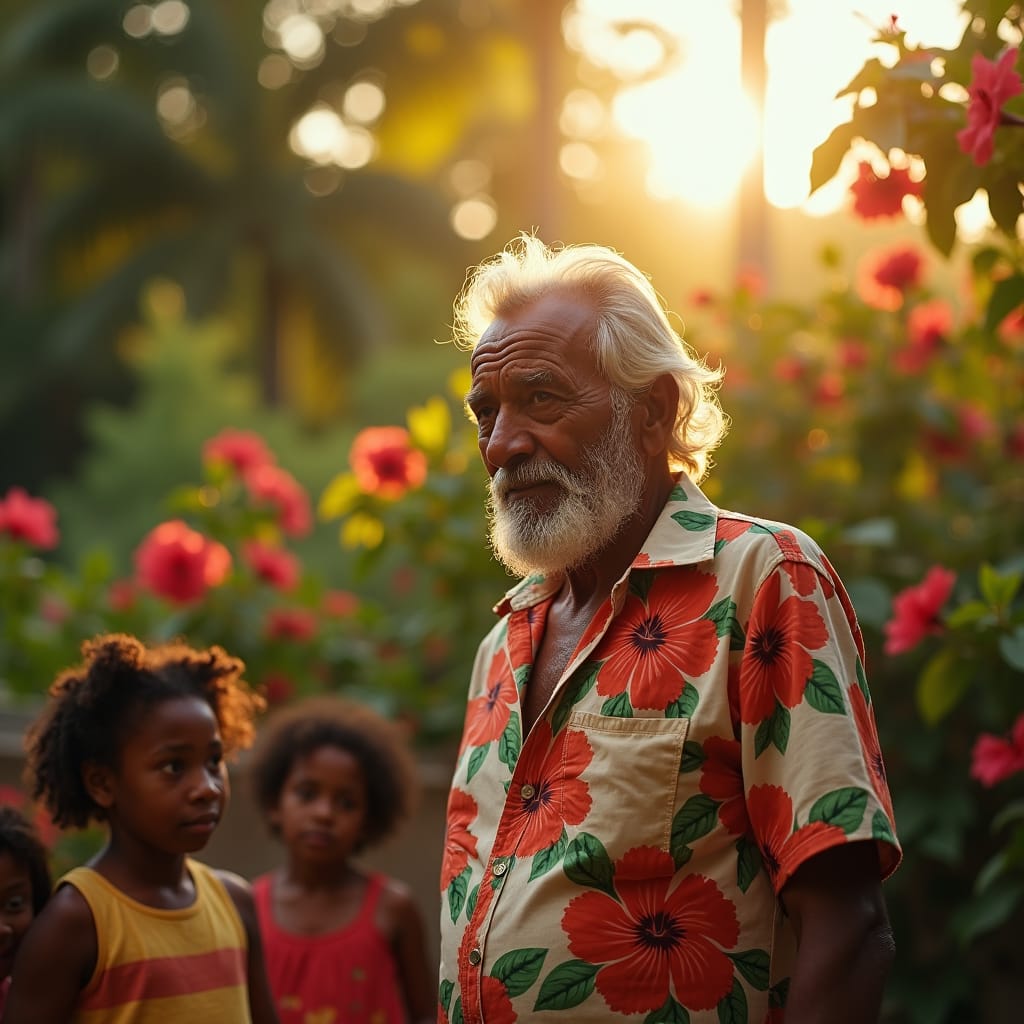
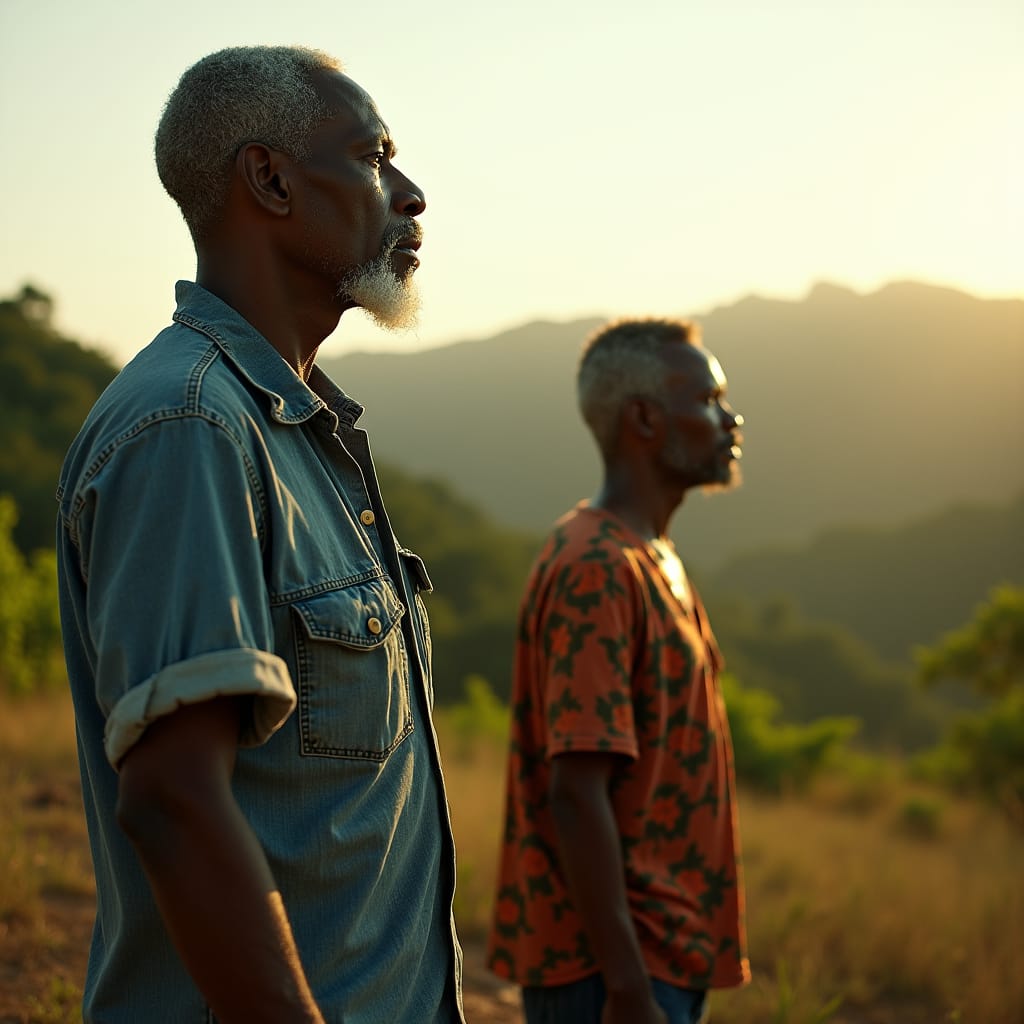
by Jamaicans are a resilient and vibrant peopleThe people of Jamaica embody a spirit that is at once richly diverse and unbreakably unified, as captured by the nationa... with a deep-rooted history defined by courage, resistance, and cultural richness, shaped by both struggle and triumph over more than five centuries. The JamaicanThe term "Jamaican" encompasses the citizens of Jamaica and their descendants in the Jamaican diaspora, representing a d... story begins with the Tainos, the island’s first known inhabitants, who arrived from South America around 600 AD and lived in harmony with the landIn real estate, land is a foundational element that significantly impacts the value and potential of a property. It enco... until the arrival of the SpanishThe Spanish first arrived in Jamaica in 1494, marking a significant European influence that shaped the island’s early ... in 1494. This marked the start of a tragic era for the Tainos, as Spanish conquest led to their decline through forced labor, disease, and oppression. In 1655, JamaicaJamaica, with its vibrant culture and stunning landscapes, has a unique position in the global real estate market. The i... transitioned to British rule, shifting the island’s trajectory once again as AfricanAfricans, in the context of Jamaica, real estate, and the broader world, represent individuals of African descent or tho... slaves were forcibly brought to work on sugar plantations, enduring brutal conditions that sparked powerful movements of resistance, such as those led by the Maroons. These escaped slaves, taking refuge in the mountainous regions, fought fiercely against British forces and secured their freedom in 1739, establishing a lasting cultural influence within Jamaican society.
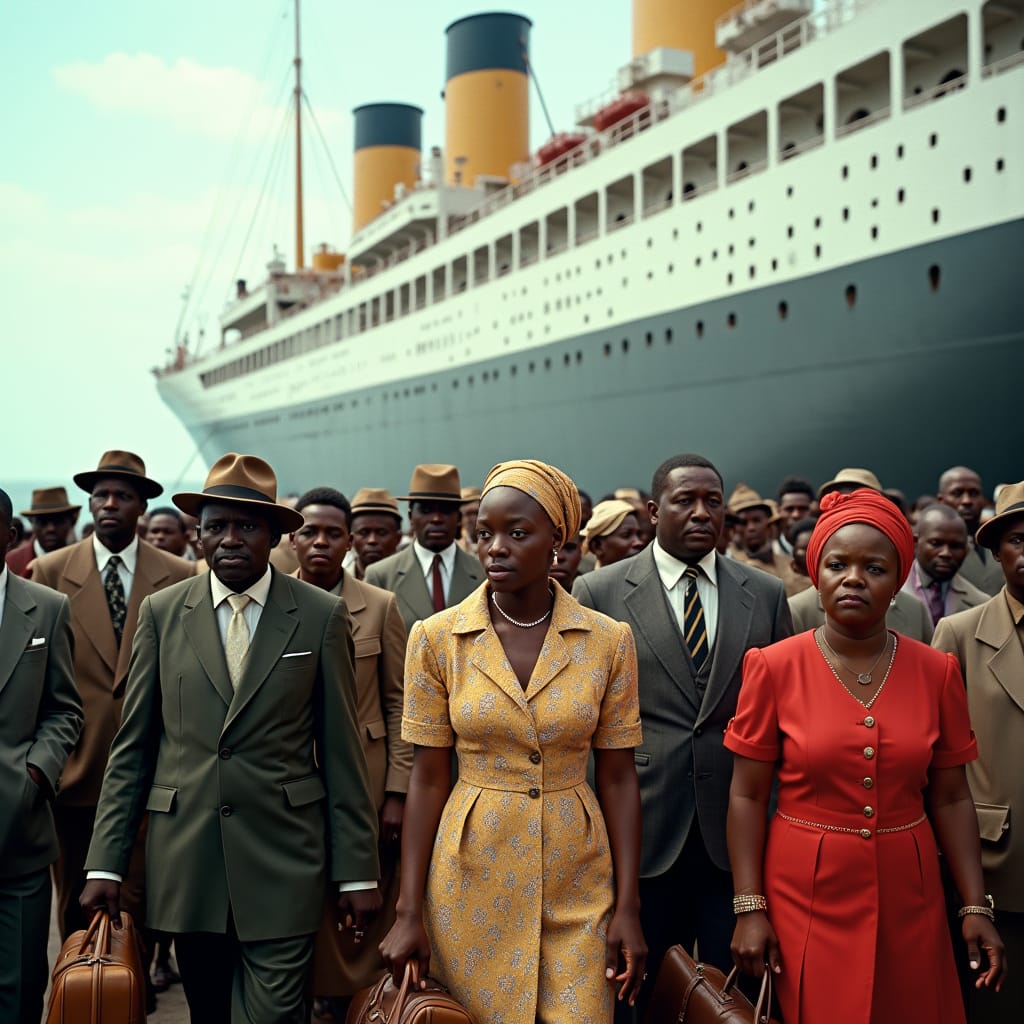
Following the abolition of slaverySlavery in Jamaica, which began in the early 17th century following the island's colonization by the British, was a brut... in 1838, the island saw an influx of indentured laborers from India, China, and the Middle East, each group bringing unique customs, foods, and beliefs that added to Jamaica’s cultural tapestry. This diversity has given rise to Jamaica’s motto, “Out of many, one people"Out of Many, One People" is Jamaica’s national motto, symbolizing the nation’s rich history of cultural diversity a...,” highlighting the unity forged from different backgrounds, languages, and traditions. Today, the legacyLegacy, in the context of Jamaica, real estate, and the broader world, represents the enduring impact of past actions, a... of these varied influences is visible in every aspect of Jamaican life: the dialect known as Patois combines English with West African linguistic elements; Jamaican music, from reggaeReggae is a genre of music that originated in Jamaica in the late 1960s, characterized by its distinct rhythm, offbeat t... to dancehall, embodies the island’s spirit of resistance and creativity; and the cuisine reflects flavors and techniques from across continents.
Jamaica’s colonial past under British rule also left lasting marks, with English as the official language, a legal systemThe legal system is a set of rules that help make sure people follow the law and treat each other fairly. In Jamaica, th... based on English common lawCommon law in Jamaica refers to the body of legal principles and precedents developed through judicial decisions and cas..., and a parliamentary model of government. Despite a history of hardship, Jamaica gained independence in 1962, embracing self-governance and a unique national identity that resonates with pride and resilience.
On the global stage, Jamaicans have made their mark in numerous fields, from athletics to music, and have brought international recognition to the island. This global footprint extends to real estateReal estate refers to property consisting of land and the structures on it, such as buildings and homes. It also include... as well, where Jamaicans, both locally and in the diasporaIn the context of Jamaica, real estate, and the broader global sphere, diaspora refers to the community of Jamaicans liv..., view the island as an ideal location for investment"Investment" in the realm of real estate refers to the allocation of money or resources into property with the expectati... due to its scenic beauty, warm climate, and cultural appeal. The real estateIn Jamaican real estate, an estate refers to the total collection of assets and property owned by an individual, especia... market in Jamaica today is a mix of luxury properties, eco-friendly developments, and historic homes, attracting foreign investorsIn Jamaica, foreign investors are individuals or entities from other countries who invest money into Jamaican businesses... and returning residentsReturning Residents are Jamaican nationals (or persons eligible through Jamaican descent or marriage to a Jamaican natio... alike. This industry has become a crucial pillar in the island’s economy, providing opportunities for both residential and commercial developments. Jamaicans continue to draw on their rich heritageHeritage, in the context of Jamaica, real estate, and the rest of the world, refers to the tangible and intangible asset... and global connections to shape a modern, dynamic nation that remains true to its roots and welcoming to the world.