
 by
by 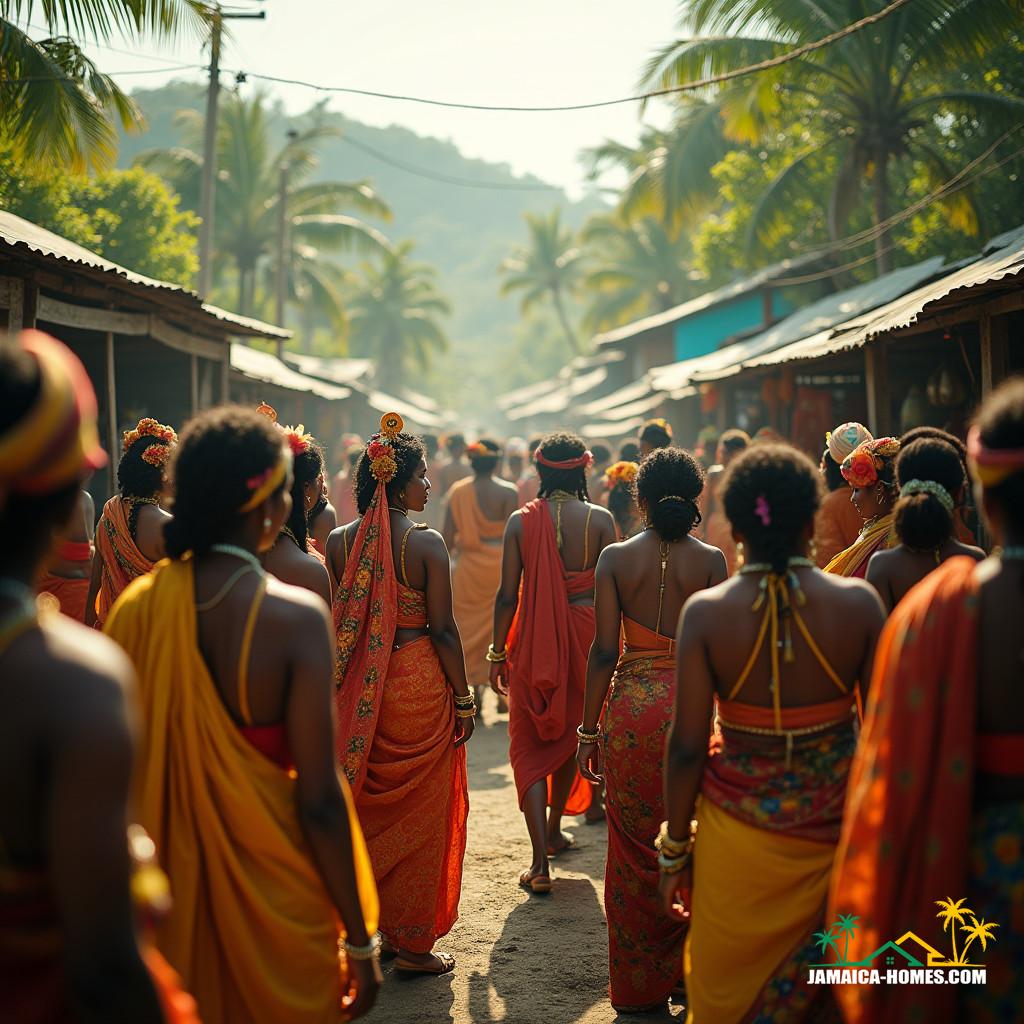
Indo-Jamaicans are descendants of peopleThe people of Jamaica embody a spirit that is at once richly diverse and unbreakably unified, as captured by the nationa... More from the Indian subcontinent who migrated to JamaicaJamaica, with its vibrant culture and stunning landscapes, has a unique position in the global real estate market. The i... More as indentured laborers, primarily from Northern India and parts of South India. They form Jamaica’s third-largest ethnic group after Africans and mixed-race individuals.
History and Migration
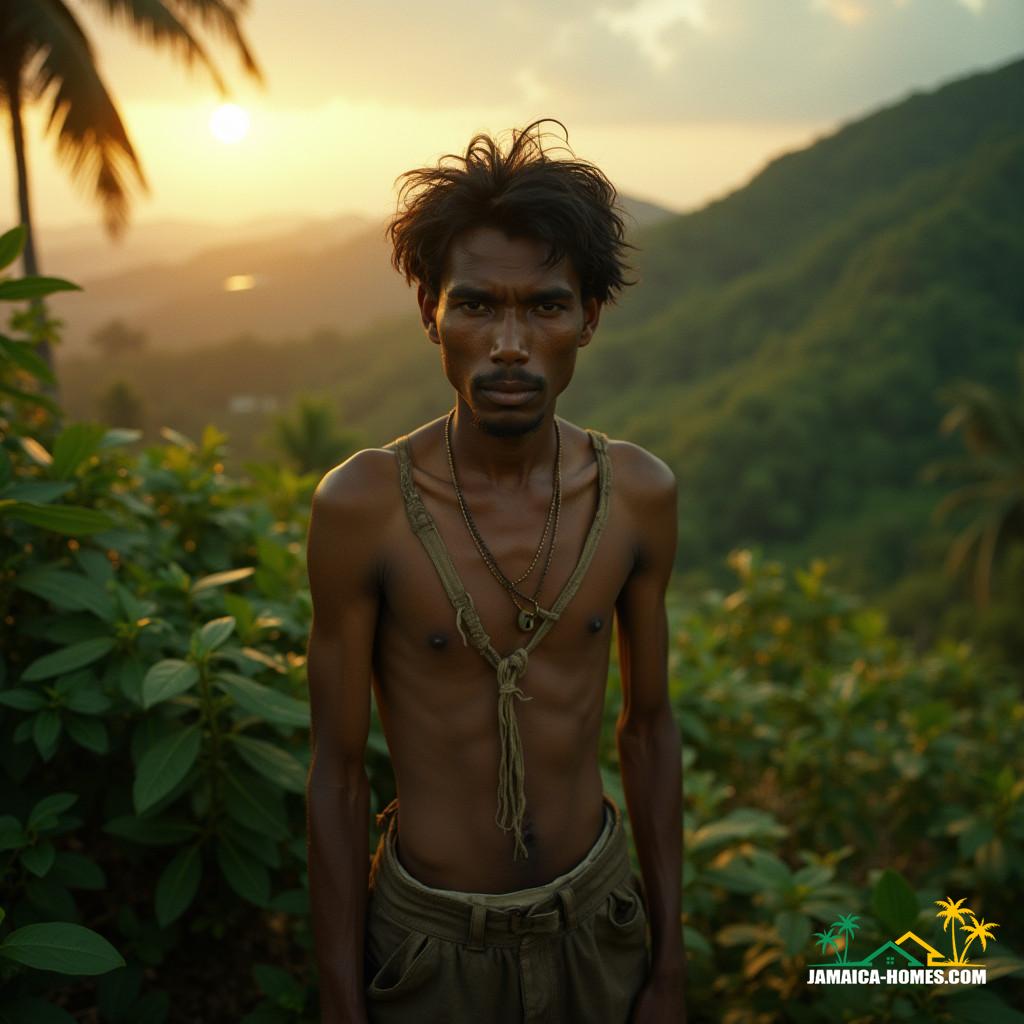
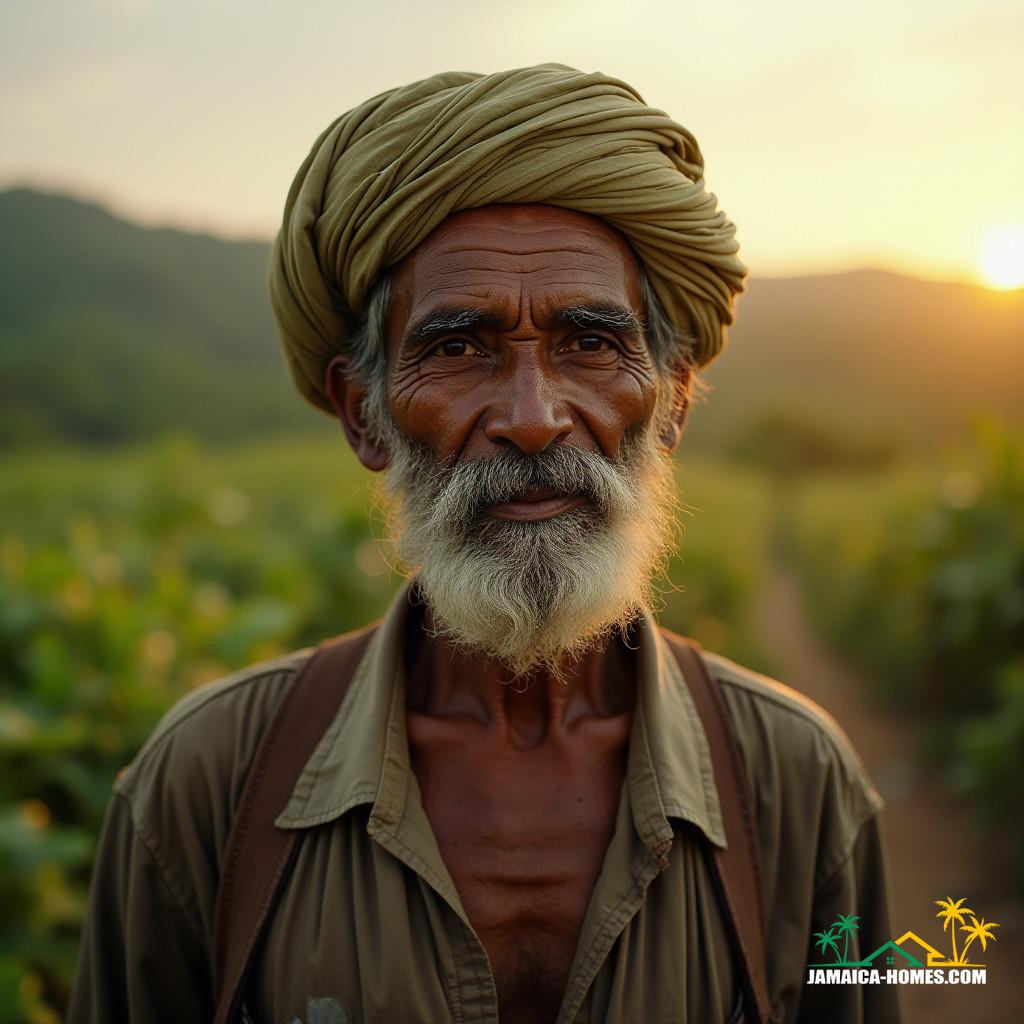

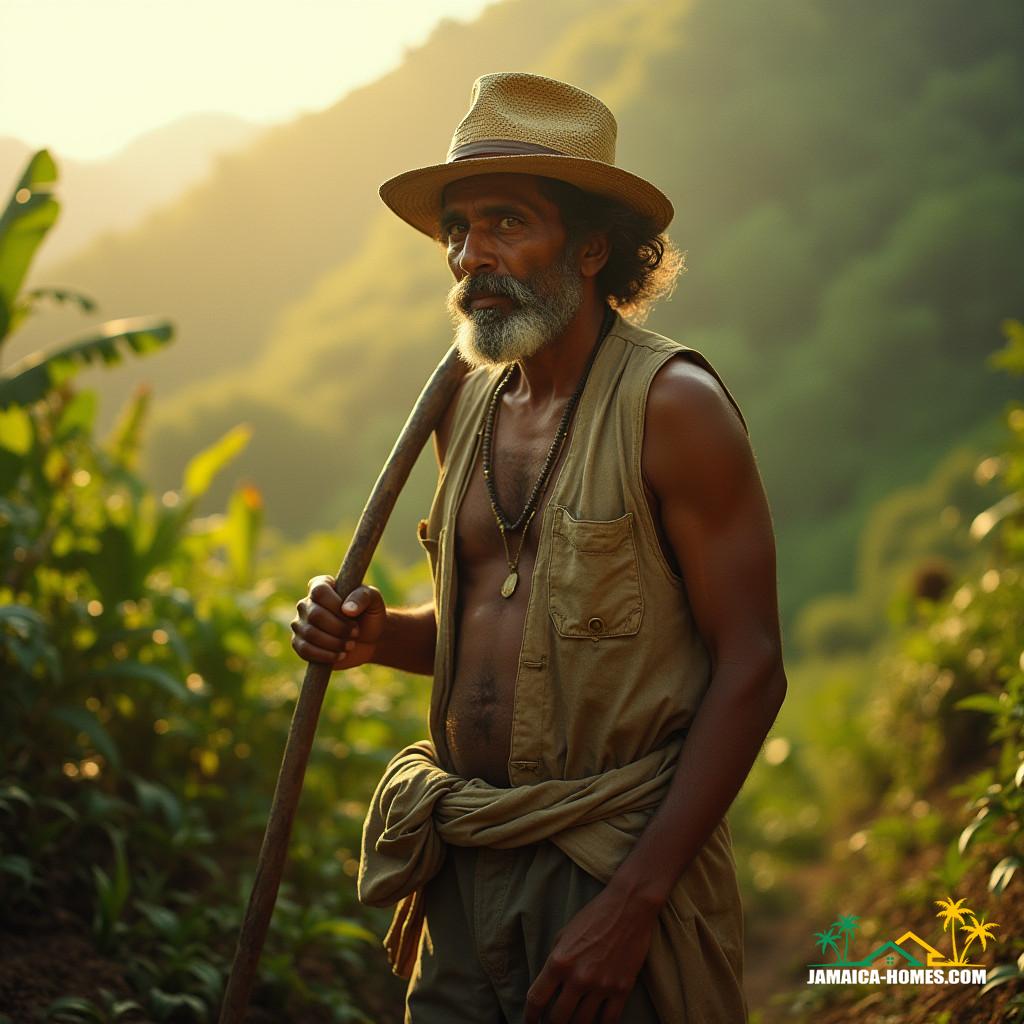
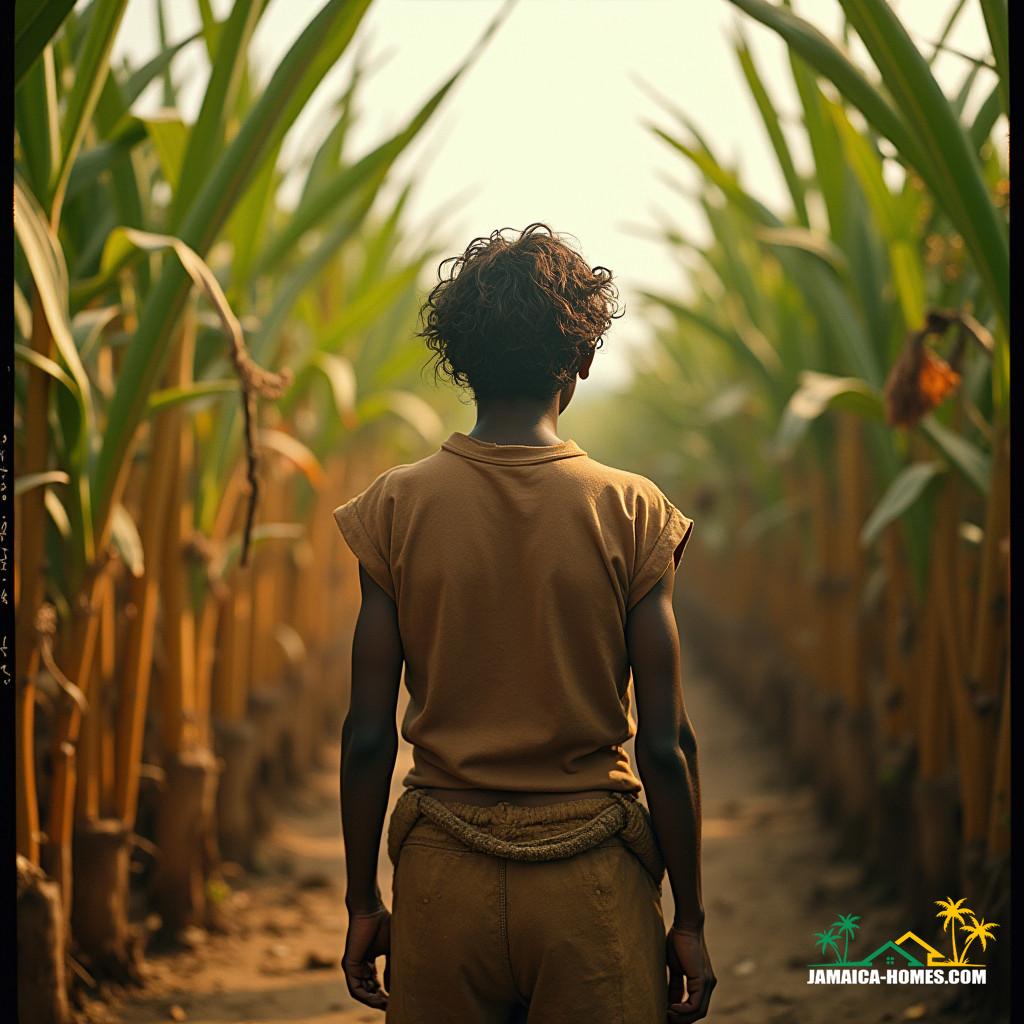
Over 36,000 Indians arrived in Jamaica from 1845 to 1917 under the Indian indenture system due to challenging conditions in British India. These migrants, mainly from regions like Bhojpur and Awadh, as well as South India, were brought to fill labor shortages after slaverySlavery in Jamaica, which began in the early 17th century following the island's colonization by the British, was a brut... More was abolished. Unlike AfricanAfricans, in the context of Jamaica, real estate, and the broader world, represent individuals of African descent or tho... More ex-slaves, indentured Indian workers earned low wages, which led to cultural tensions. They were often seen as outsiders and labeled “coolies” due to their labor status.
The indenture contracts varied from one to five years and were marked by hardships, including low wages and restricted movement. Many workers, originally hoping to return to India, eventually remained in Jamaica due to logistical challenges, restrictive policies, and incentives like landIn real estate, land is a foundational element that significantly impacts the value and potential of a property. It enco... More grants. A smaller wave of Indian immigrants from places like Gujarat, Sindh, and Punjab arrived in the mid-20th century, mainly as merchants.
Settlement and Cultural Retention
Indian laborers faced difficult working conditions, but many retained aspects of their culture and religions, such as Hinduism and Islam. The British colonial government established recruiting depots in India, but many workers did not fully understand their contracts due to language barriers. The majority of early Indian workers were Hindu, and religious accommodations were limited, with non-Christian marriages unrecognized until 1956.
The first ship carrying Indian laborers, the MaidstoneMaidstone, located in Manchester, was founded in 1840 under the direction of Moravian missionaries. The land, originally... More, arrived in 1845, initiating a wave of migration. While many intended to return to India, insufficient ships and restrictive policies meant most stayed in Jamaica. Some returned, but World War I and the economic burden of repatriation discouraged widespread return migration.
Impact on Jamaican CultureJamaican culture reflects centuries of diverse influences, shaped by colonization, migration, and a blend of African, Eu... More
Despite their relatively small numbers, Indo-Jamaicans have made significant cultural contributions. They introduced Hindu festivals, such as Diwali, and played a role in Jamaica’s culinary landscape, with dishes like curry goat, roti, and dhal rice now popular staples. Ganja (cannabis), which originated from India, became integral to Jamaica’s Rastafarian practices due to its spiritual significance in Indian culture.
In the 20th century, Indian jewelry shops in KingstonKingston, the capital city of Jamaica, embodies a dynamic fusion of historical depth and contemporary vitality. Establis... More became prominent, with intricate gold designs reflecting Indian craftsmanship. The Indo-Jamaican communityIn Jamaica, "community" refers to more than just a geographic area; it embodies a collective identity rooted in shared e... More also played a role in Jamaica’s economy, with individuals working as shopkeepers, jewelers, and merchants.
Surnames and Identity
Many Indo-Jamaicans adopted British surnames to ease assimilation, while some took their original village names as surnames. Common Indo-Jamaican surnames include Singh, Maragh, and Persad. Over time, Indo-Jamaicans became more integrated into JamaicanThe term "Jamaican" encompasses the citizens of Jamaica and their descendants in the Jamaican diaspora, representing a d... More society, with arranged marriages and the caste system largely fading.
Recognition and Community Organizations
In 1995, the Jamaican governmentJamaica is a member of the Commonwealth of Nations, a voluntary association of independent countries, many of which were... More established May 10 as Indian HeritageHeritage, in the context of Jamaica, real estate, and the rest of the world, refers to the tangible and intangible asset... More Day to honor Indo-Jamaicans’ contributions. Organizations like the National Council for Indian Culture in Jamaica promote cultural preservation. Notable Indo-Jamaicans include politicians, musicians, athletes, and activists, reflecting the community’s integration into all facets of Jamaican life.
Indo-Jamaicans’ contributions to Jamaican society are reflected in the cultural, culinary, and religious tapestry of the island, where they continue to preserve their unique heritage.
Discover more from Jamaica Homes
Subscribe to get the latest posts sent to your email.