

 by
by 
British JamaicansJamaicans are a resilient and vibrant people with a deep-rooted history defined by courage, resistance, and cultural ric..., or JamaicanThe term "Jamaican" encompasses the citizens of Jamaica and their descendants in the Jamaican diaspora, representing a d... British peopleThe people of Jamaica embody a spirit that is at once richly diverse and unbreakably unified, as captured by the nationa..., are those born in JamaicaJamaica, with its vibrant culture and stunning landscapes, has a unique position in the global real estate market. The i... or of Jamaican descent living in the UK. Now in its third generation, the Jamaican British communityIn Jamaica, "community" refers to more than just a geographic area; it embodies a collective identity rooted in shared e... numbers around 300,000, making it the second-largest Jamaican populationPopulation refers to the total number of people inhabiting a defined geographic area and encompasses their demographic, ... outside the U.S. As of 2015, an estimated 137,000 individuals born in Jamaica resided in the UK, though Jamaican nationals were fewer, at about 49,000.

Migration History
Jamaicans have lived in the UK since the early 20th century, but the largest wave arrived after WWII, responding to Britain’s labor shortages. Jamaicans, alongside CaribbeanThe Caribbean is a vast region made up of over 700 islands, islets, reefs, and cays. Some of the most well-known islands..., AfricanAfricans, in the context of Jamaica, real estate, and the broader world, represent individuals of African descent or tho..., and South Asian groups, arrived in large numbers, many with skilled backgrounds, working in London Transport, British Rail, and the NHS, primarily settling in Greater London.
Jamaica was a British colony from 1655 to 1962, a period that reshaped the island significantly. Many Jamaicans are descendants of Africans brought over during the Atlantic slave trade. Jamaican ties to Britain remain strong, with longstanding communities in the UK, including descendants of those who served in the British West Indies Regiment in both world wars. Post-war economic booms attracted Jamaicans seeking stable jobs and improved lives.
The Windrush Generation
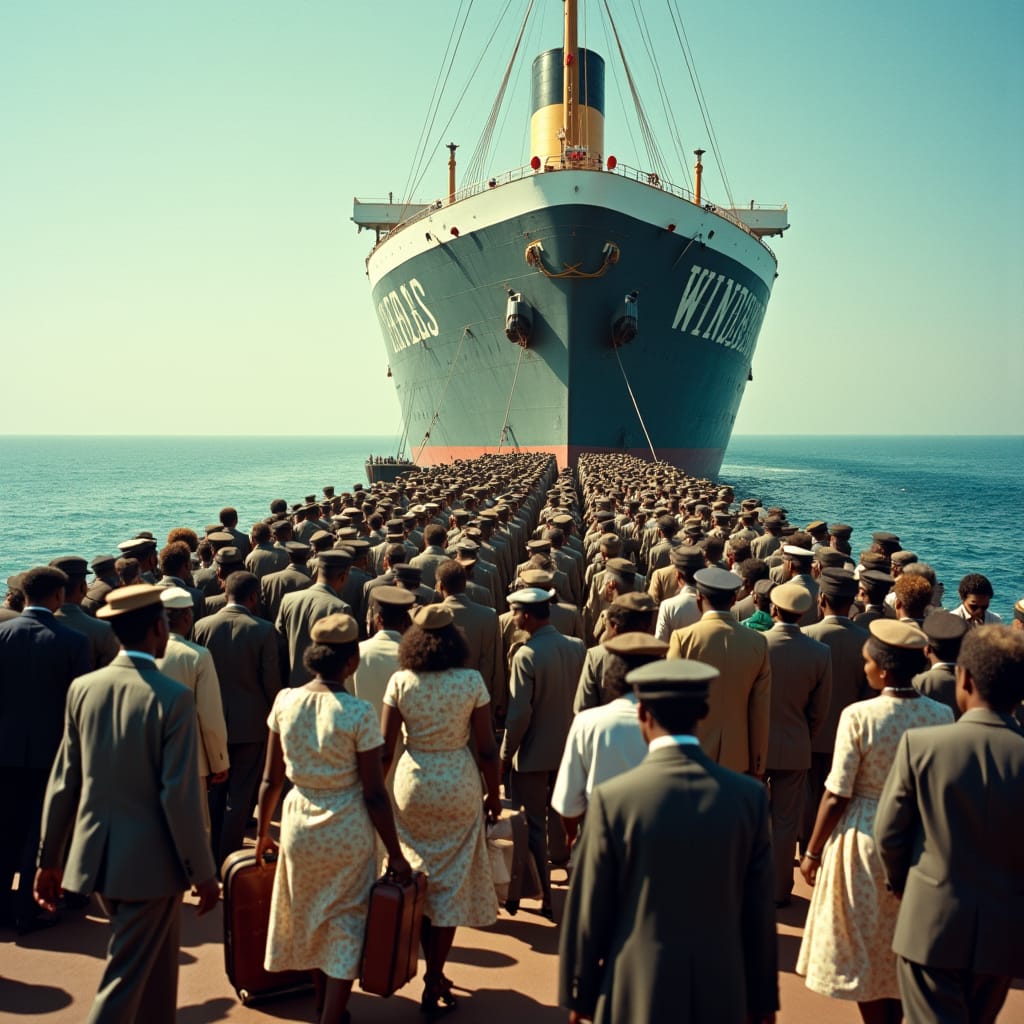
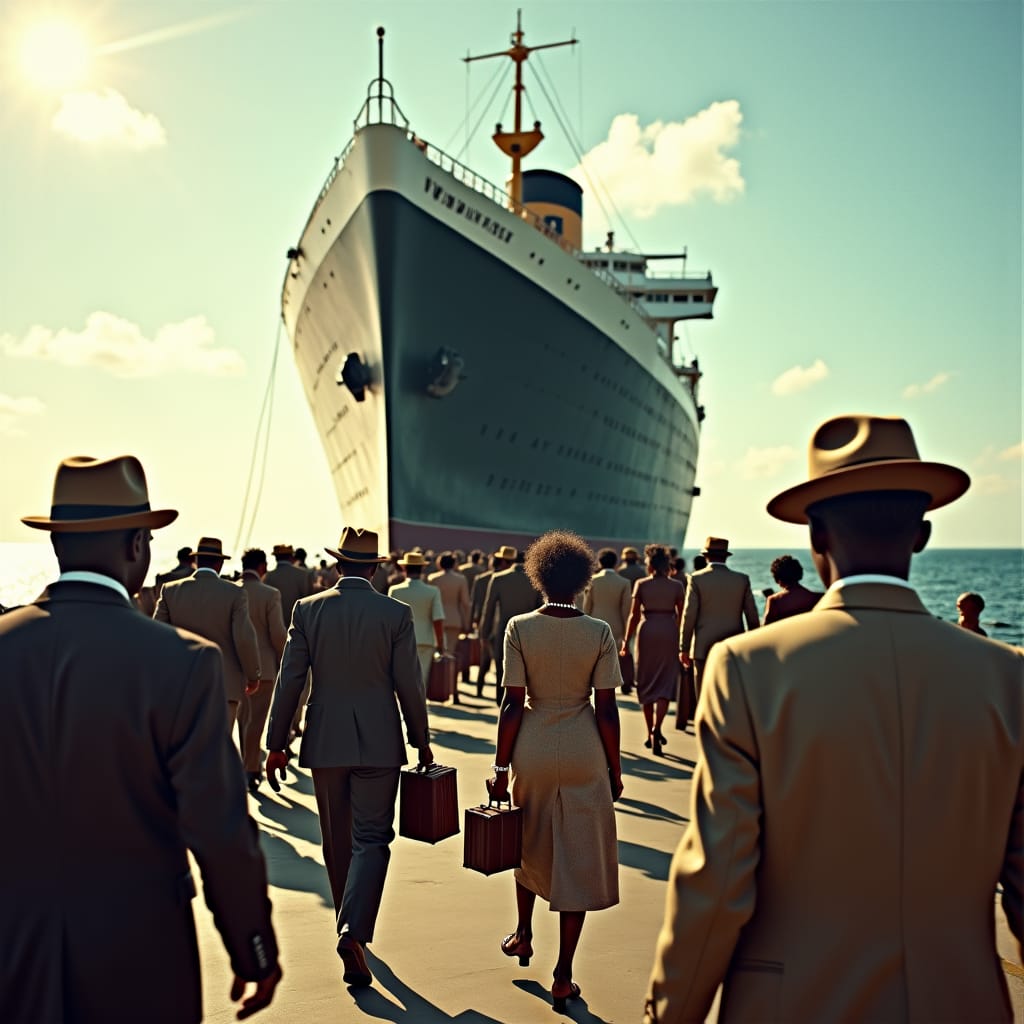
In 1948, the Empire Windrush arrived with 492 Jamaicans invited to work in Britain. Over the next two decades, roughly 191,330 Jamaicans settled in the UK, creating a vibrant, lasting community known as the Windrush GenerationThe Windrush generation, encompassing Caribbean immigrants arriving in the United Kingdom between 1948 and 1971, has lef.... Today, this generation’s legacyLegacy, in the context of Jamaica, real estate, and the broader world, represents the enduring impact of past actions, a... extends into areas such as education, health, and even real estate in JamaicaReal estate in Jamaica refers to the buying, selling, leasing, and development of properties on the island, encompassing..., as many British Jamaicans seek to invest in homes and properties on the island, either for family heritageHeritage, in the context of Jamaica, real estate, and the rest of the world, refers to the tangible and intangible asset... or retirement.

Settlement and Community
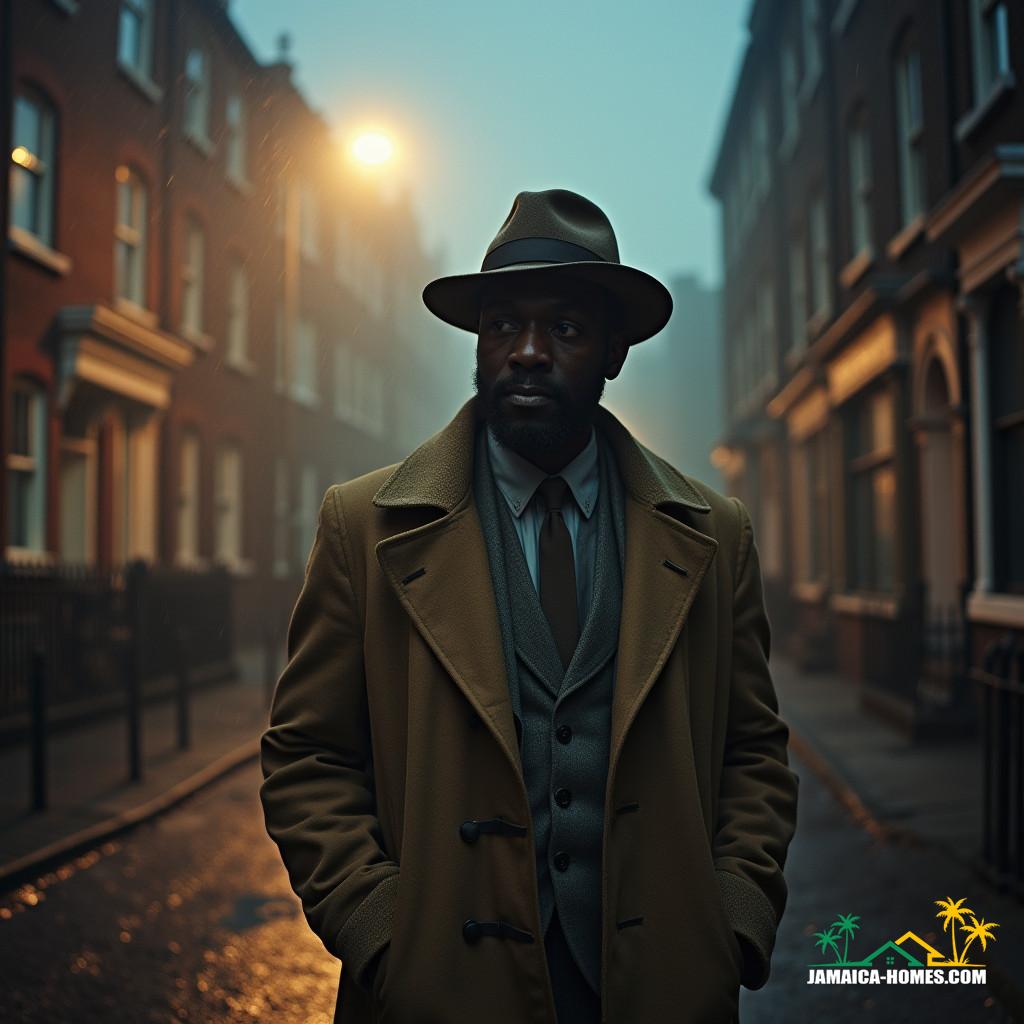
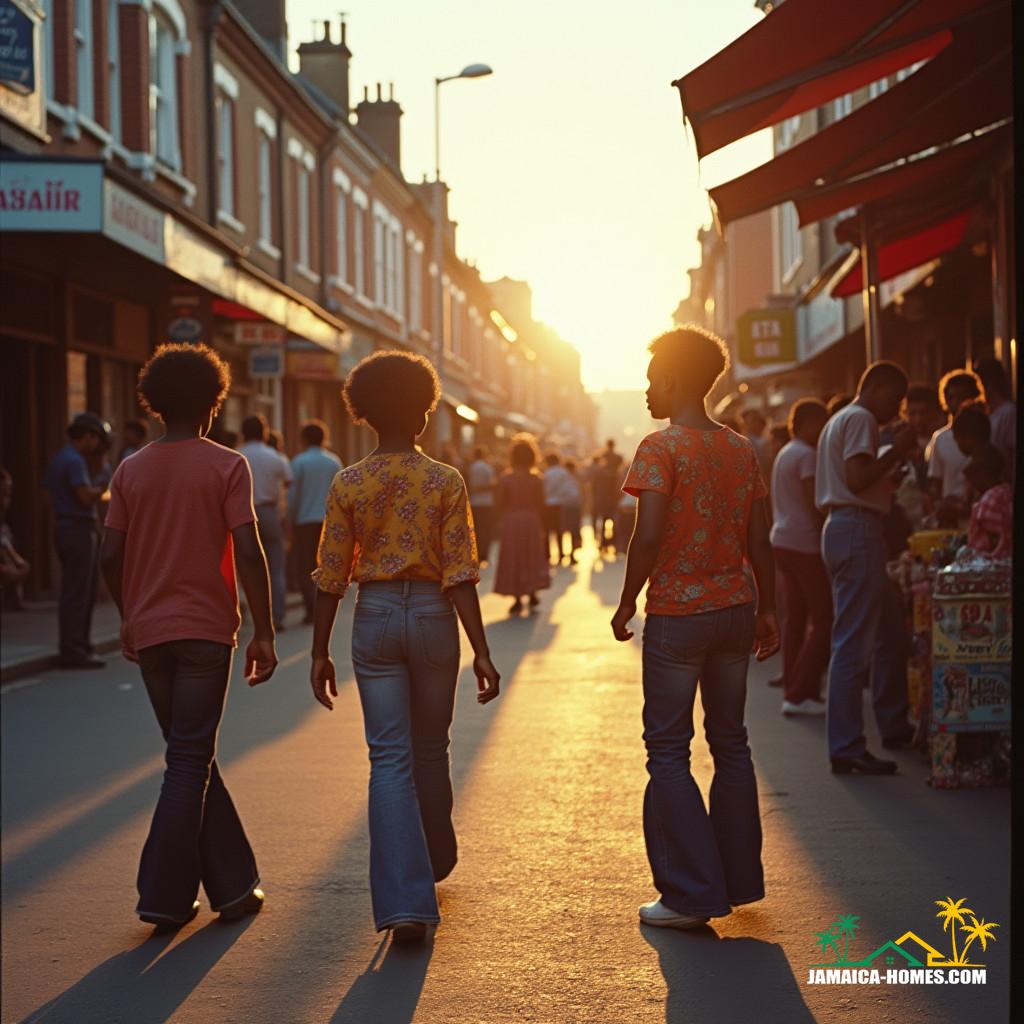
In the 1970s and 1980s, Jamaicans continued migrating to the UK, often driven by economic hardship back home. Seeking better living standards, they often accepted lower-status jobs. The 1958 Notting Hill and 1985 Brixton race riots highlighted the racial challenges Jamaicans faced. The 1993 murder of Stephen Lawrence spurred reforms and a greater commitmentIn Jamaican real estate, commitment refers to the dedication and assurance from buyers, sellers, or agents to fulfill th... to equality, shaping opportunities for future generations.
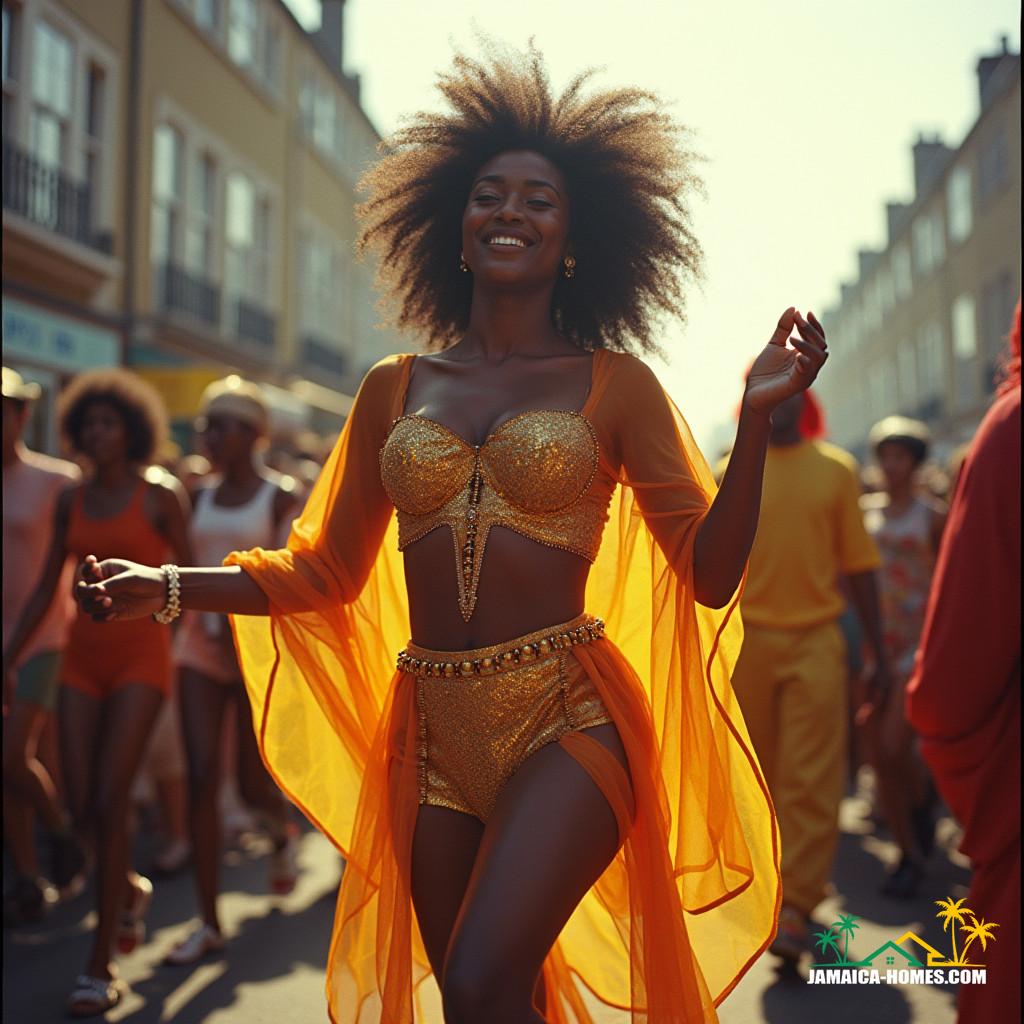
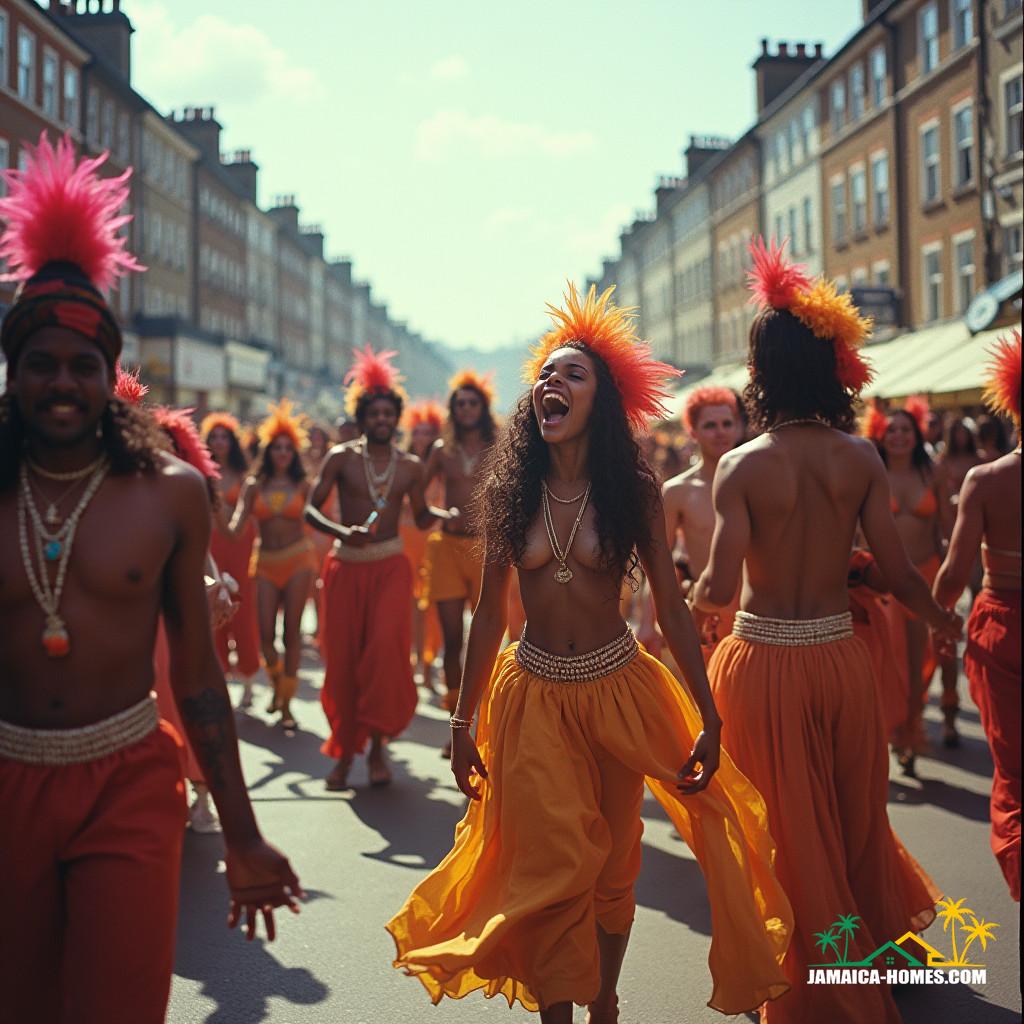


Today, Jamaicans in the UK are widely dispersed, with large communities in Greater London, the West Midlands, South West England, and Yorkshire. Around 250,000 live in London, with notable concentrations in Birmingham, Bristol, and Nottingham. Many British Jamaicans retain strong connections to Jamaica, with some returning to the island to retire or invest in properties, particularly around KingstonKingston, the capital city of Jamaica, embodies a dynamic fusion of historical depth and contemporary vitality. Establis..., Montego BayMontego Bay, often referred to as MoBay, is one of Jamaica's most popular tourist destinations, known for its stunning b..., and emerging residential areas like St. CatherineSt. Catherine, established in 1664, is one of Jamaica’s seven oldest parishes. Spanning 459.7 square miles, it became ... and ManchesterManchester is a parish located in central Jamaica, known for its cooler climate and picturesque landscapes. Renowned for....
Religion and Culture
Most British Jamaicans identify as Christians, with the 2001 CensusA census is an essential process of systematically collecting, analyzing, and documenting information about a country's ... showing 73.7% of Black Caribbeans following ChristianityChristianity in Jamaica has deep roots dating back to 1509 when Spanish settlers introduced Roman Catholicism. The Angli.... Anglicanism, Roman Catholicism, Pentecostalism, and Seventh-day Adventism are common. Jamaican cultureJamaican culture reflects centuries of diverse influences, shaped by colonization, migration, and a blend of African, Eu..., spanning cuisine, music, and fashion, has enriched British society.
Cuisine
Jamaican migrants initially found UK food culture challenging, so they established grocery stores specializing in Caribbean products. Today, Caribbean restaurants serving dishes like curry goat, fried dumplings, and ackeeAckee, Jamaica’s national fruit, holds a special place in the heart of Jamaican culture and language, with its name se... and saltfish are common in British cities. Brands like Grace Foods, Tropical Sun, and Levi Roots’ ReggaeReggae is a genre of music that originated in Jamaica in the late 1960s, characterized by its distinct rhythm, offbeat t... Reggae Sauce have introduced Jamaican flavors to mainstream supermarkets, echoing the culinary staples of Jamaica, where many returnees relish rediscovering local cuisine and fresh tropical produce.
Fashion
British Jamaicans have made a mark on UK fashion, with supermodels like Naomi Campbell and Jourdan Dunn, designer Bruce Oldfield, and Grace Wales Bonner. These individuals showcase Jamaican heritage on global fashion stages. For British Jamaicans with deep ties to Jamaica, the fashion and lifestyle industry often influences home designDesign is the art and science of creating plans and specifications for the construction of objects, structures, and syst... and real estateReal estate refers to property consisting of land and the structures on it, such as buildings and homes. It also include... choices when they build or buy homes on the island, reflecting British and Jamaican aestheticsAesthetics in Jamaica real estate, as in the rest of the world, plays a crucial role in shaping the visual and cultural ....
Literature
British Jamaican authors and poets have significantly shaped UK literature. Early writers like James Berry and Andrew Salkey, and later figures such as Andrea Levy with Small Island and Zadie Smith with White Teeth, have brought Jamaican-British stories to international audiences. This connection with Jamaican identity inspires some British Jamaicans to return to the island or invest in propertyProperty encompasses a wide range of tangible assets that individuals or entities can own, utilize, or invest in, includ... there, creating homes that reflect their rich cultural narratives.
Media and Music
Jamaican culture has deeply influenced British media and music. The Voice, established in 1982, serves the Jamaican and broader Black British community. Pirate radio stations, like Vibes FM and IrieIrie: In Jamaican Patois, "irie" is an expression that signifies everything is alright, peaceful, or in good condition. ... FM, are popular in the Jamaican British community.
Genres such as ska, reggae, and later dubstep, grime, and jungle music owe their UK popularity to Jamaican influence. British Jamaicans produced iconic musicians, including Janet Kay, Jah"Jah," a term rooted in Rastafarianism, refers to God or the divine presence and is deeply ingrained in Jamaican culture... Shaka, Eddy Grant, Tippa Irie, Bitty McLean, Aswad, Black Slate, UB40, General Levy, Steel Pulse, Lianne La Havas, and Ella Mai. The music and artistic expression influence lifestyle choices, which can be seen in property preferences in Jamaica, where British returnees often seek vibrant communities that align with their cultural roots.


Sport
British Jamaicans have excelled in UK sports. Track and field stars like Linford Christie, Tessa Sanderson, and Denise Lewis won medals for the UK, as have gymnasts like Louis Smith and sprinters Dina Asher-Smith and Kelly Holmes. In boxing, Frank Bruno and Lennox Lewis achieved world titles, while Dillian Whyte currently holds the WBC interim heavyweight titleA title is a crucial document that establishes legal ownership of a property. When a buyer agrees to purchase real estat.... Rugby and football also feature prominent Jamaican athletes, like Clive Sullivan, Jason Robinson, and Raheem Sterling.
Many successful British Jamaican athletes contribute to Jamaica’s sports and social landscape, with some choosing to invest in or support youth developmentIn Jamaica, the term "development" can refer to various contexts, each with its unique focus and implications. Real esta... and infrastructure back home. Sports-focused real estateIn Jamaican real estate, an estate refers to the total collection of assets and property owned by an individual, especia... developments and investments are increasingly popular among returning British Jamaicans.
Television and Film
British Jamaicans have also impacted TV and film. Comedian Lenny Henry, actor Naomie Harris, and filmmaker Steve McQueen are among those who have gained acclaim in the UK and beyond. Films and shows like Small Axe and The Good Doctor feature British Jamaican talent and explore identity and migration themes. Jamaica’s connection to the James Bond series, with Ian Fleming writing the novels from his Jamaican home, highlights the island’s impact on British and global culture.
This connection to media inspires some British Jamaicans to establish homes in Jamaica that reflect both their British influences and Jamaican heritage. For many, owning property in Jamaica is not only an investment"Investment" in the realm of real estate refers to the allocation of money or resources into property with the expectati... but a way to reconnect with their roots and create spaces that celebrate their dual identity.
Notable Individuals and Contributions
Prominent British Jamaicans include pioneering politician Diane Abbott, supermodel Naomi Campbell, mathematician Nira Chamberlain, and nurse Mary Seacole. These figures have broken barriers in politics, medicine, sports, and the arts. As the Jamaican British community continues to thrive, many members look back to Jamaica, investing in real estate as a link to their heritage and a bridge for future generations.
