
 by
by 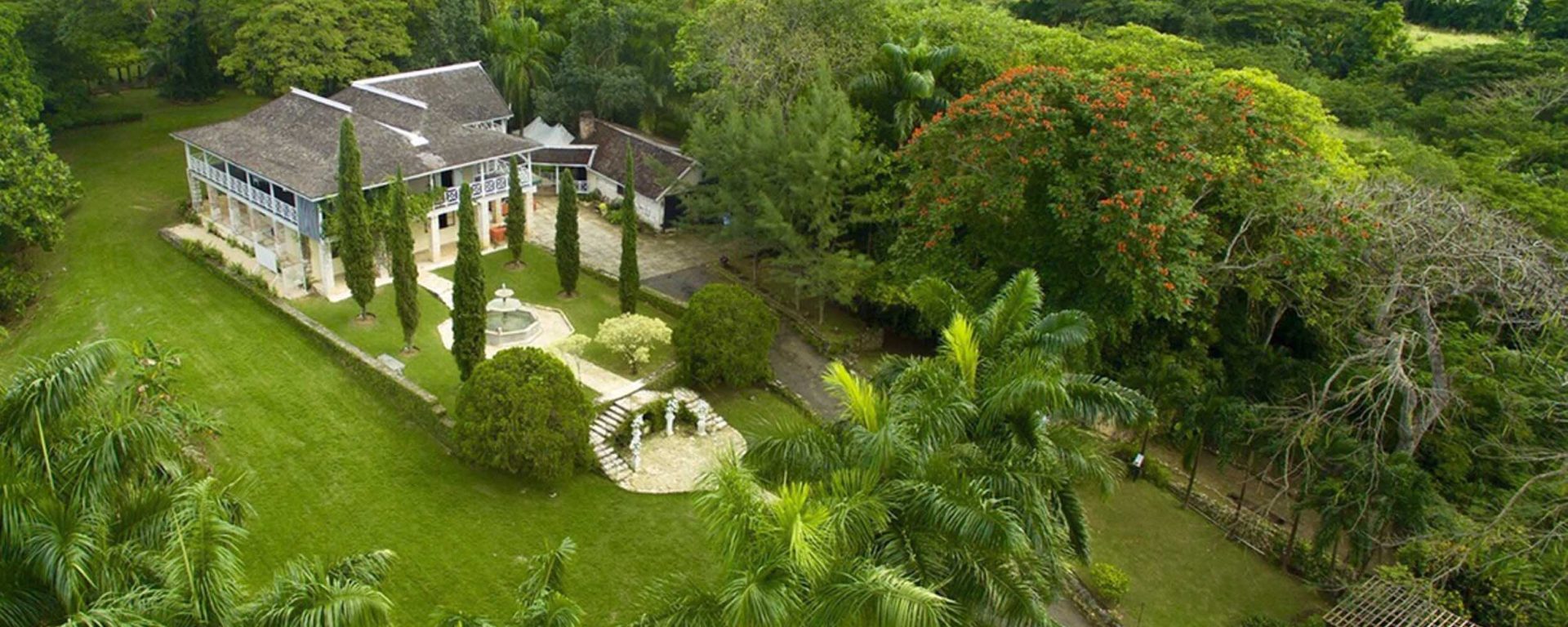
Nestled in the scenic hills of GranvilleGranville, located in Trelawny, was established on 90 acres of land purchased by Reverend William Knibb, a Baptist minis... More, just south of Montego BayMontego Bay, often referred to as MoBay, is one of Jamaica's most popular tourist destinations, known for its stunning b... More, Bellefield Great HouseA house serves as a fundamental structure designed for residential living, providing shelter and a place for individuals... More stands as a preserved piece of Jamaica’s colonial heritageHeritage, in the context of Jamaica, real estate, and the rest of the world, refers to the tangible and intangible asset... More. Its location offers breathtaking views of Montego Bay, the bustling cruise ship terminal, and the sparkling CaribbeanThe Caribbean is a vast region made up of over 700 islands, islets, reefs, and cays. Some of the most well-known islands... More Sea. Tied to the prominent Kerr-Jarrett family since the late 1700s, Bellefield reflects the era’s cultural, architectural, and historical significance while serving as a reminder of Jamaica’s plantation past.
A Home Rooted in History
Bellefield’s origins date back to the 1600s when it is believed to have started as a militia post during Jamaica’s early colonial days. Over time, it evolved into a stately residence, showcasing architectural features from both the pre-Georgian and JamaicanThe term "Jamaican" encompasses the citizens of Jamaica and their descendants in the Jamaican diaspora, representing a d... More Georgian periods. Its strong stone ground floor and wooden upper frame emphasize durability and function, while the wide verandahs and louvered shutters reveal an adaptation to the tropical climate. These features are hallmarks of Jamaica’s great housesGreat Houses in Jamaica and beyond are architectural and historical icons symbolizing power, wealth, and social hierarch... More, where ventilation and natural light were vital.
The house became part of the Kerr-Jarrett legacyLegacy, in the context of Jamaica, real estate, and the broader world, represents the enduring impact of past actions, a... More in 1793 when Dr. David Kerr, a Scottish physician and Major General in the JamaicaJamaica, with its vibrant culture and stunning landscapes, has a unique position in the global real estate market. The i... More Colonial Militia, married Sarah Newton Jarrett, the daughter of Herbert Newton Jarrett II. This union brought Spring Garden EstateIn Jamaican real estate, an estate refers to the total collection of assets and property owned by an individual, especia... More into the family, creating the Kerr-Jarrett name, which remains closely tied to Montego Bay’s history and developmentIn Jamaica, the term "development" can refer to various contexts, each with its unique focus and implications. Real esta... More.

Architecture: Where Strength Meets Elegance
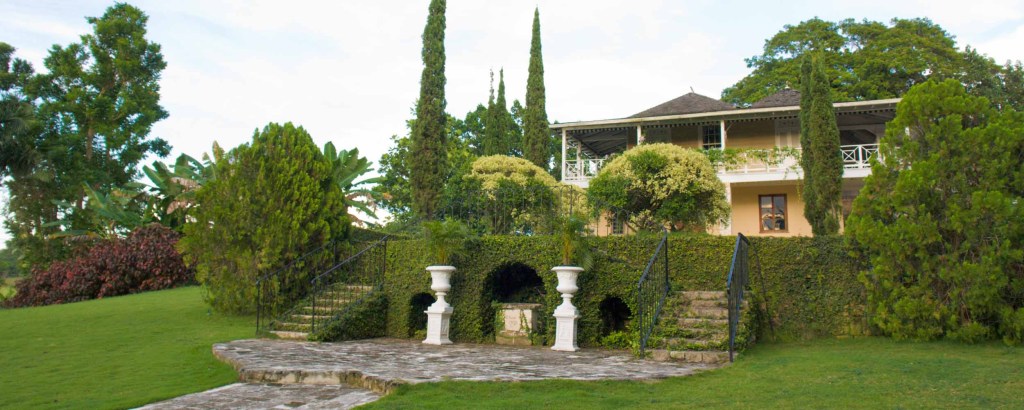
Bellefield’s designDesign is the art and science of creating plans and specifications for the construction of objects, structures, and syst... More reflects the priorities of its time—functionality and resilience, paired with understated elegance. Positioned on a slope, the house benefits from natural cooling breezes and a commanding view of its surroundings. The stone ground floor provided not only structural stability but also insulationIn Jamaican real estate, insulation refers to materials and techniques used to enhance a building's energy efficiency by... More against the tropical heat. The upper wooden frame, a lighter and more flexible material, offered practical advantages for constructionConstruction is the dynamic process of designing and erecting buildings and infrastructure, crucial for shaping modern l... More and airflow.
A unique feature of Bellefield is the absence of an interiorThe interior of a building encompasses the spaces within its walls, floors, and ceilings, including all rooms, corridors... More staircase connecting the two levels. External staircases lead to the upstairs living quarters, separating formal and private spaces. This layout, typical of plantation-era homes, also enhanced securityIn Jamaican real estate, security refers to assets pledged to back a loan or financial obligation. Typically, the proper... More, limiting access to the family’s private rooms.
Inside, the ground floor exudes rusticIn the context of real estate, rustic embodies a style that captures the essence of countryside charm and natural beauty... More charm and strength. Smooth stone floors, worn by centuries of use, remain cool to the touch, while exposed wooden beams add to the home’s robust yet inviting character. Walls lined with wooden paneling soften the stone’s austerity, creating a harmonious blend of strength and refinement.
Living Spaces and Artifacts
The upper floor of Bellefield served as the family’s private living quarters, including bedrooms, a smoking roomIn Jamaican Patois, the term "room" is commonly used to describe individual spaces within a property, offering a practic... More, a sitting room, and an office for estate management. All rooms open onto the surrounding verandah, allowing for cross-ventilation and an abundance of natural light—essential features in Jamaica’s tropical climate.
Historical artifacts displayed throughout the house provide a glimpse into the 19th-century lifestyle of its inhabitants. A corseted frock laid out on a bed illustrates the fashion of the era, while the locked tea box reflects the value of tea as a luxury commodity. In the office, plantation ledgers with handwritten entries offer sobering insights into the estate’s operations and its reliance on enslaved labor.
The Grounds: A Blend of Beauty and Function
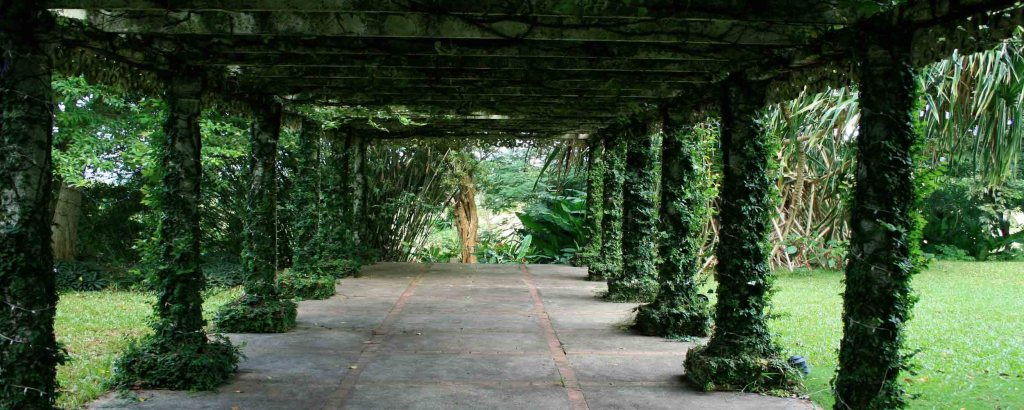
Bellefield’s grounds are as captivating as the house itself. A sprawling lawn extends from the back of the propertyProperty encompasses a wide range of tangible assets that individuals or entities can own, utilize, or invest in, includ... More, shaded by towering trees like a 300-year-old Guango tree, whose canopy provides cool, serene shelter. The perimeter of the garden is adorned with plants and shrubs, ensuring privacy, while features like pergolas and gazebos add charm and serve as spaces for gatherings and quiet reflection.
Pathways wind through the garden, inviting exploration and offering picturesque spots for visitors to enjoy. These grounds were likely a source of pride for the family, hostingHosting in the real estate context involves several key elements. For real estate businesses, hosting refers to providin... More leisurely strolls and social events amidst the natural beauty of the Jamaican countryside.
Insights into Plantation Life
Bellefield’s design and layout reflect the realities of plantation-era life. The detached kitchen, a practical feature of the time, was situated away from the main house to reduce fire risks and keep the living areas cooler. Today, this former kitchen has been repurposed as an office, preserving its historical significance.
The verandahs, with their multiple staircases, facilitated movement between floors and ensured proper ventilation—a necessity in the hot Jamaican climate. The house’s elevated position not only enhanced the natural cooling effects of the breeze but also allowed the family to oversee the estate’s operations while enjoying panoramic views.
A Modern Legacy
Today, Bellefield Great House stands as a carefully preserved historic site open to the public for tours. Visitors can experience the house’s rich history through its furnishings, artifacts, and architectural features. The nearby sugar mill, once an essential part of the estate, now serves as a restaurant, blending the island’s history with modern culinary offerings.
Bellefield represents more than just a home; it is a symbol of Jamaica’s architectural ingenuity and cultural heritage. The house captures the dualities of plantation life—grandeur and labor, beauty and hardship. For visitors, Bellefield offers a tangible connection to the past, inviting them to reflect on the complexities of Jamaica’s history while appreciating the enduring elegance of its architectural treasures.
Discover more from Jamaica Homes
Subscribe to get the latest posts sent to your email.