
 by
by 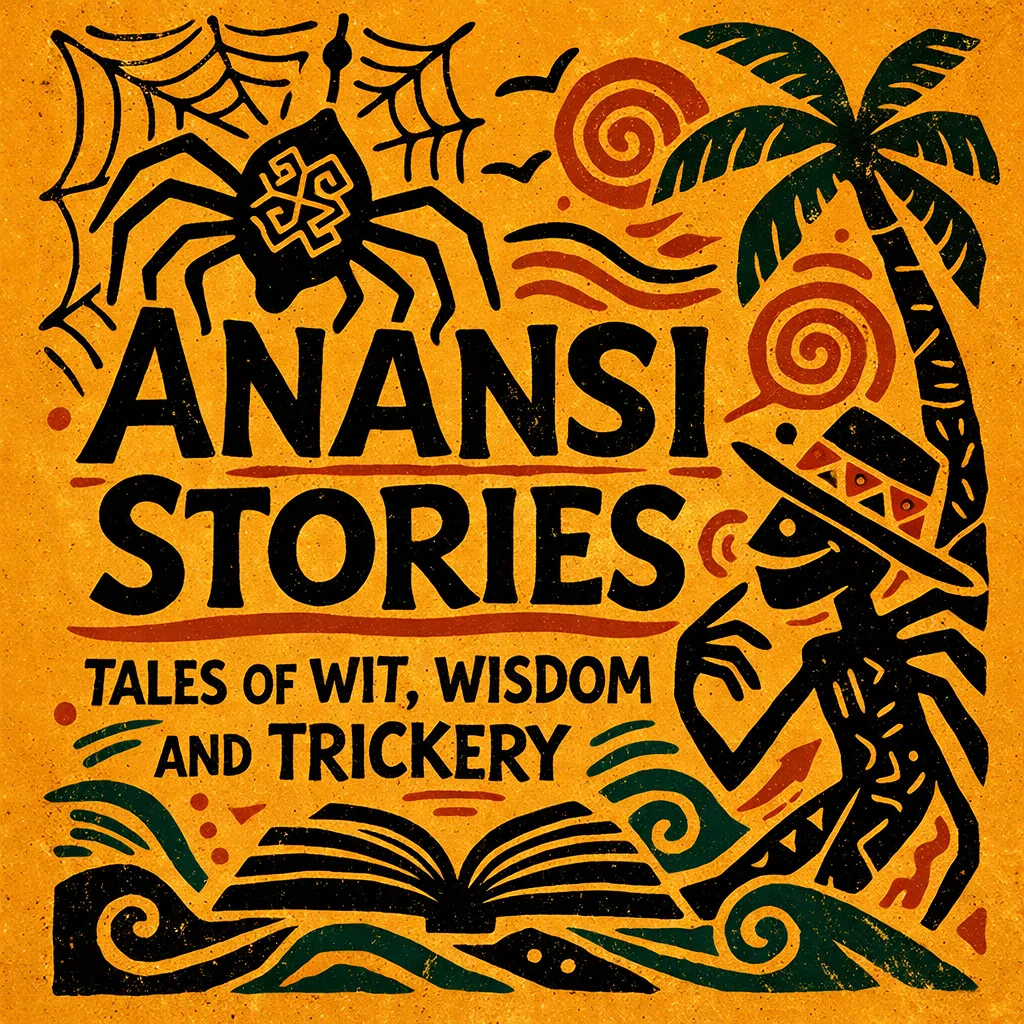
Anansi stories are a body of traditional folktales originating in West AfricanAfricans, in the context of Jamaica, real estate, and the broader world, represent individuals of African descent or tho... More oral storytelling traditions, particularly among the Akan peopleThe people of Jamaica embody a spirit that is at once richly diverse and unbreakably unified, as captured by the nationa... More of present-day Ghana, and later spreading throughout the CaribbeanThe Caribbean is a vast region made up of over 700 islands, islets, reefs, and cays. Some of the most well-known islands... More and the Americas during the transatlantic slave tradeThe Transatlantic Slave Trade was a historic period of extensive and brutal human trafficking that occurred between the ... More. The stories centre on Anansi, a clever and mischievous spider character who often uses wit, deception, and intelligence to overcome stronger or more powerful opponents. Through centuries of storytelling, Anansi became one of the most recognizable trickster figures in African and Caribbean folklore.
Anansi is typically portrayed as a spider, a man, or a hybrid of both. In many stories he outsmarts animals such as Tiger, Snake, or other creatures, using humour, cunning, and quick thinking rather than physical strength. Because of this, Anansi is widely interpreted as a symbol of survival, ingenuity, and resilience—qualities that resonated strongly among enslaved Africans who preserved and retold these stories in new lands.
In the Caribbean, particularly in JamaicaJamaica, with its vibrant culture and stunning landscapes, has a unique position in the global real estate market. The i... More, Anansi stories became an important part of cultural life. Known locally as “Anancy stories”, they were traditionally told aloud by elders during evenings, gatherings, or communityIn Jamaica, "community" refers to more than just a geographic area; it embodies a collective identity rooted in shared e... More storytelling sessions. The stories were often humorous but also carried moral lessons about greed, pride, foolishness, or the consequences of trickery. They served both as entertainment and as a way to pass down cultural values, language patterns, and historical memory.
Anansi stories also played an important role in preserving African cultural identity in the diasporaIn the context of Jamaica, real estate, and the broader global sphere, diaspora refers to the community of Jamaicans liv... More. Enslaved Africans carried the stories with them across the Atlantic, adapting them to new environments and blending them with local traditions. In Jamaica and other Caribbean societies, Anansi became embedded in folklore alongside other cultural expressions such as proverbs, riddles, and oral poetry.
A common theme in Anansi stories is the triumph of intelligence over brute force. The character frequently finds himself in trouble because of greed or pride, but manages to escape through clever schemes. In some tales he succeeds completely, while in others his tricks backfire and he learns a lesson. This balance between humour and morality is one reason the stories remain popular with both children and adults.
In JamaicanThe term "Jamaican" encompasses the citizens of Jamaica and their descendants in the Jamaican diaspora, representing a d... More storytelling tradition, Anansi is often depicted as playful, talkative, and opportunistic. He may attempt to trick characters such as Tiger, who is usually portrayed as stronger but less intelligent. Many of the stories end with a humorous twist, reinforcing the idea that wisdom and creativity can overcome difficult circumstances.
Today, Anansi stories remain a significant part of Caribbean cultural heritageHeritage, in the context of Jamaica, real estate, and the rest of the world, refers to the tangible and intangible asset... More. They are studied in literature and folklore, included in school curricula, and adapted into books, theatre, and modern media. Scholars often examine the stories as examples of trickster folklore, a category of narratives found in many cultures around the world that feature clever characters who challenge authority or social norms.
Beyond their entertainment value, Anansi stories continue to be appreciated as symbols of cultural resilience, representing how African traditions survived and evolved in the Caribbean through oral storytelling and communal memory.

Discover more from Jamaica Homes
Subscribe to get the latest posts sent to your email.