


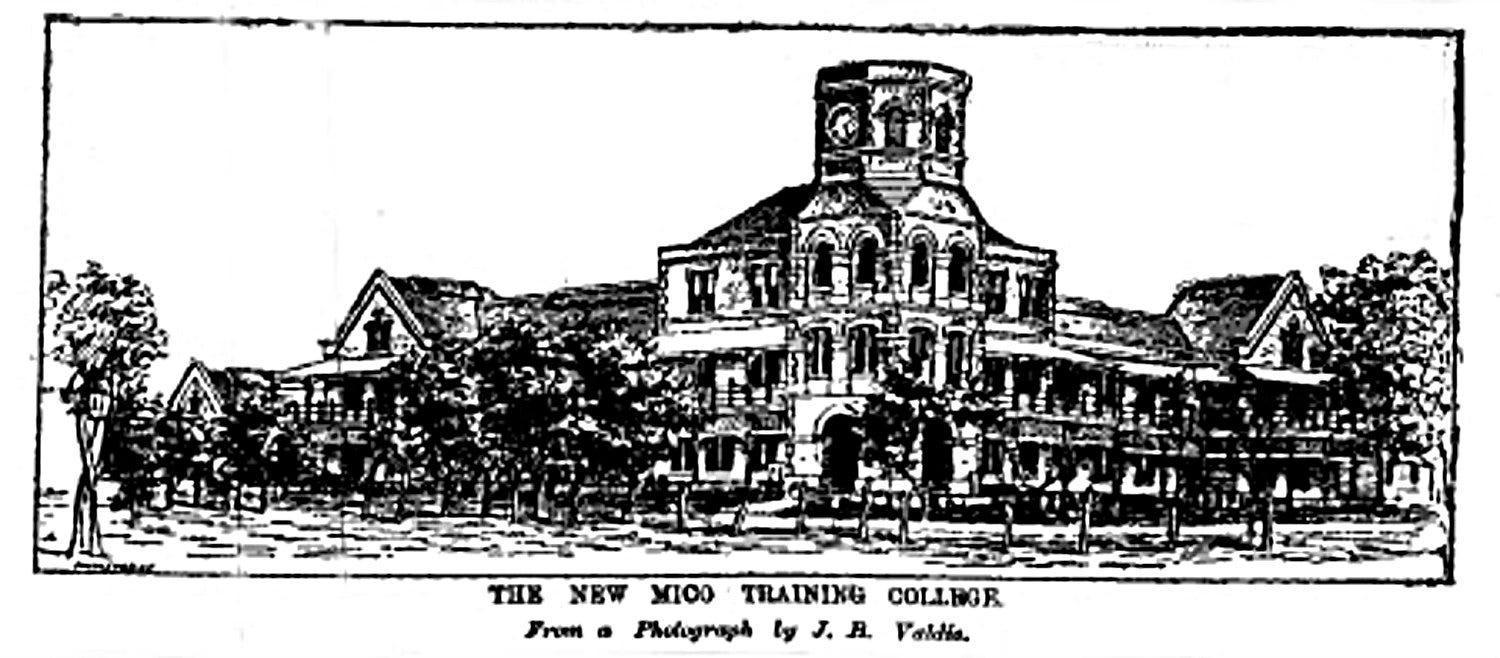
Founded through a 1690 bequest from Lady Mico, Mico College evolved into one of the leading institutions for teacher education in the Caribbean, particularly after Thomas Fowell Buxton repurposed the funds for Negro education in 1834. Over the years, the college has made significant contributions to the community, shaping both the social and educational landscape.
Buxton House
Originally constructed in the 1890s, Buxton House was rebuilt in 1911 after the 1907 earthquake and a 1910 fire. The new structure was simplified, retaining a bell tower donated by Buxton. Today, it remains a central administrative and academic hub for the college.
Kelvin Lodge & Cottage
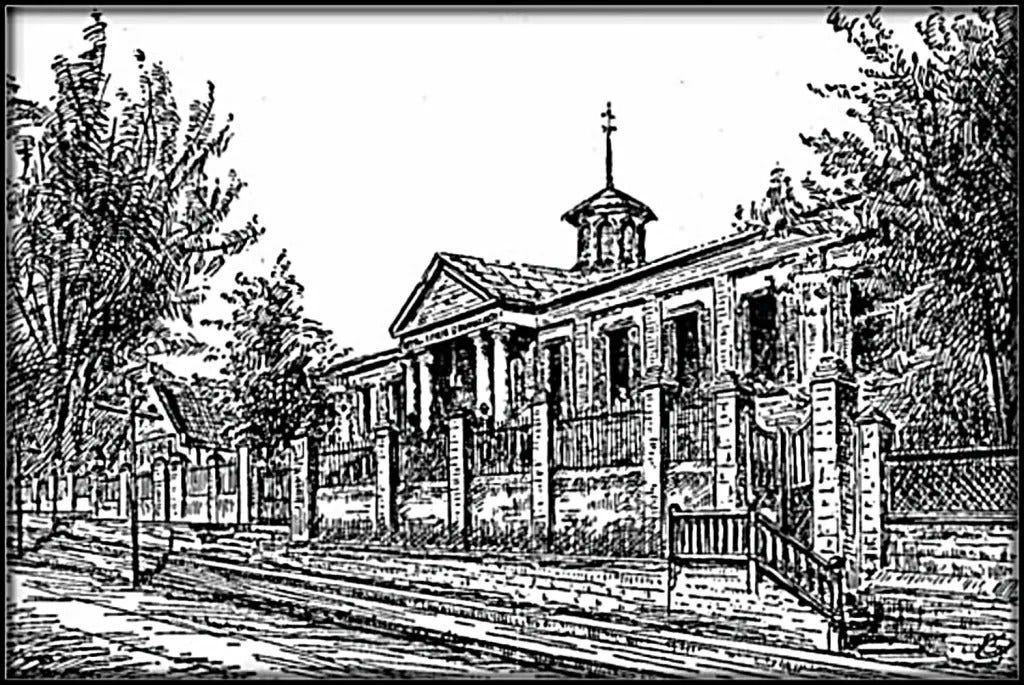
Kelvin Lodge & Cottage are fine examples of Jamaican Georgian architecture (1760-1830), featuring classical proportions, sash windows, and wooden floors. These early 20th-century buildings are inspired by the former Hibbert House, now called Headquarters House, and showcase a seamless blend of brick and woodwork.
Porter’s Lodge
Built from red brick and mortar, the Porter’s Lodge follows the principles of Georgian architecture, offering a welcoming entry point to the college grounds.
The Chapel
Constructed in 1936, the Chapel was designed to complement the college’s historic Georgian buildings while providing a space for spiritual reflection. Its construction marks the continued growth and modernization of the institution.
Cultural and Educational Impact
The buildings at Mico College represent more than just architectural heritage; they symbolize the college’s role in shaping Jamaica’s educational history. From the historic Buxton House to the Chapel, these structures stand as lasting testaments to the institution’s growth and enduring legacy in education.