


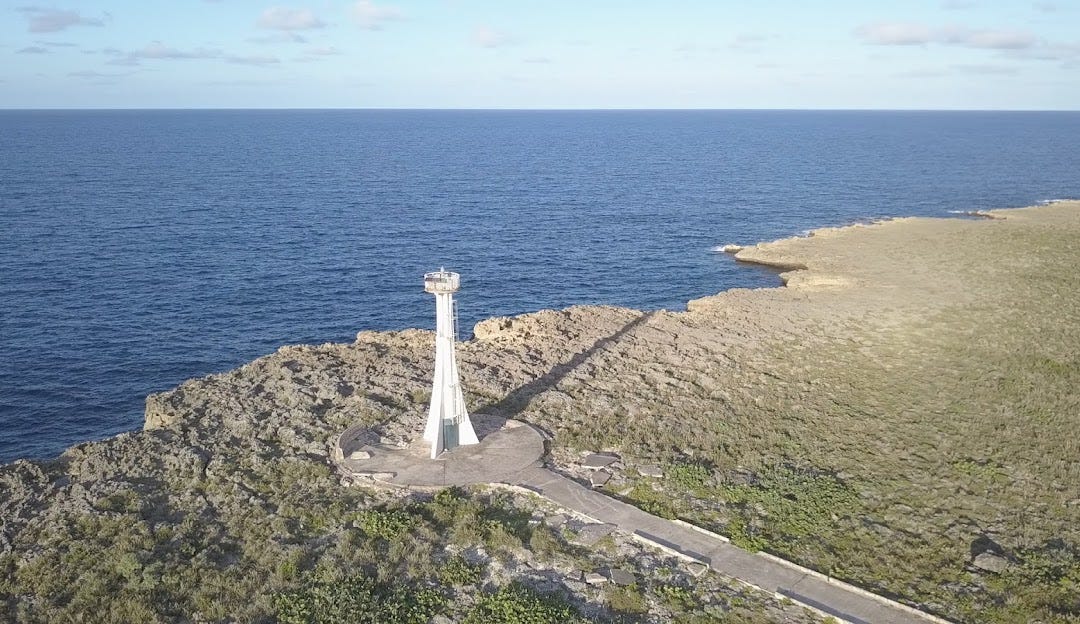
Nestled along the northeastern coast of Jamaica, in the parish of St. Mary, lies the quaint town of Galina. Known for its serene environment, lush landscapes, and vibrant community, Galina is a hidden gem with a rich history that reflects the broader narrative of Jamaica’s evolution. This article delves deep into the history of Galina, exploring its origins, development, livelihoods, notable figures, initiatives, housing, and everyday life. Join us on a journey through time as we uncover the essence of Galina from its beginnings to the present day.
Early History and Origins
Galina’s history is deeply intertwined with the broader history of Jamaica, which began with the arrival of the Arawak (Taino) people, the island’s original inhabitants. These indigenous people thrived in Jamaica long before the arrival of European explorers, living off the land through farming, fishing, and hunting. They left behind a legacy of pottery, tools, and other artifacts that give us insight into their peaceful and resourceful way of life.
The Arrival of Europeans
The first European to set foot in Jamaica was Christopher Columbus, who arrived in 1494. However, it wasn’t until the early 16th century that the Spanish began to establish settlements on the island. The Spanish colonization period was marked by the exploitation and near extinction of the indigenous Arawak population due to diseases, harsh labor conditions, and violence.
In 1655, the British captured Jamaica from the Spanish, marking the beginning of British colonial rule. Under British control, Jamaica’s economy became heavily reliant on sugar cane plantations, which were worked by African slaves brought to the island through the transatlantic slave trade. The fertile lands of St. Mary, including Galina, were ideal for sugar cultivation, leading to the establishment of numerous plantations in the region.
The Plantation Era
During the plantation era, Galina and the surrounding areas in St. Mary were dominated by large sugar estates. The economy was centered around the production of sugar, molasses, and rum, which were exported to Europe and North America. The harsh realities of plantation life for enslaved Africans included grueling labor, poor living conditions, and severe punishment.
Despite these conditions, the enslaved population resisted in various ways, including revolts, sabotage, and the establishment of Maroon communities. The Maroons were runaway slaves who formed independent settlements in the interior of Jamaica. They played a significant role in the island’s history, engaging in guerrilla warfare against the British and negotiating treaties that granted them autonomy.
Emancipation and Post-Slavery Era
The abolition of slavery in 1834 marked a significant turning point in Jamaica’s history. The freed slaves, known as “apprentices,” continued to work on the plantations for a transitional period until full emancipation in 1838. Many of the newly emancipated individuals left the plantations in search of better opportunities, leading to the establishment of free villages across Jamaica.
In Galina, the post-slavery era saw a shift from large-scale plantation agriculture to small-scale farming and other forms of livelihood. Former slaves acquired plots of land where they cultivated crops such as bananas, coconuts, and pimento. Fishing also became a vital part of the local economy, with the abundant coastal waters providing a steady source of income and food.
The Rise of Banana Cultivation
In the late 19th and early 20th centuries, banana cultivation emerged as a significant industry in St. Mary, including Galina. The fertile soil and favorable climate made the region ideal for growing bananas, which became a major export crop. The development of the banana industry brought economic growth and improved infrastructure to the area.
Banana companies, including the United Fruit Company, established operations in St. Mary, building wharves, roads, and railways to transport the fruit. This period saw increased employment opportunities for the local population, although the industry was often characterized by labor disputes and challenging working conditions.
The Impact of Natural Disasters
Throughout its history, Galina has faced numerous natural disasters, including hurricanes and tropical storms. These events have caused significant damage to homes, crops, and infrastructure, challenging the resilience of the local community. Despite these setbacks, the people of Galina have consistently demonstrated their ability to rebuild and adapt.
One of the most devastating hurricanes to hit Jamaica was Hurricane Gilbert in 1988. The storm caused widespread destruction across the island, including in St. Mary. In Galina, homes were destroyed, crops were wiped out, and many residents were left without shelter or livelihoods. The recovery process was long and arduous, but the community’s spirit of solidarity and mutual support helped them overcome the challenges.
Notable Figures from Galina
Over the years, Galina has been home to several notable individuals who have made significant contributions to Jamaican society and beyond. These figures include educators, artists, politicians, and community leaders who have left a lasting impact on the region.
Louise Bennett-Coverley
One of the most celebrated cultural icons from Galina is Louise Bennett-Coverley, affectionately known as “Miss Lou.” Born in Kingston, she spent part of her life in St. Mary and is considered a pioneer in Jamaican literature and theatre. Miss Lou’s work in promoting and preserving Jamaican Patois and folklore has had a profound influence on the nation’s cultural identity. Her witty and humorous poetry and performances continue to resonate with audiences, both in Jamaica and internationally.
Harry Belafonte
While not born in Galina, the renowned singer, actor, and civil rights activist Harry Belafonte has strong familial ties to St. Mary. Belafonte’s music, particularly his popularization of Caribbean calypso music, has brought international attention to Jamaican culture. His commitment to social justice and humanitarian efforts has also left a lasting legacy, inspiring generations of activists.
Community Initiatives and Development
Galina has benefited from various community initiatives aimed at improving the quality of life for its residents. These initiatives often focus on education, healthcare, infrastructure, and economic development.
Educational Initiatives
Education has always been a priority for the people of Galina. Over the years, several schools have been established to provide quality education to the local population. These schools have produced numerous graduates who have gone on to excel in various fields.
Healthcare Improvements
Access to healthcare has been a significant focus of community initiatives in Galina. Efforts to improve healthcare facilities and services have led to better health outcomes for residents. Mobile clinics, health education programs, and the establishment of local health centers have all contributed to a healthier community.
Infrastructure Development
Infrastructure development has played a crucial role in Galina’s growth. Improved roads, bridges, and public transportation have enhanced connectivity and accessibility. These developments have facilitated economic growth by making it easier for residents to travel, trade, and access essential services.
Housing and Living Conditions
Housing in Galina has evolved significantly over the years. From the modest homes of the post-emancipation era to modern residences, the area has seen continuous improvement in living conditions.
Traditional Housing
In the past, homes in Galina were typically made from locally sourced materials such as wood, thatch, and bamboo. These traditional houses were often small and simple, reflecting the modest means of the inhabitants. Over time, as economic conditions improved, more durable materials like concrete and brick became common.
Modern Housing Developments
Today, Galina features a mix of traditional and modern housing. New residential developments offer a range of housing options, from single-family homes to apartment complexes. These modern homes are equipped with amenities that enhance the quality of life for residents, such as running water, electricity, and internet access.
Livelihoods and Economic Activities
The economy of Galina has diversified over the years, with residents engaging in various economic activities to sustain their livelihoods.
Agriculture
Agriculture remains a vital part of Galina’s economy. Small-scale farming is common, with residents growing crops such as bananas, coconuts, pimento, and yams. Livestock farming, including poultry and goat rearing, also contributes to the local economy.
Fishing
Fishing is another important livelihood in Galina. The coastal waters provide a rich source of fish and seafood, which are sold in local markets and consumed by the community. Fishing has not only been a source of income but also a way of life for many families.
Tourism
In recent years, tourism has become an increasingly significant economic activity in Galina. The area’s natural beauty, serene beaches, and cultural heritage attract visitors from around the world. Local guesthouses, resorts, and restaurants cater to tourists, providing employment opportunities and boosting the local economy.
Cultural and Social Life
The cultural and social life of Galina is vibrant and deeply rooted in Jamaican traditions. Festivals, music, and community gatherings play a central role in bringing people together and celebrating their shared heritage.
Festivals and Celebrations
Galina, like many other parts of Jamaica, celebrates various festivals and cultural events throughout the year. These include national holidays such as Independence Day and Emancipation Day, as well as local festivals that highlight the area’s unique culture.
Music and Dance
Music is an integral part of life in Galina. Reggae, dancehall, and folk music are popular genres that resonate with the community. Local musicians and performers often showcase their talents at community events and gatherings, keeping the cultural heritage alive.
Community Gatherings
Community gatherings, such as church services, market days, and sports events, are essential for fostering social bonds and maintaining a sense of unity. Churches play a significant role in the social fabric of Galina, providing spiritual guidance and a place for communal activities.
Challenges and Resilience
Despite its many strengths, Galina faces several challenges, including economic uncertainty, environmental threats, and social issues. However, the resilience of its people has always been a defining characteristic.
Economic Challenges
Economic challenges, such as limited job opportunities and income disparities, have been ongoing issues in Galina. Efforts to diversify the economy and create sustainable livelihoods are essential for addressing these challenges.
Environmental Threats
Environmental threats, including hurricanes and climate change, pose significant risks to Galina. Protecting the natural environment and building resilient infrastructure are crucial for mitigating these threats and ensuring the community’s long-term sustainability.
Social Issues
Social issues, such as access to education, healthcare, and social services, continue to impact the quality of life in Galina. Community initiatives and government support are vital for addressing these issues and improving overall well-being.
Looking to the Future
The future of Galina holds promise and potential. Continued efforts to improve infrastructure, diversify the economy, and preserve cultural heritage will be key to the community’s growth and prosperity.
Sustainable Development
Sustainable development practices are essential for ensuring that Galina’s growth benefits both current and future generations. This includes promoting eco-friendly tourism, supporting local agriculture, and investing in renewable energy sources.
Education and Empowerment
Education and empowerment are critical for fostering a knowledgeable and skilled population. Providing access to quality education and vocational training will enable residents to pursue various career opportunities and contribute to the community’s development.
Community Engagement
Community engagement and participation are vital for building a strong and cohesive society. Encouraging residents to take an active role in local initiatives and decision-making processes will strengthen the sense of ownership and pride in Galina.
Conclusion
The history of Galina is a rich tapestry of resilience, adaptation, and community spirit. From its early days as a plantation hub to its modern identity as a vibrant and diverse community, Galina has evolved while maintaining its unique charm and heritage. The stories of its people, the livelihoods they sustain, and the cultural traditions they uphold are a testament to the strength and spirit of this remarkable town.
As Galina looks to the future, continued efforts to promote sustainable development, improve living conditions, and empower the community will be essential for ensuring its prosperity. The journey of Galina is a reflection of the broader Jamaican narrative—one of enduring resilience, cultural richness, and a steadfast commitment to progress.