

What percentage of the year does Jamaica spend under typical storms, and how has this impacted its history and preparedness?

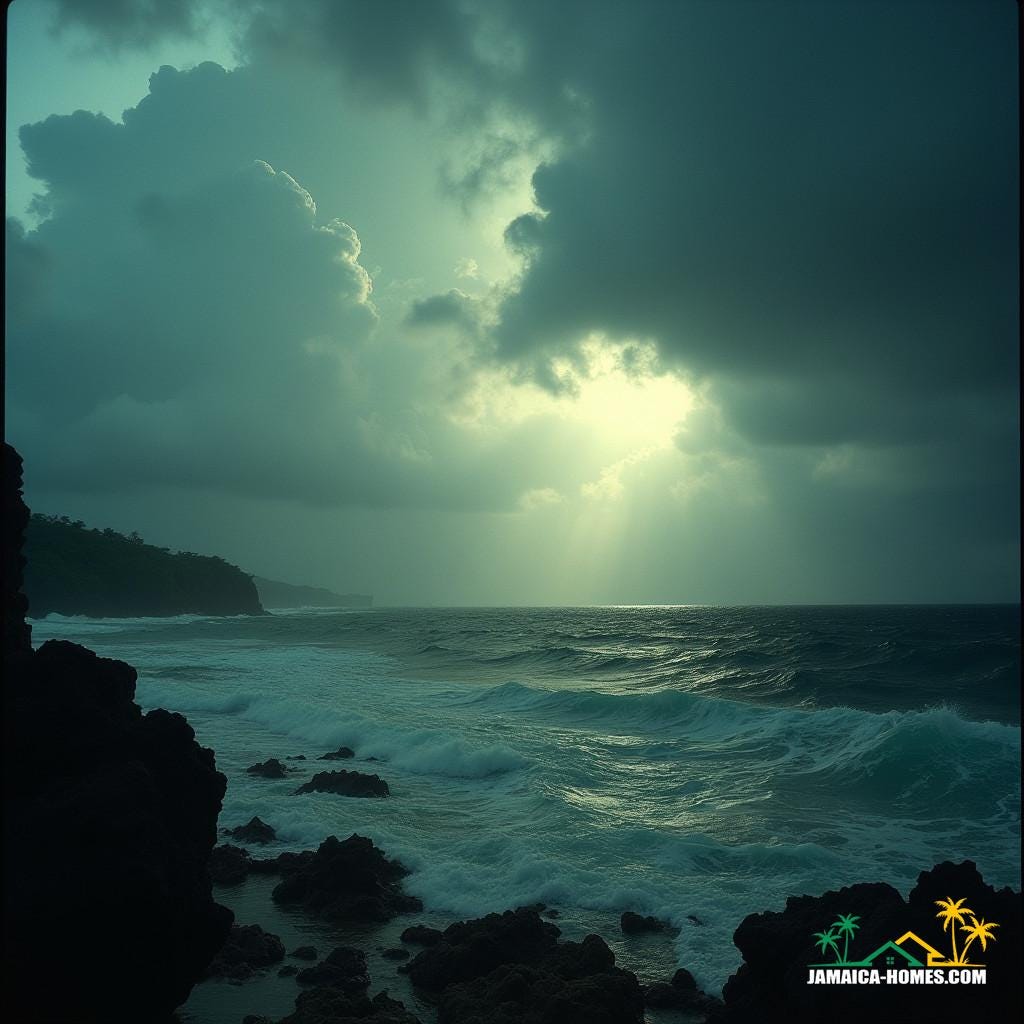
Jamaica’s storm history reveals that tropical storms and hurricanes have long been a significant part of the island’s natural environment, shaping both its landscapes and communities. The Atlantic hurricane season, which spans from June 1 to November 30, has posed annual risks to the region for centuries, with the peak of storm activity traditionally occurring between August and October. This period, representing approximately 50% of the year, marks the months when Jamaica is most vulnerable to storms, although actual storm days are only a portion of this time.
Historical Context
Historically, hurricanes have left a lasting impact on Jamaica’s culture, infrastructure, and development. Some of the most notable storms in recent history include:
The Great Hurricane of 1780: Known as the deadliest hurricane in recorded history, it devastated parts of the Caribbean, including Jamaica. This hurricane caused widespread destruction and highlighted the need for storm-resistant building practices.
Hurricane Charlie (1951): A particularly destructive storm, Hurricane Charlie led to significant advancements in storm preparedness and building codes across Jamaica, as it damaged thousands of homes and affected many lives.
Hurricane Gilbert (1988): One of the most severe storms in modern Jamaican history, Gilbert caused extensive damage across the island, disrupting infrastructure, agriculture, and housing. This hurricane raised awareness of the need for resilient infrastructure and comprehensive disaster planning.
Hurricane Ivan (2004) and Hurricane Dean (2007): These storms caused severe flooding, landslides, and infrastructure damage, highlighting Jamaica’s vulnerability to intense rain and winds associated with hurricanes. They led to continued improvements in Jamaica’s emergency management and community awareness initiatives.
Seasonal Impact on Jamaica
Over time, the 6-month season of potential storms each year has shaped local policies and practices, including land use planning, building codes, and disaster preparedness efforts. In response to the frequency of storms, Jamaica has implemented stricter construction standards to better protect buildings from strong winds and heavy rains, particularly in vulnerable coastal and flood-prone areas.
Community and Cultural Adaptations
Culturally, Jamaica’s storm season has influenced local customs and community practices. Many Jamaican communities have developed traditional knowledge and practices for storm preparedness, such as stocking supplies, securing homes, and creating community-based support systems. These practices help residents weather storms with resilience and contribute to a culture of preparedness.
While 50% of the year is spent in this period of heightened tropical activity, not every day experiences storm conditions. However, Jamaica’s long history with tropical storms has deeply influenced the nation’s infrastructure, policy decisions, and cultural resilience, making storm preparedness a vital part of life on the island.