


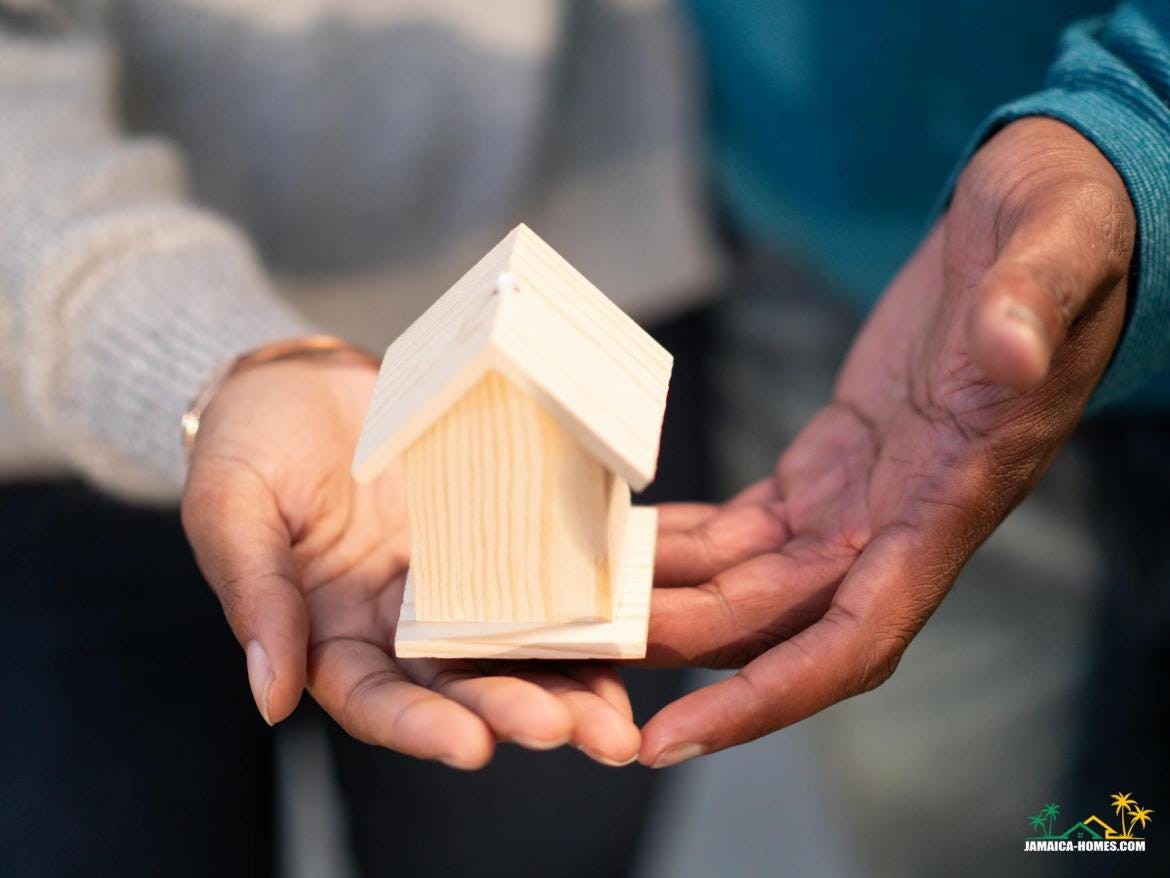
Negative equity is like having a heavy anchor tied to your house—it’s worth less than what you owe. For example, if you bought a house for J$15 million, owe J$18 million, and now it’s valued at J$13 million, you’re in the red by J$5 million. You’re essentially underwater—but don’t panic! There are ways to sail to safer shores.
Jamaica faced a wave of negative equity after the housing crash in the early 2000s, and while the market has rebounded since then, it’s still a situation that many homeowners encounter. If you’re stuck in negative equity, here’s how you can break free:
1. Pay Down the Mortgage (The Old-Fashioned Way)
If you’ve got a little stash of savings lying around, you can reduce your mortgage balance and make the property worth more than what you owe. It’s like getting rid of that anchor—suddenly, you’re afloat again. If that’s too much of a stretch, think of it as a way to buy your freedom from the clutches of negative equity.
2. Take Out a Loan to Cover the Shortfall (The Borrower’s Gambit)
Okay, this one comes with risks, but it’s a possible escape route. You could take a loan to cover the difference between your mortgage and your property’s value. Just be warned: loans like these are often not cheap, so it’s a bit like borrowing a jet ski to escape—fast, but can be costly.
3. Boost the Value of Your Property (Make It Shine)
Want to make your property worth more without waiting for the market to change? Invest in a few upgrades. Renovate the kitchen, fix the roof, or give the garden some love—anything that adds value can help reduce negative equity. It’s like giving your house a makeover to make it a more desirable catch!
4. Wait for the Market to Improve (Patience, Grasshopper)
Sometimes the best plan is to simply sit tight and let the market work its magic. Property values in Jamaica can fluctuate, and if you’ve got the luxury of time, waiting for a market rebound might be your easiest option. Just make sure you’re ready when the winds change.
5. Rent Out Your Property (Become a Landlord Extraordinaire)
Think of yourself as the landlord who becomes the hero in this story. Rent out your property while moving to a more affordable place, and use the rental income to save up for the day when you can pay down that mortgage. Pro tip: Just be aware that landlord mortgages tend to have higher rates, so keep a sharp eye on your finances. But hey, who doesn’t love a little extra cash flow?
If You Need to Sell: Talk to Your Lender
If the idea of waiting or renovating doesn’t sound appealing, and you’ve decided it’s time to sell, have a heart-to-heart with your lender. They might allow you to sell the property, especially if you’re facing foreclosure. Some lenders are willing to play nice, as long as you use an approved agent and provide evidence of the property’s market value.
Negative Equity Mortgage Products (A Risky But Creative Option)
There are mortgage products designed to carry your negative equity to a new home, allowing you to pay off the shortfall over time. However, these options are usually pricey and only available in specific situations—like if you’re relocating for a new job. It’s like swapping one anchor for another—but hey, at least you’re still afloat.
Negative equity doesn’t have to be the end of the road. With a bit of creativity and some savvy decision-making, you can steer clear of the storm and back into calm waters. Speak with a financial expert, real estate agent, or anyone who can give you that lifeline, and before you know it, you’ll be out of the negative and back in the positive!
Disclaimer: The information provided in this article is for general guidance and informational purposes only. It is not intended as legal, financial, or professional advice. We recommend consulting with a qualified real estate agent, mortgage advisor, or legal expert before making any decisions related to property, mortgages, or negative equity in Jamaica. Each situation is unique, and expert advice tailored to your circumstances is essential.