

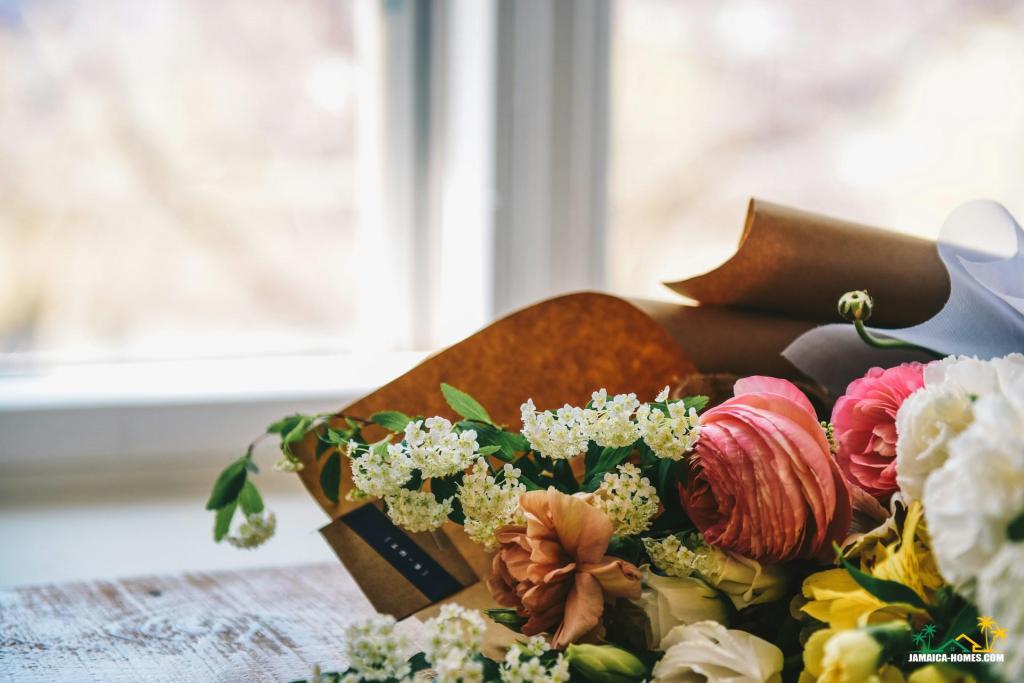
In JamaicaJamaica, with its vibrant culture and stunning landscapes, has a unique position in the global real estate market. The i..., the story of life doesn’t end with a final breath. It lingers—through hymns at dawn, through wailing prayers at dusk, and through the landIn real estate, land is a foundational element that significantly impacts the value and potential of a property. It enco... that bears the memory of those we loved. Funerals in Jamaica have always been more than rites; they are acts of culture, communityIn Jamaica, "community" refers to more than just a geographic area; it embodies a collective identity rooted in shared e..., and yes—property.
From ancestral yardIn Jamaican Patois, the term "yard" carries a special significance beyond its literal meaning of a plot of land. Traditi... burials in rural districts to cemetery plots now sold in structured developments, the funeral landscape in Jamaica has shifted over the past century. And with it, so too has our relationship with land, legacyLegacy, in the context of Jamaica, real estate, and the broader world, represents the enduring impact of past actions, a..., and real estateReal estate refers to property consisting of land and the structures on it, such as buildings and homes. It also include.... Today, the intersection of mourning, memory, and ownership is more visible than ever.
This article explores how JamaicanThe term "Jamaican" encompasses the citizens of Jamaica and their descendants in the Jamaican diaspora, representing a d... funeral services have evolved—from pre-emancipation practices to modern-day chapelA chapel is a smaller, more intimate place of worship compared to a church, often situated within larger buildings or in... services—while subtly acknowledging how burial space, cemetery developments, and long-term propertyProperty encompasses a wide range of tangible assets that individuals or entities can own, utilize, or invest in, includ... planningPlanning in Jamaica involves managing land, resources, and infrastructure to support economic growth, social development... now play a role in how we grieve.
Chapter 1: Before the Parlours—Burial Traditions in Enslaved Jamaica
In the 18th and early 19th centuries, enslaved Africans in Jamaica carried with them spiritual philosophies from the AfricanAfricans, in the context of Jamaica, real estate, and the broader world, represent individuals of African descent or tho... continent. Death, in these traditions, was not an end but a transition—a crossing into ancestral realms.
Without access to formal funeral services or land ownershipLand ownership is the legal right to possess, use, and control a piece of land, often including any structures or resour..., enslaved communities created sacred spaces on the margins:
- Graves dug in forest clearings, beside rivers, or near the cane fields,
- Ceremonies held under moonlight, with drumming, libation, and wailing,
- Community-led rituals, where burial was an act of defiance and remembrance.
These practices were spiritually rich but land-poor. In the absence of property rightsProperty rights grant the owner or right holder the freedom to use their property as they see fit. This encompasses a ra..., the connection between land and burial became an act of resistance. Land was claimed through memory—even if not by law.
Chapter 2: After Emancipation – Yard Burials and the Rise of the Nine-Night
After 1838, newly freed JamaicansJamaicans are a resilient and vibrant people with a deep-rooted history defined by courage, resistance, and cultural ric... began to claim more control over how and where they buried their dead. Yard burials became widespread, particularly in rural parishes like ManchesterManchester is a parish located in central Jamaica, known for its cooler climate and picturesque landscapes. Renowned for..., St. Elizabeth, and ClarendonClarendon is a parish situated in central Jamaica, known for its diverse landscape that includes fertile plains and roll.... The family plot became sacred.
A typical funeral might include:
- Nine-Night ceremonies held in the deceased’s yard,
- Graves dug by neighbours, with simple markers or wooden crosses,
- Mourning rites infused with Christian Psalms and African symbolism.
This was the birth of ancestral real estateIn Jamaican real estate, an estate refers to the total collection of assets and property owned by an individual, especia...—not held in titleA title is a crucial document that establishes legal ownership of a property. When a buyer agrees to purchase real estat..., but in trust. Family lands became multi-generational resting places, and with each burial, a stronger claim was made: “We are from here, and we shall remain here.”
To this day, many Jamaicans still honour their loved ones by maintaining yard graves—mown, flowered, and painted during holidays. In this way, the land holds both the living and the dead.
Chapter 3: 1950s–1970s – The Birth of the Funeral Industry
As urbanisation increased in the mid-20th century, so did the need for structured funeral services. In cities like KingstonKingston, the capital city of Jamaica, embodies a dynamic fusion of historical depth and contemporary vitality. Establis..., Spanish TownSpanish Town is a historic town located in St. Catherine Parish, Jamaica, and was once the island's capital during the S..., and Montego BayMontego Bay, often referred to as MoBay, is one of Jamaica's most popular tourist destinations, known for its stunning b..., families began turning to professional funeral parlours for assistance.
Emerging firms—such as Roman’s, Sam Isaacs, and HouseA house serves as a fundamental structure designed for residential living, providing shelter and a place for individuals... of Tranquility—introduced:
- Embalming,
- Hearses and limousines,
- Casket showrooms,
- Funeral directors to guide families through paperwork and burial logistics.
Parallel to this was the formalisation of public cemeteries like Dovecot, May PenMay Pen, located in the parish of Clarendon, Jamaica, has a rich history that dates back to the colonial era, originally..., and Meadowrest, offering:
- Titled plots,
- Perpetual maintenance agreements,
- Designated zoningIn Jamaica, zoning refers to the legal framework used to regulate land use and development within specific geographic ar... and layout,
- Secure, landscaped memorial spaces.
Here lies the beginning of funeral-related real estate—where land for burial was no longer just a family right, but a purchasable asset. Cemeteries became regulated, taxed, and maintained—introducing a commercial element to mourning.
Chapter 4: 1980s–2000s – Property, Prestige, and Planning
During this period, the funeral business flourished alongside Jamaica’s emerging middle class. With rising incomes came an increasing desire for:
- Prestigious send-offs,
- Imported caskets,
- Motorcades,
- Vaults and tombstones,
- Professionally landscaped gravesites.
Cemeteries expanded into real estate developments in their own right. They were no longer passive fields—they became structured memorial parks, with plots laid out like neighbourhoods.
Families began to:
- Pre-purchase burial plots,
- Buy adjacent lots for future generations,
- Insure funeral expenses,
- Consult funeral planners alongside lawyers and realtorsA REALTOR® is a person who helps others buy, sell, or rent homes and land. They are part of a big group called the Nati....
This was a cultural shift. Death became part of the estate planning conversation, particularly in families with landholdings, homes, or businesses. No longer was burial a reactive event—it was something thoughtfully planned, just like buying a house or writing a willIn Jamaica, a will is a legal document created by an individual to specify how their assets, including their belongings ....
Chapter 5: The Modern Day – Dignity, TechnologyTechnology, in its original definition, refers to the application of scientific knowledge for practical purposes, often ..., and Space
Today, funeral services in Jamaica offer a range of options that mirror the island’s diversity and complexity.
Modern services include:
- Livestream funerals for diasporaIn the context of Jamaica, real estate, and the broader global sphere, diaspora refers to the community of Jamaicans liv... family members,
- LED-lit caskets and themed memorials,
- Drone footage of the burial site,
- Cremation and ash-scattering at sea or in gardens,
- Memorial packages with videography and tribute books,
- Eco-burials and biodegradable urns.
These services take place in both private cemeteries—like Meadowrest and Dovecot—and newer, more exclusive locations that function much like real estate developments, complete with:
- LotIn Jamaican real estate parlance, the term "lot" refers to a parcel of land designated for residential, commercial, or a... numbers,
- Contracts,
- Deeds of interment,
- Perpetual care fees.
Meanwhile, real estate professionals increasingly find themselves involved in discussions with families not just about homes, but about legacy. Who inherits the house? What happens to the family land? Where should loved ones be buried? These conversations, though emotional, often involve titles, valuations, and intergenerational planning.
A Quiet but Significant Trend: The Rise of Burial Real Estate
Cemeteries today are planned with the same detail as gated communities. They include:
- Zoned burial areas,
- Chapel halls for services,
- Administrative offices,
- Designated parking and walkways,
- SecurityIn Jamaican real estate, security refers to assets pledged to back a loan or financial obligation. Typically, the proper... and long-term maintenance.
Just like residential land, burial plots can:
- Appreciate over time,
- Be inherited,
- Require legal documentation,
- Come with caveats and restrictions.
And for those who own large parcels of family land in the countryside, the question of where to bury loved ones now merges with conversations about land subdivision, fencing, resaleResale refers to the act of selling items or properties that have already been owned or used by someone else. This conce..., or preservation.
Conclusion: More Than Mourning—A Matter of Legacy
Jamaican funeral services today are richly layered. They are ceremonies of music and prayer. They are acts of cultural memory. But increasingly, they are also moments of legacy management—where property, inheritanceInheritance is the process by which property, money, or other valuable assets are passed down from one person to another..., and family land intertwine with goodbye.
As our cities grow and rural communities change, the question of where and how we bury our dead has become inseparable from the way we think about land. Whether it is:
- A family plot behind an ancestral home in St. AnnSt. Ann, Jamaica's largest parish, is located on the northern side of the island, bordered by St. Mary, Trelawny, St. Ca...,
- A purchased lot in a Montego Bay memorial park,
- A cremation service with ashes scattered on Blue Mountain Peak,
—these choices now reflect not only culture and belief, but ownership, planning, and the sacred bond between peopleThe people of Jamaica embody a spirit that is at once richly diverse and unbreakably unified, as captured by the nationa... and place.
So as we move forward, let us continue to honour our loved ones with not just flowers and songs—but also thoughtful choices that preserve their memory on the land they called home.


Join The Discussion