

Britain’s Housing Crisis Is Forcing a Radical Rethink of Elderly Care
As labour costs rise and populations age across the United Kingdom and the Caribbean, a modular housing project known as Y:Cube is attracting international attention for its low cost approach to resid

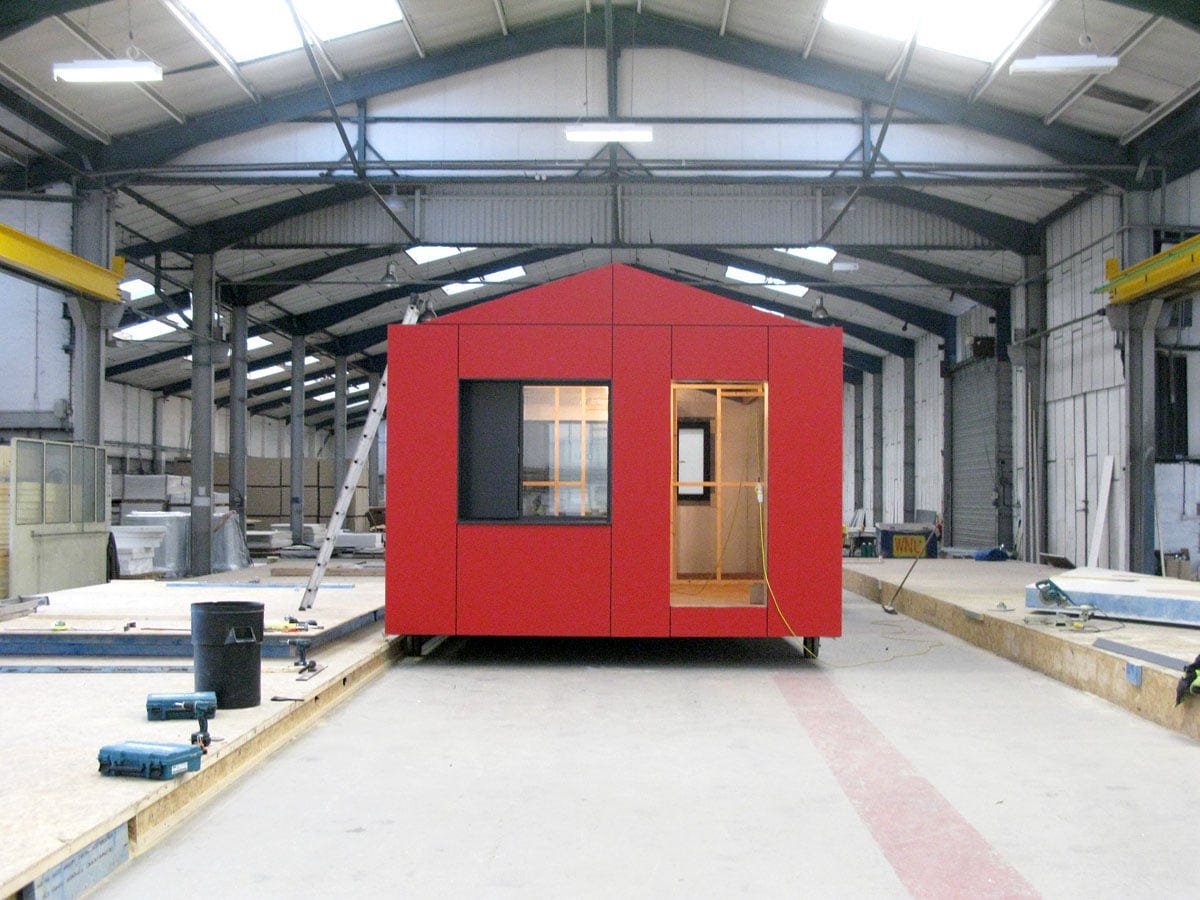
A quiet experiment taking shape in South London may offer a glimpse into the future of affordable housing and elderly care.
At a time when governments, charities, housing providers, and healthcare systems across the United Kingdom are struggling with rising care costs and severe housing pressure, a modular housing concept known as the Y:Cube is emerging as one of the more closely watched social housing innovations of 2015.
Developed through a collaboration between the YMCA and the architectural practice of Lord Richard Rogers, the Y:Cube seeks to answer a growing question confronting many developed nations:
How can societies provide dignified, affordable accommodation for vulnerable and ageing populations without creating unsustainable financial pressure?
The question is becoming increasingly urgent.
Britain’s Care Sector Faces Mounting Financial Pressure
The issue has gained renewed attention following confirmation that the United Kingdom will introduce a new National Living Wage from April 2016, increasing minimum pay for workers aged 25 and over to £7.20 per hour, with ambitions for it to rise further over time.
While widely welcomed as a step toward improving living standards, the policy has generated concern inside the care industry, where staffing costs already consume a significant portion of operational budgets.
Industry organisations have warned that the cumulative impact on residential care providers could reach billions of pounds over the coming years as operators struggle to balance wages, staffing needs, and rising demand from an ageing population.
The pressures are not unique to Britain.
Countries across the Caribbean, including Jamaica, are also beginning to face growing questions about elderly care, healthcare infrastructure, affordability, and housing support for ageing populations.
A Different Kind of Housing Model
The Y:Cube attempts to approach the problem from an entirely different direction.
Rather than relying on traditional large scale construction methods, the project uses factory manufactured modular units assembled off site before being transported and installed rapidly on location.
Each self contained unit measures approximately 26 square metres and includes a bedroom area, kitchen, bathroom, storage, and living space. Shared outdoor walkways and communal areas are intended to maintain social interaction and reduce isolation among residents.
The concept is designed not simply to reduce construction costs, but also to reduce build times and improve flexibility in areas where land and development pressures continue intensifying.
Supporters argue that modular systems like the Y:Cube could cut development costs significantly compared to traditional residential facilities while also improving energy efficiency and operational sustainability.
Why the Project Is Receiving International Attention
The first major Y:Cube development in Mitcham, South London, has already attracted considerable media attention during 2015, appearing in publications including BBC News, CNN, and The Guardian.
Housing experts, local authorities, and charities are watching closely because the model appears to address several modern urban challenges simultaneously:
Rising land costs. Housing shortages. Construction delays. Welfare pressures. Growing elderly populations. And increasing demand for affordable accommodation in major cities.
At the same time, the project reflects a broader global shift toward prefabricated and modular construction systems that many developers believe could become increasingly important over the next decade.
Lessons for Jamaica and the Caribbean
Although designed within a British context, the ideas behind the Y:Cube may also resonate within Caribbean housing discussions.
Across Jamaica, housing affordability continues challenging lower and middle income families, while healthcare and elderly support services remain under increasing pressure as life expectancy improves and family structures evolve.
Traditional residential care facilities often remain financially inaccessible for many ordinary Jamaicans. Meanwhile, urban land constraints and rising construction costs continue affecting housing delivery across sections of Kingston and other urban centres.
Modular housing systems could potentially offer alternative approaches not only for elderly care, but also for student accommodation, emergency housing, disaster recovery, returning residents, and affordable starter homes.
The portability and flexibility of volumetric construction may prove especially useful in small island states where land availability, infrastructure, and development costs frequently present challenges.
A Sign of a Changing Construction Industry
The Y:Cube also represents something larger than a single housing project.
It reflects a construction industry increasingly searching for faster, cheaper, and more adaptable methods of delivering housing in an era defined by affordability crises and demographic change.
For decades, prefabricated housing carried negative associations linked to temporary structures and poor quality design. Projects like the Y:Cube are attempting to challenge those assumptions by combining architectural credibility with social purpose and economic practicality.
Whether modular housing ultimately becomes mainstream remains uncertain.
But as governments and developers across the world confront rising housing pressure and ageing populations, the search for alternative models is likely to intensify.
And in that conversation, small projects like the Y:Cube may ultimately prove far more influential than their modest appearance initially suggests.
Editor’s Note: This article was updated in May 2026 to provide additional historical context, editorial clarity, and relevance for modern readers. Based on the Jamaica Homes editorial conversion brief.