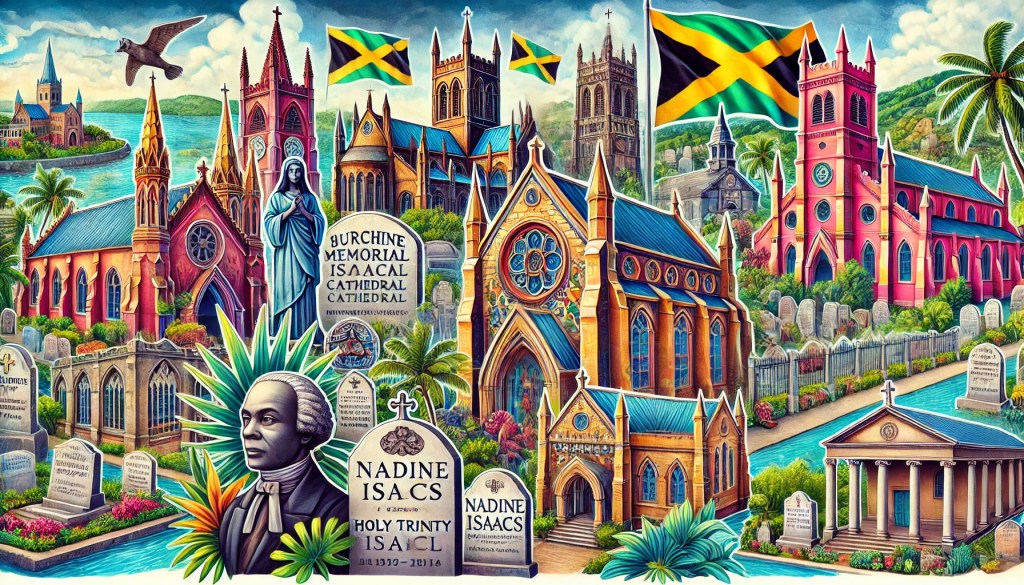
Jamaica’s historic churches and cemeteries are enduring symbols of the island’s cultural and architectural heritage. Architect Nadine Isaacs describes these structures as a unique fusion of Jamaica Georgian and Classic Gothic styles, combining Georgian symmetry with Gothic features like pointed arches and stained glass, resulting in distinctly Jamaican designs. Established mainly in the 17th century, early churches were predominantly Anglican, reflecting British colonial influence and serving the planter class while largely excluding enslaved Africans.
With emancipation came the rise of denominations like the Moravians, Baptists, and Methodists, which ministered to the spiritual needs of the freed population. Cemeteries, often adjacent to these churches, became resting places for both the elite and common people, featuring ornate tombstones and epitaphs that tell personal and historical tales. Today, these historic sites provide valuable insights into Jamaica’s colonial past, social structure, and architectural evolution. They remain important cultural landmarks, attracting historians, architects, and tourists while continuing to serve their communities as spaces of worship and remembrance.