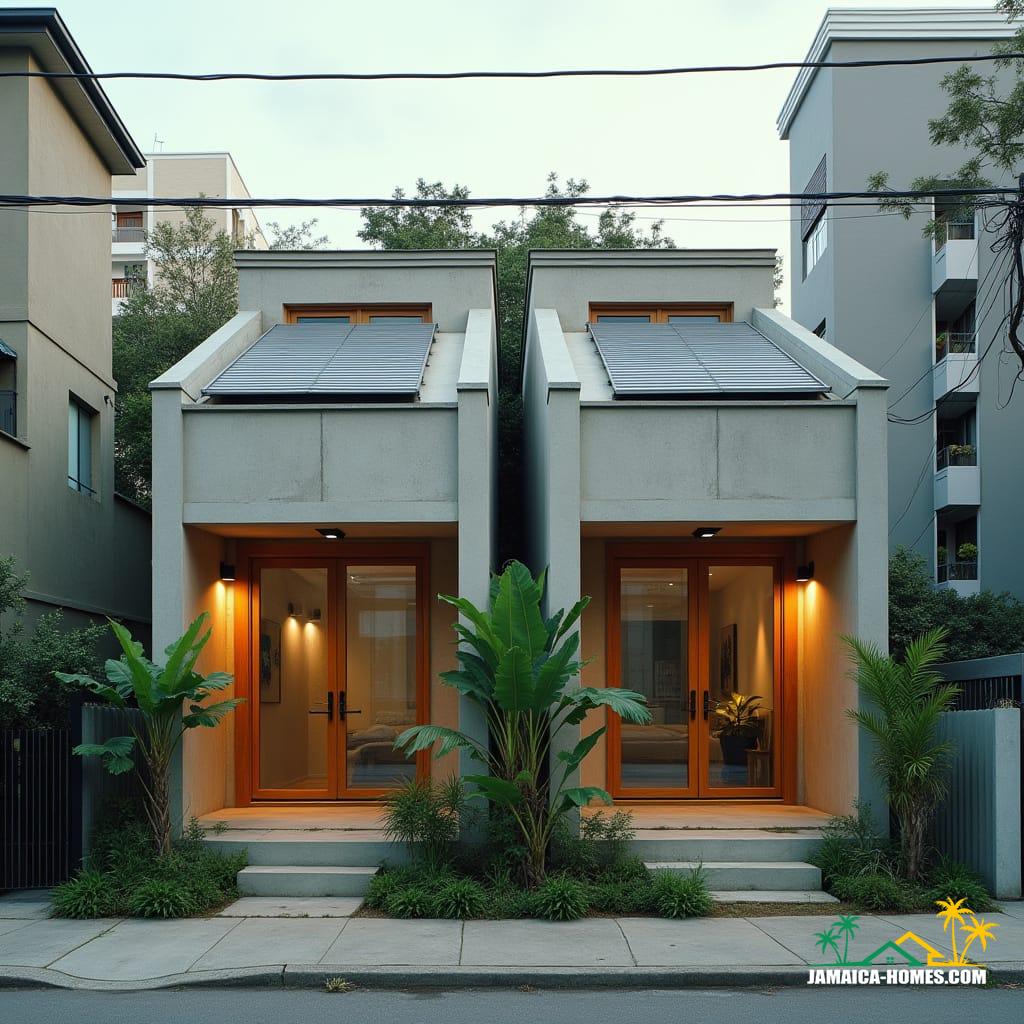
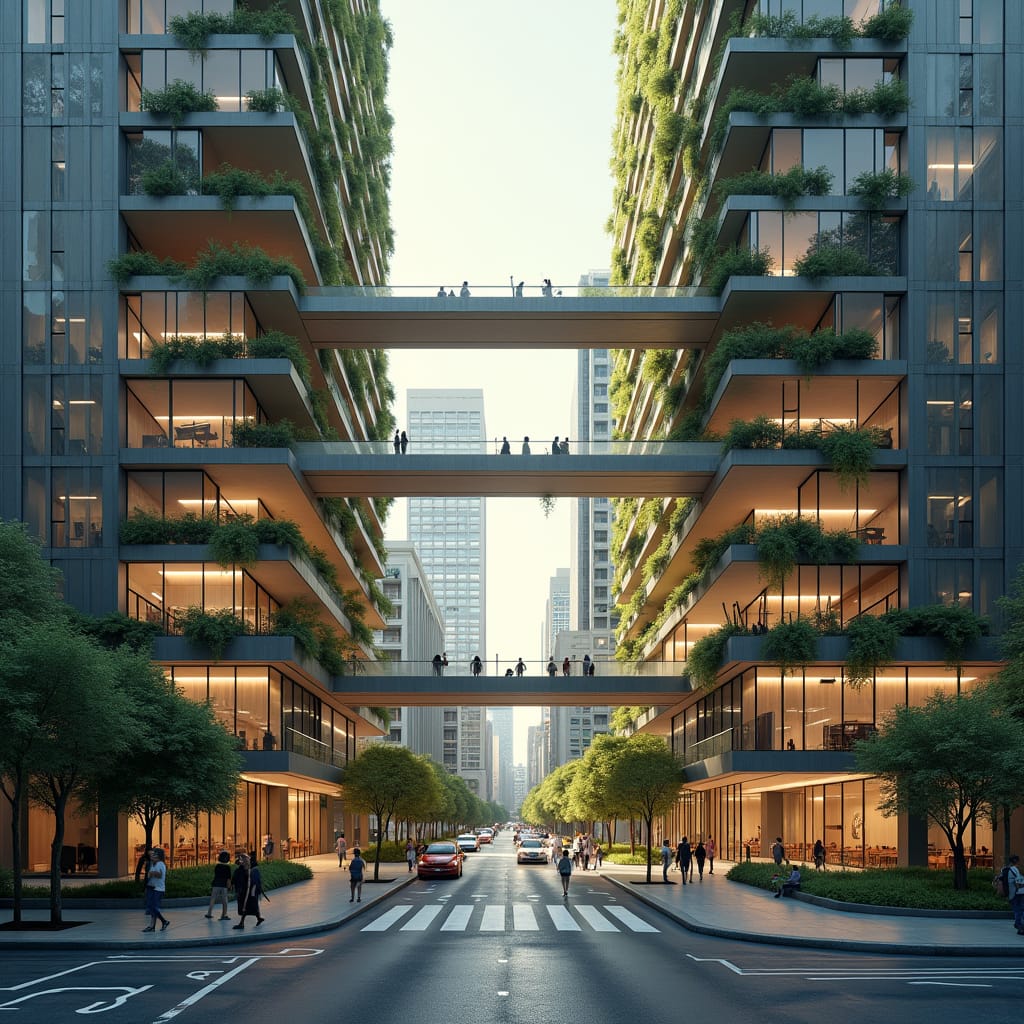
Jamaican architecture has always been a vibrant blend of influences, reflecting the island’s rich cultural heritage, colonial history, and unique environmental factors. As the world changes, so too is Jamaican architecture, evolving to meet the challenges of sustainability, technological advancement, and cultural preservation. The future of architecture in Jamaica promises a blend of modern innovations...
Design, Architecture & Construction
Support Jamaica Homes
Clear, independent information helps people make better decisions about buying property, living in Jamaica, and understanding the housing market. We value whatever you can spare, but a monthly contribution makes the biggest impact, helping us continue creating guides, insights, and resources for Jamaicans and the diaspora. Thank you.
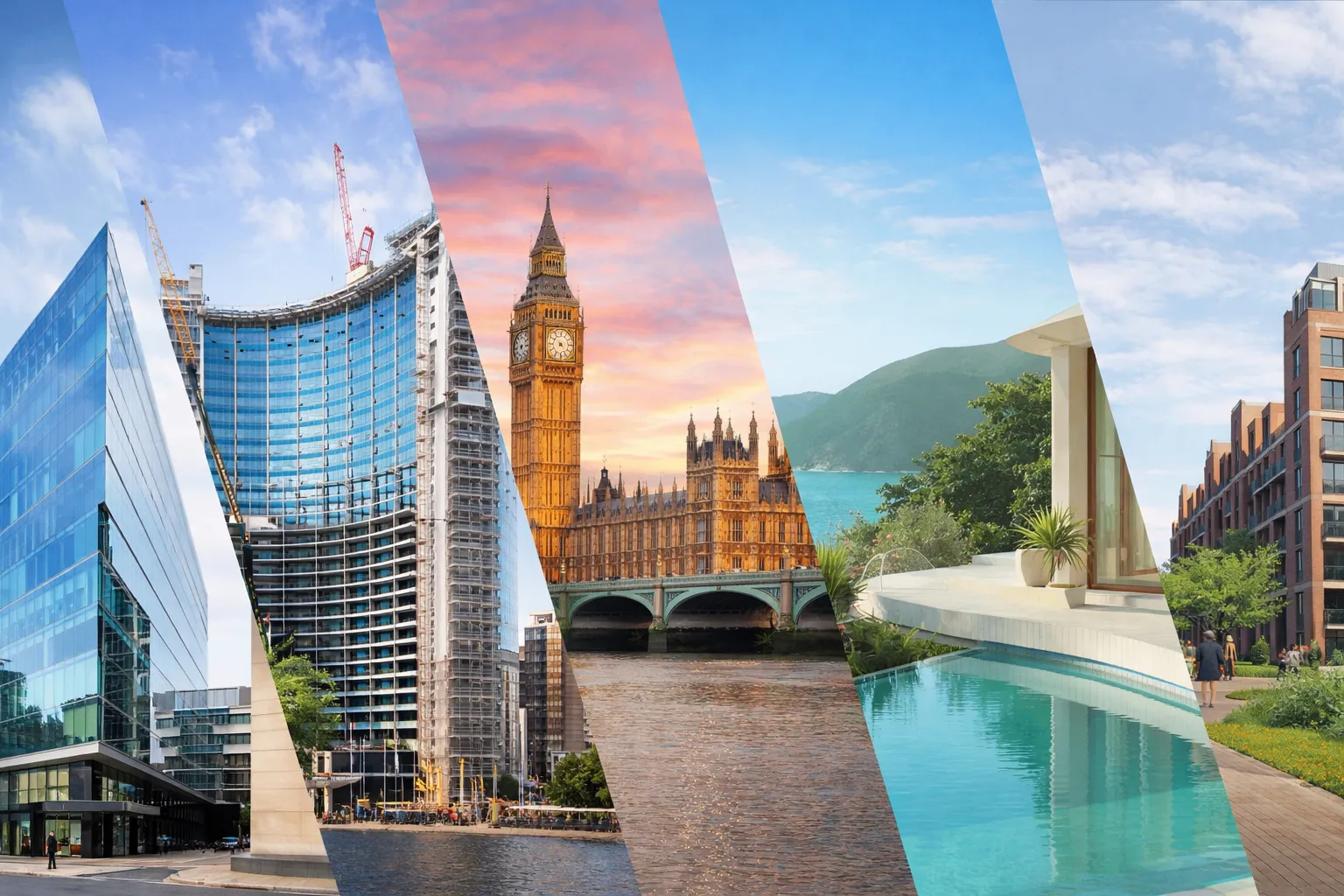
The built environment tells the story of a society. It reflects its ambitions, its politics, its economy, and ultimately the lives of the people who inhabit it. Over the course of my career, I have had the privilege of working on a number of major projects across the United Kingdom and internationally. Each one has offered a unique perspective on leadership, collaboration, and the complexity of delivering...
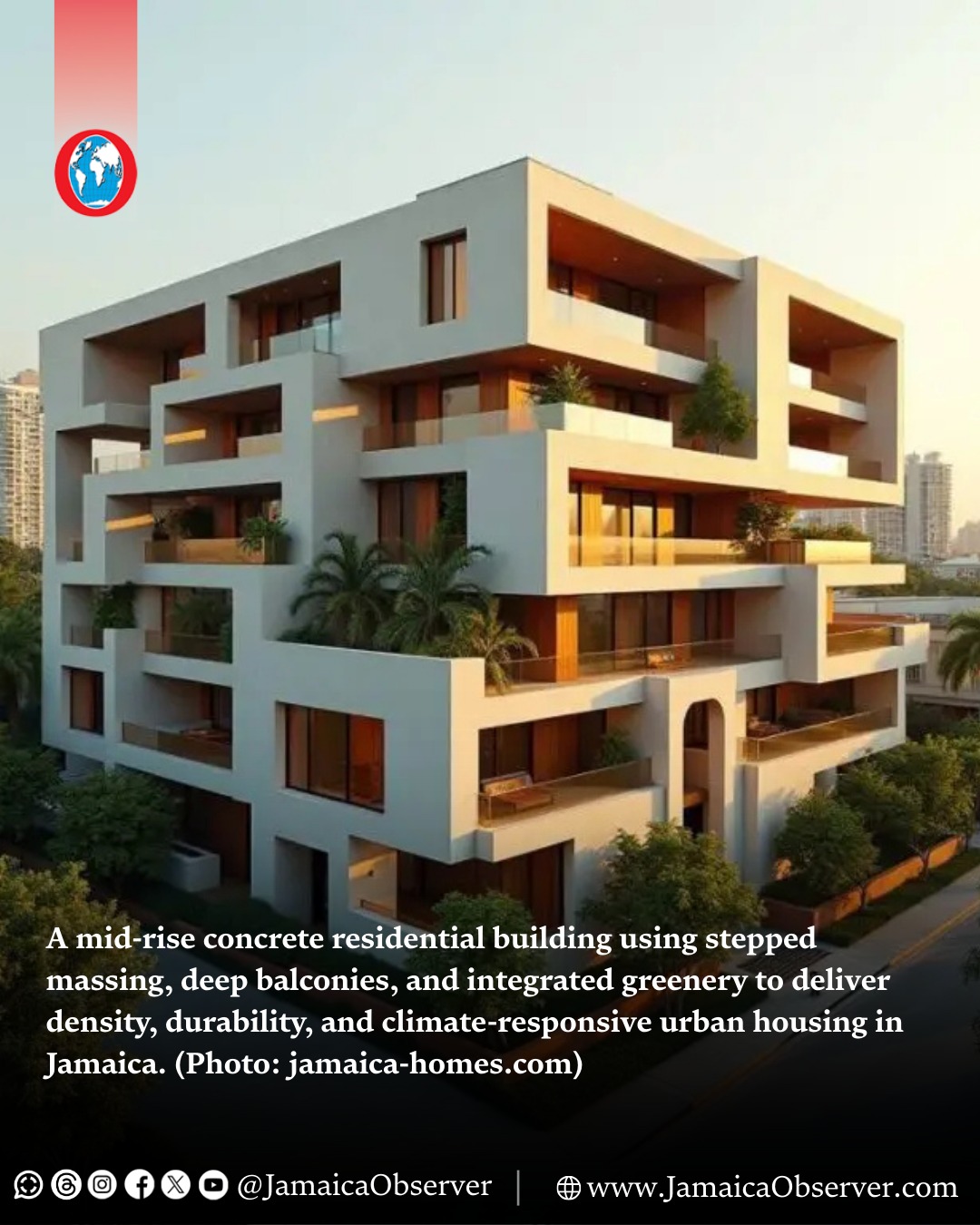
Yesterday, my article Vertical Living Reimagined was published in the Jamaica Observer. The response has been powerful — and that tells me something important: Jamaicans are ready to think differently about land, growth, and our future. But let me explain why I wrote it — and what I intentionally left between the lines. This Was Never About Height Too many conversations about vertical...
At some point, a house that once felt like a blessing can begin to feel… limiting. It’s not that you don’t appreciate it. It sheltered you. It held your milestones. It carried your family through seasons of growth and uncertainty. But something has shifted. Maybe the children have grown and need more privacy. Maybe your dining table now doubles as a workstation and the line between home and...
There is something quietly dramatic about a skyline in transition. Cranes pierce the blue Caribbean sky. Concrete cores rise floor by floor. What was once open horizon becomes geometry — vertical, deliberate, ambitious. Jamaica is not simply building; it is evolving. Across the Corporate Area, and increasingly in parishes once defined by low-rise sprawl, multi-storey residential buildings are...
In recent years, the idea of a “strong home” in Jamaica has taken on new meaning. It’s no longer enough to talk about square footage, finishes, or market value. Strength now has to account for weather patterns that are no longer predictable, rising construction costs, changing family structures, and a growing awareness that the way we build today shapes how safely — and comfortably — we live...
There is a particular kind of silence that comes after effort. Not the peaceful kind—but the hollow one. The kind that arrives when you’ve given your time, your ideas, your energy, your creativity, and yes, your money, only to realise the ground has quietly shifted beneath your feet. In Jamaican real estate, this moment often shows up in developments. You’re allocated a listing—or a full...
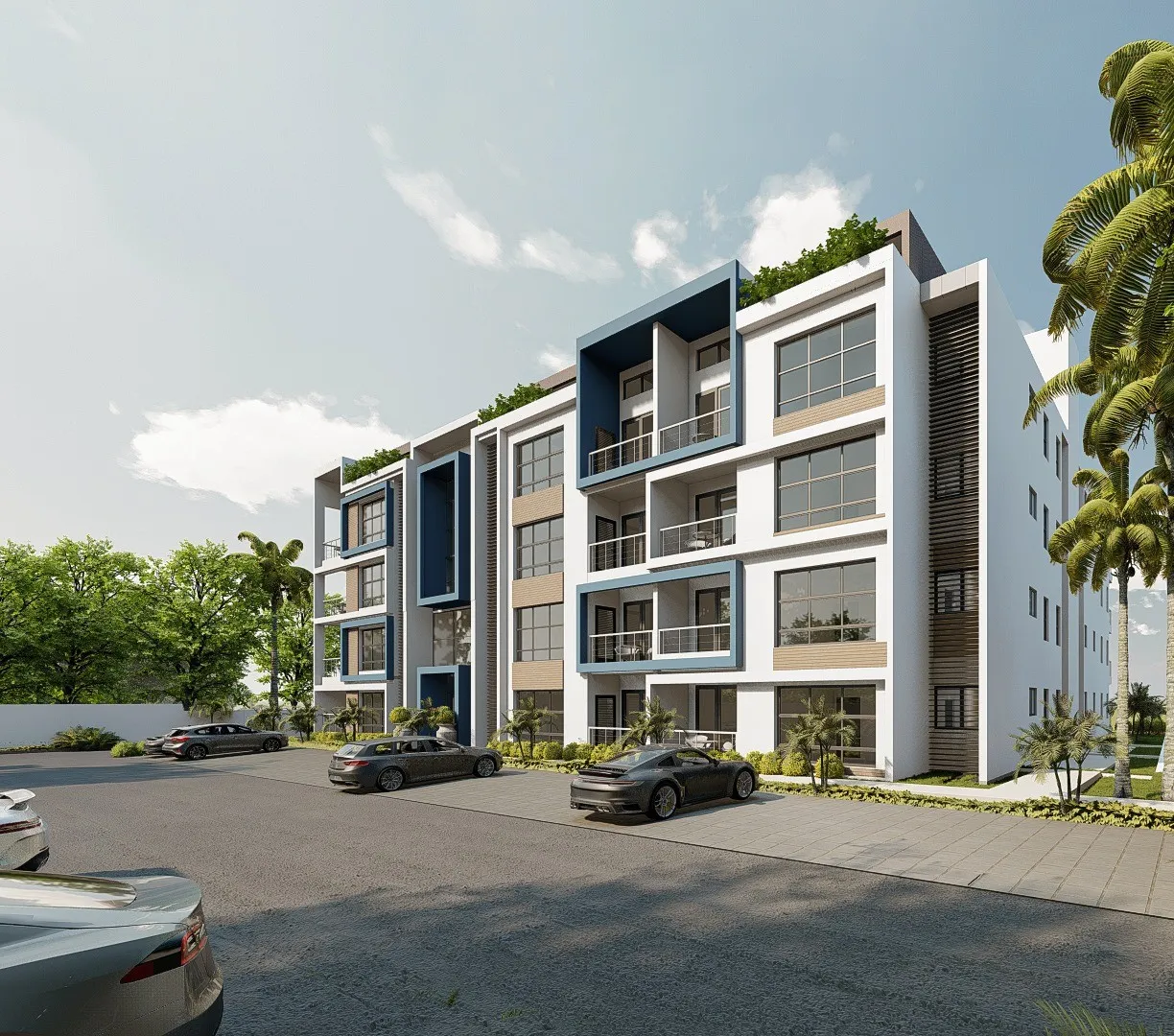
At first glance, Tropix Mammee Bay presents itself as a contemporary coastal apartment building that knows exactly what it wants to be — and, just as importantly, what it does not. It is not attempting the flamboyance of a resort, nor is it chasing the aggressively minimalist tropes of ultra-luxury architecture. Instead, it occupies a pragmatic middle ground: modern, composed, and commercially...
There is a particular rhythm to residential development in Jamaica. You see it when you pass a cleared parcel of land that was bush only months ago, now edged with kerbs and optimism. You hear it in the language of brochures and site hoardings — modern living, gated community, an opportunity. And you feel it most clearly in the confidence of developers who know the market is ready, demand is present,...
Editor’s Note (Journal) This article forms part of the Jamaica Homes Journal, where we examine housing, land, and development through a considered, long-form lens. Rather than reporting news, the Journal creates space for professional reflection, critique, and context — especially on issues that sit at the intersection of construction, planning, climate resilience, and real estate in...
There are places on earth where architecture is simply shelter.And then there are places — Jamaica among them — where architecture is defiance. Hurricane Melissa’s ferocity left behind the familiar image of Caribbean destruction: collapsed retaining walls, compromised roofs, undermined foundations, buckled roadways. For engineers, architects, and planners, these scenes are not merely tragic....
On this island, where the mountains run down into the sea and the breeze can change on you just like that, we’re at a serious crossroads. Jamaica is talking loudly about housing. About dignity. About affordability. And now, about whether container homes should be part of the answer. It’s a conversation we need to have properly. Not just in Parliament. Not just among consultants and committees....
IMPORTANT NOTE BEFORE YOU READ Everything shared here is based on general good practice, lived experience, and sound construction principles, but these are ideas—not prescriptions. They are not a replacement for the technical judgement of a licensed structural engineer who has assessed the specific property, location, soil conditions, wind exposure, and risks involved. Hurricane behaviour changes from...
There are places in the world where rebuilding is an event.In Jamaica, rebuilding is a condition. It happens after storms, after illness, after money runs out, after families change shape. It happens slowly, incrementally, often without ceremony. A roof is patched. A wall repainted. A window fixed not because it is time, but because it is necessary. Hurricane Melissa did what storms always do here:...
IMPORTANT DISCLAIMER — READ BEFORE USING THIS GUIDANCE HURRICANES ARE EXTREME, UNPREDICTABLE EVENTS. NO HOME IS HURRICANE-PROOF. EVEN THE STRONGEST, BEST-DESIGNED, AND CODE-COMPLIANT STRUCTURES CAN FAIL IF THEY ARE POORLY POSITIONED, STRUCK BY LARGE DEBRIS, EXPOSED TO STORM SURGE OR FLOODING, OR COMPROMISED BY A SINGLE WEAK SPOT OR OPENING. WIND DIRECTION, LOCAL TOPOGRAPHY, CONSTRUCTION QUALITY, AND...