


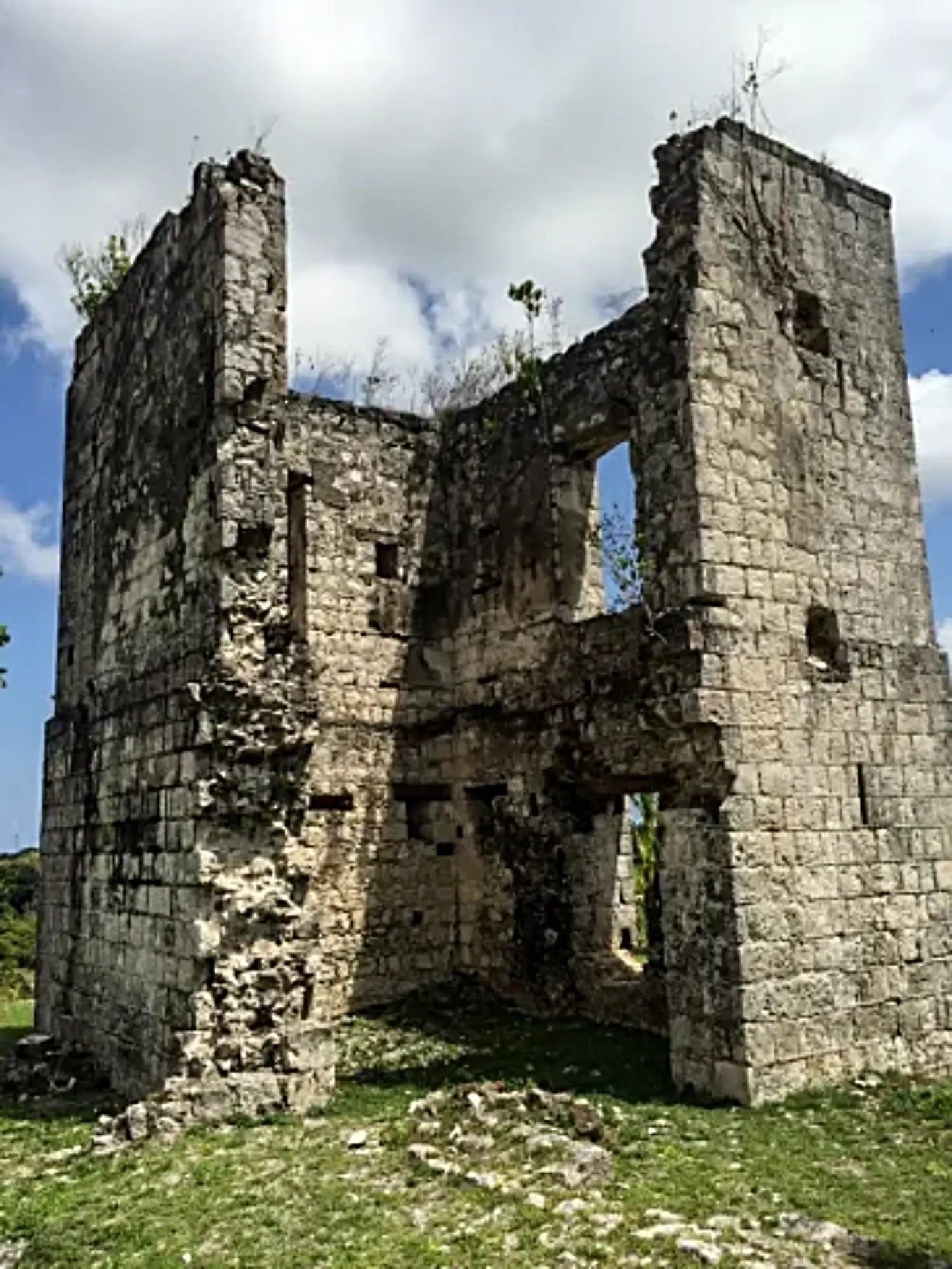
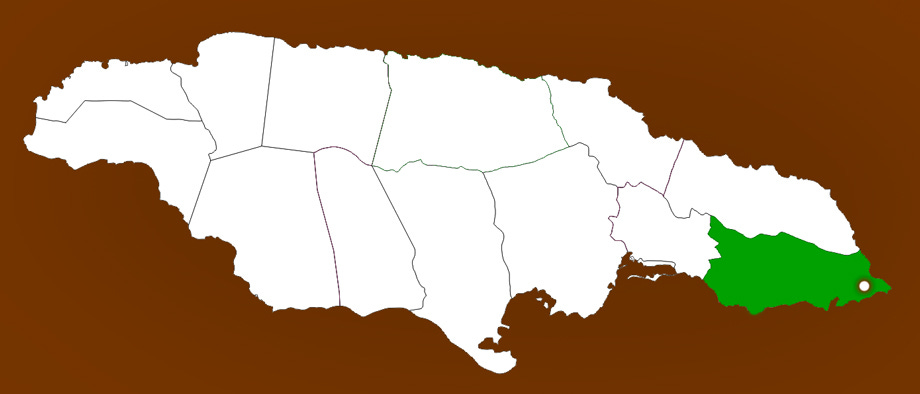
Stokes Hall Great House, located in the parish of St. Thomas, Jamaica, holds a significant place in the island’s history. Built by Luke Stokes, the former Governor of Nevis, the property is situated on fertile land along the Plantain Garden River and Negro River delta, an area known for its agricultural potential due to the periodic flooding by the rivers, much like the Nile River in Egypt. Stokes was among the first English settlers in Jamaica, arriving in 1656 after driving out the Spanish from the southeast corner of the island. Initially called Hato de Morante by the Spanish, the area was renamed Stokesfield by Luke Stokes. Along with over 1,600 settlers, he established one of the first prosperous sugar estates in Jamaica, making Stokes Hall a symbol of early English colonization. Unfortunately, the settlers faced harsh conditions, with many succumbing to malaria and yellow fever, brought by the mosquitoes from the fertile delta.
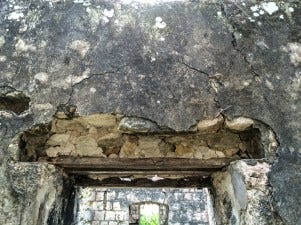
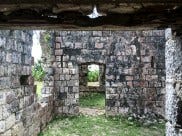
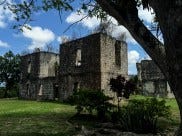
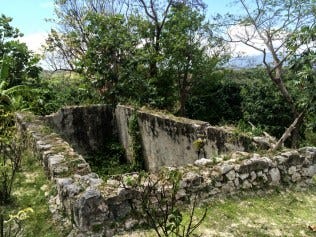
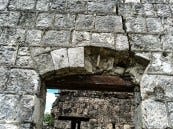
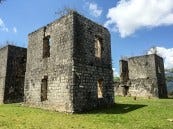
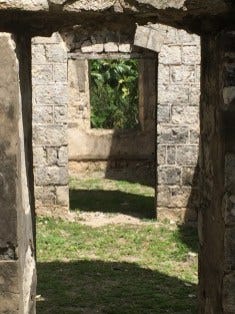
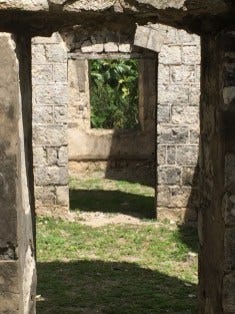
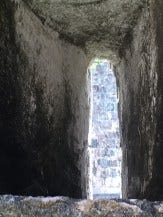
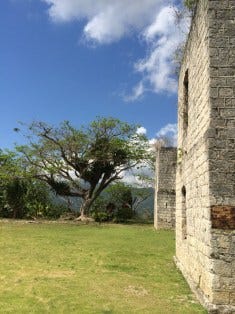
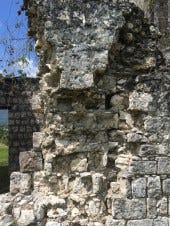
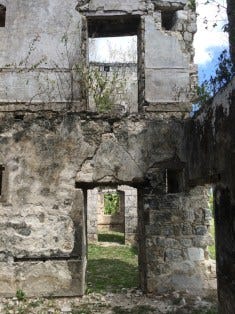
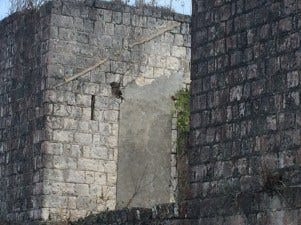
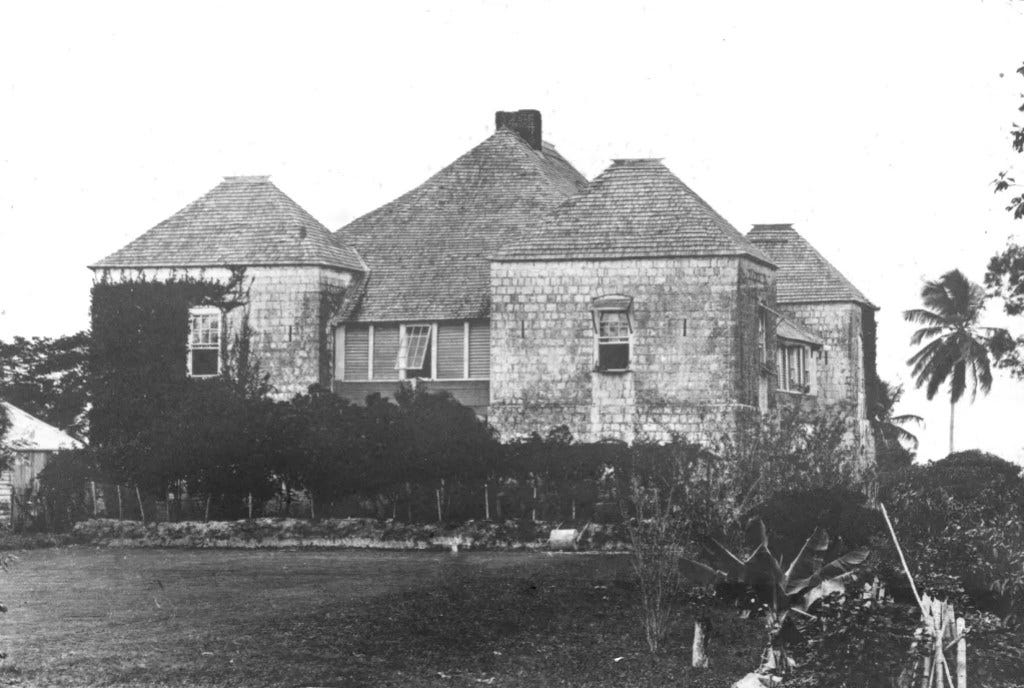
After the deaths of Stokes and his wife, the remaining settlers moved to higher ground, where Stokes Hall Great House was built. The house itself was designed like a fortress, with gun holes still visible in the walls, a reflection of the security concerns during that period. In historical documents, Stokes Hall was referred to as “Stokes Hall Slave House” because it was built by slaves brought from Nevis by Luke Stokes. The surrounding area, once a bustling sugar estate, was linked to the sugar trade, with Port Morant, the nearest port, playing a crucial role in shipping sugar until the decline of the industry following the abolition of slavery. In 1840, Stokes Hall and the adjacent Hampton Court sugar estates were owned by Alexander Donaldson and spanned 1,443 acres.
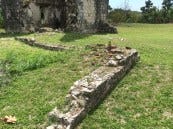
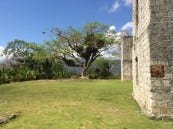
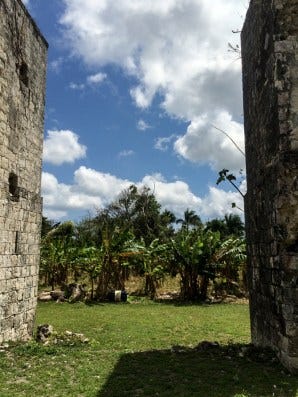
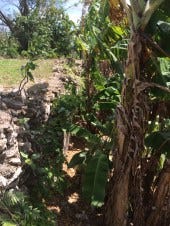
Sadly, the Great House was destroyed by an earthquake in 1907, leaving behind only the ruins that remain today. These include three towers, the foundations of the kitchen outhouse, and a water tank. The house was originally constructed from concreted rock rubble faced with dressed stone, with some stucco coating still visible in areas. Despite the collapse, the ruins offer a spectacular view of the surrounding sugar cane fields, with Duckenfield Hall’s sugar mill in the distance and the Blue Mountains forming the backdrop. Today, Stokes Hall Great House remains a historical site, offering a glimpse into the past of Jamaica’s colonial and plantation era.