

What is the Lifespan of Different Building Types, and How Does Maintenance Impact Their Durability?

1. Traditional Jamaican Home (Concrete)
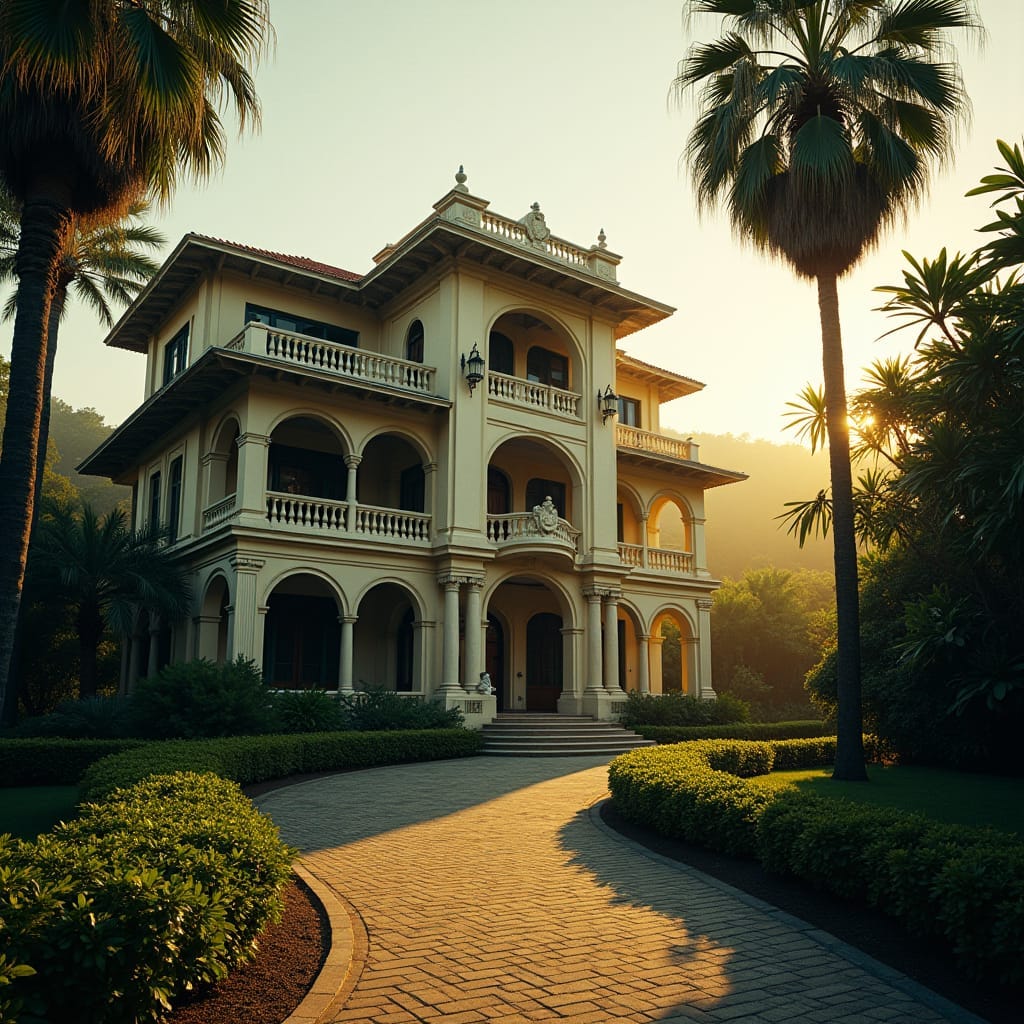
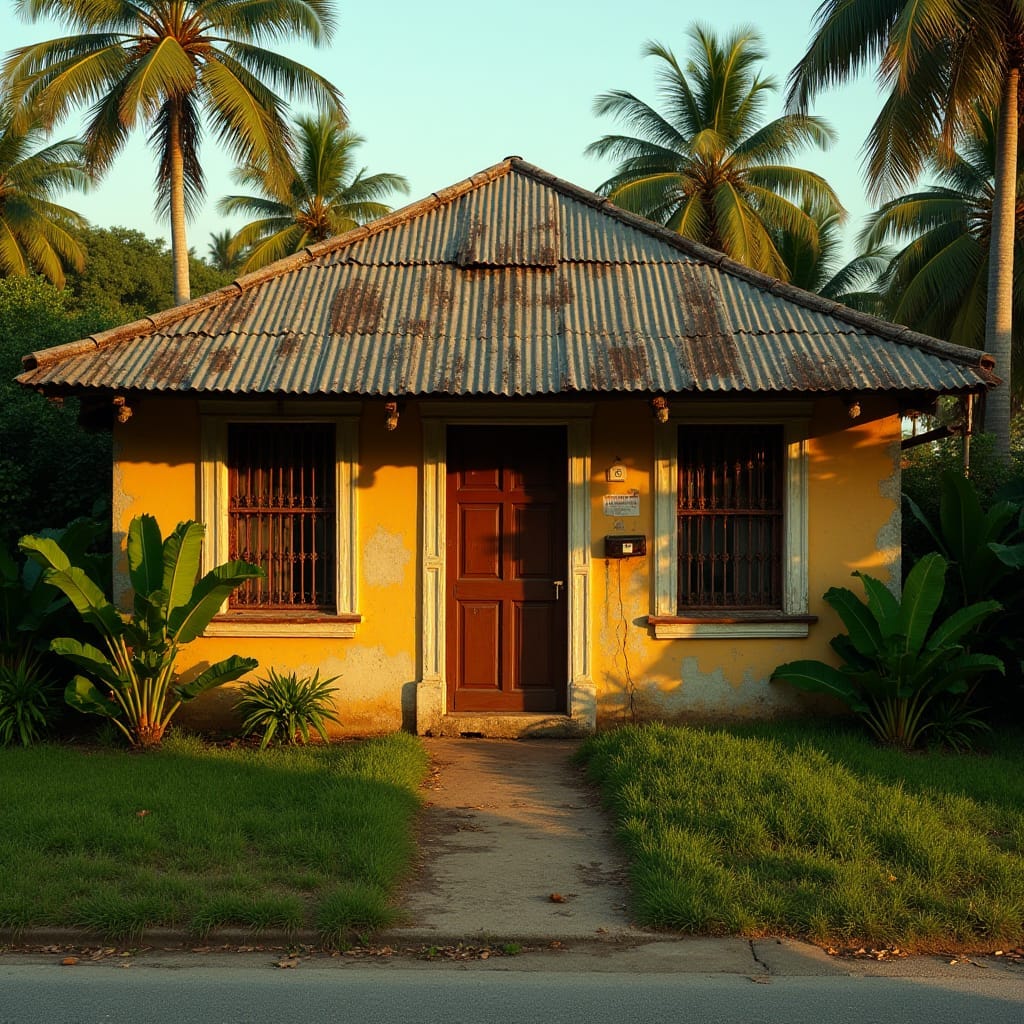
Constructed with concrete blocks and steel, traditional Jamaican homes are renowned for their longevity. When unmaintained, they can last between 50 to 100 years; however, with regular maintenance, such as repainting and repairing cracks, their lifespan can extend significantly to 100 to 150 years or even more. Examples of these homes in Jamaica have surpassed the 100-year mark, showcasing their durability and resilience against the elements.
2. Prefab Homes
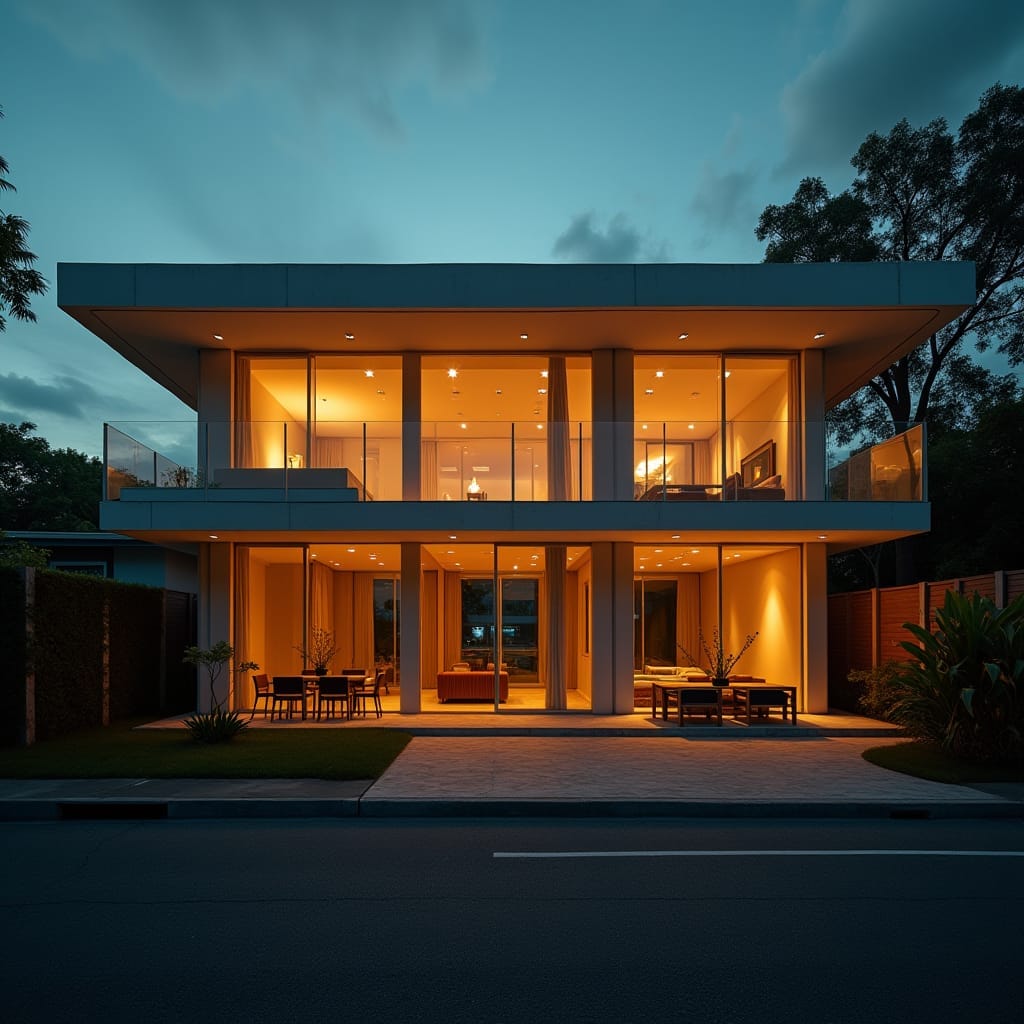
Prefab homes, made from pre-fabricated materials, offer quick construction solutions. Their lifespan ranges from 30 to 50 years without maintenance and can extend to 50 to 75 years with regular inspections and timely replacements of parts. While they are designed for efficiency, proper upkeep is essential to maximizing their durability.
3. Timber Homes
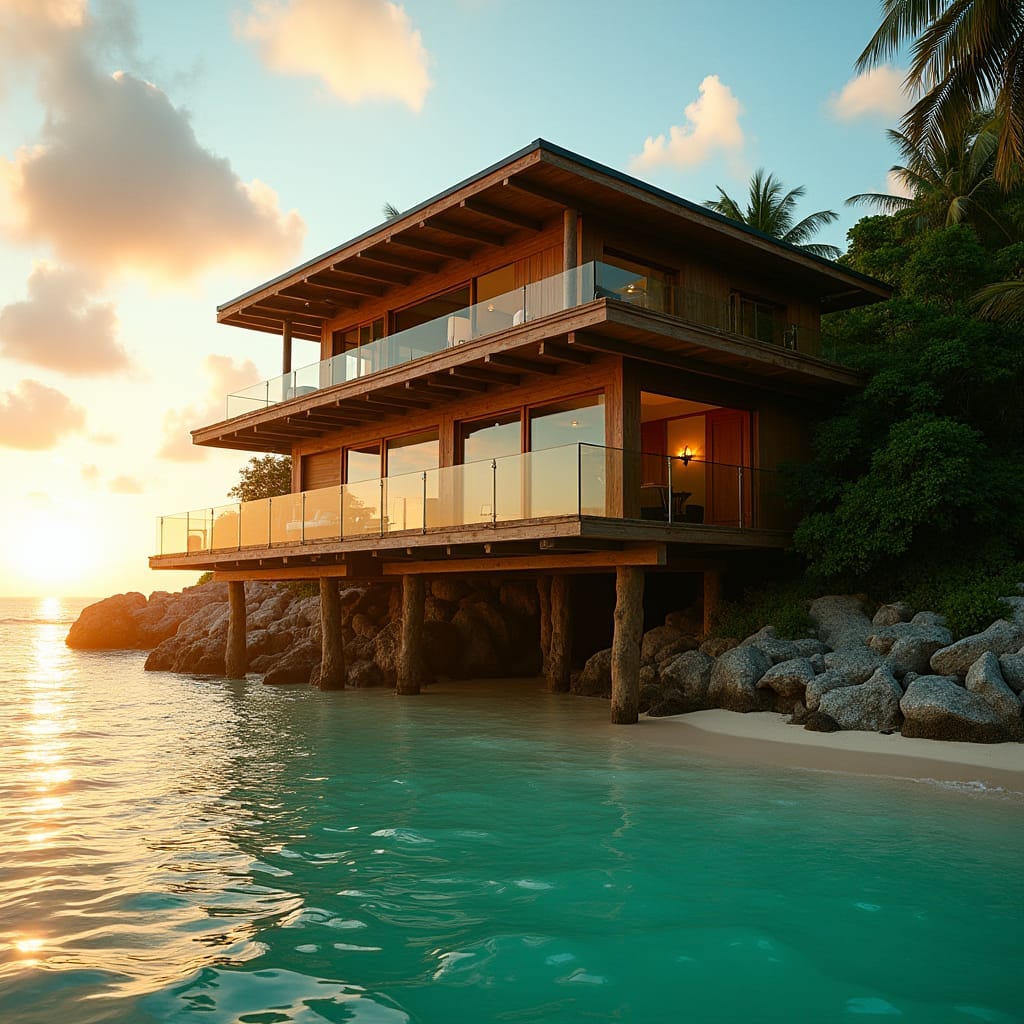
Timber homes, constructed from wood framing, typically last between 30 to 50 years if left unmaintained. With appropriate care, including weatherproofing and pest control, their lifespan can increase to 50 to 80 years. Some older wooden homes in rural Jamaica have proven capable of lasting over 70 years, highlighting the importance of maintenance in preserving their integrity.
4. Modular Homes
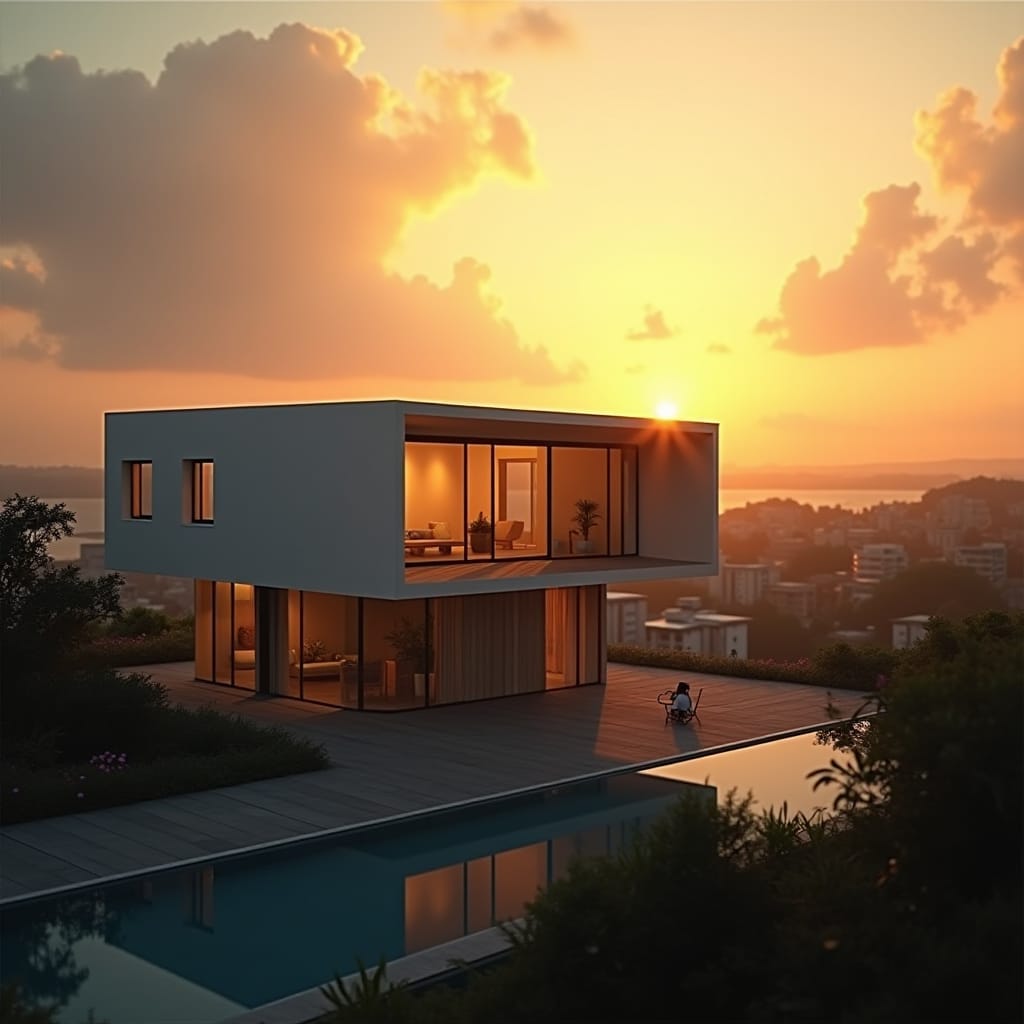
Built from modular sections and steel, modular homes usually have a lifespan of 35 to 55 years without maintenance. However, with diligent upkeep, particularly in reinforcing joints and sealing cracks, these homes can last 55 to 80 years. Their off-site construction method makes them a popular choice for quick assembly and affordability.
5. Steel Frame Homes
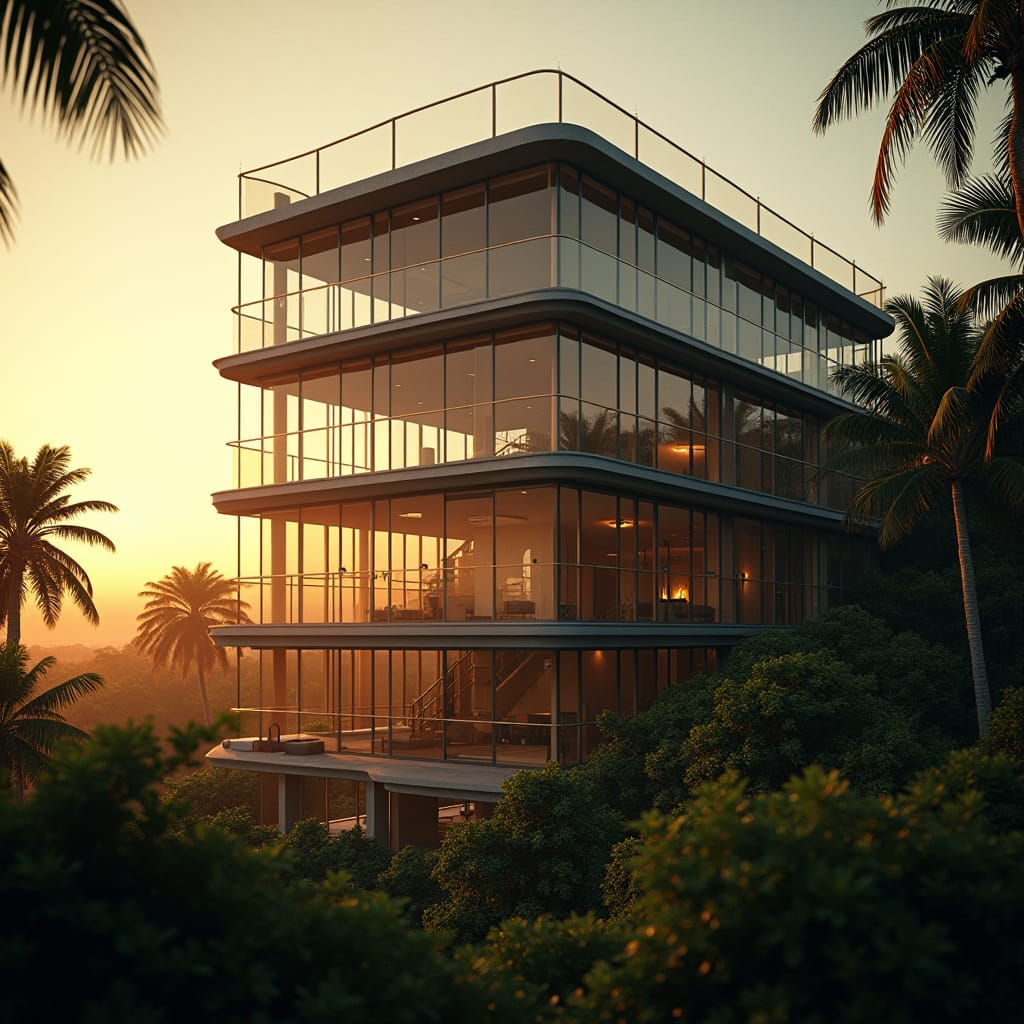
With a lifespan of 60 to over 100 years unmaintained, steel frame homes are exceptionally durable, making them a robust long-term investment. With regular inspections and protection against rust, they can last 100 to 150 years or more. Their strong structure allows them to withstand various natural forces.
6. Victorian Homes
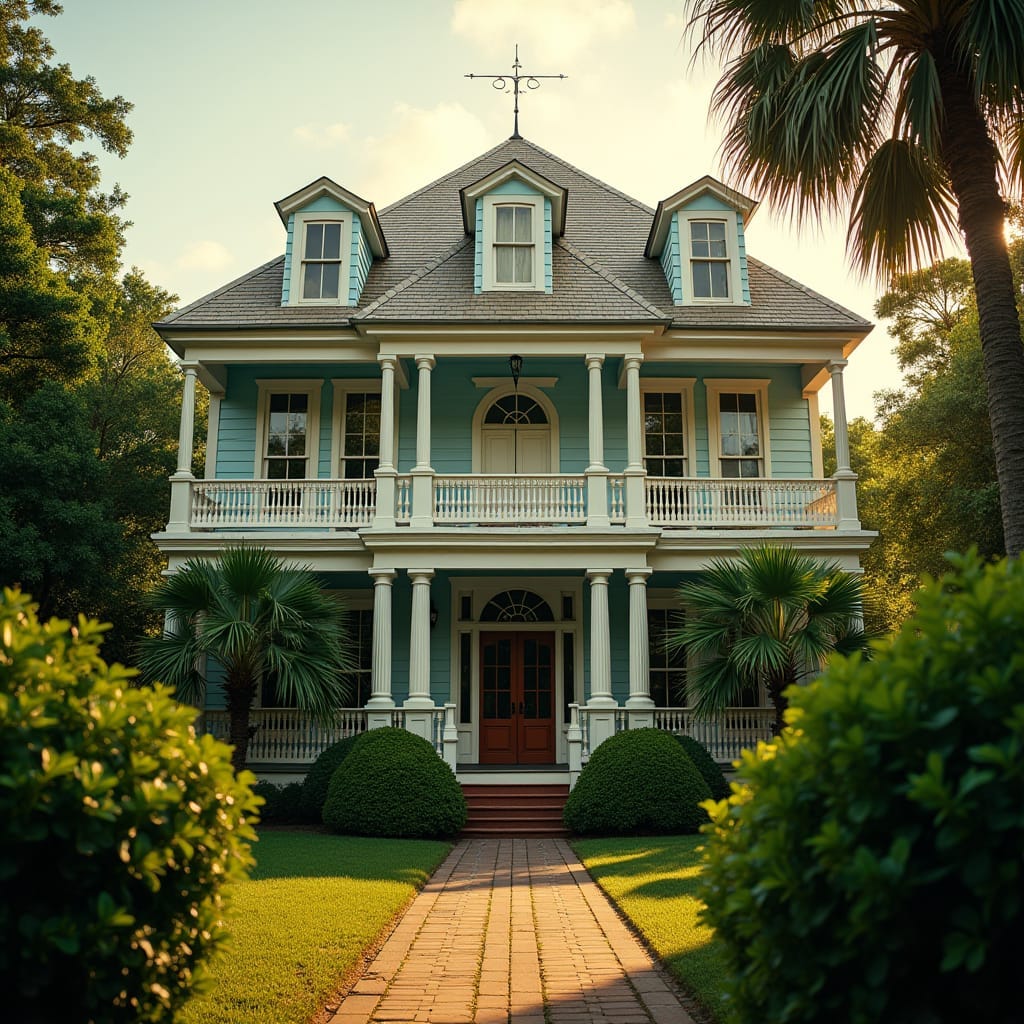
Characterized by their intricate designs, Victorian homes built from brick, stone, and wood can last between 100 to 150 years without maintenance. With consistent care, they have been known to endure for 150 to over 200 years. Many of these homes, constructed during the colonial era, are still standing and admired today.
7. Edwardian Homes
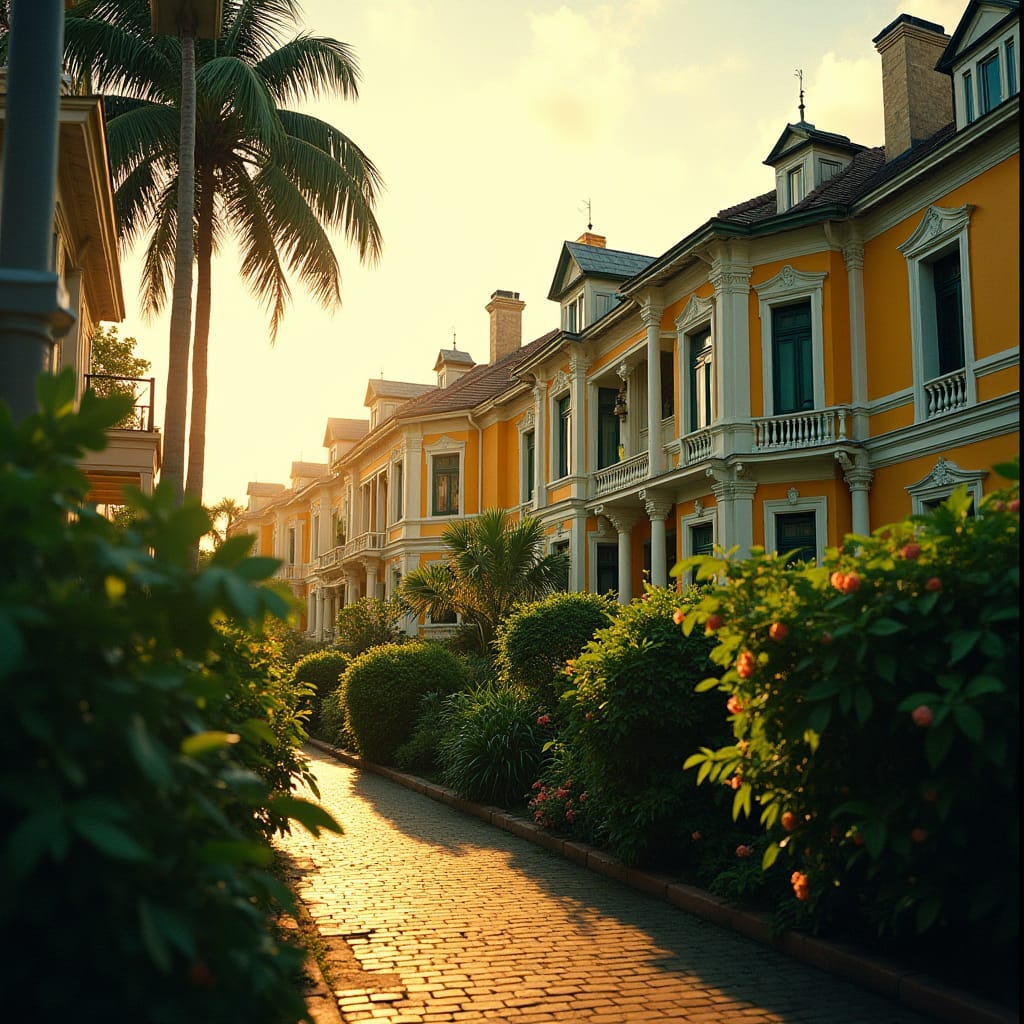
Typically made from brick, stone, and timber, Edwardian homes can also last 100 to 150 years without maintenance. Regular upkeep of roofs and walls can help them remain intact for 150 to over 200 years, with many well-maintained examples still present in Jamaica.
8. Medieval Properties
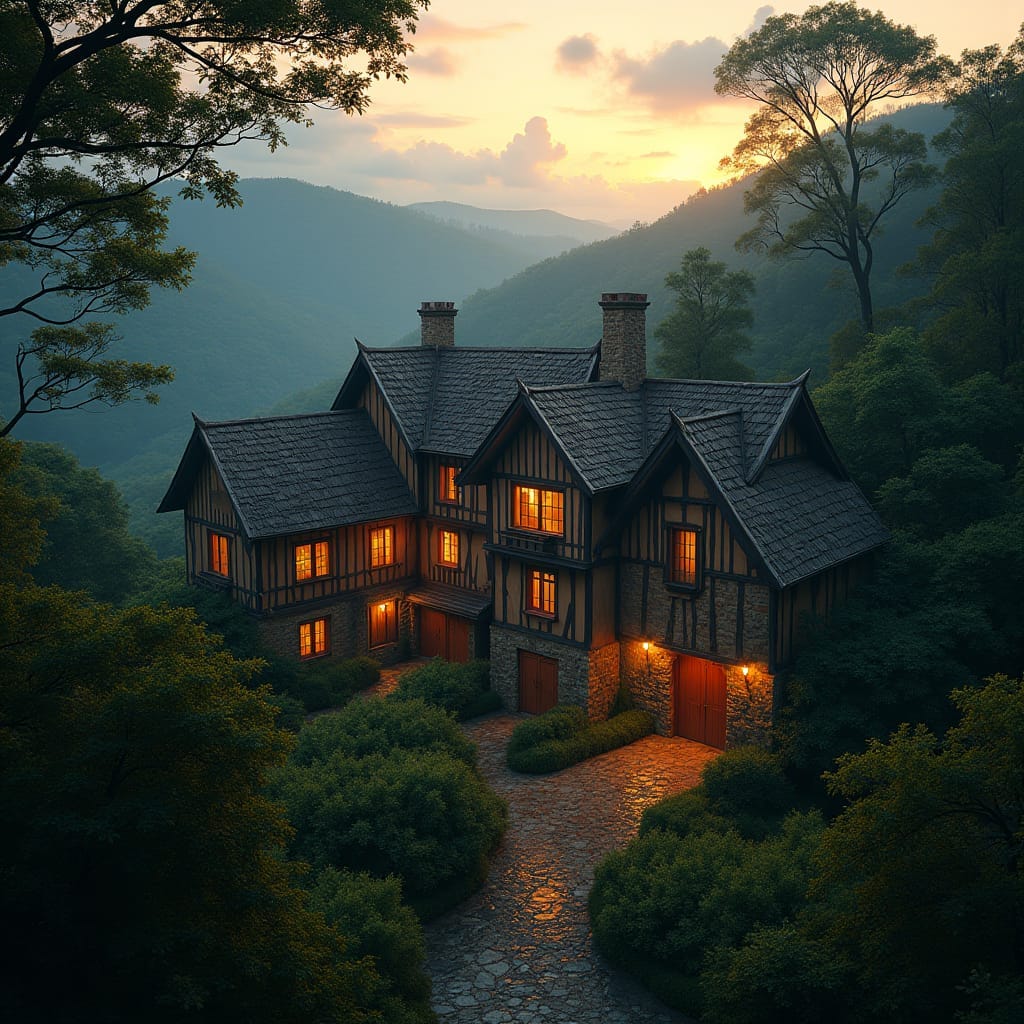
Medieval properties, often built from stone and timber, can last an astonishing 500 to over 1000 years. While these buildings require frequent timber care, with proper preservation techniques, many structures have survived for more than a millennium.
9. Georgian Homes
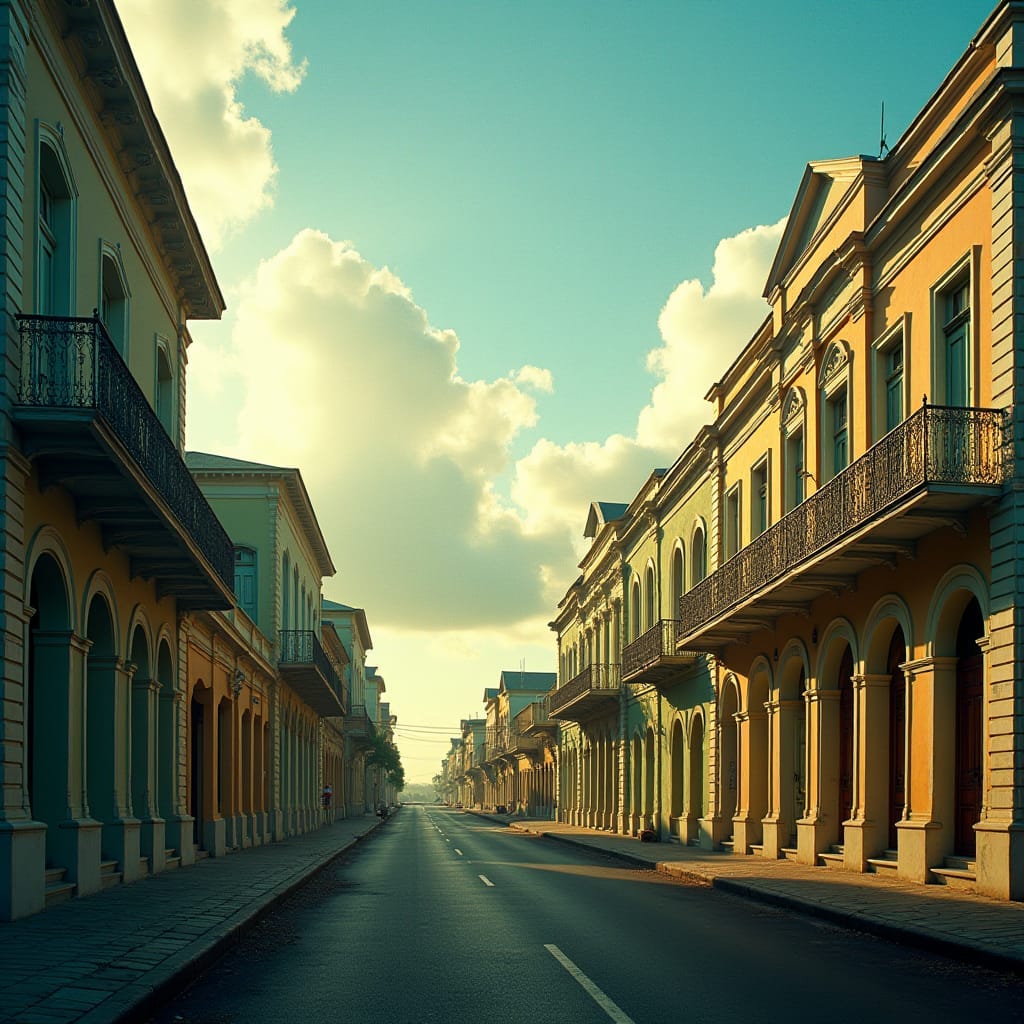
Built with brick and stone, Georgian homes can last between 150 to 200 years with proper maintenance. Regular repairs to brickwork and roofing can extend their lifespan to 200 to over 250 years, showcasing their classic architectural style and durability.
10. Modern Homes
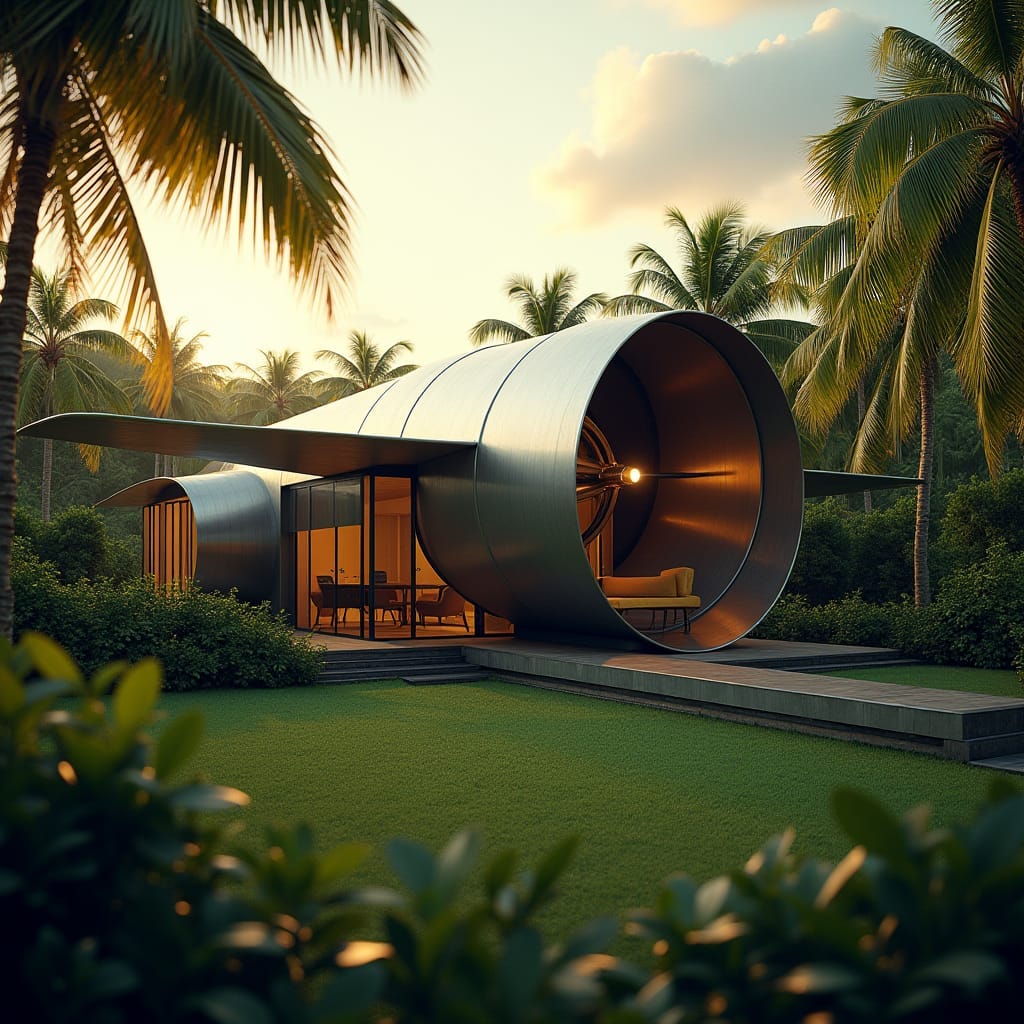
Modern homes, constructed with steel, concrete, and glass, typically have a lifespan of 50 to 100 years. However, with ongoing maintenance of their structural integrity and roofing, they can last 100 to 150 years. Many modern homes built after World War II have demonstrated their longevity through well-planned upkeep.
11. Victorian Jamaican Villas
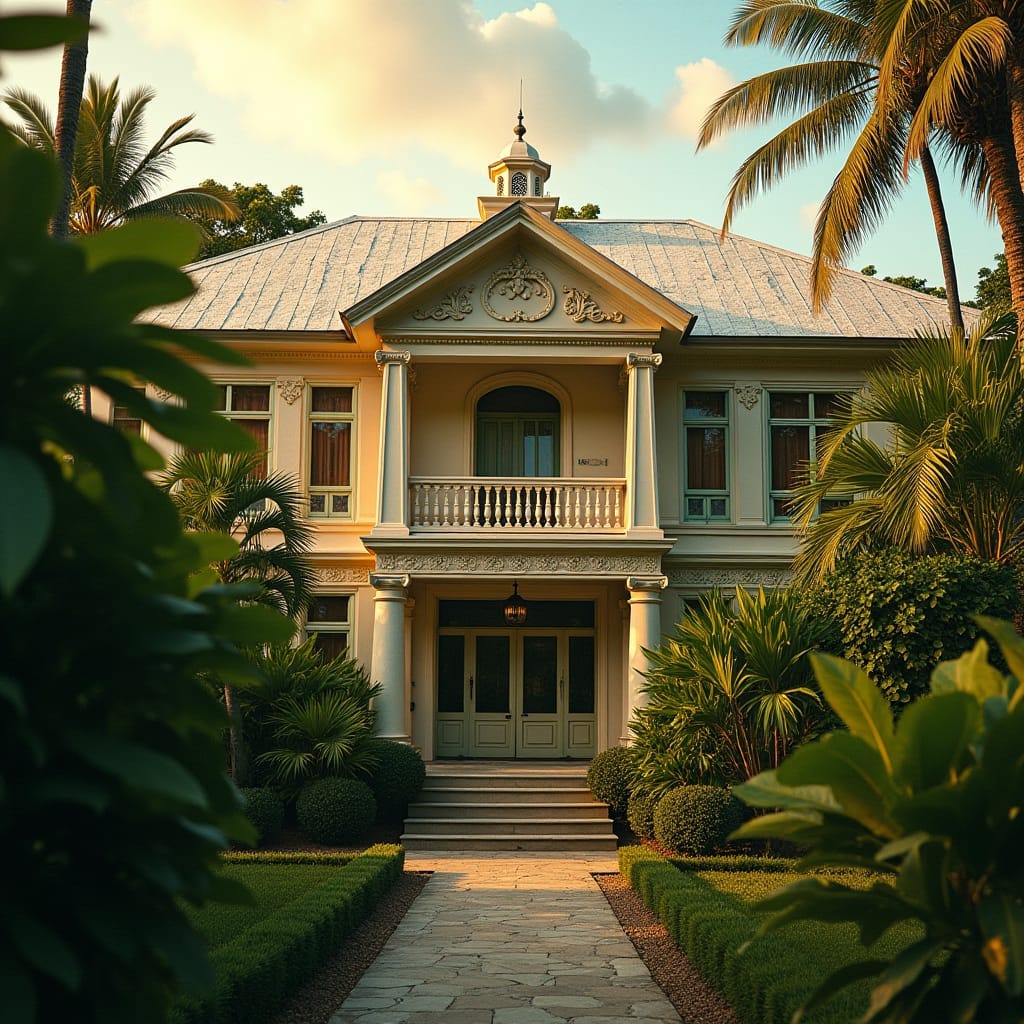
These villas, built with brick, stone, and timber during the colonial period, exhibit a lifespan similar to Victorian homes, lasting 100 to 150 years without maintenance. With proper care and preservation, many remain in excellent condition after more than a century.
12. Apartment Buildings (Concrete)
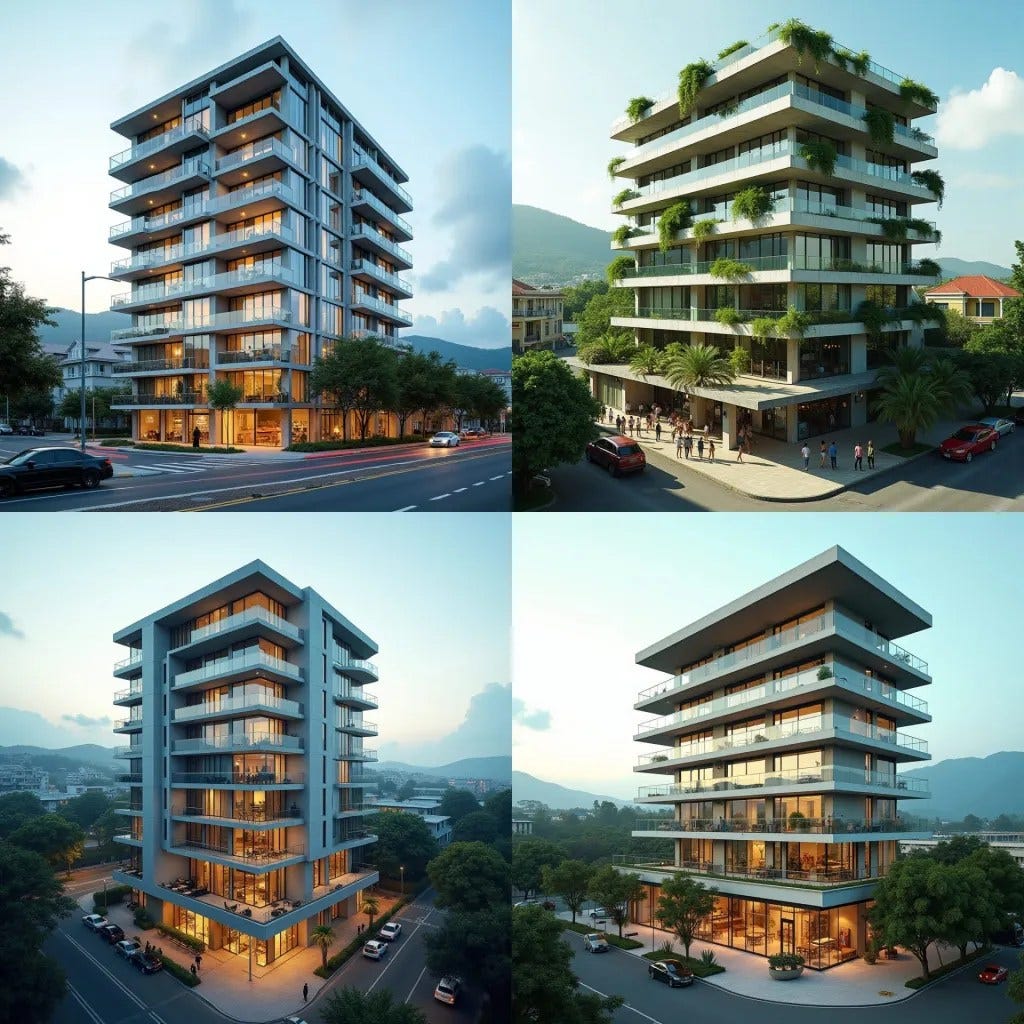
Concrete apartment buildings, reinforced with steel, have a lifespan of 60 to 100 years unmaintained. With regular structural checks and maintenance, they can last 100 to 150 years, as evidenced by many enduring structures throughout Jamaica.
13. Cottages (Wood or Stone)
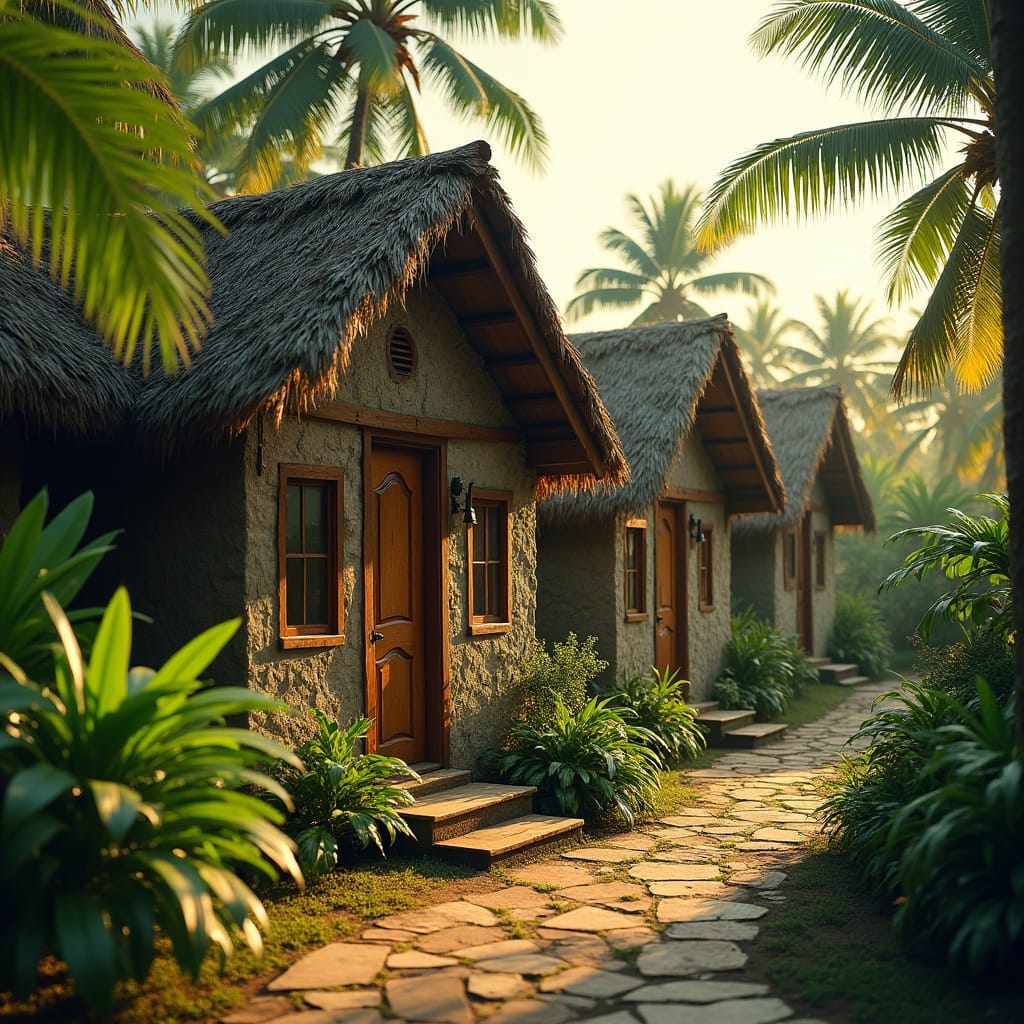
Cottage-style homes, found mainly in rural or coastal regions, can last between 50 to 100 years without maintenance. With adequate care, including weatherproofing, their lifespan can extend to 100 to 150 years.
14. Colonial Homes
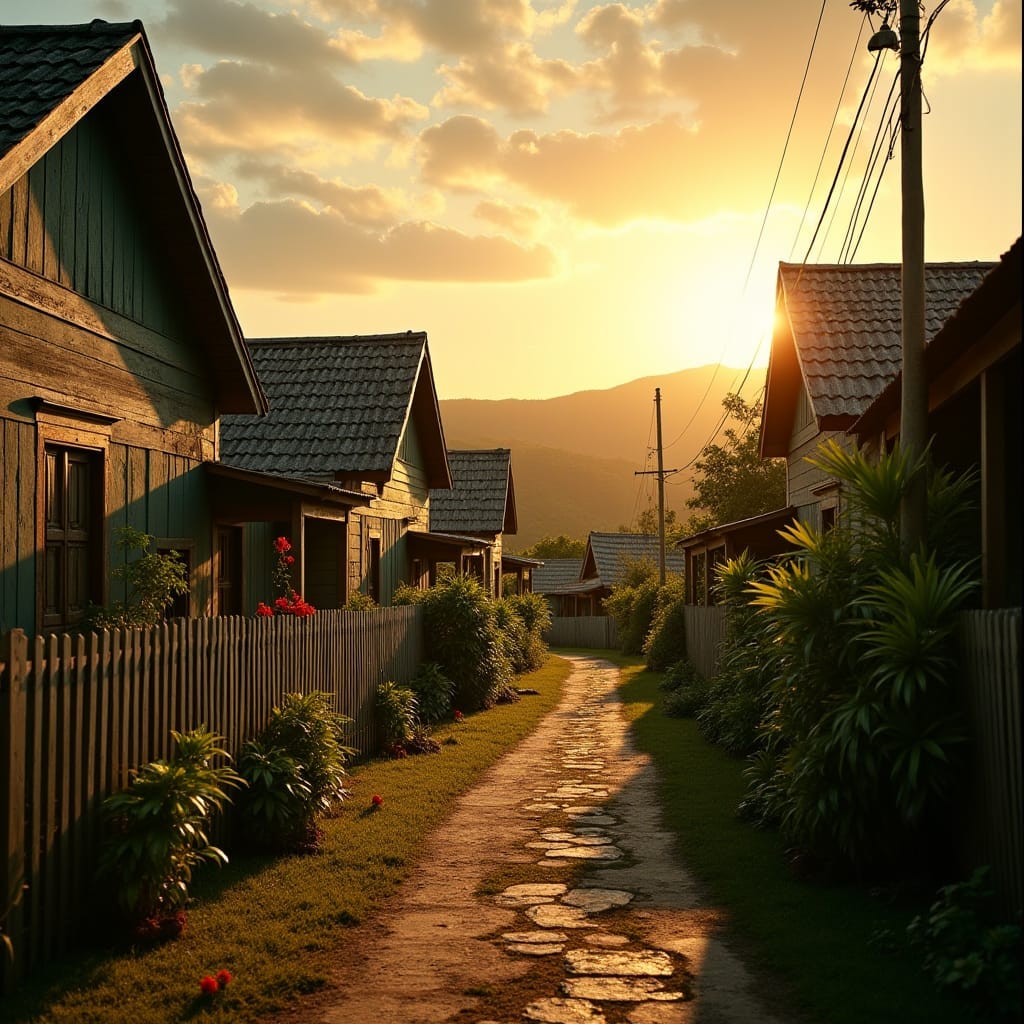
Constructed from stone, timber, and brick, colonial homes have the potential to last between 100 to 200 years without maintenance. With restoration and care, many of these homes can exceed the 200-year mark, with several still standing since the 18th and 19th centuries in Jamaica.
15. Earth Homes (Cob, Adobe)
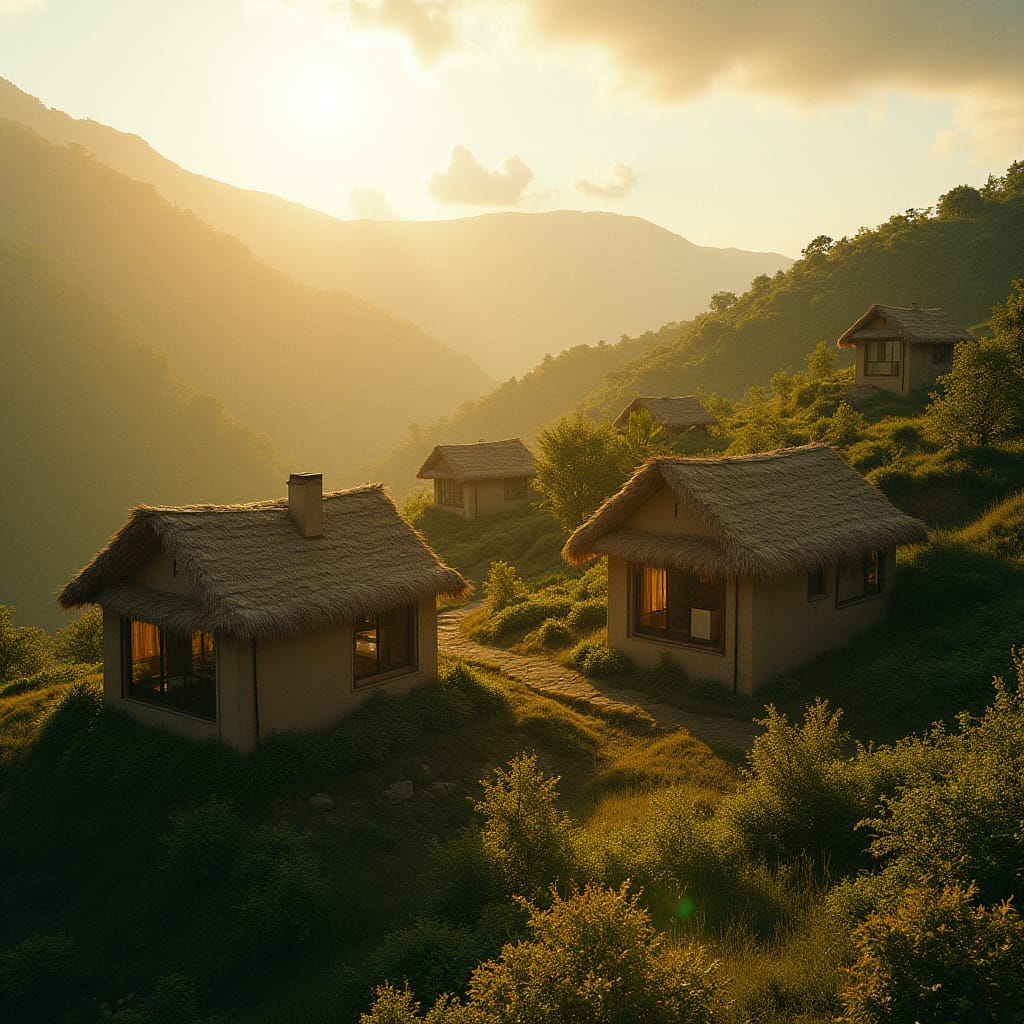
Earth homes made from natural materials can last from 50 to 100 years without maintenance and can extend to 100 to 200 years with proper care. Reinforcing walls and protecting them from water damage are crucial for their longevity.
16. Log Cabins
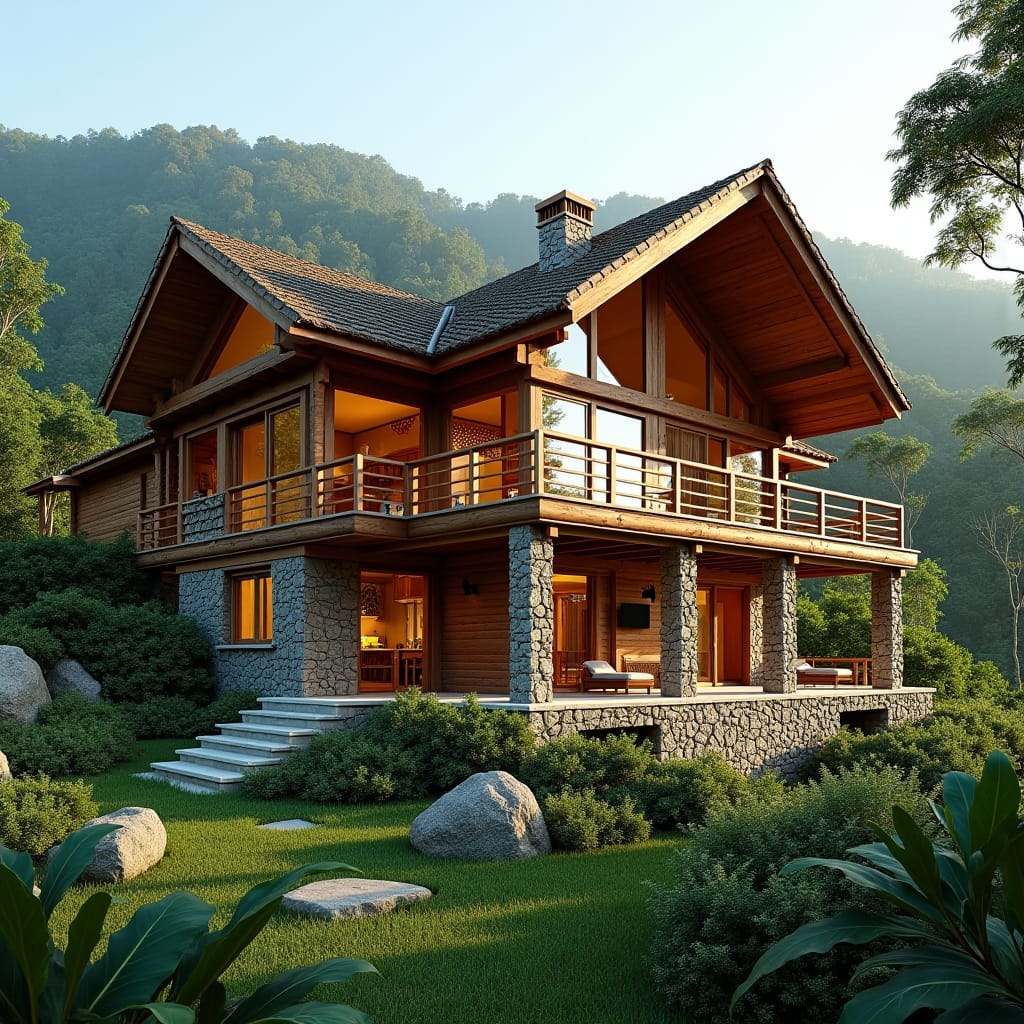
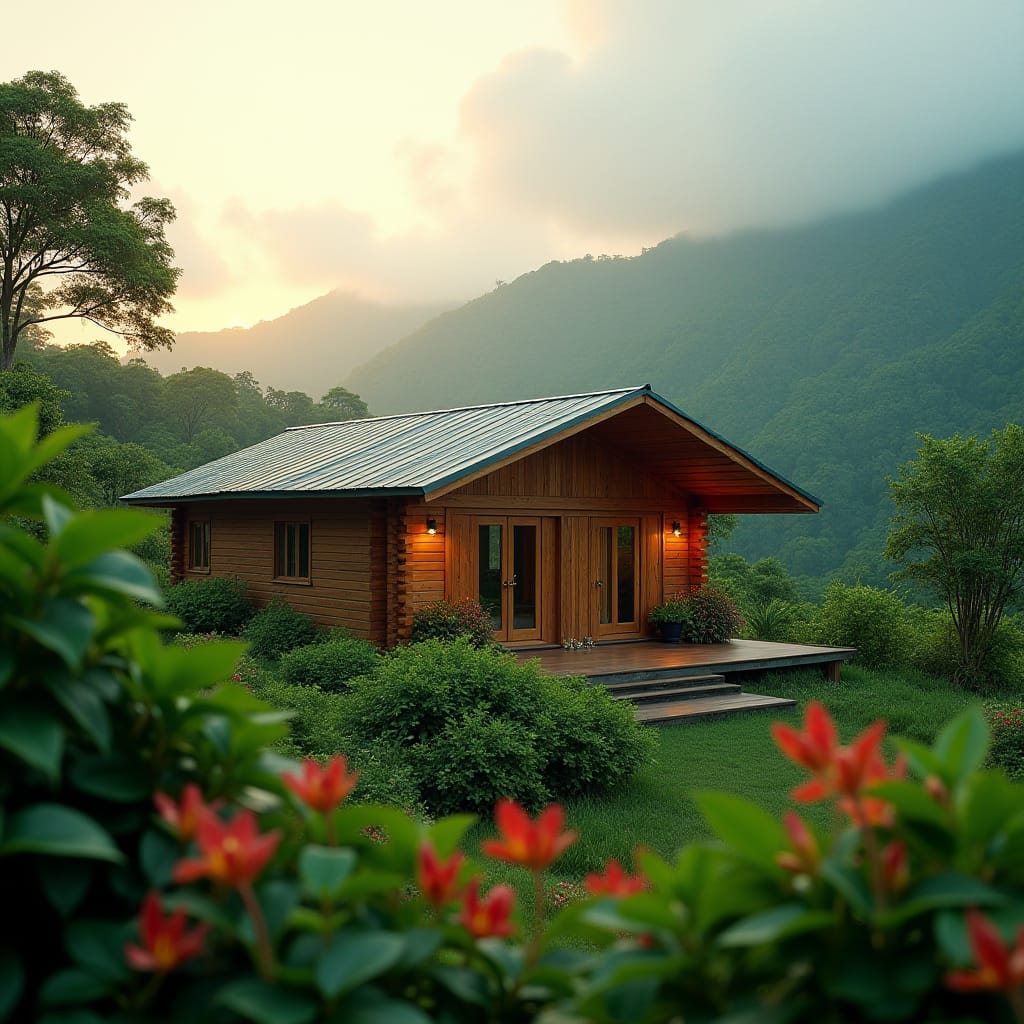
Typically constructed from logs, log cabins have a lifespan of 30 to 60 years without maintenance. With regular sealing and log replacements, they can last up to 100 years or more, particularly in temperate climates.
17. Mixed-Use Buildings
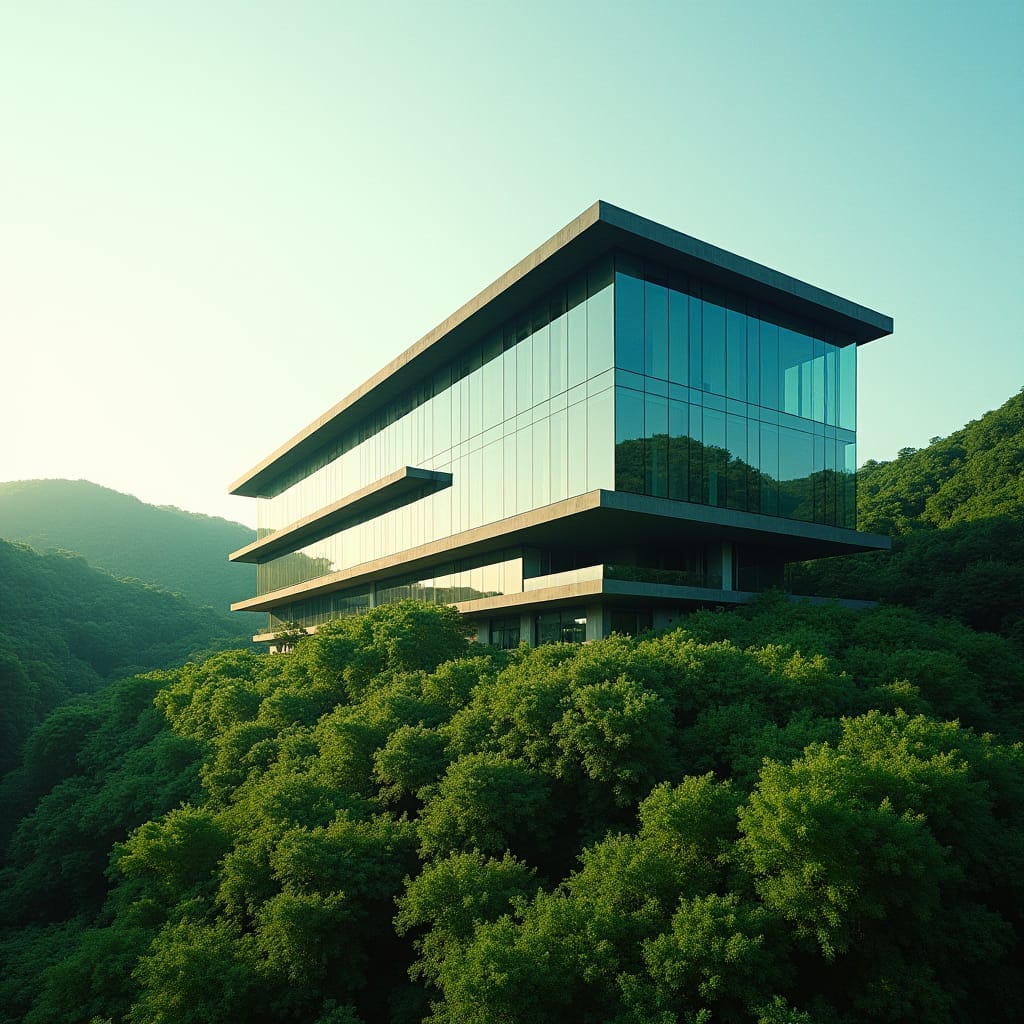
These structures, built from concrete, steel, and brick, generally last between 60 to 100 years without maintenance. With diligent upkeep, their lifespan can extend to 100 to 150 years, making them suitable for long-term investment.
18. Timber-Frame Medieval Homes
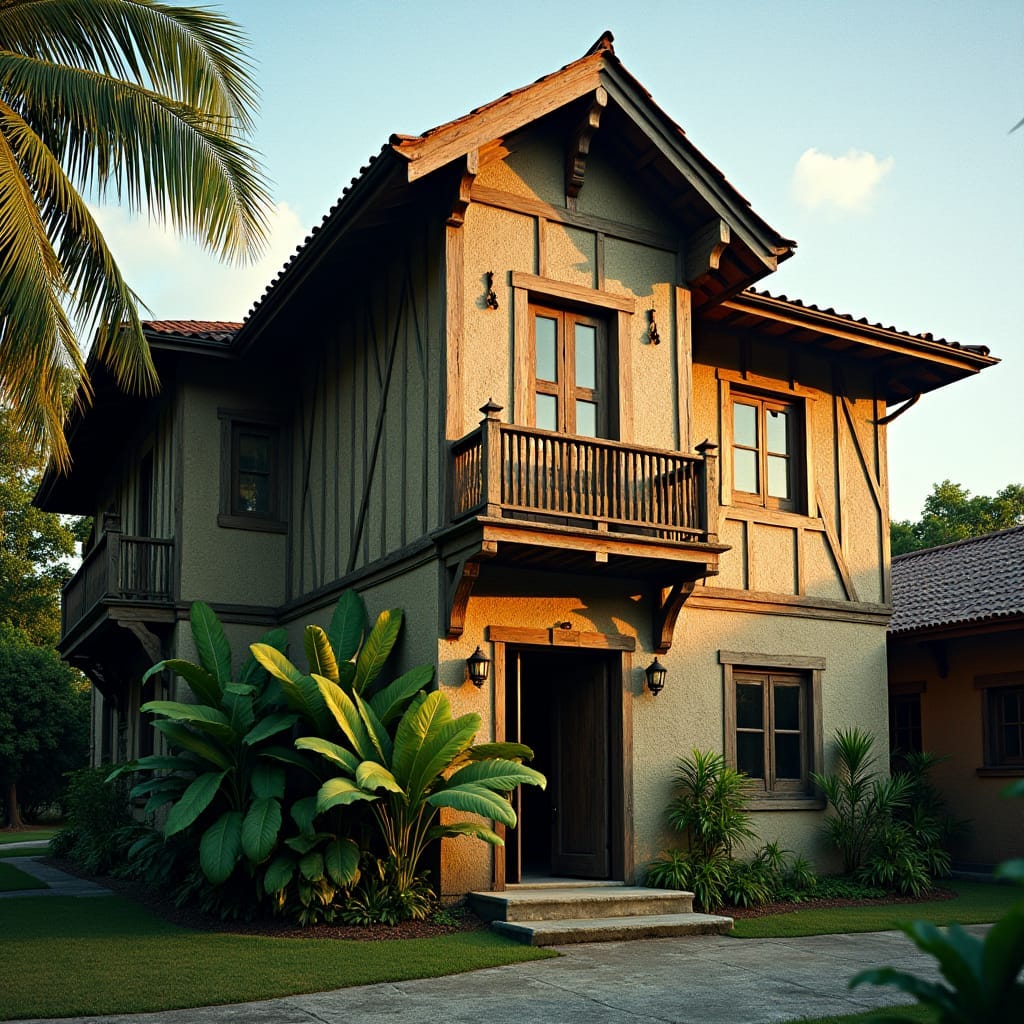
Timber-frame homes built using wood, stone, and wattle and daub can last between 100 to 300 years without maintenance. With regular upkeep, including replacing rotting wood and maintaining plaster, their lifespan can reach 300 to over 500 years.
19. Commercial Skyscrapers
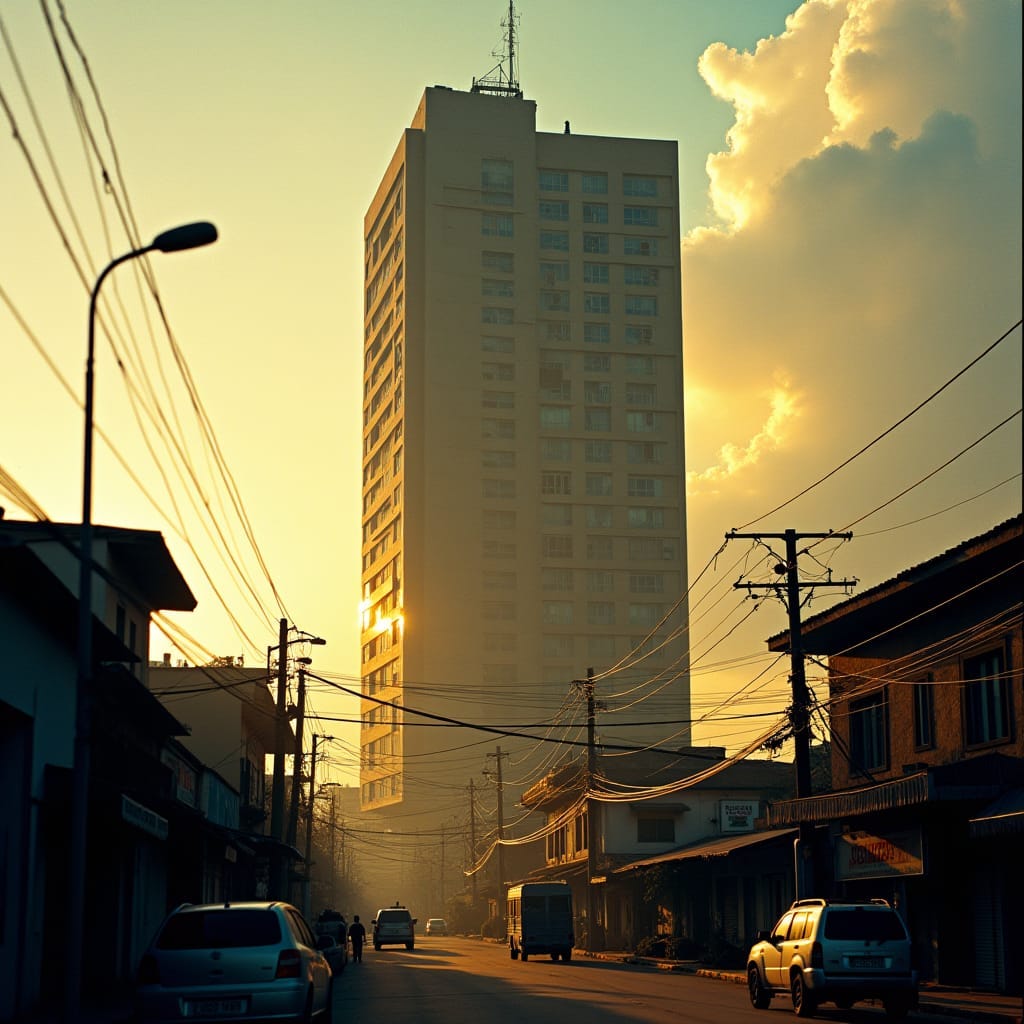
Constructed with steel, concrete, and glass, commercial skyscrapers typically have a lifespan of 70 to 150 years. However, regular safety inspections and structural repairs are vital for maximizing their longevity, potentially extending their lifespan to 150 to over 200 years.
Lifespan Overview of Buildings in Jamaica
The lifespan of a building is influenced by the materials used in construction and the level of maintenance it receives. Historical structures can last anywhere from 500 to 1,000 years, while modern steel and concrete structures often have lifespans of 100 to 150 years. Without proper care, concrete buildings can deteriorate rapidly, with poorly maintained structures lasting only 30 to 40 years.
To enhance the longevity of a building, several strategies can be implemented, including:
Pest Control: Addressing issues related to rats, rodents, termites, and carpenter ants, which can significantly damage buildings.
Regular Maintenance: Ensuring that all components of the structure are well cared for can greatly extend a building’s life.
Understanding the expected lifespan of various building types can help homeowners, investors, and real estate professionals make informed decisions regarding property investments and maintenance strategies.
Disclaimer:
The lifespans provided in this guide are general estimates based on standard construction practices and typical environmental conditions in Jamaica. Actual longevity may vary due to factors such as material quality, workmanship, environmental exposure, and, most importantly, regular maintenance. Proper upkeep can significantly extend the lifespan of any building type, while neglect can shorten it. Always consult a professional for specific assessments and maintenance advice tailored to your property.