


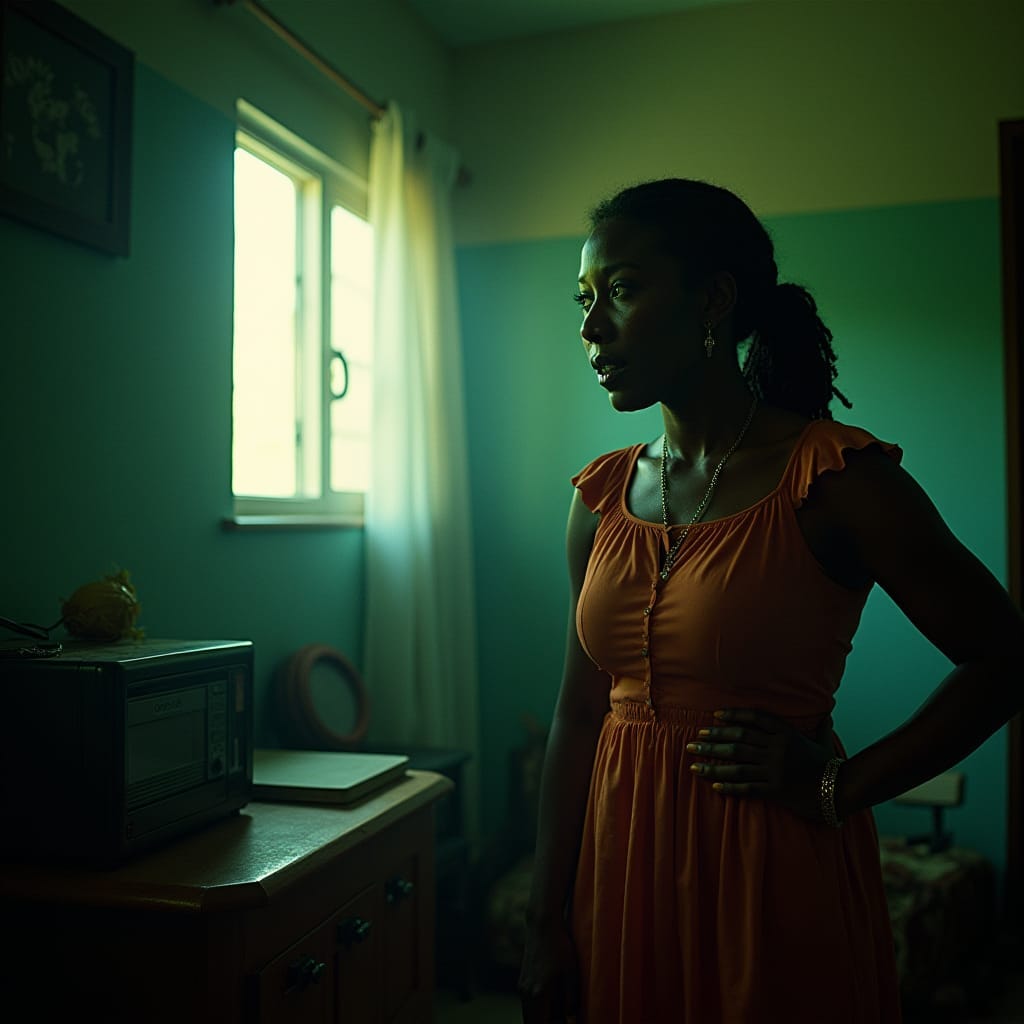
Renting a house in Jamaica should be fair and peaceful, but sometimes problems can happen. To avoid fights or misunderstandings, both landlords and tenants need to know the rules and follow the law. Here’s how renting works in simple terms, and what you can do if there’s a problem.
Your Rights as a Tenant
If you’re renting a house, you have the right to live there safely and peacefully as long as you follow the rules in your agreement. For example, paying your rent on time and taking care of the property. The landlord can’t just kick you out or change the locks if there’s a problem, even if rent isn’t paid. Jamaican law says they must give you notice and go to court to handle things properly.
What to Do if There’s a Problem
Check Your Rental Agreement: Read your lease to see what it says about paying rent or moving out.
Talk to Your Landlord: If you can’t pay on time, let your landlord know and try to work out a plan.
Get Help if Needed: If talking doesn’t work, you can contact the Rent Assessment Board or talk to a lawyer to get advice.
What Landlords Should Do
Landlords need to follow the rules too. If they want a tenant to leave, they must give a written notice, called a Notice to Quit, and get permission from the court. Doing it any other way could get them into trouble with the law.
Laws That Help Tenants and Landlords
The Rent Restriction Act explains what both sides can and can’t do.
The Trespass Act protects tenants from landlords entering the home without permission.
What You Can Do to Avoid Problems
Tenants: Pay your rent on time and talk to your landlord if you have issues. Keep records of payments and agreements.
Landlords: Always give tenants a written lease and follow the legal steps if something goes wrong.
If you’re in a rental dispute, remember: stay calm, know your rights, and get help if you need it. Following the law keeps things fair for everyone.
Disclaimer: This is general advice and not legal help. Talk to an expert for your specific situation.