


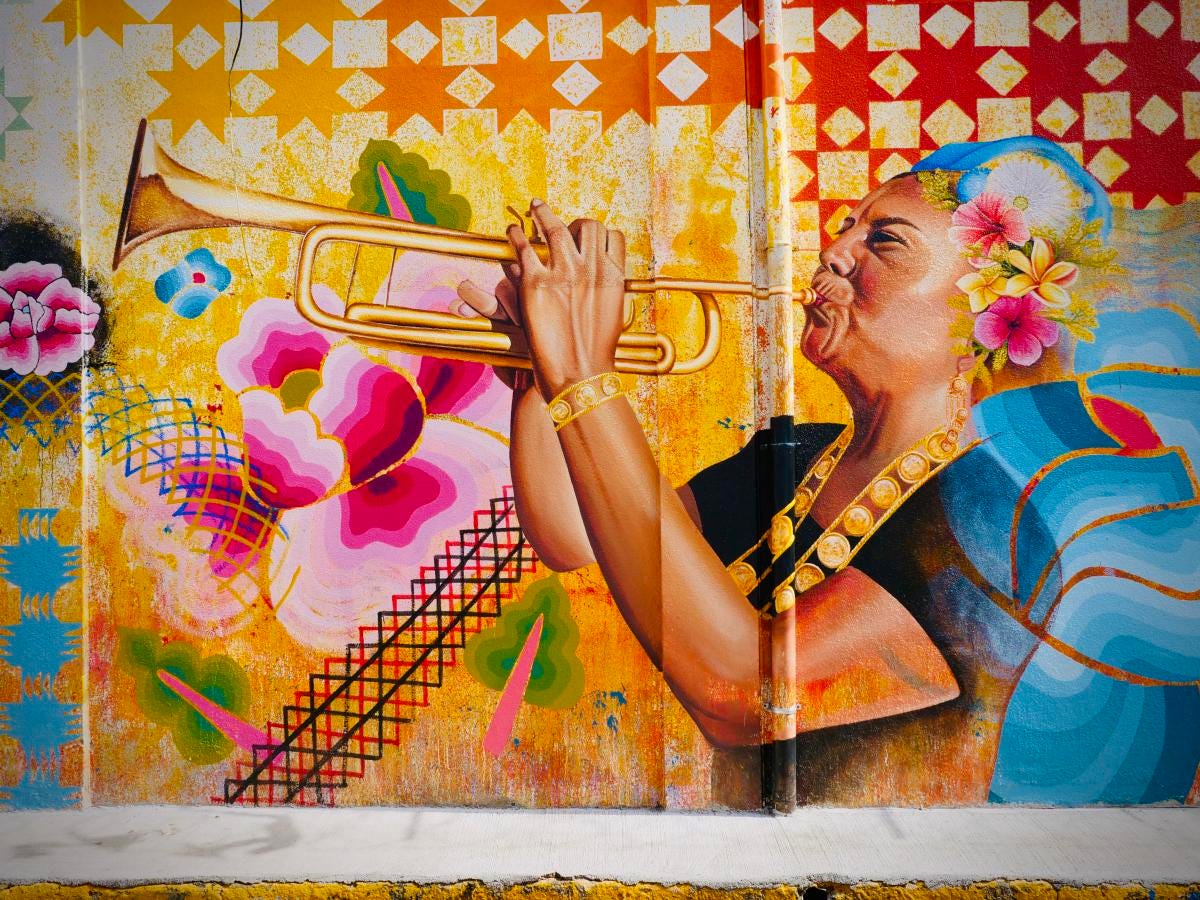
Jamaica is more than sun, sand, and reggae. It’s a nation of expression. A country where walls talk, and paint speaks louder than words. Across the island, Jamaican street art tells stories—raw, rhythmic, and rebellious. But today, more than just a medium of self-expression, it’s becoming a surprising catalyst for community pride, neighborhood transformation, and even real estate revitalization.
As urban centers evolve and communities blossom, the painted walls once seen as mere decoration are now symbols of area identity—and sometimes, signs of a rising real estate market. Let’s dive deep into how this vibrant art form is impacting local culture, property value, and the spiritual heartbeat of the island.
A Legacy Written in Color
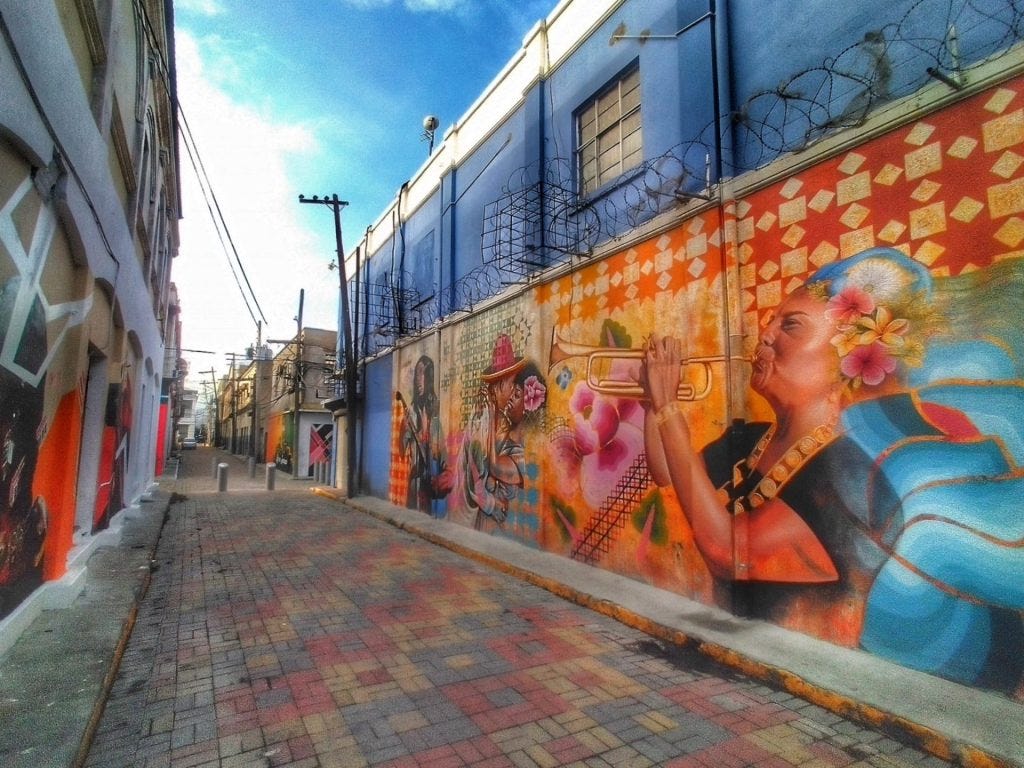
Jamaican street art began as a form of resistance. In the 1970s and 1980s, amid political rivalry, community unrest, and the rise of reggae and Rastafari consciousness, walls in Kingston, Spanish Town, and Montego Bay became canvases for messages of hope, unity, and power.
The bold reds, greens, golds, and blacks weren’t just paint—they were political statements, cultural preservation, and spiritual declarations. As reggae spread internationally, so too did the imagery of Marley, Garvey, Selassie, and other icons. Even today, the sight of a mural featuring Bob Marley or a lion of Judah feels like a spiritual handshake from the street itself.
But as Jamaica’s real estate market grows, street art is no longer just a subculture—it’s part of the social fabric shaping communities, and increasingly, a visual indicator of urban resurgence.
Art as an Anchor for Community Identity
Whether you’re walking through Parade Gardens in Downtown Kingston or along the bustling streets of Half Way Tree, murals mark spaces like cultural landmarks. They help define the soul of a neighborhood.
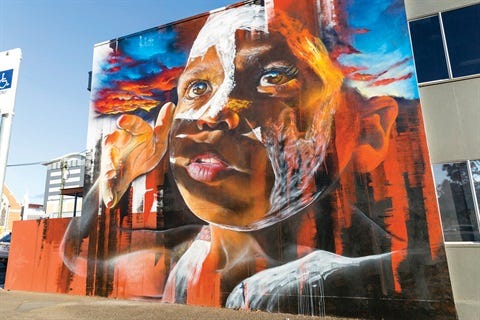
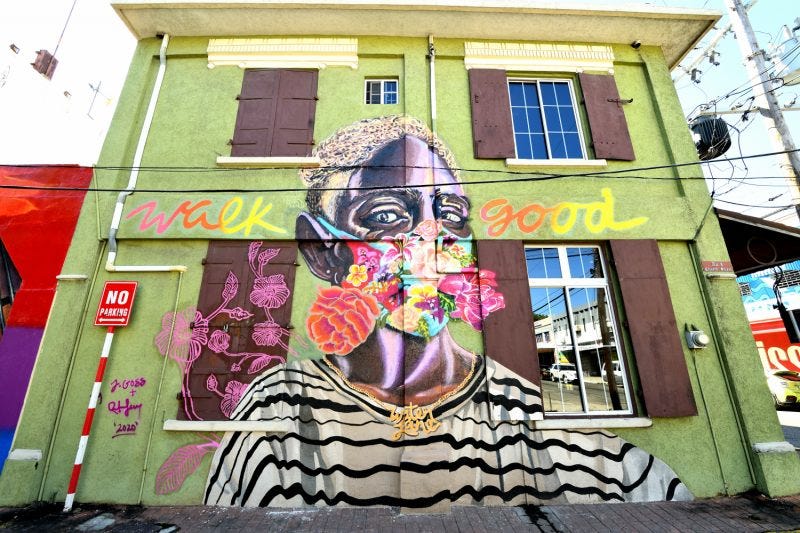
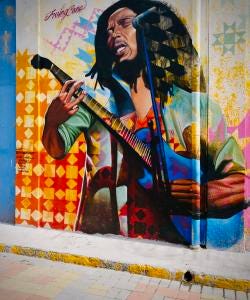
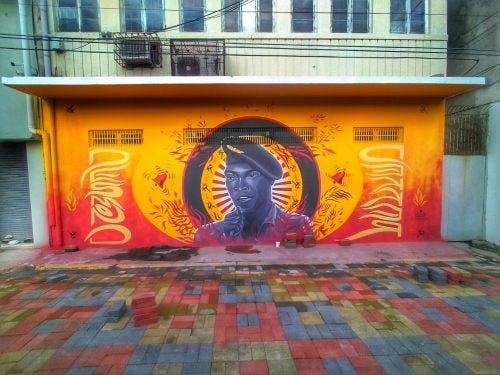
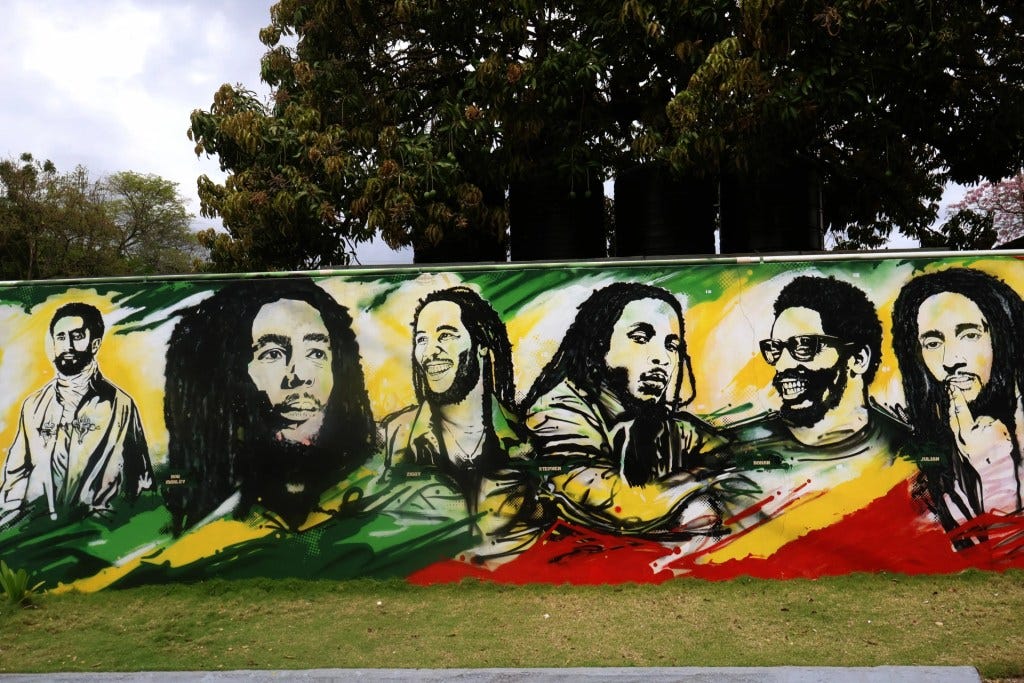
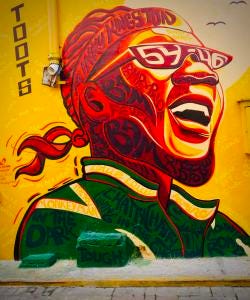
And that soul matters in real estate.
“A community without color is a house without windows. Street art lets you see the spirit of a place before stepping inside.”
— Dean Jones, Founder, Jamaica Homes
In neighborhoods where gentrification and development often erase history, preserving street art is becoming a way of preserving identity. Art transforms bland walls into cultural real estate—and people want to live near that energy.
Places like Trench Town, once known primarily for its struggles, are now being re-examined through the lens of music tourism and cultural heritage. Murals of Peter Tosh or scenes of jam sessions bring in both tourists and investors, sparking interest in renovated homes, studios, and Airbnb properties.
The Street-to-Property Pipeline: Where Art Meets Real Estate
1. Signal of Neighborhood Renewal
Around the world, street art often appears before major development—think Wynwood in Miami or Shoreditch in London. Jamaica is no different.
In areas like Fletchers Land, Rockfort, and parts of Port Antonio, community murals have preceded or accompanied infrastructure projects, community gardens, and road improvements. Street art can serve as an unofficial “development marker”—a sign that a community is reclaiming its space.
Real estate agents are paying attention.
“Art on the walls can mean investment on the ground. Street murals often come just before the cranes and concrete mixers.”
— Dean Jones, Realtor Associate, Coldwell Banker Jamaica Realty
2. Artistic Curb Appeal
Murals boost visual aesthetics and create an emotional connection with a space. Imagine arriving at a listing in Kingston with a massive mural of Miss Lou reading to children, or a dynamic painting of Jamaican athletes sprinting toward gold. It resonates. It humanizes. And it sells.
Studies from other urban centers show that properties in walkable neighborhoods with art and cultural infrastructure often appreciate faster. While official Jamaican studies are limited, anecdotal evidence from local agents suggests similar trends are emerging.
Preserving the Paint: Challenges and Opportunities
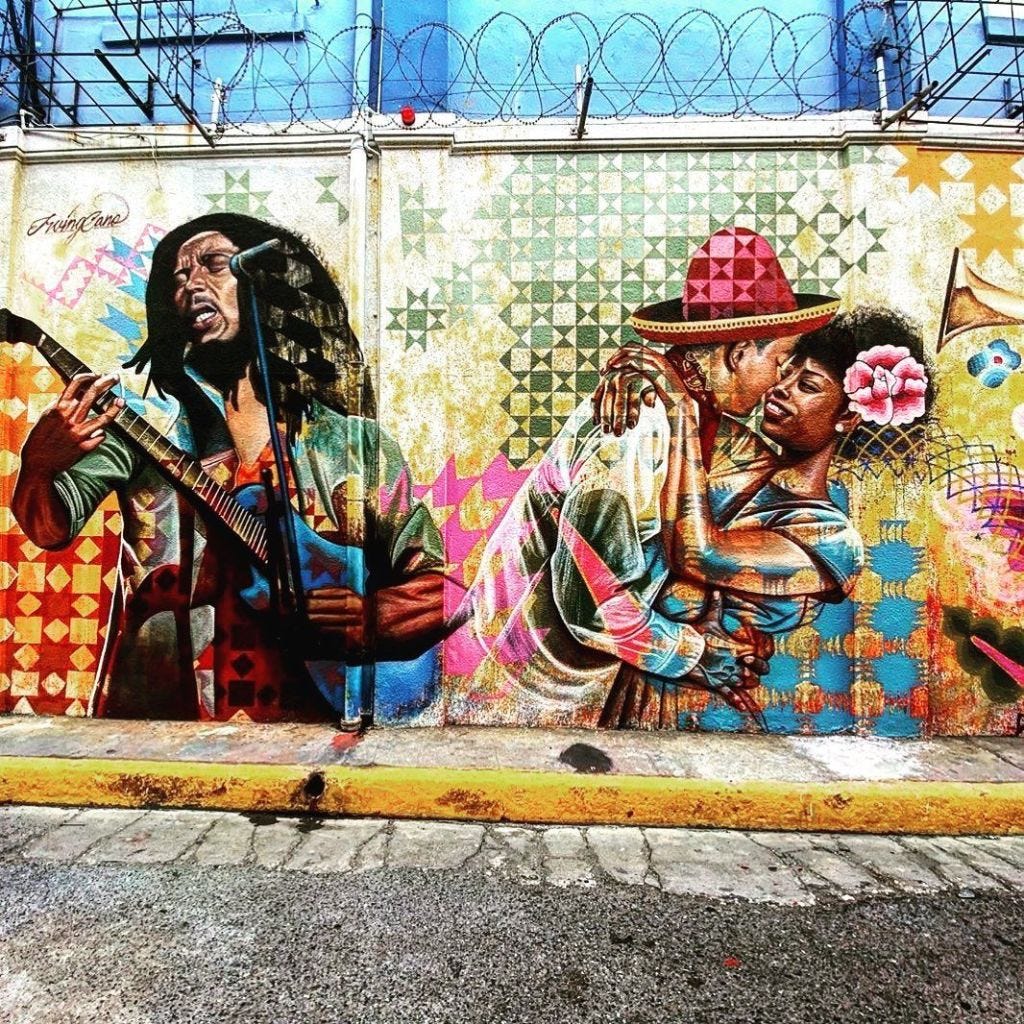
One of the biggest issues surrounding street art and property development is preservation. As new buildings rise, many murals are lost—painted over or knocked down. This has led to debates between developers and communities, where one sees progress and the other sees erasure.
Fortunately, several movements are fighting to preserve Jamaican murals:
Paint Jamaica, a street art initiative that transforms public spaces through murals, is working with communities and developers to include public art in new projects.
Some boutique developments in Kingston and Mandeville are now commissioning artists to paint features inside and outside their buildings, blending art with architecture.
“Preserving our walls is preserving our wisdom. A mural is more than paint—it’s a living archive of who we are.”
— Dean Jones, Jamaica Homes
Street Art Tourism: A New Real Estate Opportunity
Jamaican street art is also becoming a tourism draw. Neighborhoods with popular murals are seeing an uptick in artwalks, tours, and Airbnb traffic. This creates a ripple effect—local vendors, shops, and property owners all benefit.
Kingston Creative, a non-profit pushing for a Creative City designation from UNESCO, is at the forefront of this movement. Their “Artwalk” events have brought new attention to the Downtown area, helping redefine it as a cultural corridor.
“When art brings people in, homes follow. You can’t build a lasting market without a living culture.”
— Dean Jones, Coldwell Banker Jamaica Realty
Future Canvas: What’s Next for Jamaican Street Art and Urban Growth
The future is full of potential. Imagine:
Smart murals that use QR codes to share the stories behind the art.
Street art zones integrated into real estate developments.
Community-led beautification projects tied to housing initiatives.
Jamaica has a unique chance to let its street art be a guidepost, not a casualty of growth. With thoughtful planning, it’s possible to develop while preserving the visual voice of the people.
The Real Value on the Wall
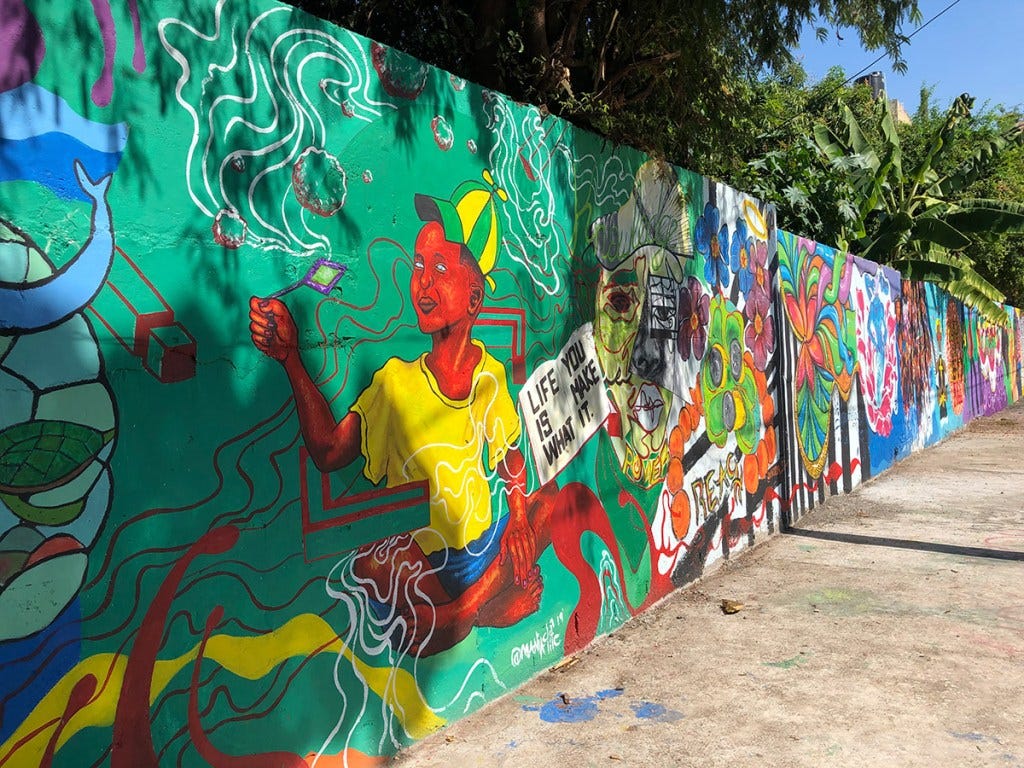
Jamaican street art is more than paint on plaster—it’s history, heritage, hustle, and hope. It’s a cultural compass, directing both residents and real estate watchers toward the heartbeat of a community.
Where walls are alive with expression, neighborhoods come alive with possibility. And when people feel connected to a place—not just the square footage—they invest in it, nurture it, and build futures around it.
As Jamaica grows, let the street art grow too. Not in defiance of development—but as a part of it.
“When we paint the streets, we don’t just change the view—we change the value. That’s the power of art in real estate.”
— Dean Jones, Founder, Jamaica Homes
Final Thought
Next time you pass a mural on a Jamaican street corner—whether it’s a lion roaring in Trench Town or a child reading in Stony Hill—pause for a moment. There’s a message there. And sometimes, that message is also an invitation: to invest, to preserve, to dream.
And maybe, just maybe, to buy a home next to a wall that speaks your language.
Disclaimer: This post is based on personal experiences and general real estate insights. It is not financial, legal, or professional advice. Always consult a qualified professional before making property investment decisions.