

Welcome Home: Jamaica’s Story—From the Fire of History to the Flame of Future

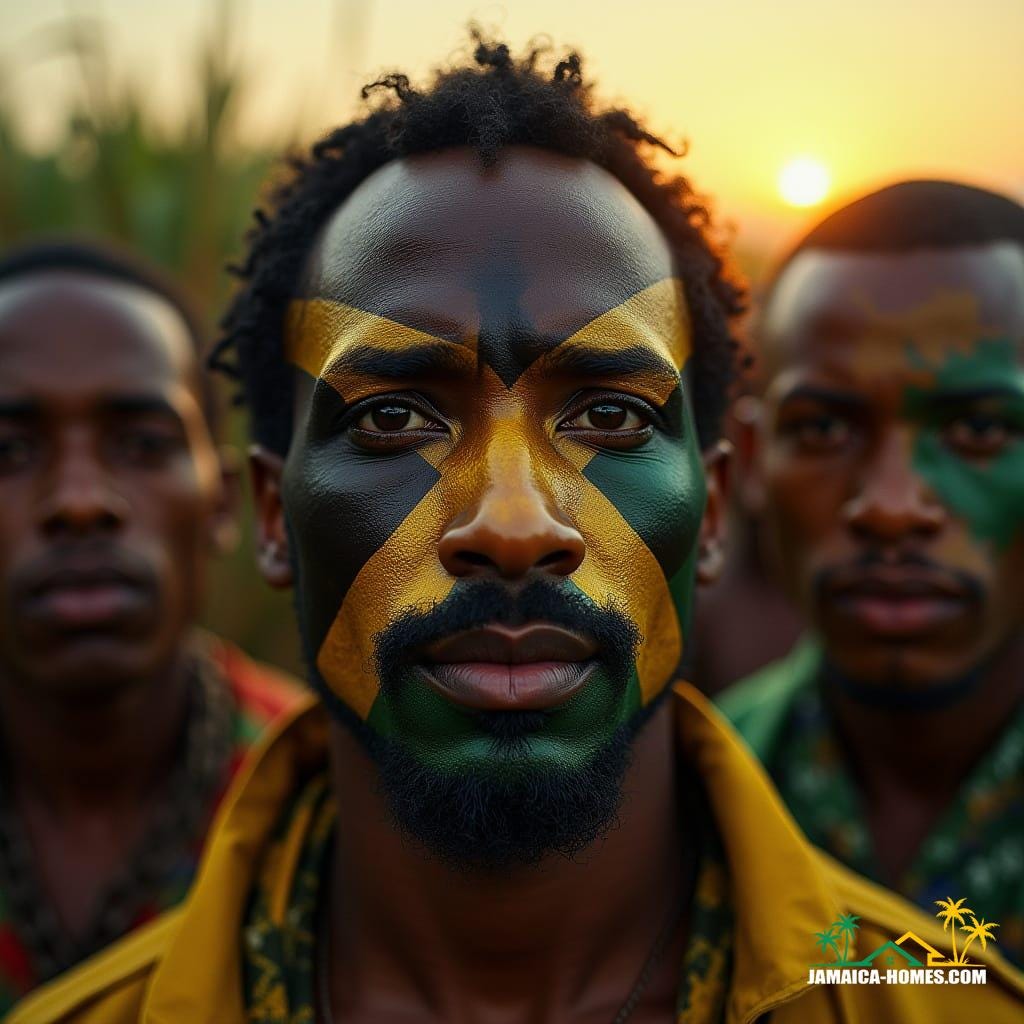
I write with profound pride. This is a story of a small island—roughly 10,990 km², nestled in the turquoise Caribbean Atlantic—whose people have endured, survived, and thrived. Jamaica’s journey begins in ancient viral pulse of the original Taíno, flows through the crucible of colonialism and slavery, and emerges into independence in 1962. Today, as we face a pivotal national moment—transitioning to a republic — we stand on the threshold of Vision 2030: Jamaica as the place of choice to live, raise a family, do business, and invest.
I. From Taíno to Colony to a People’s Republic
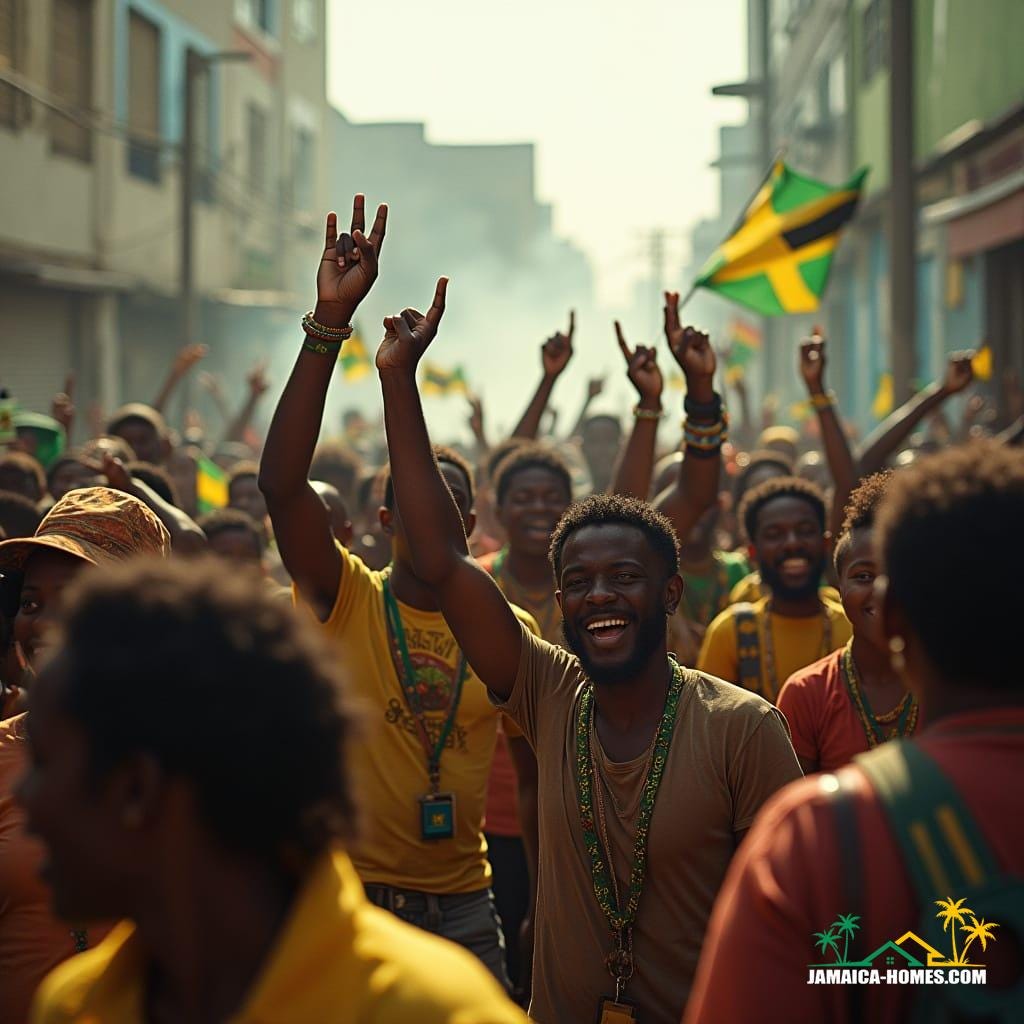
Centuries ago, Jamaica’s first inhabitants, the Taíno, crafted a rich culture of art and agriculture. The Spanish arrived in 1494. By 1655, British colonists took control, establishing sugar plantations powered by the brutal transatlantic slave trade. Hundreds of thousands of African captives arrived. They and their descendants endured unimaginable suffering—and through inherited trauma forged vibrant culture, resistance, and identity.
The 18th‑ and 19th‑century Maroons fought colonial forces in mountains and marshland. Their persistence sparked a flame that continues in Jamaica’s soul.
In the 1930s, labor unrest and political awakening galvanized national consciousness. Major political parties emerged: the People’s National Party (PNP), led by Norman Manley, and the Jamaica Labour Party (JLP), led by Alexander Bustamante. In 1944, universal adult suffrage electrified participation.
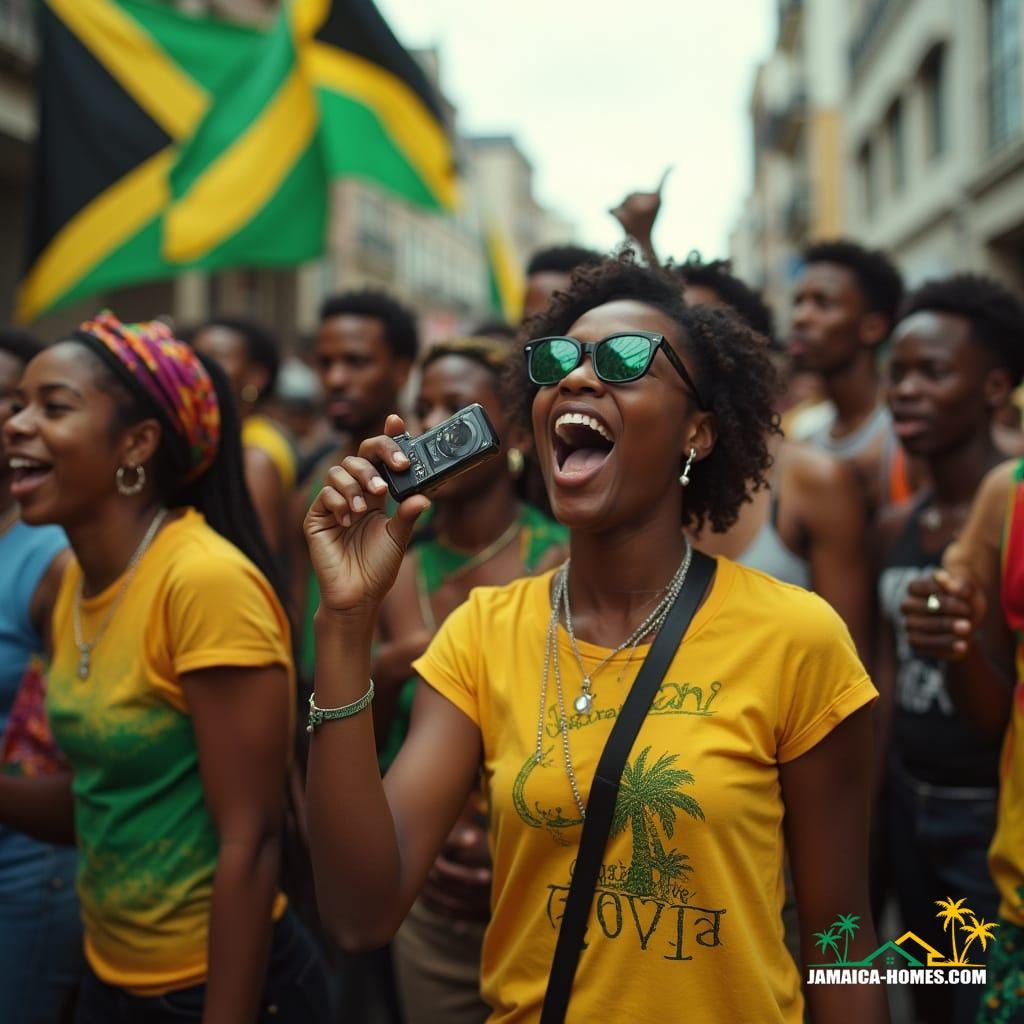
Then came August 6, 1962: independence was declared. The Union Jack was lowered, and the Jamaican flag rose at midnight. Alexander Bustamante became the first Prime Minister. Though we remained a constitutional monarchy, the nation’s spirit shifted decisively toward self-determination.
II. “Out of Many, One People” – The Strength of Diversity
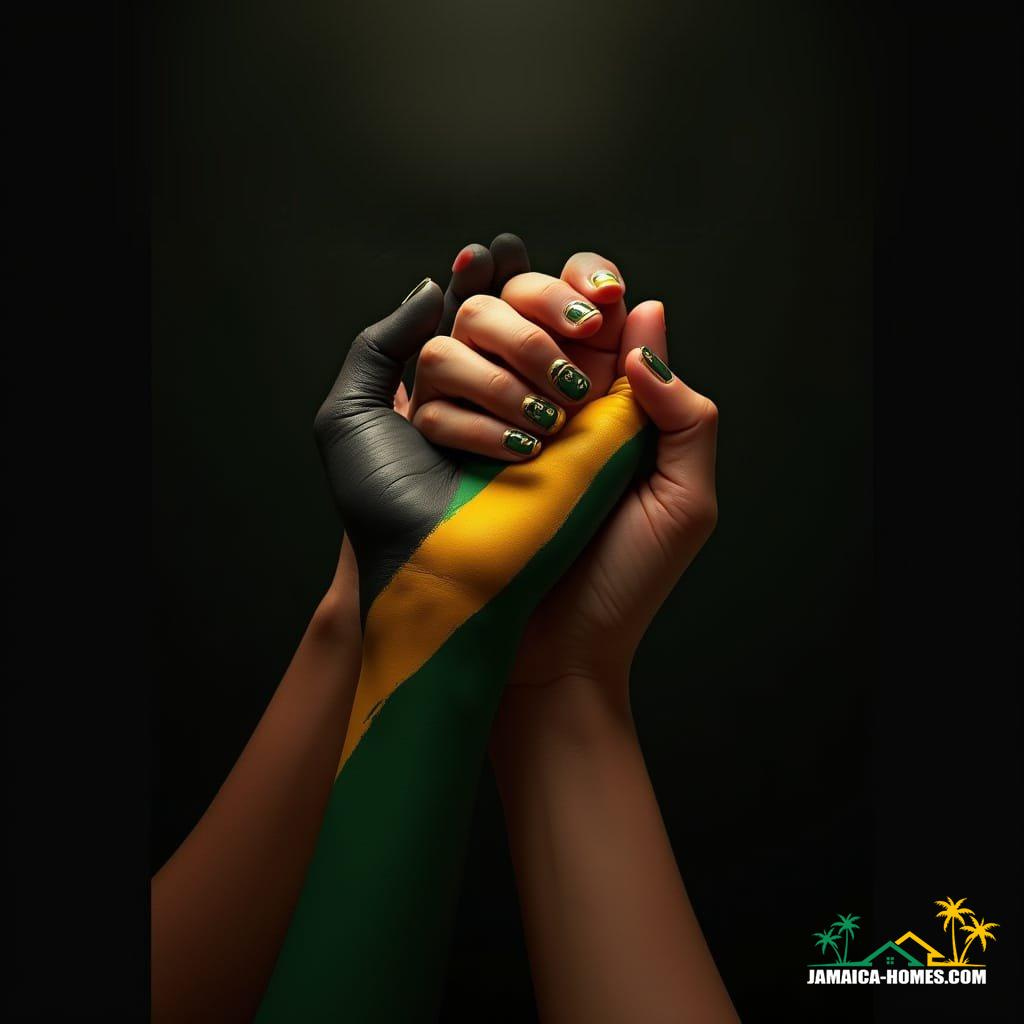
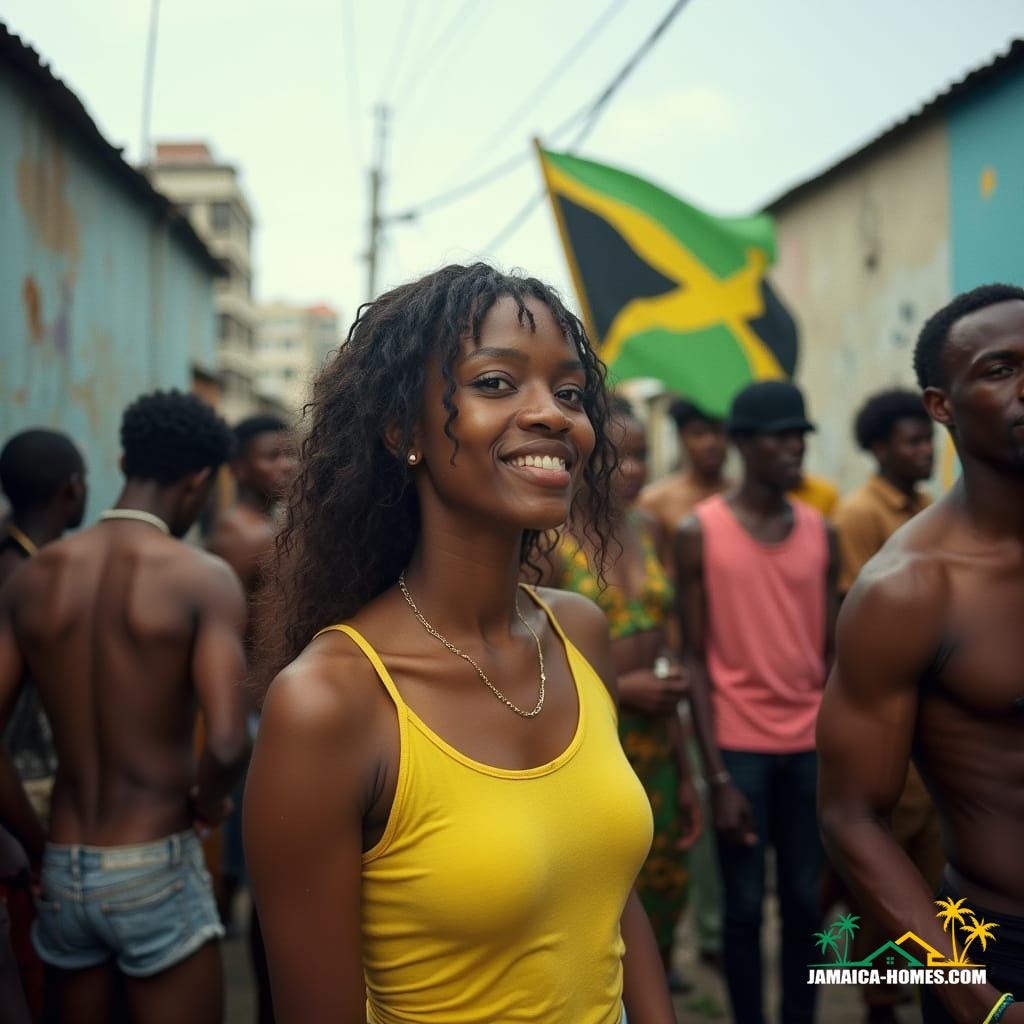
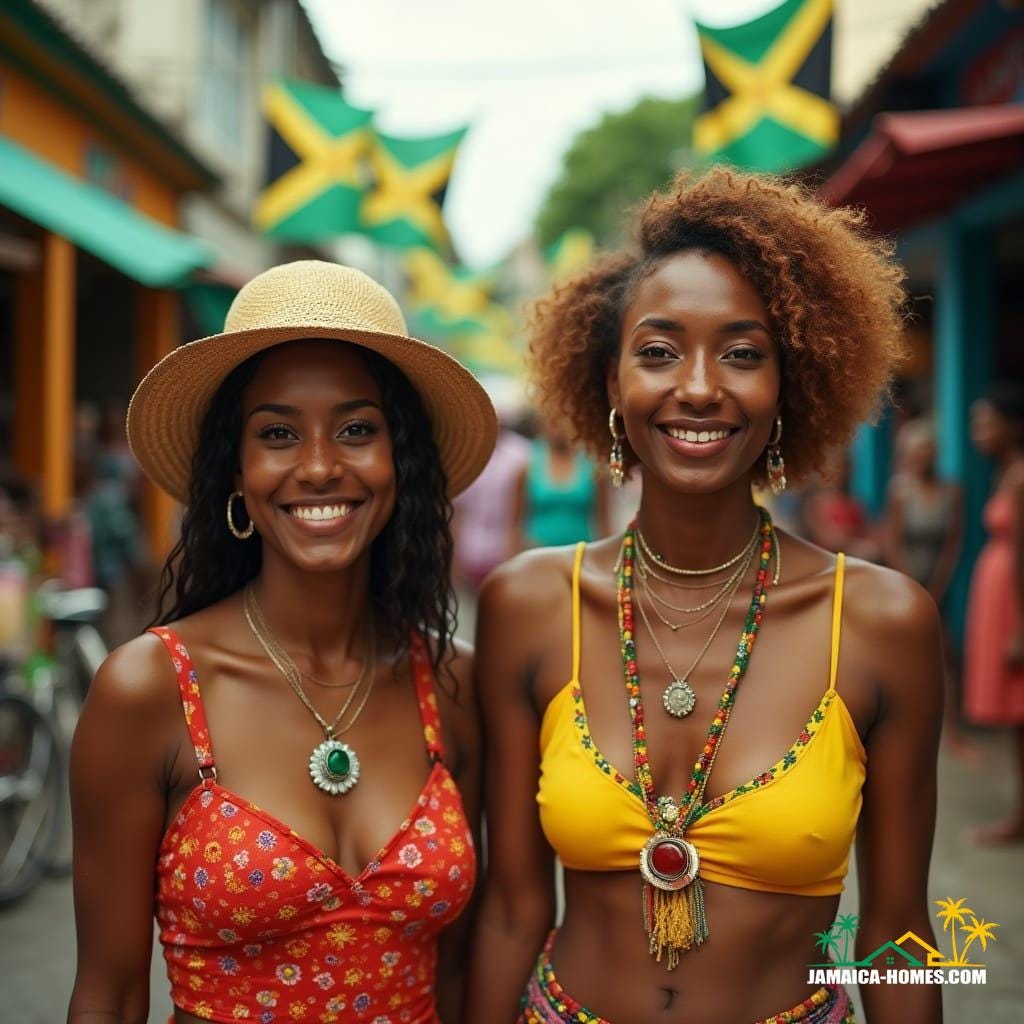
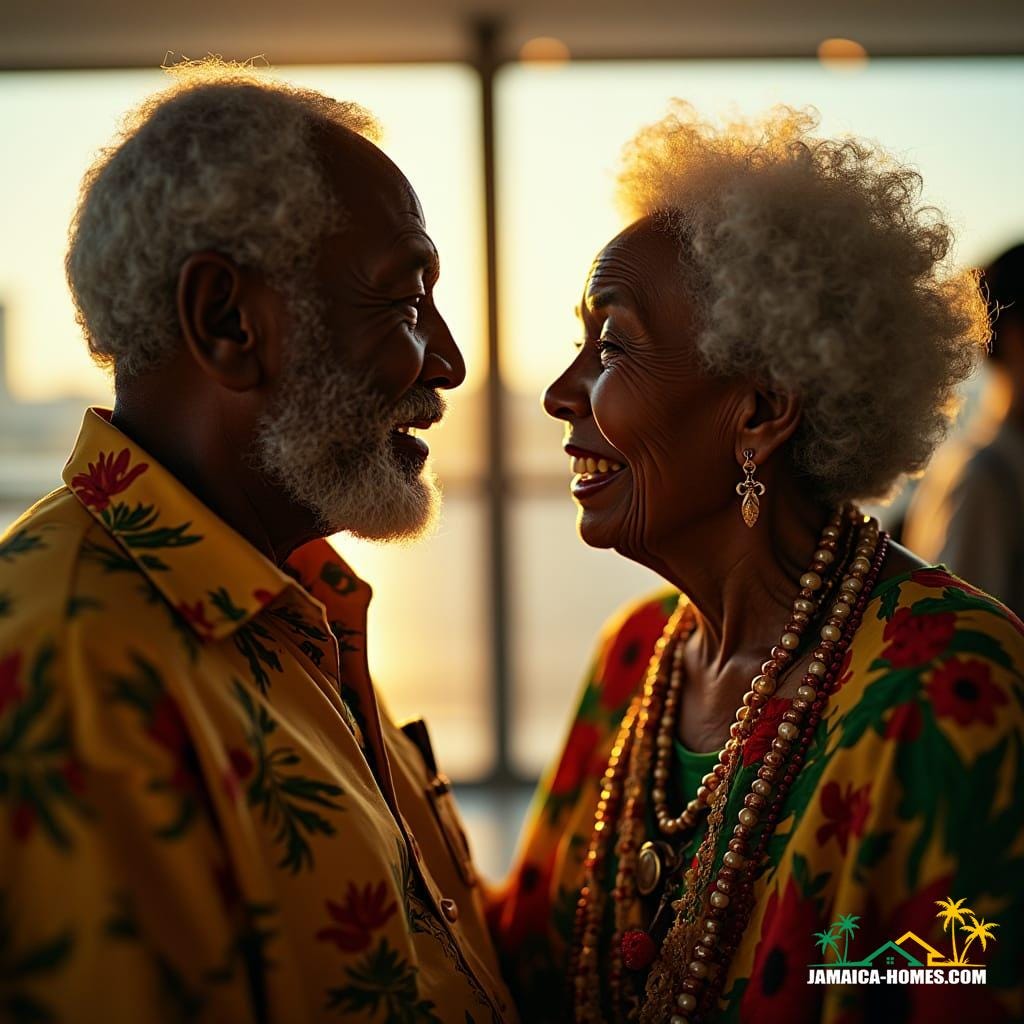
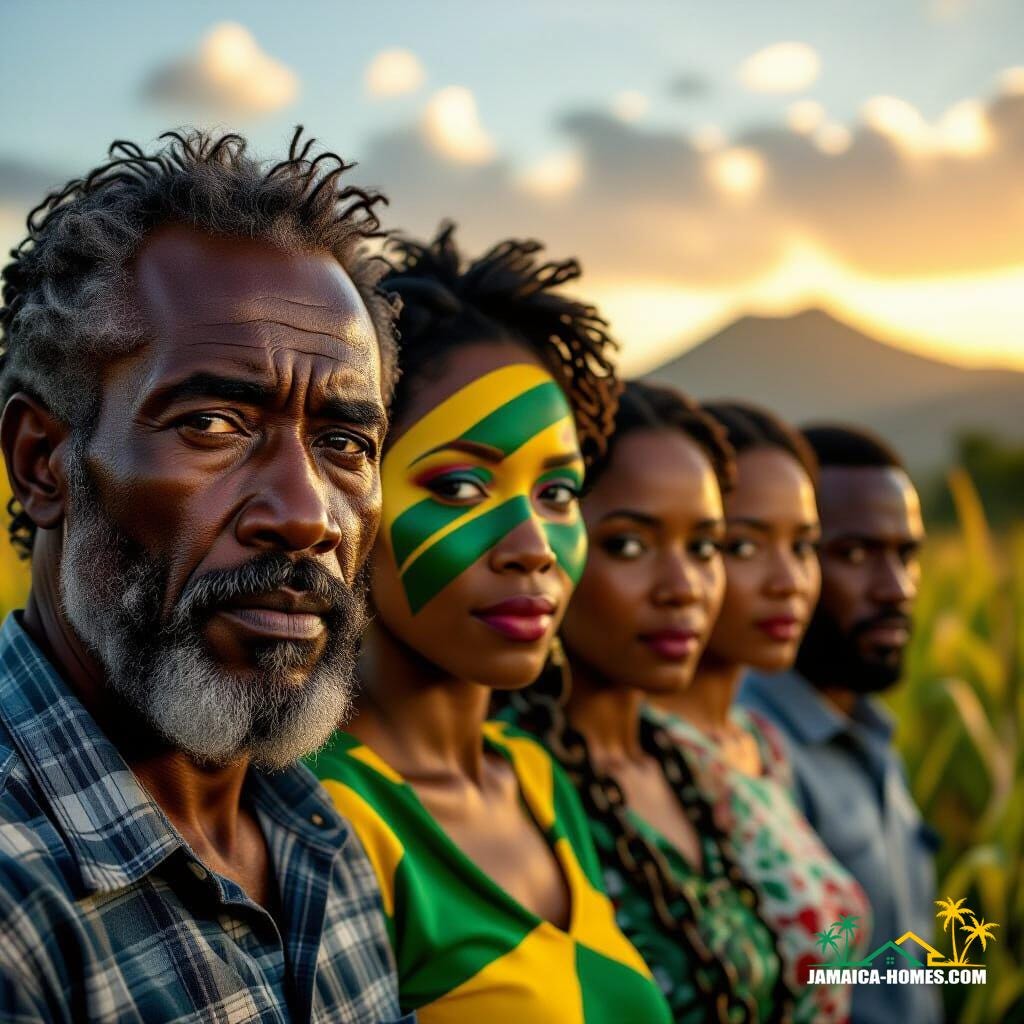
Our motto—Out of Many, One People—encapsulates our ethos. Jamaicans are largely of African descent (~76 %), but we also include people of mixed race (~15 %), East Indian (~3 %), Chinese (~1 %), European (~3 %), Middle Eastern and others. Each group has contributed courage, creativity, commerce, faith, and community.
Black Jamaicans, the majority, see independence as affirmation of self-rule and cultural identity. Many speak frankly of ongoing challenges: crime, inequality, political disappointment. Yet the flame of resilience burns strong.
Mixed‑race and Afro-European Jamaicans, historically part of colonial elites, have embraced nationhood in recognition of a future rooted in collective unity.
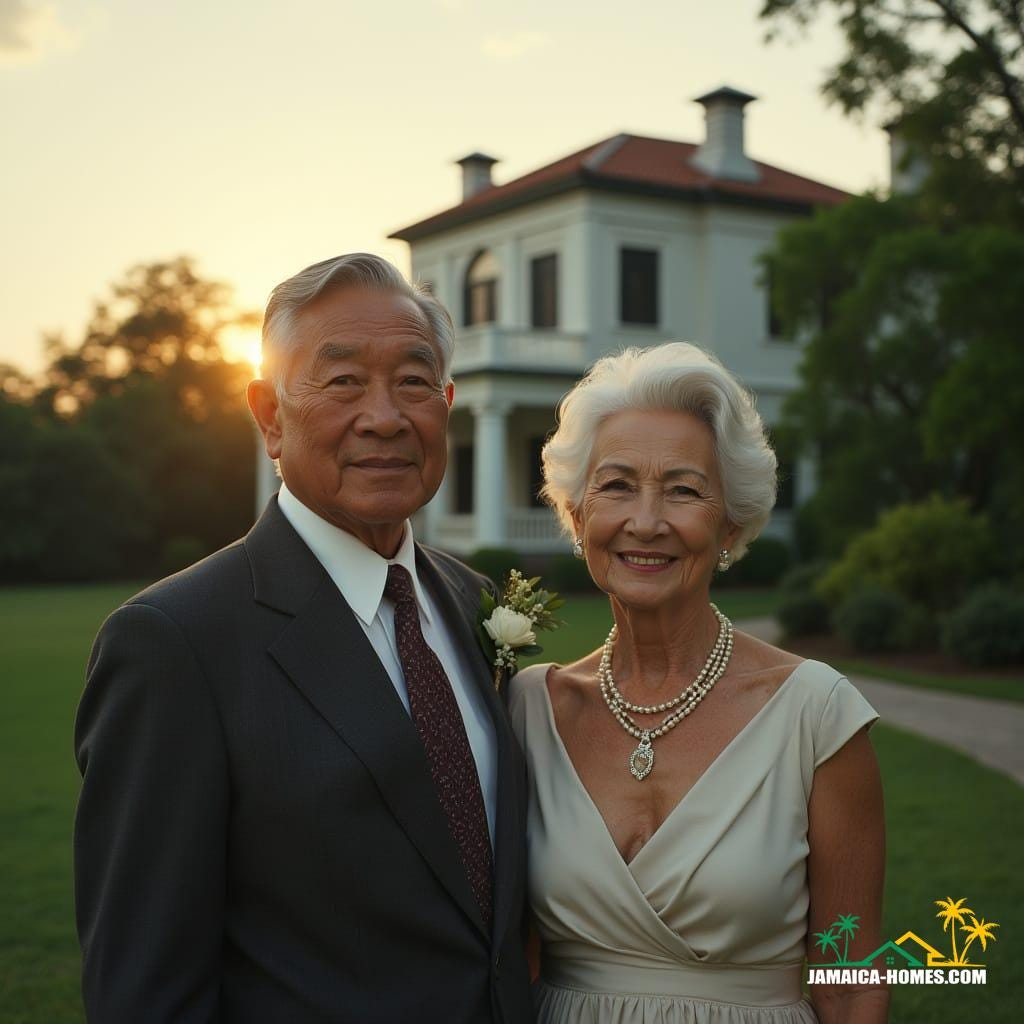
Indian, Chinese, Middle Eastern, and White Jamaicans, though smaller in number, reflect the entrepreneurial, cultural, and social mosaic that informs modern Jamaica.
In forums and online spaces, Jamaicans speak with blunt clarity:
“What happened in Britain and the US … brought the conversation locally … about our own identity as people of colour.” – Wikipedia
And from everyday voices: “Regular Jamaicans tend to be either indifferent or fond of the monarchy … ordinary folk … greeted the couple [royal visitors] with loud cheers” even as protests numbered only a few. – Reddit
III. Today: A Constitutional Reckoning
Though independent since 1962, Jamaica still retains the British monarch—now King Charles III—as head of state, represented locally by the Governor‑General. That is changing.
In December 2024, the Jamaican government introduced the Constitution (Amendment) Republic Act 2024, tabling a bill to remove the monarchy and establish a Jamaican president as head of state. This bill allows for constitutional reform, “Jamaicanisation” of the constitution, and later phases to determine Jamaica’s final court of appeal, such as the Caribbean Court of Justice (CCJ).
The reform process is already over 50 % complete, says Minister Malahoo Forte. The bill could be debated in early 2026 and eventually require a two‑thirds majority in both houses of Parliament and a public referendum to pass.
Public opinion has ebbed and flowed: support hovered near 59 % in 2022, dipped to around 45 % in 2023, and by late 2024 surveys put support at about 38 % with many undecided.
Some critics caution:
“We must make sure that it’s not a cosmetic surgery being done… we don’t want to swap … a titular president.” — Steven Golding of the UNIA, urging executive presidential power.
Former PM PJ Patterson warns: “I do not support the idea of a ceremonial president … Jamaica needs a leader … reflective of the will of the people.”
Meanwhile others view the change as overdue—a symbolic and actual end of colonial ties.
IV. Vision 2030: Jamaica’s Future
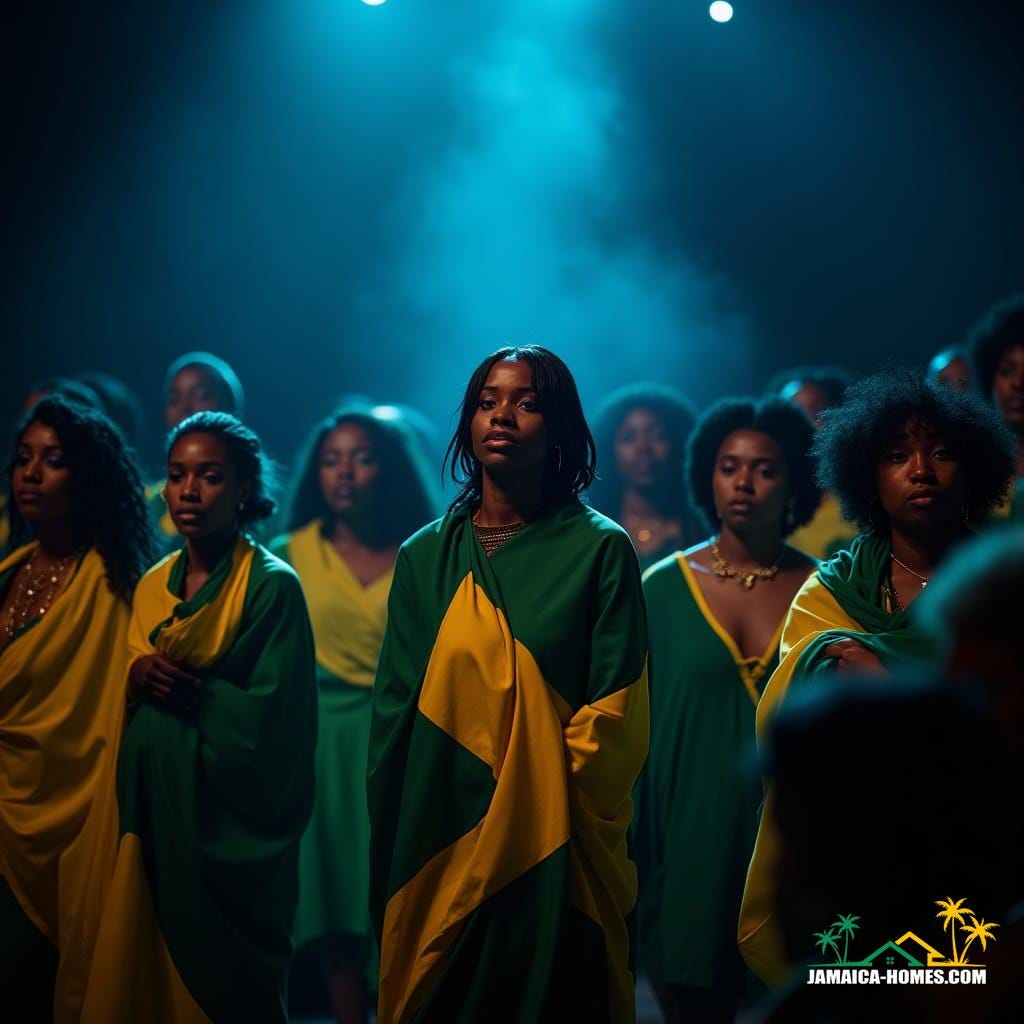
Embedded in our national trajectory is Vision 2030 Jamaica, the first long‑term strategic development plan (2009–2030). It envisions Jamaica as the place of choice to live, work, raise families, and do business; structured around four goals and fifteen national outcomes including inclusive growth, innovation, security, sustainable development, and high human capital development.
V. A Calling Home: Why Now
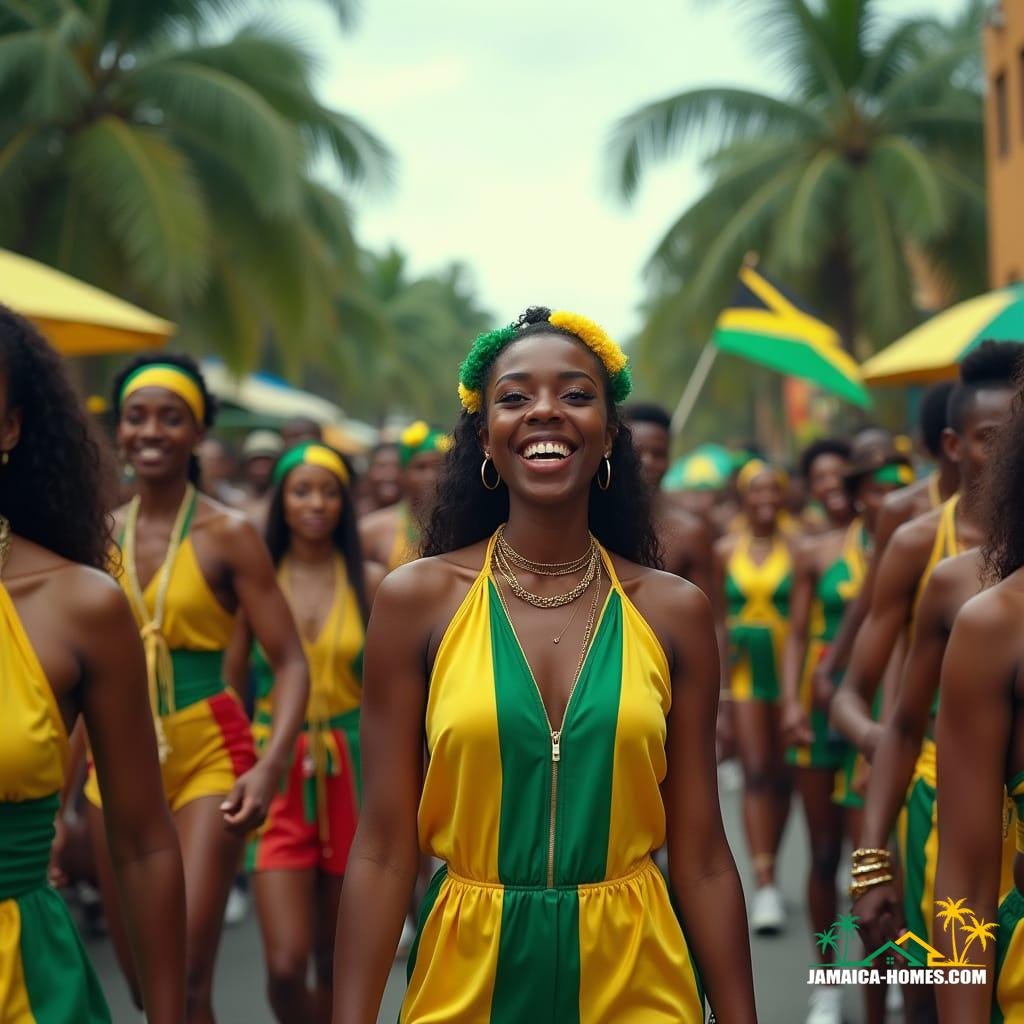
To diaspora Jamaicans, to global friends and allies: this is our invitation. Jamaica is not just a paradise sun or reggae rhythm—it is a nation reborn, shaped by diversity, driven by resilience, reaching for excellence, the stars and beyond. We punch above our weight class: athletes like Usain Bolt, artists, business leaders, entrepreneurs and innovators have stretched the island’s reputation across every corner of the earth.
As we rise. Now we ask: join us in the next chapter.
Invest in Jamaica Homes. Invest in Jamaica. Together, let us build sustainable developments rooted in local communities, blending green design with cultural legacy. Let us support education and entrepreneurial hubs, especially in underserved parishes. Let us amplify Jamaican music, film, craft, cuisine, art and tourism in responsible, regenerative ways.
VI. The Narrative of Resilience
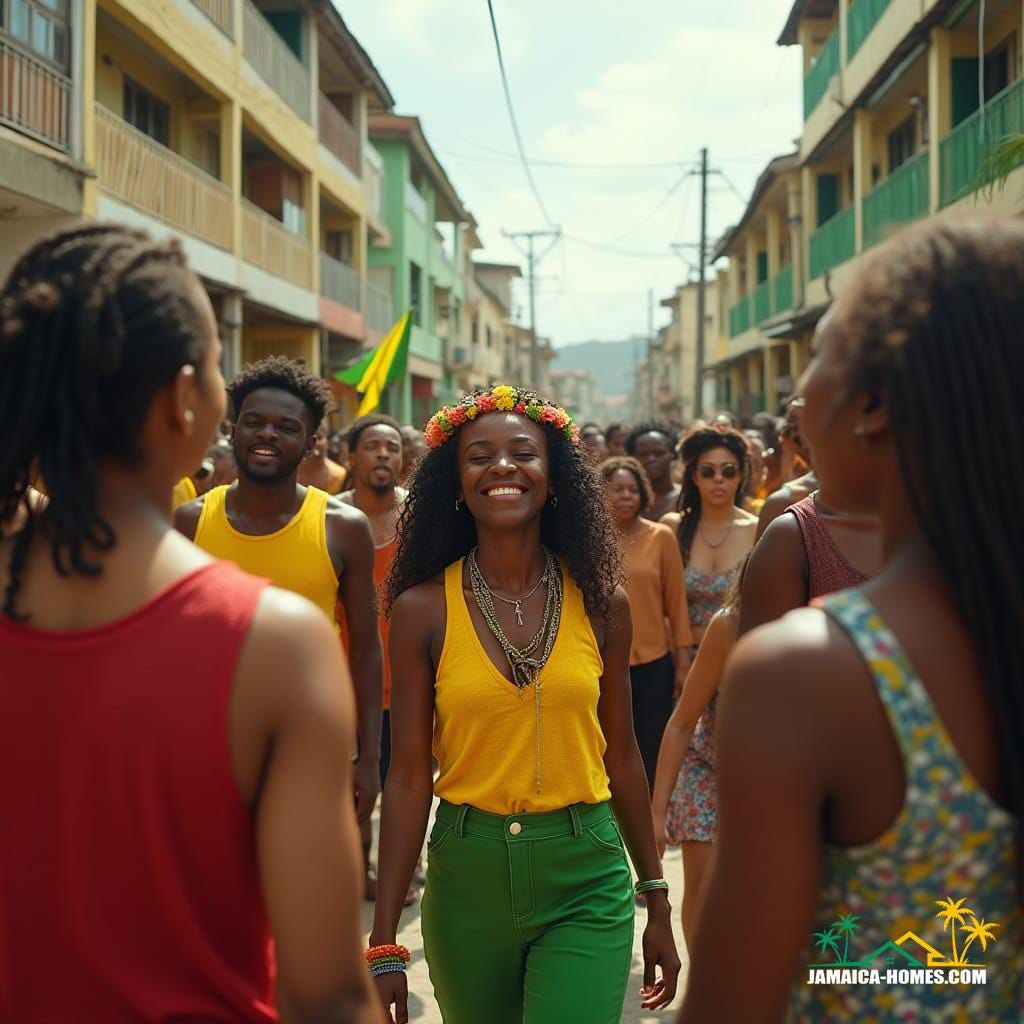
Every corner of Jamaica bears scars of past trauma including our people — and every scar is testimony to survival and transformation:
Maroon strongholds in the clouds of the Blue Mountains resisted colonization for years.
Villages rebuilt after hurricanes, floods, economic shocks.
Communities of mixed descent forging businesses from nothing.
Origin stories of Indian and Chinese Jamaicans, arriving in indentureship, forming markets, grocers, pharmacies—not always welcomed, but indispensable to our economy and society.
We are a people born of defiance, of joy, of global reach. Jamaican-ness is a state of mind: wherever you are, the island and culture is with you.
Reflections by Dean Jones, Founder of Jamaica Homes
“True independence starts in the mind. It’s not just about changing symbols — it’s about reclaiming the power to shape our own destiny.”
“Jamaica’s greatest crown is not worn by royalty, but by the people — everyday heroes building homes, raising families, and dreaming boldly.”
“We don’t need a ceremonial shift. We need a conscious awakening — where leadership reflects our values, our struggles, and our triumphs.”
VIII. A Visionary Future: Republic, Renewal, Reclamation
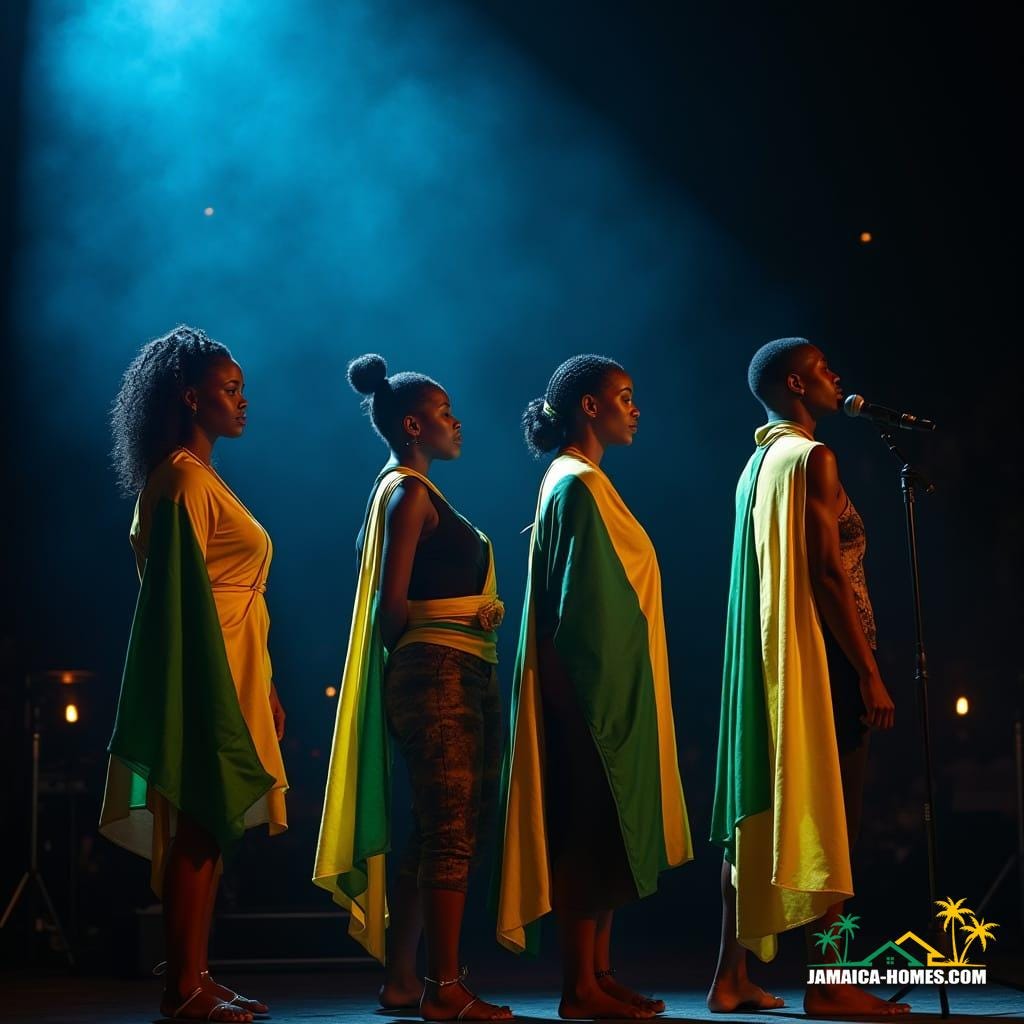
Imagine a Jamaican Republic—not divorced from Commonwealth partnerships, but stepping boldly into its own maturity. A nation no longer borrowing identity, but defining it.
This isn’t about severing ties. It’s about strengthening foundations. True independence in the 21st century means more than a new title—it demands structural reform powered by justice, equity, and innovation.
A head of state chosen by the people or balanced by Parliament—respected, accountable, and symbolic of Jamaican sovereignty.
The Caribbean Court of Justice as our final court of appeal—accessible, rooted in regional values, and equipped for the digital age.
A new constitution—not inherited or patched—but written by Jamaicans, for Jamaicans, reflecting our struggles, dreams, and multi-ethnic story.
A public movement—through civic education, AI-enhanced learning tools, community dialogues, and digital town halls—empowering Jamaicans to engage deeply with issues of identity, reparations, and constitutional ownership.
In this age of AI and rapid digital advancement, Jamaica can’t afford symbolic gestures. We need a republic that is designed for the future, owned by the people, and driven by local innovation—aligned with Vision 2030 and beyond.
This is the future we must earn—not one handed down, but one built with wisdom, will, and technology. A republic not just declared, but defined.
IX. Invitation to Stakeholders Everywhere
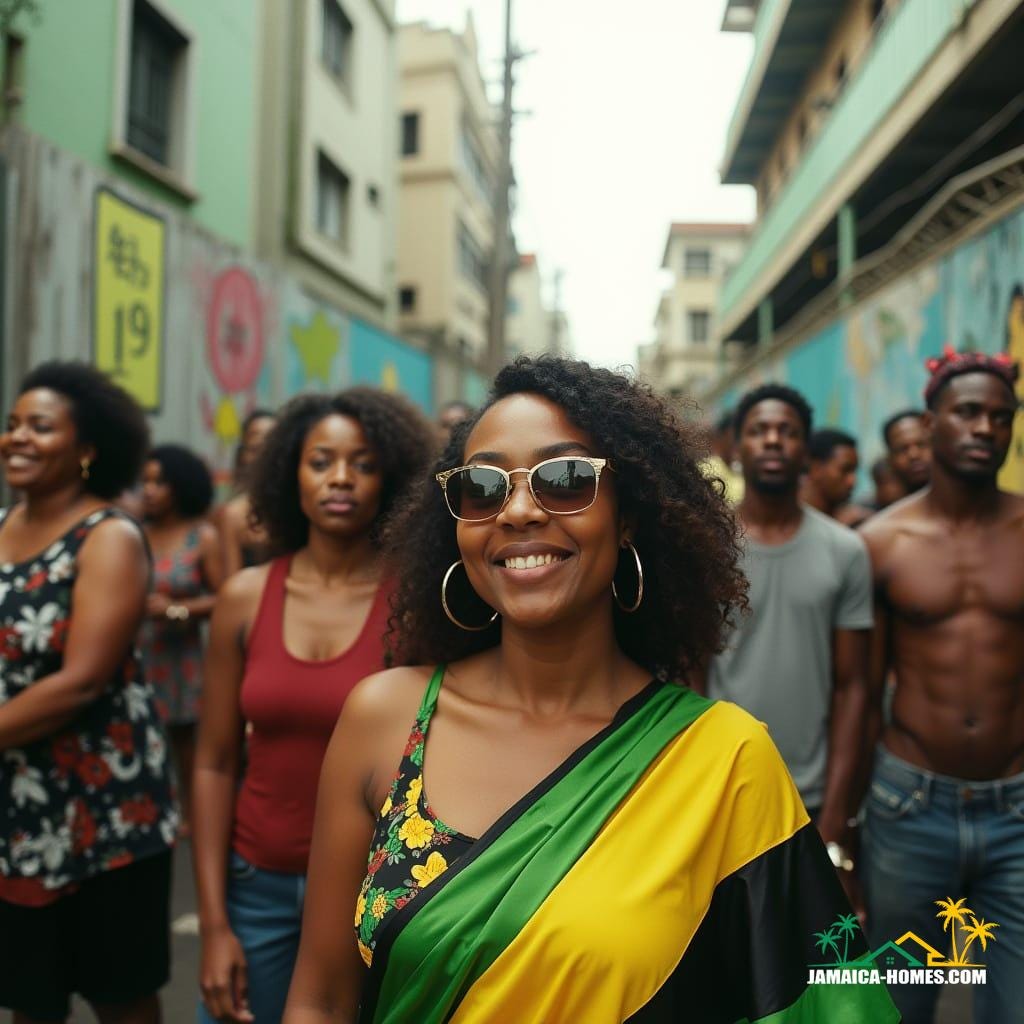
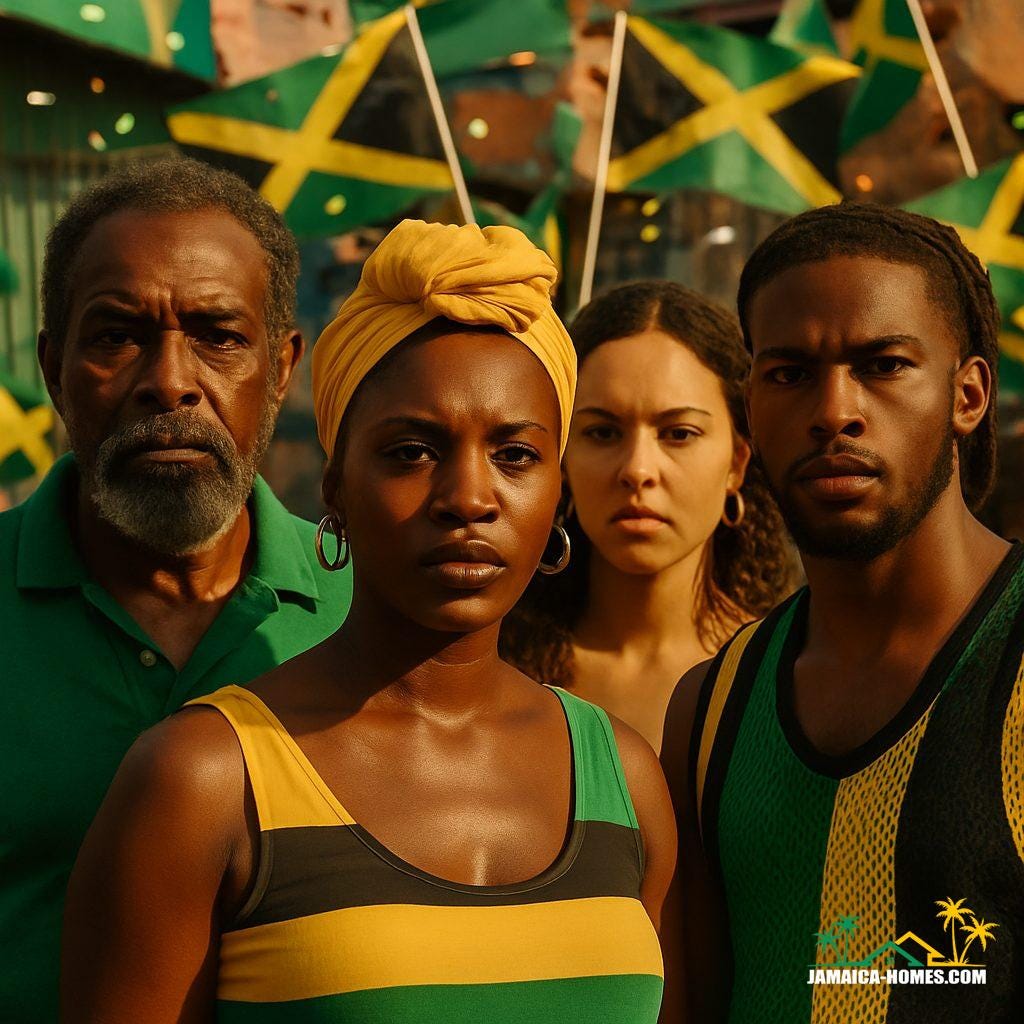
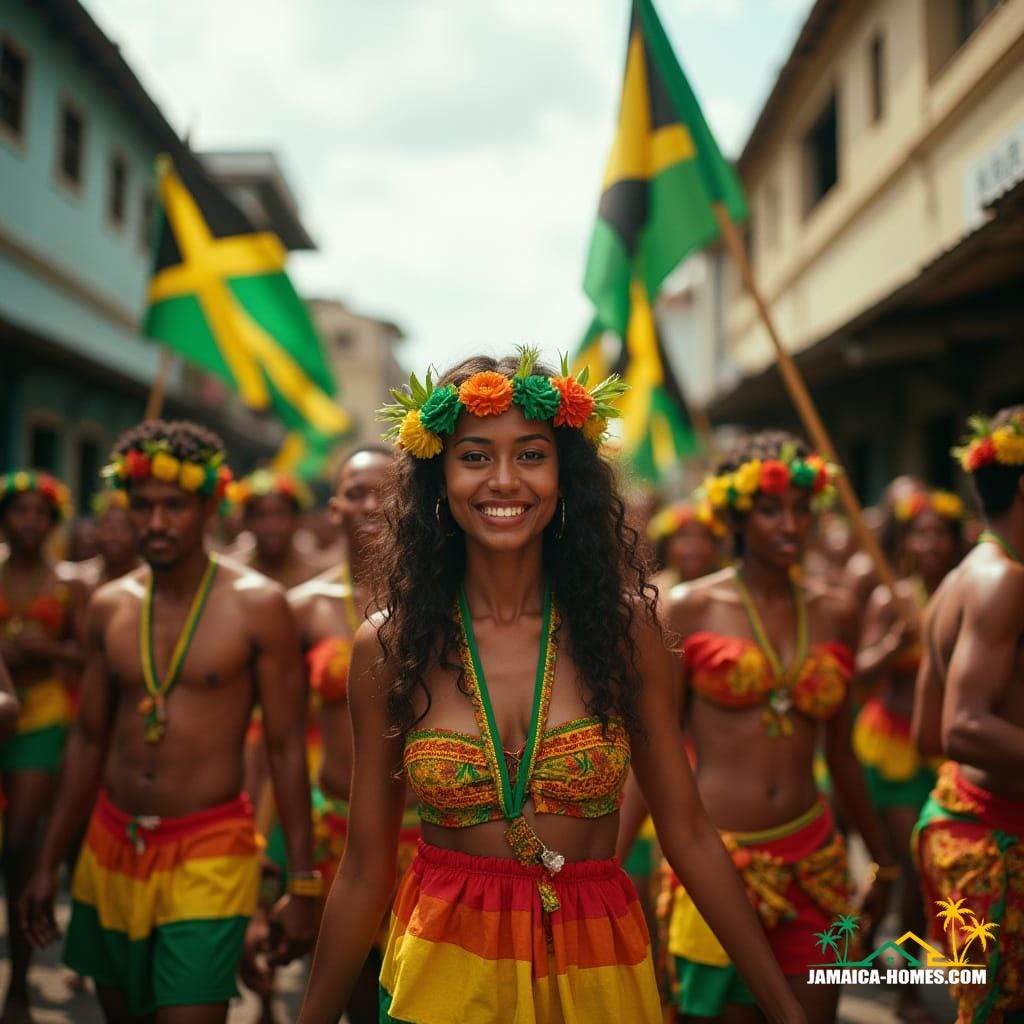
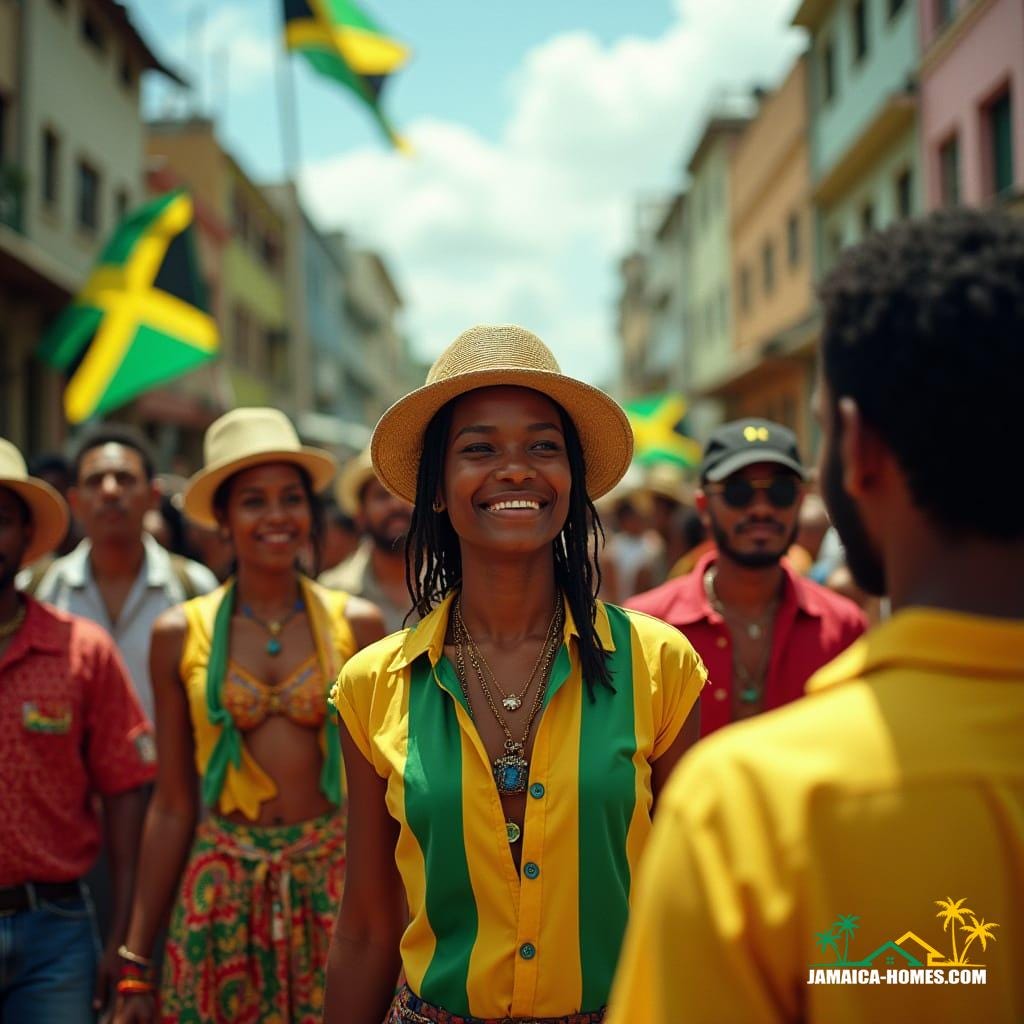
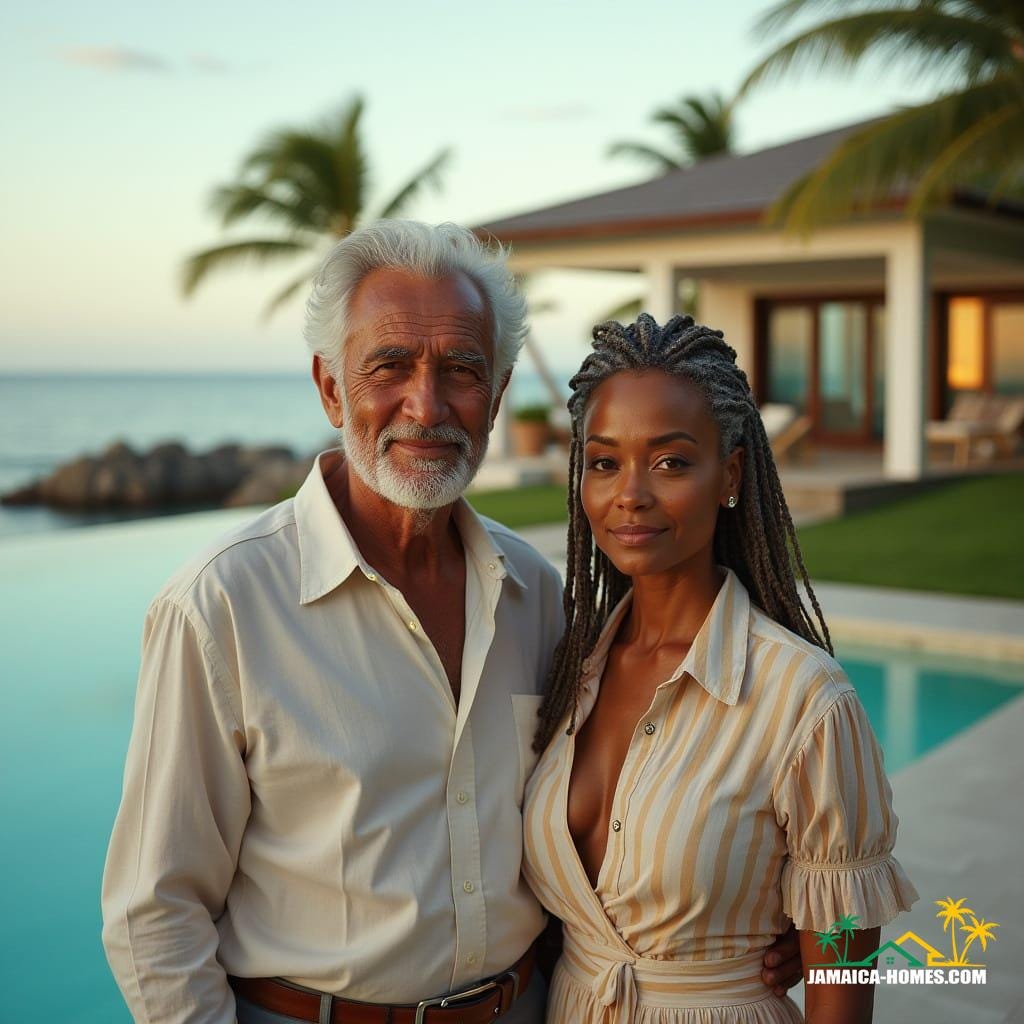
To diaspora leaders: bring your capital, your networks, your love back home. Partner with Jamaican entrepreneurs, build enterprises in regenerative tourism, renewable energy, culturally rooted housing. Jamaica Homes stands ready to collaborate.
To global investors: Jamaica’s strategic location, English-speaking population, diaspora ties, and booming creative economy offer rich opportunity. But we ask you to invest with values aligned to sustainability, equity, inclusion.
To lovers of Jamaica everywhere: the culture, the history, the music, the food, the spirit—we need you to help us tell our story in the global village as it moves into its next phase.
Closing Vision
We come from fire — from centuries of colonial brutality, slavery, indenture, resistance, and systemic inequality. Yet, Jamaica—the island of wood and water—rose phoenix-like. We declared independence in 1962. Now, the republic bill marks the next step: owning our constitution, our head of state, our decisions.
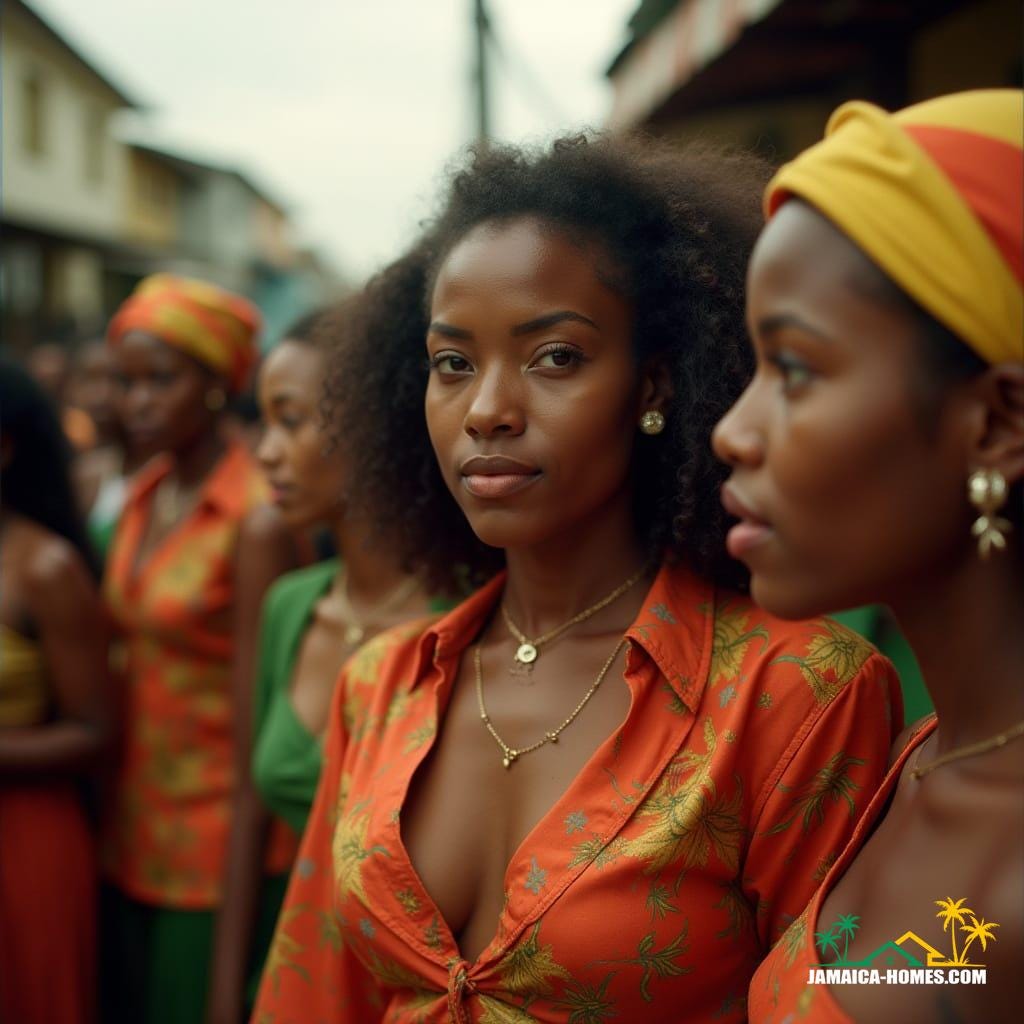
Our strength is our diversity. Out of Many, One People is not just a motto—it is the beating heart of our island. From African roots to Maroon valor, from Chinese merchants to Indian entrepreneurs, from European settlers to Middle Eastern craftsmen, Jamaica’s mosaic is its power.
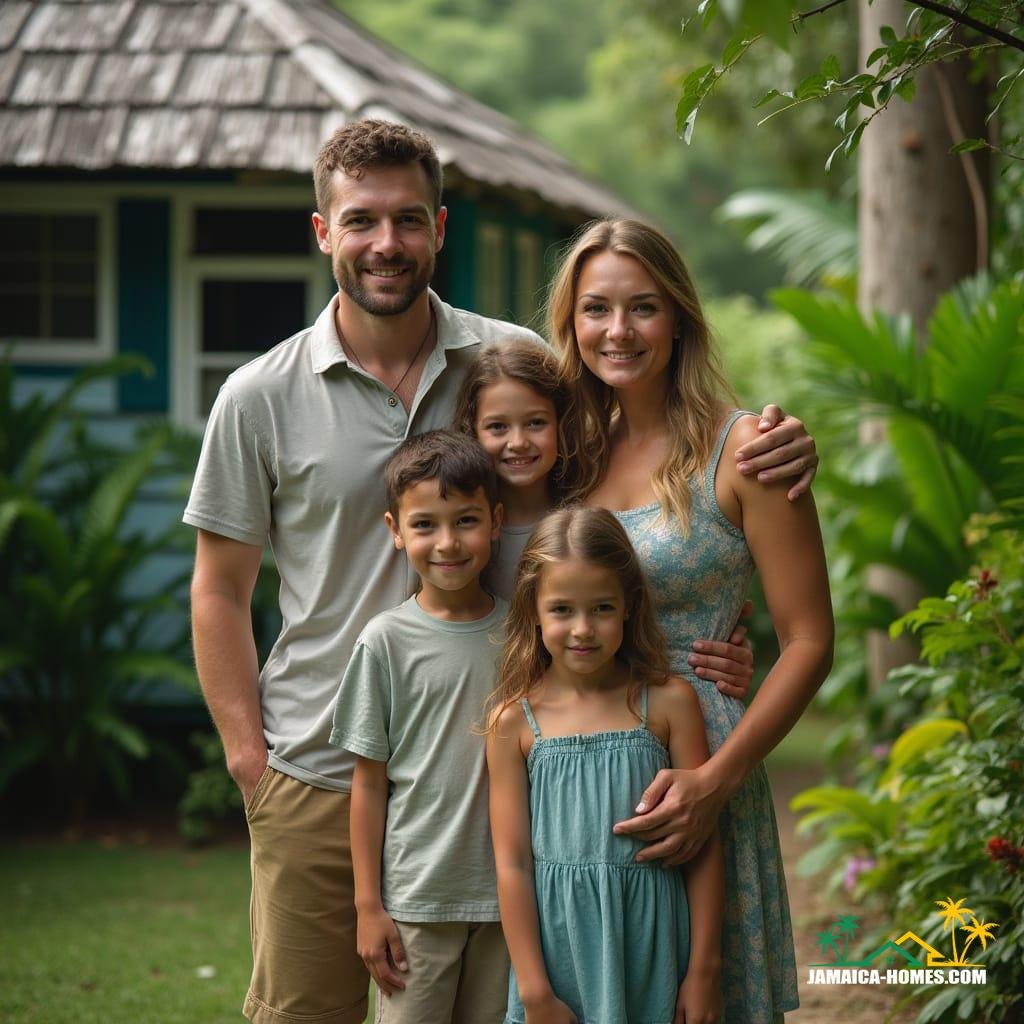
If you have ever felt Jamaica in your blood, Jamaica in your heart, Jamaica as your home — today I invite you to return in purpose and partnership. Let us grow together, building equitable communities and world-class infrastructure, rooted in cultural identity, sustainability, and shared prosperity.
We are charting a vision of bold, inclusive nationhood: a republic that reflects our people and a Jamaica that is the place of choice in the world.
Welcome home. Invest with us. Dream with us. Build with us. Rise with Jamaica.








Disclaimer:
All images and text used in this publication/website/post are for informational, educational, and illustrative purposes only. Unless otherwise stated, the images are either the property of Jamaica Homes or have been sourced from royalty-free or licensed platforms. Any resemblance to real persons, living or dead, is purely coincidental. Quotations, opinions, and reflections expressed—especially those attributed to Dean Jones, founder of Jamaica Homes—are intended to inspire thought and conversation and do not constitute legal, financial, or professional advice.