
 by
by 
There are moments when a song doesn’t just fill the air — it fills the story of a nation. The rhythm carries memory, the words carry pride, and the message carries hope. That is the spirit of JamaicaJamaica, with its vibrant culture and stunning landscapes, has a unique position in the global real estate market. The i... More. A landIn real estate, land is a foundational element that significantly impacts the value and potential of a property. It enco... More where the peopleThe people of Jamaica embody a spirit that is at once richly diverse and unbreakably unified, as captured by the nationa... More have always been thankful for the blessings that fall on the table, mindful of the struggles behind them, and determined to rise strong, against all odds.
This is the story of Jamaican real estateJamaican real estate encompasses a diverse property market within Jamaica, including residential homes, commercial build... More — not only the land and propertyProperty encompasses a wide range of tangible assets that individuals or entities can own, utilize, or invest in, includ... More we build upon, but also the soul of the island, the struggles endured, and the victories won. It is a journey from colonial hardship to emancipation, from scarcity to opportunity, from migration to return. A journey that has shaped the very way JamaicansJamaicans are a resilient and vibrant people with a deep-rooted history defined by courage, resistance, and cultural ric... More look at “home.”
The First Foundations: Land, Struggle, and Emancipation
Jamaica’s earliest foundations were built not by choice, but by force. Enslaved Africans were brought across the Atlantic, stripped of freedom, yet never stripped of spirit. They worked the plantations under unbearable weight, but still carved out space to dream, to believe, and to sing songs of redemption.
When Emancipation came in 1838, freedom brought dignity — but not land. For many, the journey toward ownership was still steep. Freedmen purchased small plots, often in the hills where the soil was rocky and thin, but those plots became sacred ground. Every yardIn Jamaican Patois, the term "yard" carries a special significance beyond its literal meaning of a plot of land. Traditi... More was a claim, every fence line a boundary of new identity.
It was hard. It was not an easy road. But Jamaicans knew that to toil, to bend without breaking, was to rise. The midnight oil was burned in quiet persistence. And though the foil of hardship crushed many, the willIn Jamaica, a will is a legal document created by an individual to specify how their assets, including their belongings ... More to survive pressed on like fire beneath iron.
Land was not simply property. Land was belonging. Land was strength.
Migration and the Dream Beyond the Shore
As the 20th century opened, opportunity often seemed like it was somewhere else. Jamaicans began leaving the island, searching for better prospects abroad. Some left for Cuba, Panama, or Costa Rica; others looked northward to the United States, Canada, and especially Britain.
The Windrush generationThe Windrush generation, encompassing Caribbean immigrants arriving in the United Kingdom between 1948 and 1971, has lef... More became a symbol of this journey. In 1948, hundreds of Jamaicans boarded the Empire Windrush to Britain, carrying not only suitcases but the rhythm of KingstonKingston, the capital city of Jamaica, embodies a dynamic fusion of historical depth and contemporary vitality. Establis... More and the spirit of Montego BayMontego Bay, often referred to as MoBay, is one of Jamaica's most popular tourist destinations, known for its stunning b... More. They went with determination: to work, to build, to send money home. They faced prejudice, exclusion, and harsh living conditions. Yet even in foreign streets, the dream of Jamaica never faded.
Those who stayed abroad still prayed for health and strength, for good people and good vibes, for peace of mind. They built lives overseas, but they never forgot where they were coming from. And always, always, the thought lingered: one day, to return.
Diaspora Returns: Coming Back Strong
As decades passed, many Jamaicans abroad began to return home — some for retirement, some for investment"Investment" in the realm of real estate refers to the allocation of money or resources into property with the expectati... More, and some for sheer longing. With them came new capitalCapital refers to the financial resources, whether in the form of equity, debt, or other assets, that individuals or bus... More, new experience, and new vision. They saw Jamaica not only as birthplace, but as opportunity.
Land, once hard to own, now became a key to legacyLegacy, in the context of Jamaica, real estate, and the broader world, represents the enduring impact of past actions, a... More. Homes were built, developments rose, and returning Jamaicans poured their efforts into the soil of their youth. From the hills of ManchesterManchester is a parish located in central Jamaica, known for its cooler climate and picturesque landscapes. Renowned for... More to the coasts of St. Mary, from Kingston’s bustling heart to Montego Bay’s tourist embrace, investments reshaped the island’s real estateReal estate refers to property consisting of land and the structures on it, such as buildings and homes. It also include... More landscape.
The diasporaIn the context of Jamaica, real estate, and the broader global sphere, diaspora refers to the community of Jamaicans liv... More did not come back empty-handed. They came back thankful, humble, but also ready. They came back willing and able to build upon the blessings before them. They understood that the struggles of the past had paved the road to possibility.
And just as importantly, they came back to give — helping hands extended to family, to communityIn Jamaica, "community" refers to more than just a geographic area; it embodies a collective identity rooted in shared e... More, to nation.
Icons and Heroes: Jamaica on the Global Stage
No story of Jamaica can be told without its icons. Leaders who envisioned a future of freedom, artists who voiced the nation’s struggles, athletes who carried the flag across finish lines.
Marcus GarveyMarcus Garvey, one of Jamaica's most important heroes, was born in Saint Ann in 1887 and grew up to inspire people all o... More spoke of pride and self-determination, urging Jamaicans to rise and never stumble. Bob MarleyBob Marley refers to the iconic Jamaican musician and cultural figure renowned for his contributions to reggae music and... More sang redemption songs that carried the island’s message to every corner of the world. Louise Bennett-Coverley celebrated the voice of the people in their own tongue, lifting Patois from margin to center.
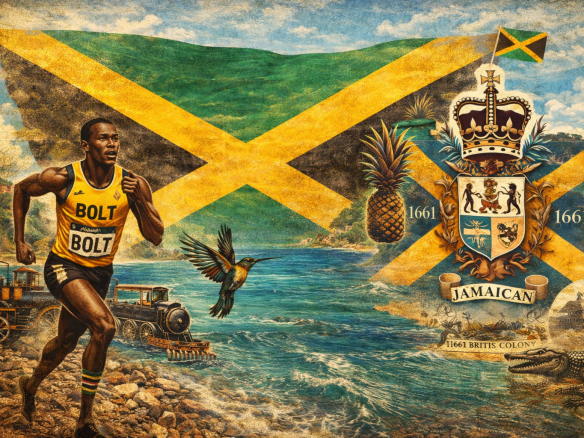
Then came new stars — from Usain Bolt sprinting into history to contemporary artists and entrepreneurs carrying the JamaicanThe term "Jamaican" encompasses the citizens of Jamaica and their descendants in the Jamaican diaspora, representing a d... More name with strength. Each achievement is not isolated; it is part of the long arc of resilience. Each is a reminder that, no matter how rough the road, Jamaicans rise strong.
And just like the refrain of a song, they give all praises to the Most High for the journey that has brought them here.
Real Estate as Legacy
Property in Jamaica today is more than square footageIn real estate, square footage refers to the measurement of livable space within a property, which plays a critical role... More, more than concrete and steel. It is memory and future entwined. It is where family gathers, where children are raised, where generations leave their mark.
Real estateIn Jamaican real estate, an estate refers to the total collection of assets and property owned by an individual, especia... More has become one of the most powerful vehicles for Jamaicans at home and abroad to invest in the nation’s future. Whether it’s beachfrontBeachfront refers to properties that are directly situated along the edge of the sea or ocean, offering immediate access... More villas in Ocho RiosOcho Rios is a popular resort town on Jamaica's north coast, known for its natural beauty, vibrant tourism industry, and... More, modern apartments in Kingston, or farmland transformed into residential schemes, investment in property reflects a deep, collective understanding: owning land is owning destiny.
The expatriates who chose to settle in Jamaica also played their role. Some came for the sunshine, some for business, and some for love of culture. They brought fresh ideas, sometimes controversy, but often energy that contributed to Jamaica’s developmentIn Jamaica, the term "development" can refer to various contexts, each with its unique focus and implications. Real esta... More. They became part of the mix that built the island’s modern identity.
The Future: Building on Strong Foundations
Today, Jamaica stands at a crossroads. The housing demand grows. The economy diversifies. The diaspora continues to send remittances and invest. The global stage looks upon the island not just as a tourist paradise, but as a hubIn the Jamaican real estate landscape, a hub refers to a central point of activity or a focal area that drives growth an... More of culture, innovation, and growth.
But the story is not without challenge. Land values rise quickly. Affordability becomes a concern for the young. Infrastructure must keep pace with vision. Yet Jamaicans know — no matter the pressure, it frees the soul when overcome.
The real estate market, like the people themselves, bends but does not break. It adjusts, adapts, and pushes forward.
Where We Are Coming From
So when we look back, when we reflect on where the journey began, the truth is clear: Jamaica is strong. The island has carried the weight of history, endured the hardships of migration, and embraced the return of its people.
It has been a life in a concrete jungle, but one lived firm, unshaken, and humble. Out of ChristianaChristiana is a small town nestled in the mountains of Manchester Parish, Jamaica, approximately 825 meters above sea le... More, out of Kingston, out of London, Toronto, and New York — Jamaicans rise. Always by designDesign is the art and science of creating plans and specifications for the construction of objects, structures, and syst... More, never by accident.
The heights of great men and women are not reached in a single leap, but through toil, persistence, and faith. And that faith still carries this nation forward — into homes built, into communities thriving, into a legacy of belonging.
The story of Jamaican real estate is, in truth, the story of Jamaica itself. Not just about property, but about people. About journey and return. About sacrifice and triumph. About the unbreakable belief that no matter how hard the road, the future is waiting — and it is ours to claim.
And so, as we look at where we are coming from, we see clearly where we are going: forward, strong, and grateful. Always grateful.



Join The Discussion