JamaicanThe term "Jamaican" encompasses the citizens of Jamaica and their descendants in the Jamaican diaspora, representing a d... MorearchitectureArchitecture is the art and science of designing and constructing buildings and spaces that reflect cultural, functional... More has always been a vibrant blend of influences, reflecting the island’s rich cultural heritageHeritage, in the context of Jamaica, real estate, and the rest of the world, refers to the tangible and intangible asset... More, colonial history, and unique environmental factors. As the world changes, so too is Jamaican architecture, evolving to meet the challenges of sustainability, technological advancement, and cultural preservation. The future of architecture in JamaicaJamaica, with its vibrant culture and stunning landscapes, has a unique position in the global real estate market. The i... More promises a blend of modern innovations with traditional values, aiming to create structures that are both functional and aesthetically resonant with the natural beauty of the island.
Elegant Jamaican woman in a flowing, tropical print dress, surrounded by lush greenery and vibrant flowers, relaxing in a luxurious, eco-friendly glamping tent with a thatched roof and natural wood accents, amidst a serene Caribbean forest, with a warm, golden light casting a cozy glow
Key Trends Shaping the Future of Jamaican Architecture
Sustainable and Eco-Friendly DesignDesign is the art and science of creating plans and specifications for the construction of objects, structures, and syst... More
One of the most important trends shaping the future of architecture in Jamaica is sustainability. With global concerns over climate changeClimate change is the ongoing transformation of Earth's climate system, driven primarily by human activities over the pa... More, the need for eco-friendly building practices is growing. Architects in Jamaica are increasingly focusing on sustainable designs that minimize environmental impact, such as using locally sourced materials, energy-efficient technologies, and designs that blend harmoniously with the natural environment. Solar panels, rainwater harvesting systems, and natural ventilation strategies willIn Jamaica, a will is a legal document created by an individual to specify how their assets, including their belongings ... More become staples in modern Jamaican architecture, reducing reliance on non-renewable resources and making homes and commercial buildings more energy-efficient.Projection: By 2030, a significant percentage of new constructionNew construction in Jamaica and worldwide refers to the process of erecting a building or structure from the ground up, ... More in Jamaica will meet international green building standards, such as LEED (Leadership in Energy and Environmental Design) or EDGE (Excellence in Design for Greater Efficiencies). This shift toward green architecture will also drive growth in eco-tourism, attracting visitors to sustainable resortsResorts are specialized destinations designed to offer leisure and recreational activities, blending luxury with relaxat... More and environmentally conscious developments.
Stunning modern Jamaican villa, pool blending seamlessly into the turquoise Caribbean Sea, surrounded by swaying palm trees and vibrant tropical flora, with a sleek, minimalist architecture.Stunning modern Jamaican villa, pool blending seamlessly into the turquoise Caribbean Sea, surrounded by swaying palm trees and vibrant tropical flora, with a sleek, minimalist architecture.Stunning modern Jamaican villa, pool blending seamlessly into the turquoise Caribbean Sea, surrounded by swaying palm trees and vibrant tropical flora, with a sleek, minimalist architecture.Stunning modern Jamaican villa, pool blending seamlessly into the turquoise Caribbean Sea, surrounded by swaying palm trees and vibrant tropical flora, with a sleek, minimalist architecture.Modern home in jamaica caribbeanModern home in jamaica caribbeanModern home in jamaica caribbeanA serene Jamaican woman in a vibrant sundress, surrounded by lush greenery, sitting on the balcony of a modern treehouse, overlooking a misty valley, with a winding staircase leading up to the cozy abode, adorned with colorful tropical flowers and lush foliageA majestic, modern Jamaican estate in the shape of a sprawling ‘M’, with sleek, angular lines and expansive walls of glass that seamlessly blend into the lush, tropical surroundings. The structure’s innovative design incorporates multiple levels, cantilevered decks, and infinity pools that seem to cascade effortlessly into the ocean below. The atmosphere is one of serene luxury, with warm, golden light spilling across the polished surfaces, casting long shadows and accentuating the dramatic, cinematic feel of the scene.
Subscribe to Jamaica HomesJamaica Homes is a premier real estate company offering a comprehensive platform for buying, selling, and renting proper... More
Jamaica Homes is a reader-supported publication.
Jamaica Homes brings together peopleThe people of Jamaica embody a spirit that is at once richly diverse and unbreakably unified, as captured by the nationa... More, propertyProperty encompasses a wide range of tangible assets that individuals or entities can own, utilize, or invest in, includ... More, and place News, insight, and real opportunities—straight to your inbox.
Resilient ConstructionConstruction is the dynamic process of designing and erecting buildings and infrastructure, crucial for shaping modern l... More for Natural DisastersNatural disasters, such as hurricanes, earthquakes, and floods, arise from environmental processes that can cause signif... More
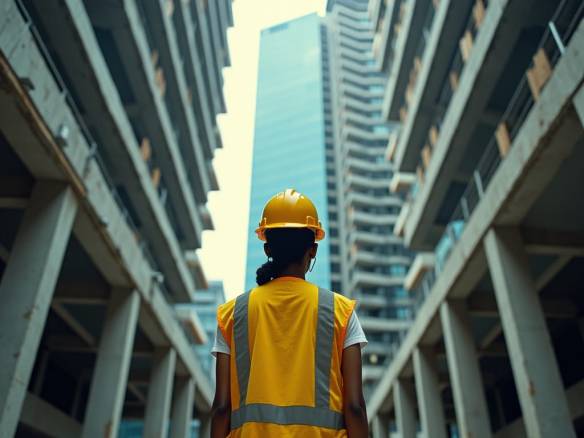
As a CaribbeanThe Caribbean is a vast region made up of over 700 islands, islets, reefs, and cays. Some of the most well-known islands... More island, Jamaica is no stranger to hurricanesHurricanes, powerful tropical storms characterized by strong winds and heavy rains, significantly impact both Jamaica an... More, tropical storms, and earthquakesEarthquakes, natural events caused by the sudden release of energy in the Earth's crust, can have significant impacts on... More. The future of Jamaican architecture will be heavily influenced by the need for more resilient construction methods that can withstand these natural disasters. Building materials like reinforced concrete, hurricane-resistant roofing systems, and advanced structural engineering techniques will become increasingly important. Architects will also design buildings with features that allow for quicker recovery after a disaster, such as easily accessible emergency supplies, energy independence through solar power, and water collectionIn the context of Jamaica's real estate industry and the global market, "collection" typically refers to the process of ... More systems.Projection: The next decade will see an increase in resilient, disaster-proof buildings, especially in areas prone to hurricanes and coastal floodingFlooding is a significant concern in Jamaica's real estate market, particularly in areas prone to heavy rainfall and hur... More. Developers will also integrate flood management systems and higher elevation designs into coastal communities, ensuring better protection against rising sea levels and storm surges.
Integration of Smart Technologies
TechnologyTechnology, in its original definition, refers to the application of scientific knowledge for practical purposes, often ... More is rapidly transforming architecture worldwide, and Jamaica is no exception. The integration of smart technologies in buildings will redefine how JamaicansJamaicans are a resilient and vibrant people with a deep-rooted history defined by courage, resistance, and cultural ric... More interact with their living and working spaces. “Smart homes” equipped with automated systems for lighting, climate control, and securityIn Jamaican real estate, security refers to assets pledged to back a loan or financial obligation. Typically, the proper... More will become more common, driven by the convenience and energy efficiency these technologies provide. Additionally, developments in augmented reality (AR) and virtual reality (VR) will change the way architects design buildings, allowing clients to visualize their spaces before construction begins.Projection: By 2025, smart buildings will account for a growing share of residential and commercial projectsA project or projects, within the Jamaican context, refers to a planned endeavor undertaken to achieve specific goals or... More in urban areas like KingstonKingston, the capital city of Jamaica, embodies a dynamic fusion of historical depth and contemporary vitality. Establis... More and Montego BayMontego Bay, often referred to as MoBay, is one of Jamaica's most popular tourist destinations, known for its stunning b... More. These technologies will not only enhance comfort but also contribute to energy conservation and security, making them appealing to a broader market.
Cultural Preservation and Modernization Jamaican architecture has deep roots in colonial-era buildings, traditional Caribbean styles, and indigenous designs. As Jamaica moves into the future, there will be a push to preserve these cultural elements while integrating them into more modern architectural stylesArchitectural styles in Jamaica and globally represent the distinctive characteristics and design principles that define... More. This blend of old and new will create spaces that honor Jamaica’s heritage while meeting the demands of contemporary life. We are likely to see more restorations of historic buildings alongside cutting-edge designs that incorporate traditional elements like wide verandas, jalousie windows, and high ceilings to promote airflow.Projection: By 2030, architectural projects will increasingly seek to incorporate cultural themes into designs, particularly in the tourismTourism in Jamaica refers to the industry focused on attracting visitors to the island, who come to experience its natur... More sector, where boutique hotels and resorts will merge traditional aestheticsAesthetics in Jamaica real estate, as in the rest of the world, plays a crucial role in shaping the visual and cultural ... More with modern luxury to offer visitors a unique, authentic Jamaican experience.
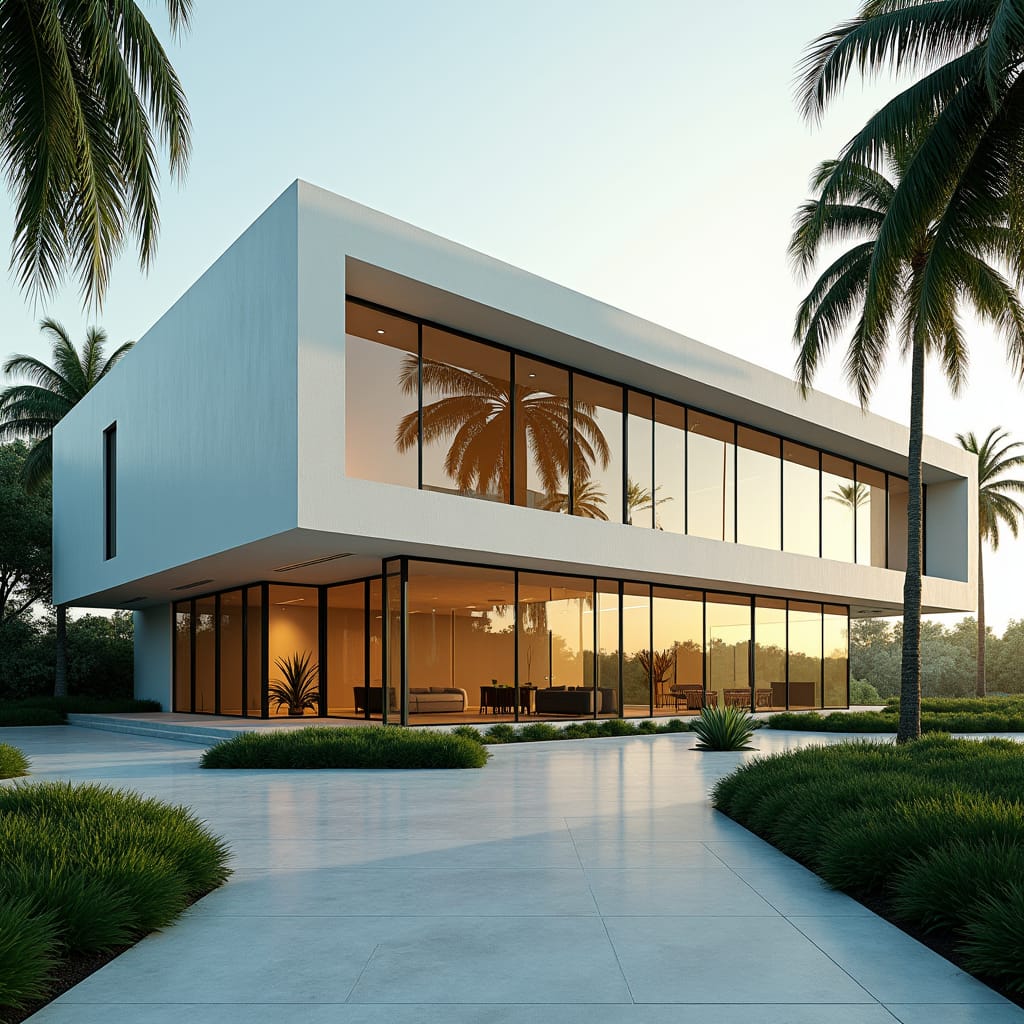
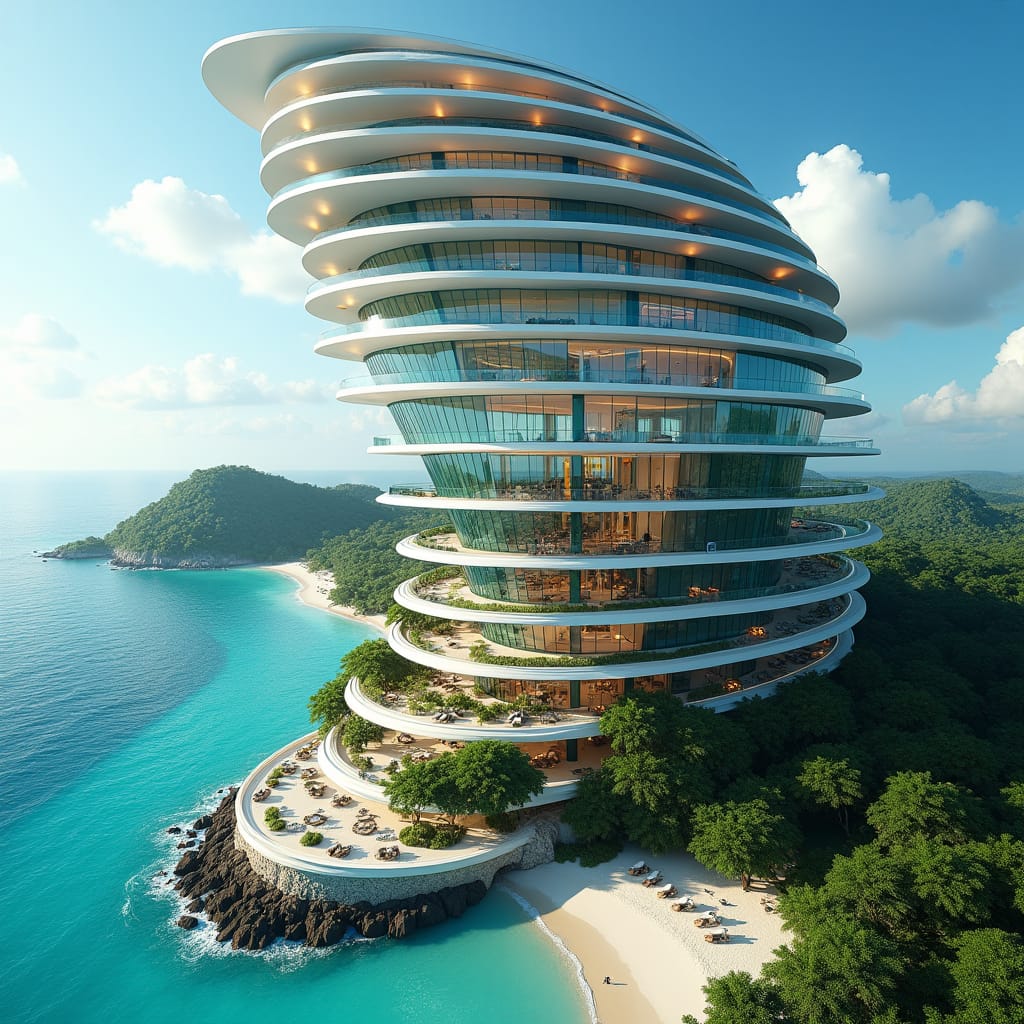
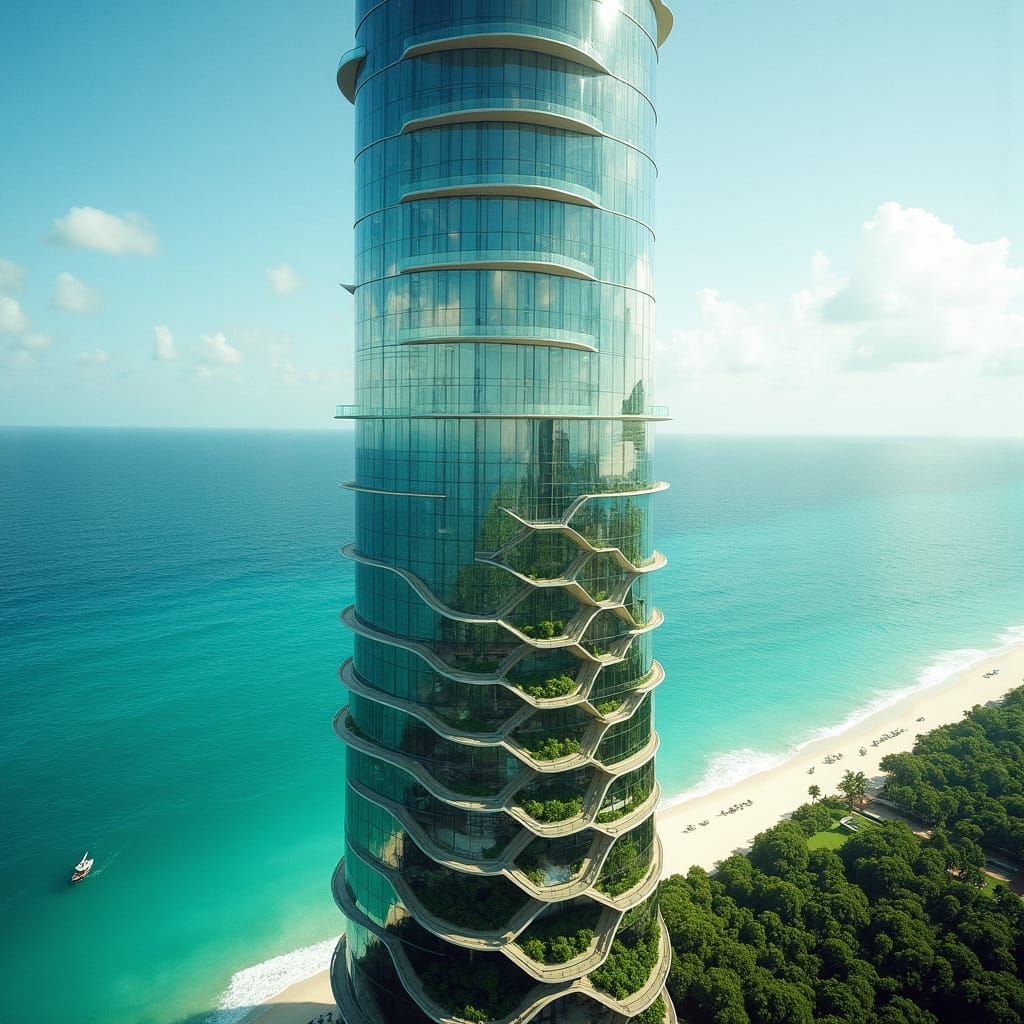
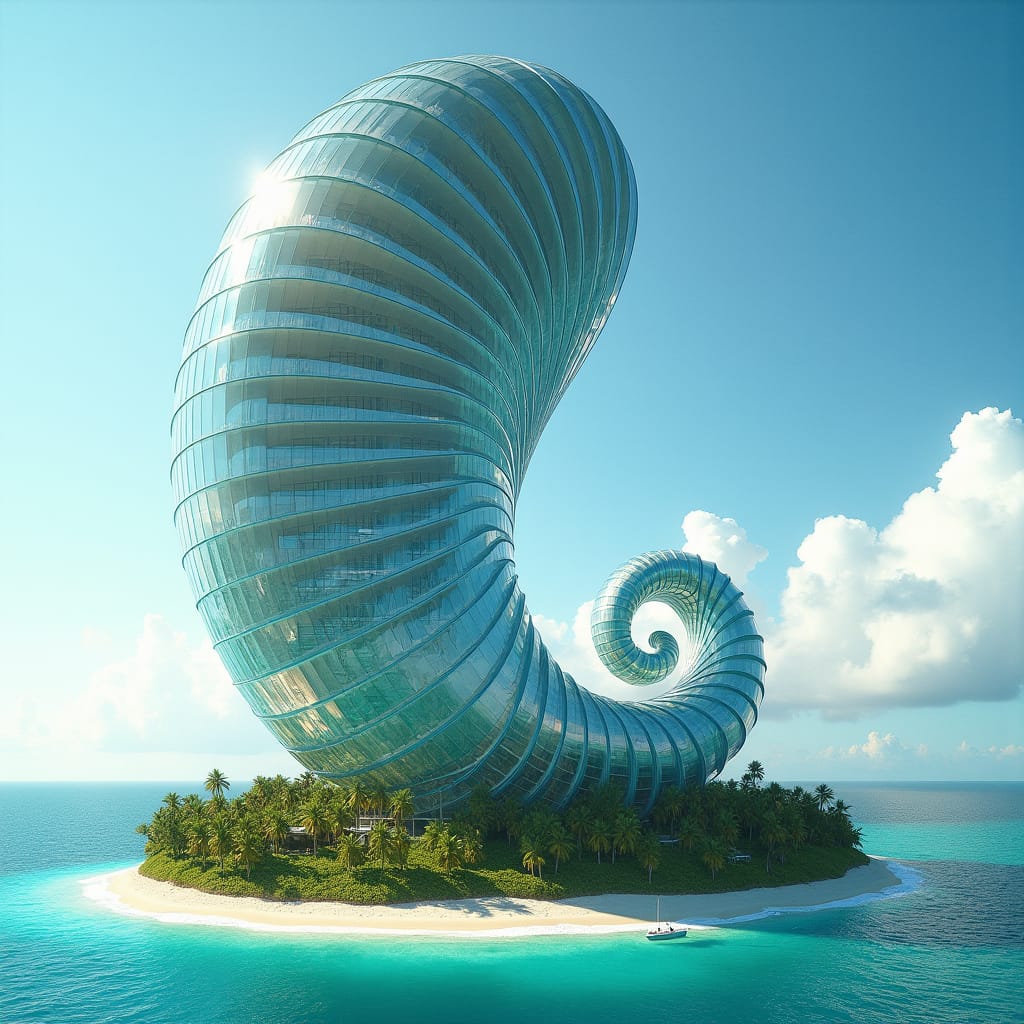
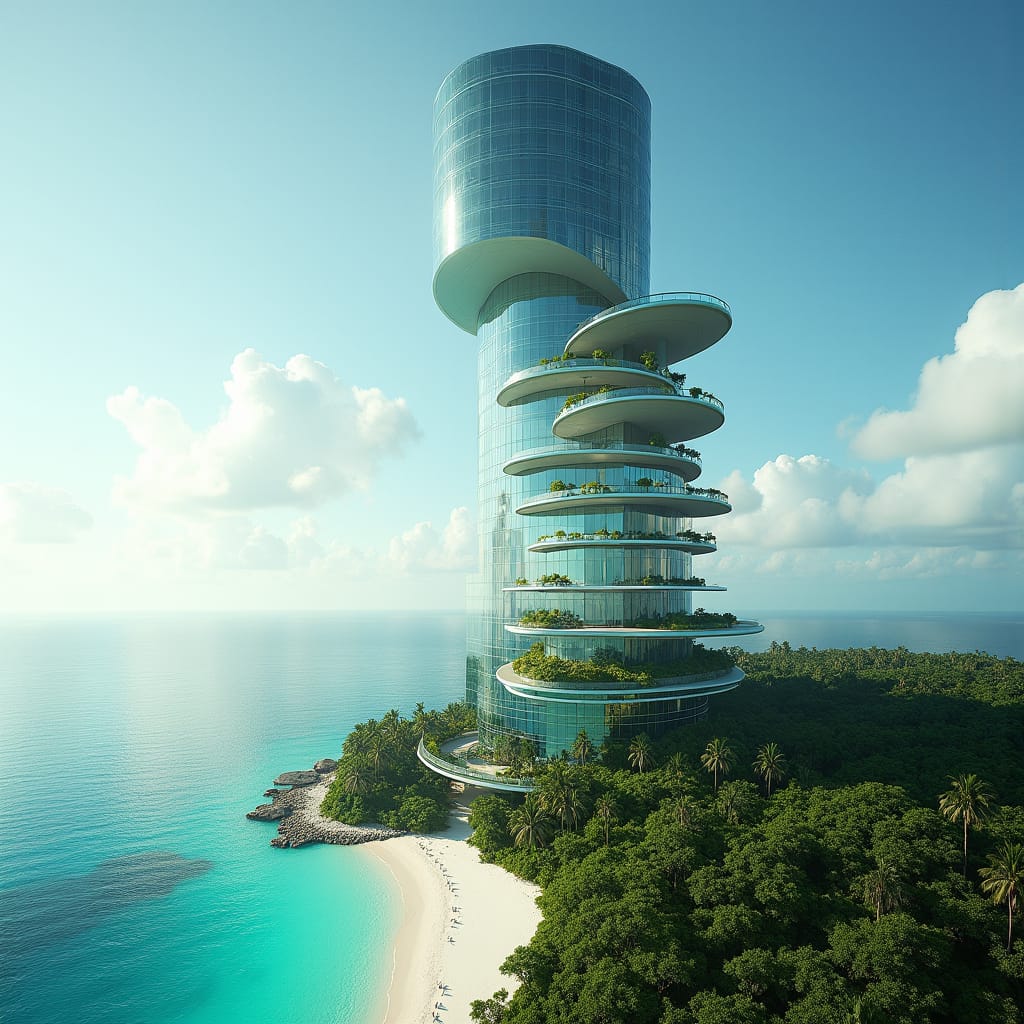
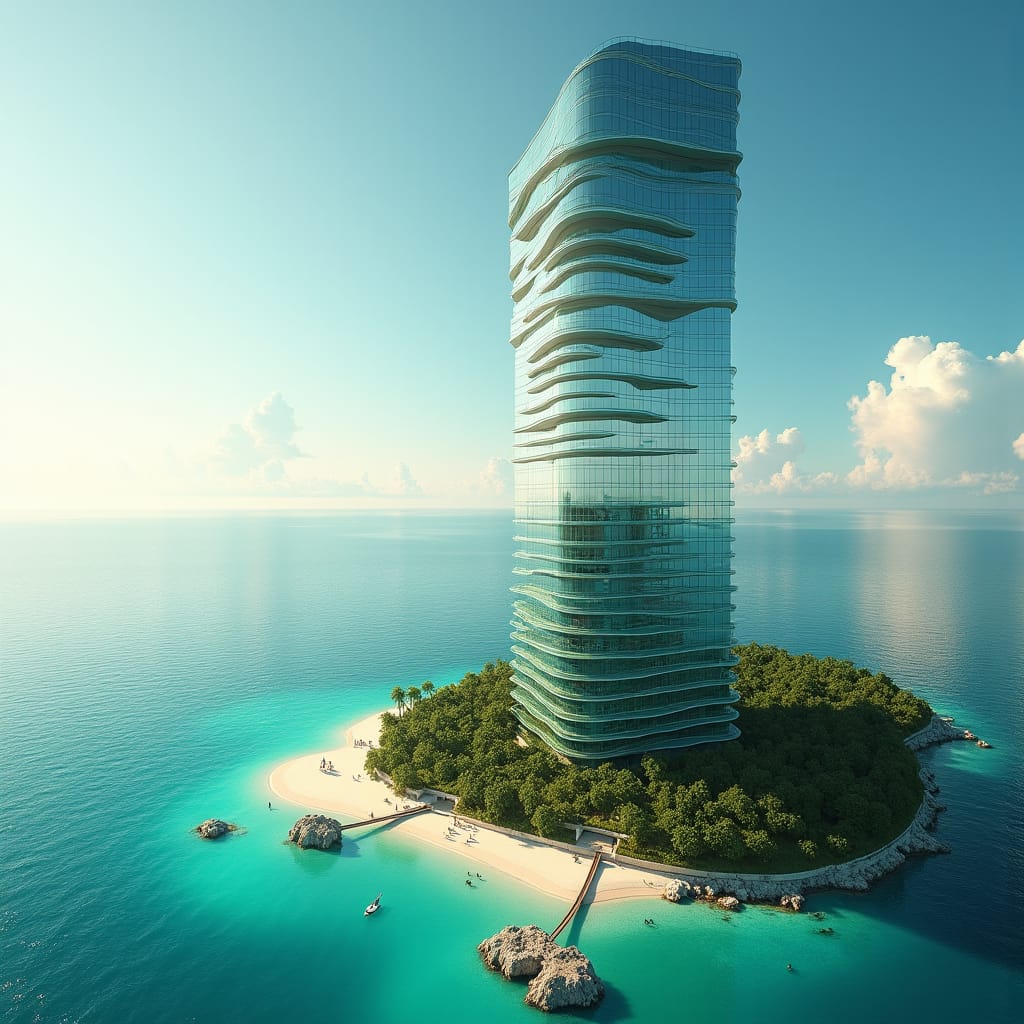
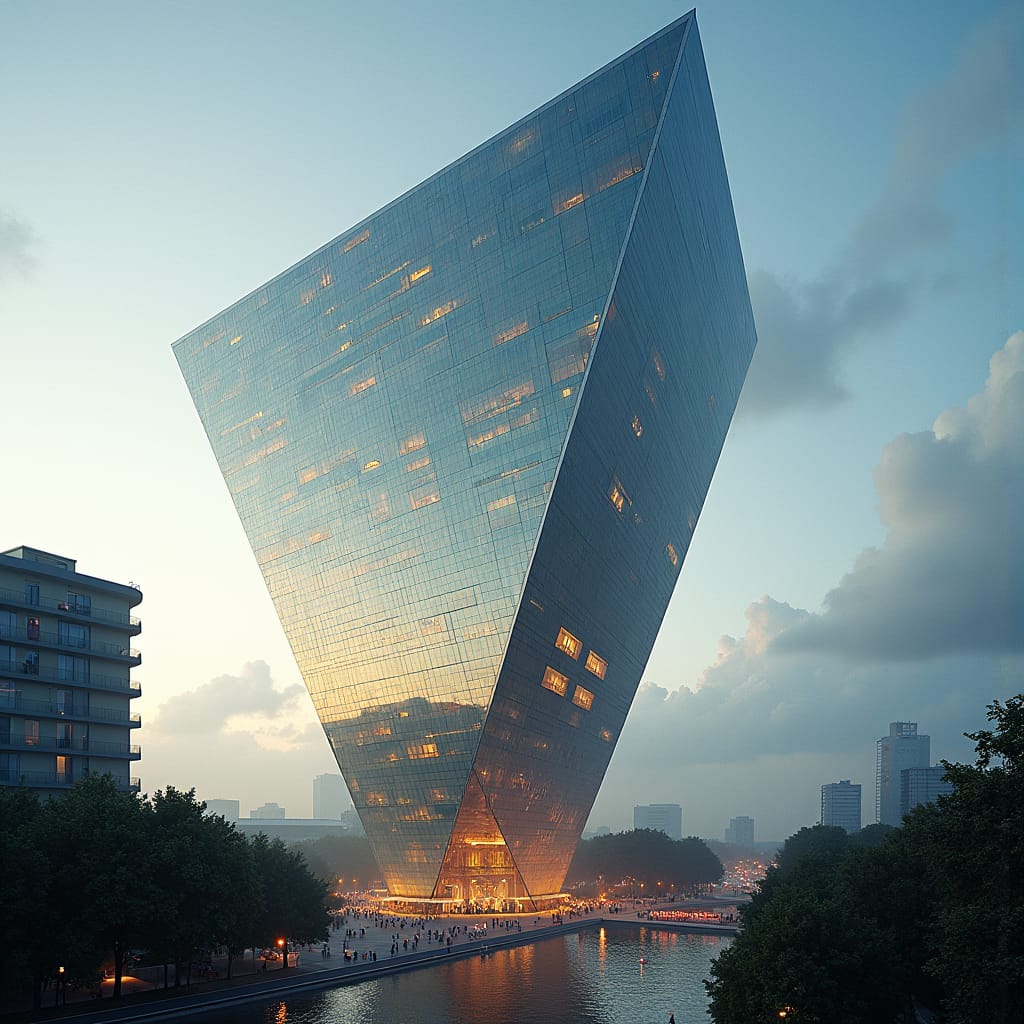
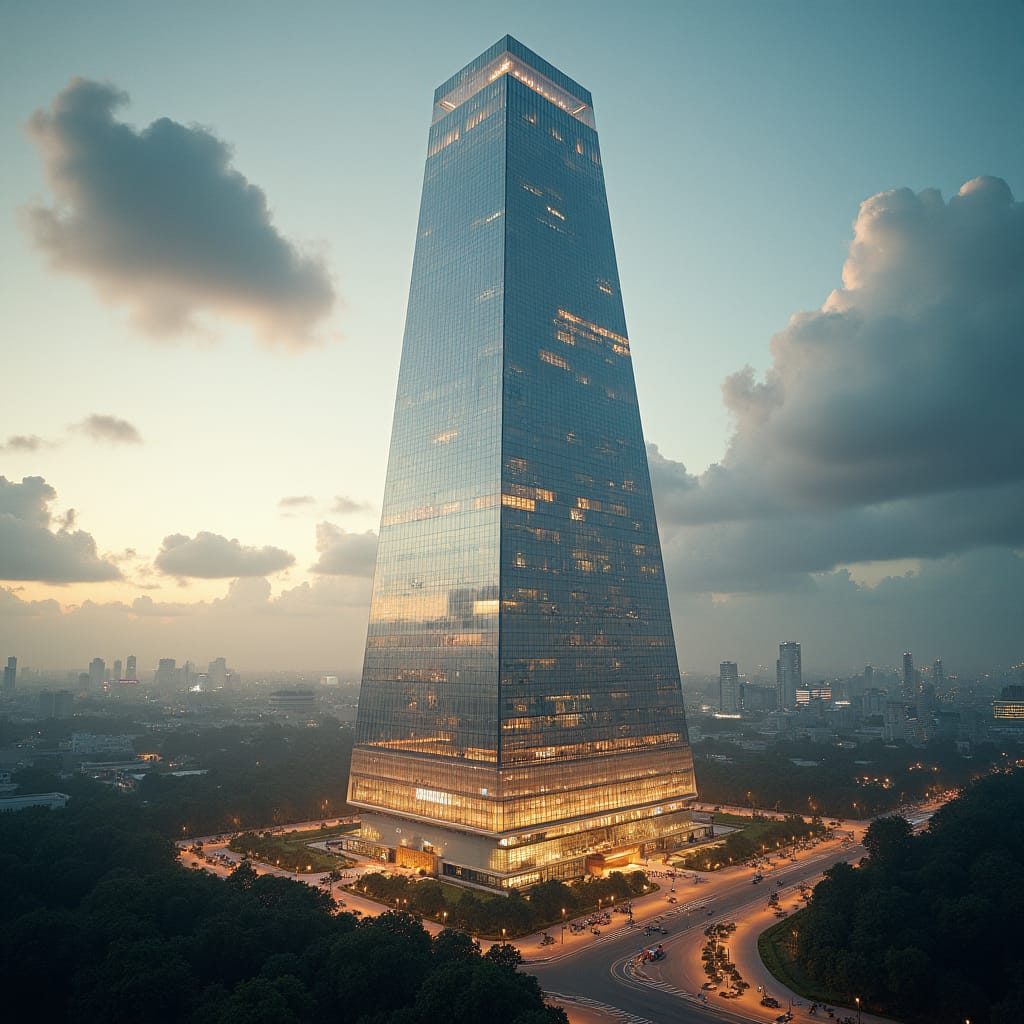
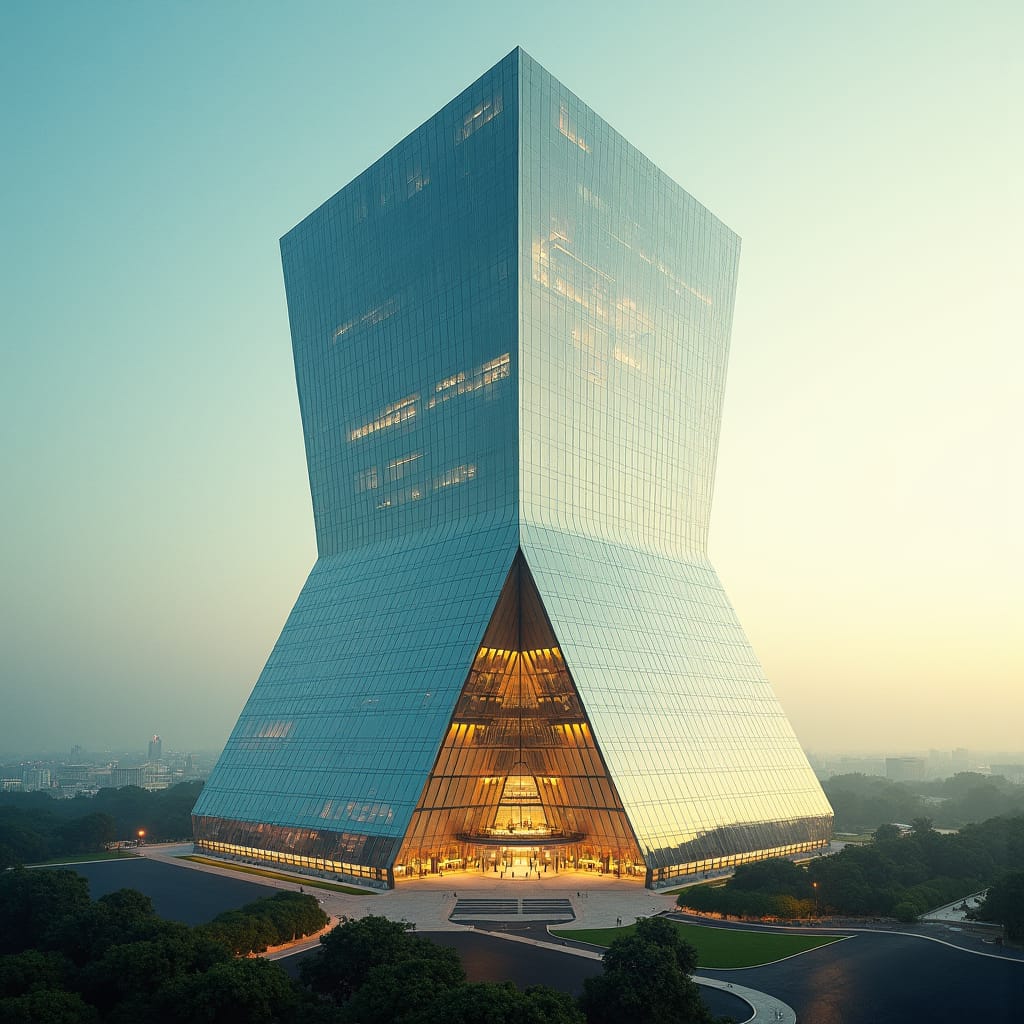
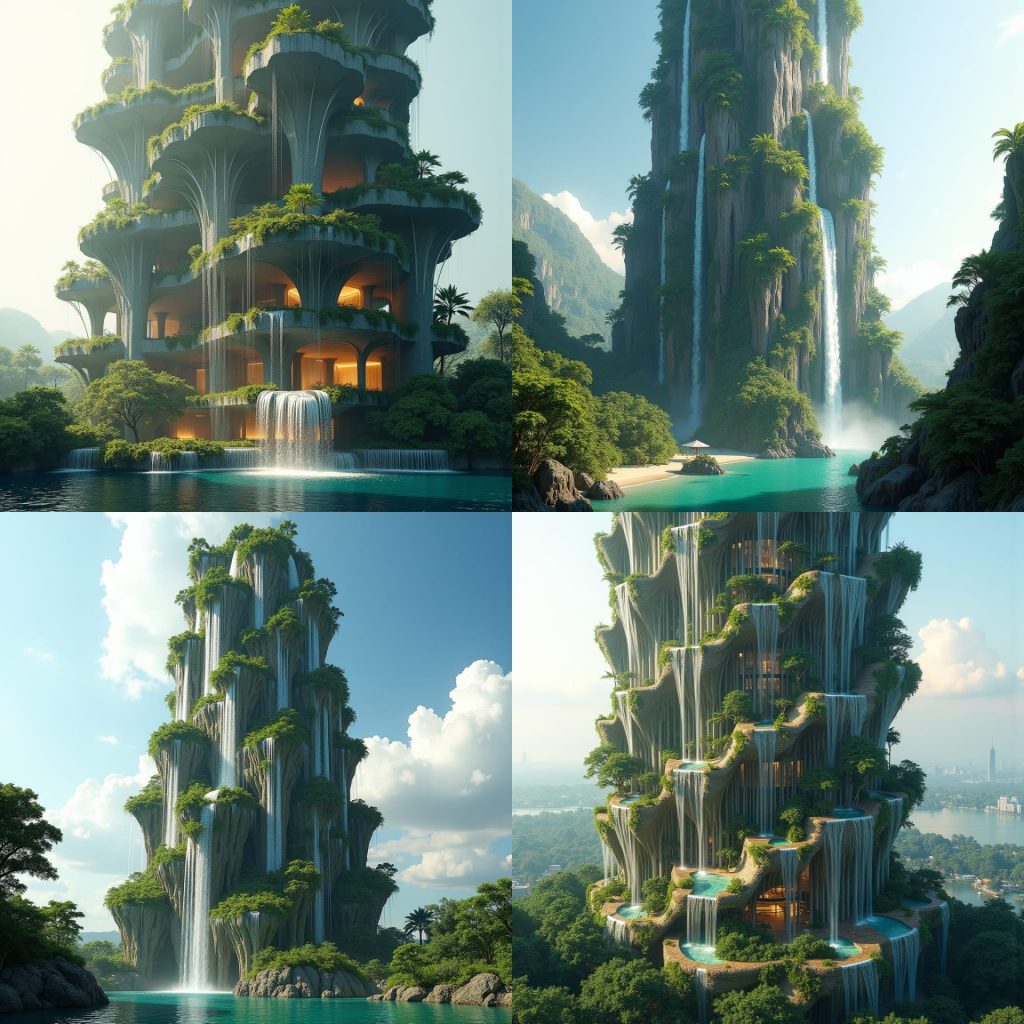
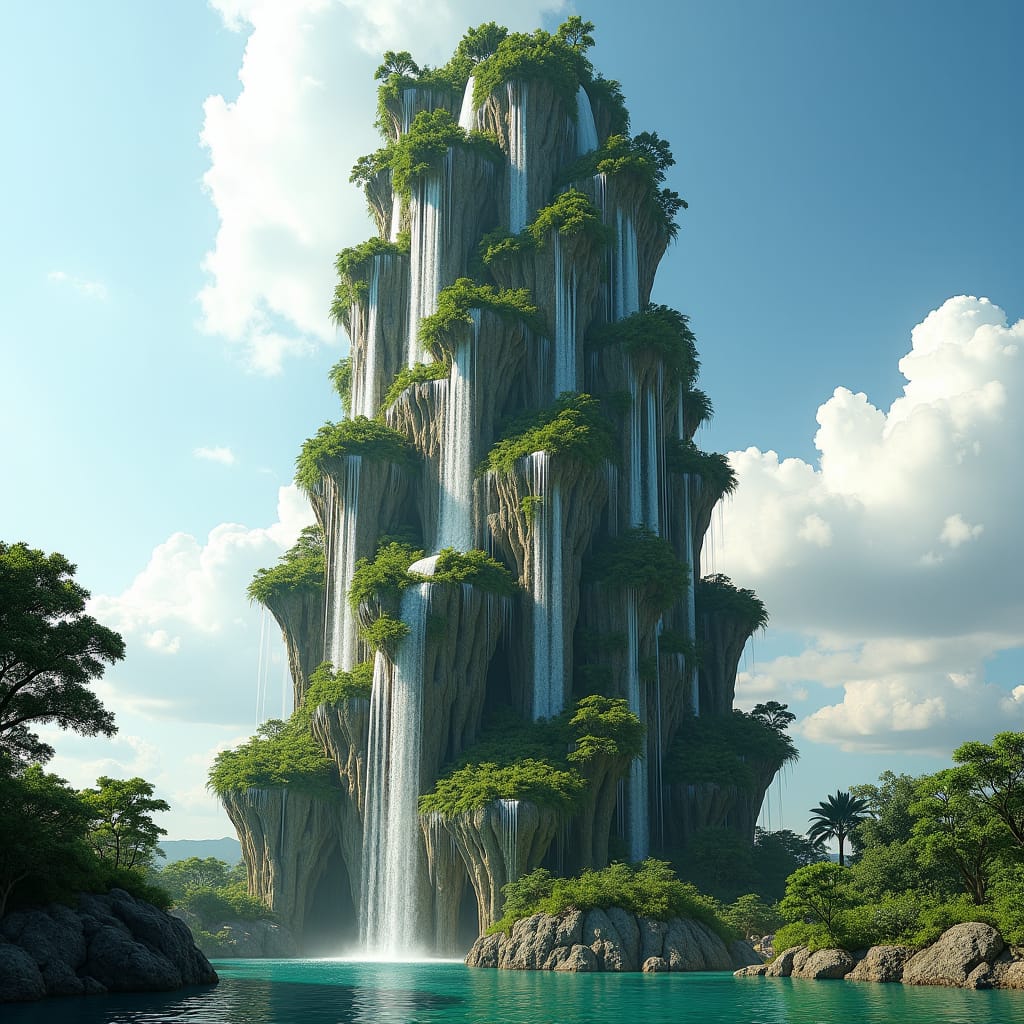
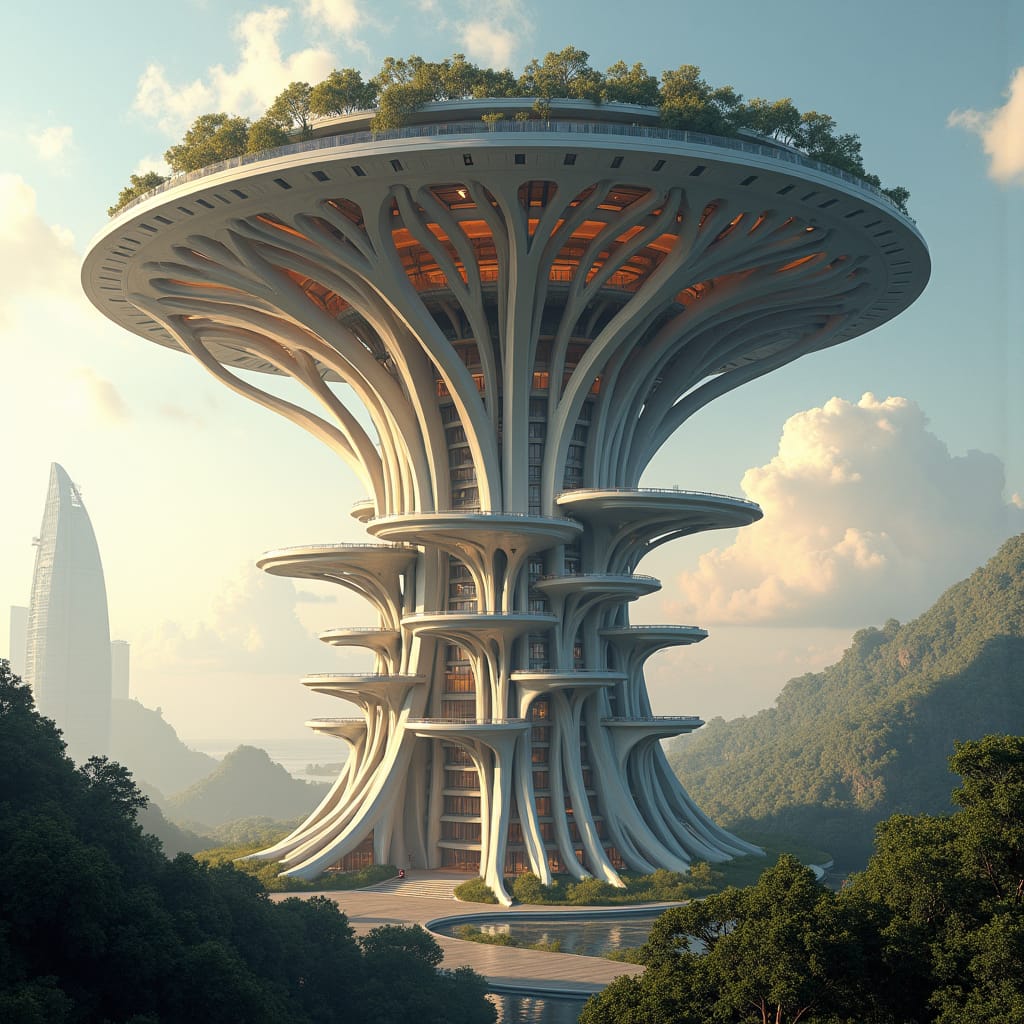
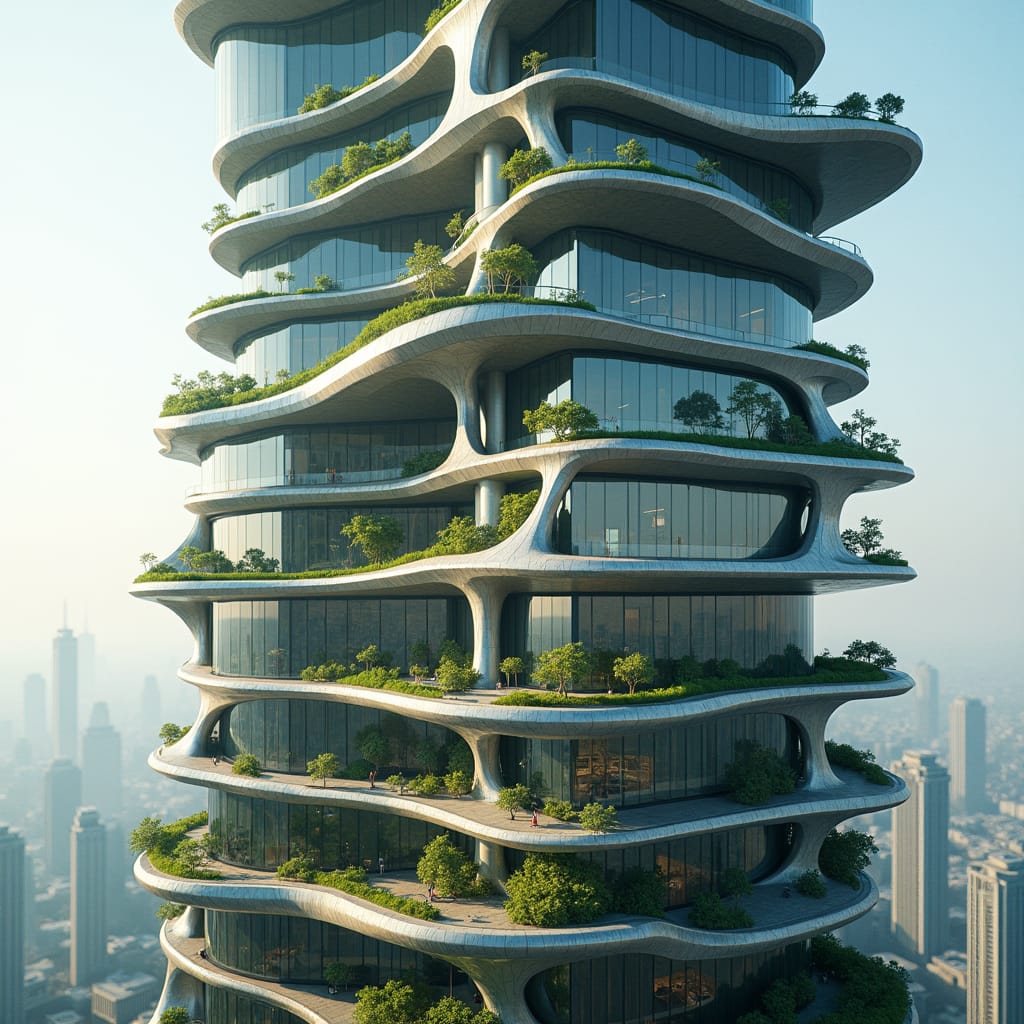
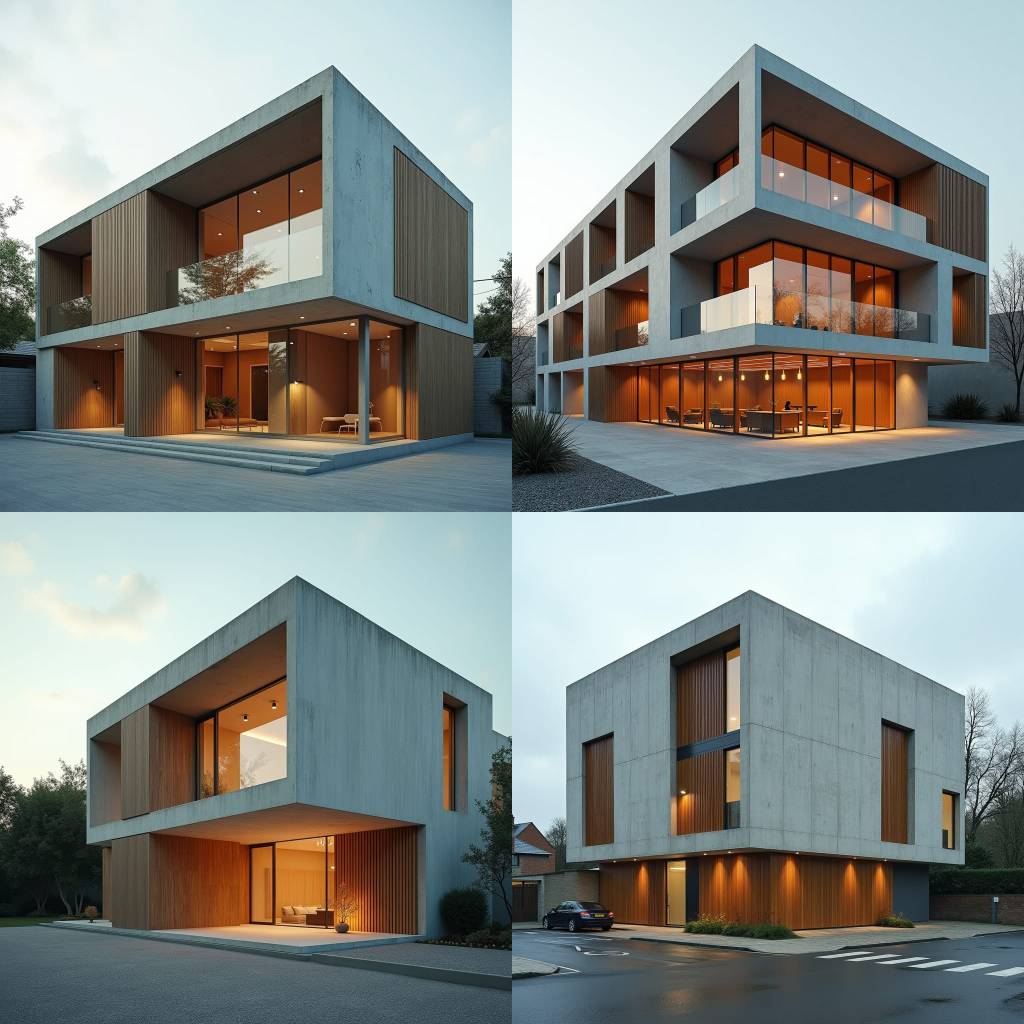
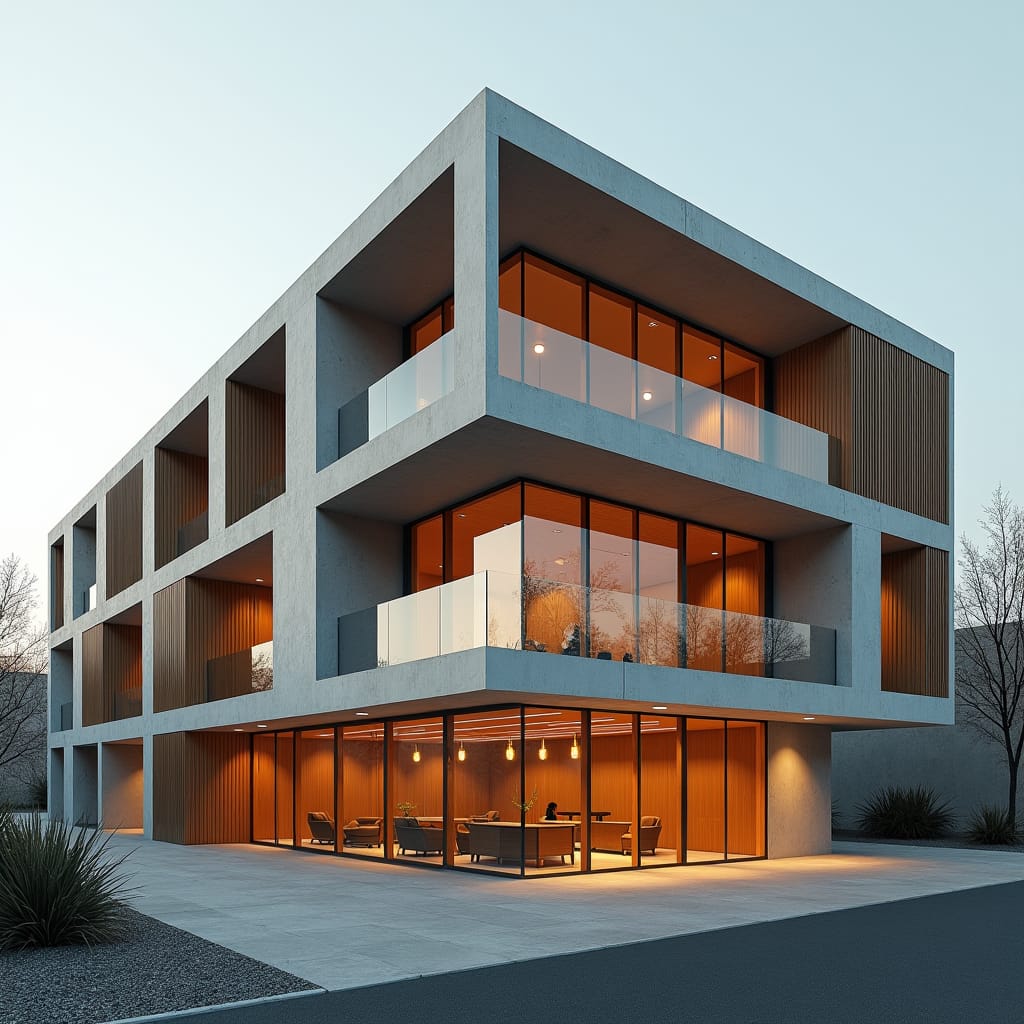
A sleek, rectangular office building with a minimalist glass façade, reflecting the tropical surroundings. The building features large windows for natural light, clean lines, and a neutral color palette. Simple landscapingLandscaping involves the thoughtful arrangement and enhancement of outdoor spaces to improve their visual appeal and fun... More with palm trees and an open courtyard welcomes visitors. Modern minimalism, glass and steel, functional design. A majestic, spiral-shaped commercial building, reminiscent of a giant seashell, rises organically from Jamaica’s coastline, its curves twisting and narrowing towards the top. The exterior’s glass walls glimmer, reflecting the turquoise ocean and cerulean sky, as the interior spirals upward, centered around a lush atrium filled with vibrant tropical plants. Office and retail spaces line the outer shell, offering breathtaking views of the sea. Rooftop terraces at each level create a series of suspended outdoor lounges, cantilevered above the beach.A futuristic, spiral commercial building, resembling a gargantuan seashell, emerges from Jamaica’s coastline, its glass façade mirroring the turquoise ocean and cerulean sky. As the structure ascends, it tapers, with a central, lush atrium, teeming with tropical flora, spiraling upward. Offices and retail spaces, adorned with sleek, modern furnishings, line the outer shell, offering breathtaking, 360-degree views of the sea. Rooftop terraces, suspended above the beach, provide outdoor lounges with unhindered vistas.A colossal, spiraling seashell skyscraper rises from Jamaica’s turquoise coastline, its twisting, narrowing silhouette evoking the majestic whirlpools of the ocean. Glass walls, polished to a brilliant sheen, reflect the shimmering sea and sky, as if the structure is a living, breathing entity, merged with the elements. The interior unfolds like a nautilus shell, with a central atrium bursting with lush, tropical greenery, while sleek, modern offices and retail spaces line the outer shell, offering breathtaking, 360-degree views of the Caribbean Sea. Rooftop terraces, suspended high above the beach, create a series of ethereal, ocean-facing lounges, as if floating on air. Inspired by the futuristic visions of Syd Mead, the organic, curvilinear forms of Zaha Hadid, and the sustainable, eco-friendly designs of Vincent CallebautA skyscraper made entirely of mirrored glass that disappears into the skyline, reflecting the Caribbean sea and surrounding tropical landscape, making the building almost invisible from a distance. The structure twists slightly as it ascends, with each floor rotating slightly around a central core. Inside, the building features floating staircases, green walls, and floors that cantilever out from the structure, giving the illusion of floating in midair. Invisible architecture, twisting glass tower, surreal, eco-integrated.A skyscraper made entirely of mirrored glass that disappears into the skyline, reflecting the Caribbean sea and surrounding tropical landscape, making the building almost invisible from a distance. The structure twists slightly as it ascends, with each floor rotating slightly around a central core. Inside, the building features floating staircases, green walls, and floors that cantilever out from the structure, giving the illusion of floating in midair. Invisible architecture, twisting glass tower, surreal, eco-integrated.A skyscraper made entirely of mirrored glass that disappears into the skyline, reflecting the Caribbean sea and surrounding tropical landscape, making the building almost invisible from a distance. The structure twists slightly as it ascends, with each floor rotating slightly around a central core. Inside, the building features floating staircases, green walls, and floors that cantilever out from the structure, giving the illusion of floating in midair. Invisible architecture, twisting glass tower, surreal, eco-integrated.A floating commercial complex built on a series of rafts, bobbing gently on Jamaica’s crystal-clear waters. Each building is shaped like a giant futuristic flower, with petals that open and close based on sunlight. The floating walkways connect offices, retail stores, and open public spaces, all surrounded by the lagoon’s turquoise waters. Beneath the water’s surface, transparent floors offer views of marine life below. Floating architecture, organic design, futuristic eco-resort.Colossal upside-down pyramid skyscraper in the heart of Kingston, its inverted apex piercing the sky, with a labyrinth of reflective glass walls that shimmer and ripple like a futuristic prism. As the structure defies gravity, its widest point at the top seems to float effortlessly, while the narrow base appears rooted to the earth. The upper floors, a tapestry of offices and luxury suites, are bathed in a kaleidoscope of colors, refracted through the glass walls. At the base, an open-air plaza bustles with public markets and events, a vibrant contrast to the sleek, modern architecture. A colossal upside-down pyramid skyscraper located in the heart of Kingston, with its widest point at the top and the narrowest at the base. The building’s walls are made entirely of reflective glass, and it rises high above the cityA city in Jamaica , like those around the world, is a vibrant Hub of culture, commerce, and community, where the pace of... More, defying traditional architectural logic. The upper floors houseA house serves as a fundamental structure designed for residential living, providing shelter and a place for individuals... More offices and luxury suites, with an open-air plaza at the base for public markets and events. Gravity-defying, inverted architecture, futuristic glass structure, urban marvel. A colossal upside-down pyramid skyscraper located in the heart of Kingston, with its widest point at the top and the narrowest at the base. The building’s walls are made entirely of reflective glass, and it rises high above the city, defying traditional architectural logic. The upper floors house offices and luxury suites, with an open-air plaza at the base for public markets and events. Gravity-defying, inverted architecture, futuristic glass structure, urban marvel.A colossal upside-down pyramid skyscraper located in the heart of Kingston, with its widest point at the top and the narrowest at the base. The building’s walls are made entirely of reflective glass, and it rises high above the city, defying traditional architectural logic. The upper floors house offices and luxury suites, with an open-air plaza at the base for public markets and events. Gravity-defying, inverted architecture, futuristic glass structure, urban marvel.A colossal upside-down pyramid skyscraper located in the heart of Kingston, with its widest point at the top and the narrowest at the base. The building’s walls are made entirely of reflective glass, and it rises high above the city, defying traditional architectural logic. The upper floors house offices and luxury suites, with an open-air plaza at the base for public markets and events. Gravity-defying, inverted architecture, futuristic glass structure, urban marvel.A colossal upside-down pyramid skyscraper located in the heart of Kingston, with its widest point at the top and the narrowest at the base. The building’s walls are made entirely of reflective glass, and it rises high above the city, defying traditional architectural logic. The upper floors house offices and luxury suites, with an open-air plaza at the base for public markets and events. Gravity-defying, inverted architecture, futuristic glass structure, urban marvel.A skyscraper built to resemble a cascading waterfall, with each level jutting out slightly over the one below. The exterior of the building has water flowing down its sides, creating the illusion of a waterfall running down the entire structure. The water is recycled through a system that powers the building’s cooling system, while tropical gardens fill the terraces. Waterfall-inspired, sustainable, fluid design, tropical integration.A skyscraper built to resemble a cascading waterfall, with each level jutting out slightly over the one below. The exterior of the building has water flowing down its sides, creating the illusion of a waterfall running down the entire structure. The water is recycled through a system that powers the building’s cooling system, while tropical gardens fill the terraces. Waterfall-inspired, sustainable, fluid design, tropical integration.A skyscraper built to resemble a cascading waterfall, with each level jutting out slightly over the one below. The exterior of the building has water flowing down its sides, creating the illusion of a waterfall running down the entire structure. The water is recycled through a system that powers the building’s cooling system, while tropical gardens fill the terraces. Waterfall-inspired, sustainable, fluid design, tropical integration.A skyscraper built to resemble a cascading waterfall, with each level jutting out slightly over the one below. The exterior of the building has water flowing down its sides, creating the illusion of a waterfall running down the entire structure. The water is recycled through a system that powers the building’s cooling system, while tropical gardens fill the terraces. Waterfall-inspired, sustainable, fluid design, tropical integration.A commercial building shaped like a massive futuristic tree, with large branches extending outward to form outdoor terraces and platforms. The structure is made of glass and metal, designed to blend with the natural surroundings. The “trunk” of the building houses elevators, and the “branches” offer open, flexible spaces for retail and office use. The entire building is self-sustaining, with solar panels on the roof and a rainwater harvesting system. Nature-inspired, tree-like structure, organic design, futuristic sustainability. A gravity-defying commercial complex shaped like a giant ring, hovering above Jamaica’s lush rainforests. The circular structure floats on an invisible support system, with offices, restaurants, and green spaces lining the inner and outer edges of the ring. The building’s design incorporates transparent floors and glass walls, offering breathtaking views of the rainforest below. Floating architecture, circular design, rainforest integration, futuristic engineering. A futuristic crystal shard complex, cantilevered off a rugged cliffside, overlooking the turquoise ocean, with each shard containing diverse business spaces linked by sleek, transparent skybridges. The structure appears carved from the living rock, with sections hovering above the waves, as if defying gravity. The interior spaces are bathed in soft, diffused natural light, with glass walls that provide an ethereal, floating ambiance. A towering commercial building with sections that rotate independently, constantly shifting and changing its appearance. Each level of the building rotates on a central axis, so the structure never looks the same twice. The façade is made of sleek glass and metal, and the rotating sections create pockets of green terraces and outdoor workspaces. Dynamic architecture, rotating building, futuristic technology, ever-changing design. A basic commercial block, with a modular design using simple, rectangular shapes. The building is made of concrete with large windows, offering open spaces inside for flexible use. The exterior is accented with vertical wooden slats for a touch of warmth and texture. Modular design, concrete and wood, clean and functional. A basic commercial block, with a modular design using simple, rectangular shapes. The building is made of concrete with large windows, offering open spaces inside for flexible use. The exterior is accented with vertical wooden slats for a touch of warmth and texture. Modular design, concrete and wood, clean and functional.A basic commercial block, with a modular design using simple, rectangular shapes. The building is made of concrete with large windows, offering open spaces inside for flexible use. The exterior is accented with vertical wooden slats for a touch of warmth and texture. Modular design, concrete and wood, clean and functional.A basic commercial block, with a modular design using simple, rectangular shapes. The building is made of concrete with large windows, offering open spaces inside for flexible use. The exterior is accented with vertical wooden slats for a touch of warmth and texture. Modular design, concrete and wood, clean and functional.A basic commercial block, with a modular design using simple, rectangular shapes. The building is made of concrete with large windows, offering open spaces inside for flexible use. The exterior is accented with vertical wooden slats for a touch of warmth and texture. Modular design, concrete and wood, clean and functional.
UrbanizationUrbanization is the process by which an increasing number of people move from rural areas to cities and towns, driving t... More and Mixed-Use Developments
As Jamaica’s urban areas continue to grow, there is an increasing need for efficient use of space. Mixed-use developments—buildings that combine residential, commercial, and recreational spaces—will become more common, particularly in cities like Kingston and Montego Bay. These developments will provide a solution to the growing demand for housing, retail spaces, and entertainment hubs, all within proximity. Architects will focus on designing high-density structures that are not only functional but also promote communityIn Jamaica, "community" refers to more than just a geographic area; it embodies a collective identity rooted in shared e... More living and interaction.Projection: By 2035-2045, Kingston’s skyline will feature more high-rise, mixed-use developments. These buildings will cater to the growing urban populationPopulation refers to the total number of people inhabiting a defined geographic area and encompasses their demographic, ... More, providing solutions for housing shortages while contributing to economic growthEconomic growth is when a country’s economy gets bigger and better over time. This means that the country is making an... More through commercial spaces and recreational areas.
Sustainable Tourism and ResortA resort is a designated location designed for relaxation, recreation, and tourism, often featuring accommodat... MoreDevelopmentIn Jamaica, the term "development" can refer to various contexts, each with its unique focus and implications. Real esta... More
Tourism remains one of Jamaica’s largest industries, and the future of Jamaican architecture will be closely tied to the development of eco-friendly, luxurious resorts that cater to environmentally conscious travelers. Architectural designs for hotels and resorts will increasingly focus on integrating with the natural landscape, using sustainable materials and practices to minimize environmental impact. This includes features like green roofs, solar energy, and buildings designed to blend seamlessly into their tropical surroundings.Projection: Jamaica is expected to see a significant increase in eco-resort developments by 2030-35, with sustainable tourism driving much of the architectural innovation in the hospitality sector. These developments will not only attract tourists but also support the island’s goal of maintaining its natural beauty while fostering economic growth.
Affordable HousingAffordable housing in Jamaica is an increasingly pressing issue, with rising land and construction costs making home own... More Initiatives
With Jamaica’s growing population and urbanization, there is a pressing need for affordable housing. The future of Jamaican architecture will include a greater emphasis on designing low-cost, sustainable housing that meets the needs of the local population. Pre-fabricated and modular construction techniques are expected to play a key role in reducing construction costs and timelines, making homeownership more accessible to lower-income families.Projection: By 2030, Jamaica will see a rise in government-supported affordable housing projects utilizing modular construction. These developments will help address the housing crisis while ensuring that homes are built to withstand the island’s unique environmental challenges.
The Role of Government and Policy
Jamaican governmentJamaica is a member of the Commonwealth of Nations, a voluntary association of independent countries, many of which were... More policies will be pivotal in shaping the future of architecture. Initiatives such as tax incentives for green building practices, financial support for affordable housing, and updated building codes to promote resilience against natural disasters will guide the country’s architectural evolution. Additionally, the government’s emphasis on education in science, technology, engineering, and mathematics (STEM) will inspire a new generation of architects to innovate and push the boundaries of traditional design.
Conclusion
The future of Jamaican architecture is a blend of tradition and innovation, rooted in the island’s unique cultural heritage while embracing global trends such as sustainability, smart technology, and disaster resilience. With projections pointingPointing is when workers fill in the spaces between bricks or stones on a wall with a thick paste called mortar. This ma... More to significant growth in eco-friendly resort development, urban mixed-use spaces, and affordable housing, Jamaica is set to become a leader in Caribbean architectural design. These advancements not only promise to enhance the living and working conditions for locals but also position Jamaica as a model for sustainable, forward-thinking architecture on the world stage.
Discover more from Jamaica Homes
Subscribe to get the latest posts sent to your email.
Share on XAn "X" is a symbolic mark made by individuals who either cannot write or are physically unable to write, used to indicat... More (Opens in new window)X

 by
by 




















Join The Discussion