
 by
by 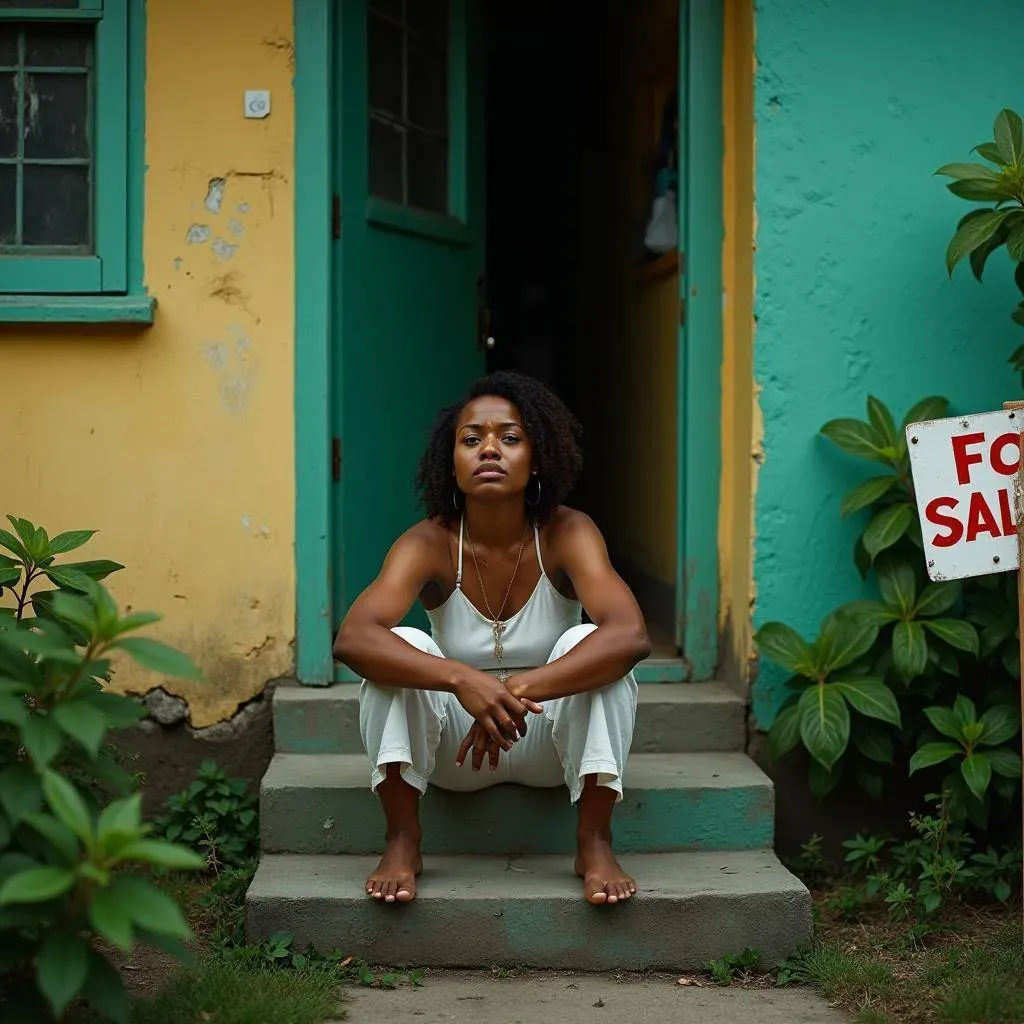
Selling a home in JamaicaJamaica, with its vibrant culture and stunning landscapes, has a unique position in the global real estate market. The i... More is rarely just a financial exercise. It is emotional, cultural, and sometimes deeply personal. A houseA house serves as a fundamental structure designed for residential living, providing shelter and a place for individuals... More is never simply a structure of concrete, blocks, and timber. It carries stories—Sunday dinners, laughter on the verandah, the quiet pride of owning something built with hard work.
Yet when the time comes to sell, those memories must give way to something far more practical: how buyers see the propertyProperty encompasses a wide range of tangible assets that individuals or entities can own, utilize, or invest in, includ... More.
And that is where many sellers get caught off guard.
A buyerA buyer is an individual or entity that acquires goods, services, or properties through a transaction, motivated by a ne... More may walk through the house, admire the yardIn Jamaican Patois, the term "yard" carries a special significance beyond its literal meaning of a plot of land. Traditi... More, pause to imagine a hammock swinging under the ackeeAckee, Jamaica’s national fruit, holds a special place in the heart of Jamaican culture and language, with its name se... More tree, and speak enthusiastically about making an offer. Everything appears to be moving smoothly. Then, suddenly, the mood shifts.
The inspection happens.
And the deal begins to wobble.
It is a moment that can feel surprising for many homeowners, particularly in Jamaica where property transactionsIn Jamaica, property transactions refer to the legal processes involved in buying, selling, or transferring ownership of... More have traditionally relied heavily on trust, relationships, and local reputation. But today’s buyers are increasingly careful. Many are using mortgage financing, some are returning from the diasporaIn the context of Jamaica, real estate, and the broader global sphere, diaspora refers to the community of Jamaicans liv... More with experience in overseas markets, and others simply want reassurance that their investment"Investment" in the realm of real estate refers to the allocation of money or resources into property with the expectati... More willIn Jamaica, a will is a legal document created by an individual to specify how their assets, including their belongings ... More not come with unpleasant surprises.
The inspection phase often becomes the moment where optimism meets reality.
Dean JonesDean Jones is a chartered builder, project manager, licensed real estate professional and the founder of Jamaica Homes, ... More, founder of Jamaica HomesJamaica Homes is a premier real estate company offering a comprehensive platform for buying, selling, and renting proper... More and Realtor AssociateA Realtor Associate in Jamaica is a registered real estate salesman licensed under the Real Estate (Dealers and Develope... More, puts it with characteristic clarity:
“PeopleThe people of Jamaica embody a spirit that is at once richly diverse and unbreakably unified, as captured by the nationa... More think buyers are purchasing walls and windows. In truth, they are buying peace of mind. If that peace of mind disappears, the deal often disappears with it.”
The idea is simple, yet powerful. Buyers rarely walk away because a home is imperfect. Every property has its quirks. What unsettles buyers is the fear that the problems they can see might be only the beginning.
In Jamaica, homes are built and maintained under a wide variety of circumstances. Some properties are modern developmentsModern developments in real estate refer to newly constructed or recently upgraded residential and commercial properties... More with carefully managed infrastructure. Others have grown organically over decades—rooms added gradually, verandahs extended, kitchens improved as families evolved.
That history can give a house character. But it can also mean that certain practical matters have been overlooked.
Perhaps the roof has endured years of tropical sun and sudden downpours. Maybe the plumbing has seen better days. Or the electrical system, once perfectly adequate, now looks slightly outdated compared to modern expectations.
These issues do not automatically ruin a sale. What they do, however, is introduce doubt.
And doubt is the quiet enemy of property transactions.
Imagine standing in a house you are about to purchase. You have pictured yourself living there. You have started planningPlanning in Jamaica involves managing land, resources, and infrastructure to support economic growth, social development... More furniture arrangements in your mind. Then someone mentions that the roof may need attention. Suddenly you are no longer picturing family dinners in the dining roomIn Jamaican Patois, the term "room" is commonly used to describe individual spaces within a property, offering a practic... More. Instead, you are imagining contractors, scaffolding, and repair bills.
The house hasn’t changed. But your confidence has.
This is why preparation before listing a home matters so much more than many sellers realise.
In Jamaica, the pace of the housing market has changed over the years. There were times when demand surged so strongly that buyers felt pressure to move quickly. When homes were scarce, buyers were sometimes willing to overlook imperfections.
Today the picture is more balanced. New housing developments continue to emerge across the island. From modern townhouses in PortmorePortmore, located approximately 24 km from Jamaica’s capital, Kingston, is a major urban settlement in St. Catherine. ... More to hillside residences overlooking KingstonKingston, the capital city of Jamaica, embodies a dynamic fusion of historical depth and contemporary vitality. Establis... More Harbour, buyers increasingly have options.
Options create comparison.
And comparison encourages caution.
If a buyer views three homes in a single afternoon and one of them appears significantly better maintained than the others, that property immediately gains an advantage.
It is not necessarily the newest house that wins the buyer’s confidence. Often it is the one that simply feels cared for.
Dean Jones captures this beautifully when he says:
“A well-kept home tells a story before a single word is spoken. It tells the buyer that someone valued this space enough to look after it.”
There is something quietly persuasive about a house that feels looked after. Doors close properly. Windows slide smoothly. The roof shows no signs of distress. The plumbing behaves as it should.
None of these things are glamorous, but they create something powerful: reassurance.
When buyers feel reassured, they begin to relax. When they relax, they start to imagine living there. And that moment—when imagination replaces anxiety—is often the turning point that leads to an offer.
This is why thoughtful preparation can make such a difference.
Preparing a home for sale does not mean transforming it into something artificial or extravagant. JamaicanThe term "Jamaican" encompasses the citizens of Jamaica and their descendants in the Jamaican diaspora, representing a d... More buyers, perhaps more than most, appreciate authenticity. What matters is that the property feels honest and well maintained.
Sometimes that means addressing obvious repairs. A small roof leak repaired today prevents a buyer from imagining extensive water damage tomorrow. Fixing a sticking window or replacing a worn electrical fitting signals that the home has been cared for.
Other times preparation simply means transparency. If an issue exists but has already been evaluated or repaired, providing that information builds trust.
And trust, once established, can carry a sale forward even when minor imperfections exist.
There is another quiet factor at play here as well: timing.
In many property transactions, problems discovered late in the process can trigger a cascadeCascade is a settlement located in Hanover Parish, Jamaica, situated at approximately 18.40°N latitude and 78.10°W lon... More of stress. The buyer worries about costs. The sellerA seller is an individual or entity engaged in the act of offering goods or services for sale, aiming to transfer owners... More scrambles to find contractors. Everyone suddenly feels under pressure to make decisions quickly.
Anyone who has ever tried to arrange repairs at short notice knows that this can be difficult anywhere, and Jamaica is no exception. Skilled tradespeople are often busy, particularly in periods when many homes across the island are being repaired or improved.
Preparation removes that pressure.
When sellers identify potential issues early, they can decide calmly whether to fix them, disclose them, or adjust the pricing strategy accordingly. They maintain control of the situation rather than reacting to unexpected discoveries during negotiations.
The result is a smoother journey for everyone involved.
Real estateReal estate refers to property consisting of land and the structures on it, such as buildings and homes. It also include... More<estate agentsEstate agents, commonly known as real estate agents, are professionals who assist in the buying, selling, and renting of... More play a crucial role in this process. A good agentIn Jamaica, an agent is a real estate professional who handles various aspects of buying and selling properties. Their r... More brings more than marketingThe process of determining, generating, and providing value to a target market in order to fulfill the demands of that m... More skills. They bring perspective. Having seen countless homes and transactions, they often recognise which issues truly matter to buyers and which concerns are unlikely to affect a sale.
A knowledgeable agent walking through a home before listing can sometimes identify potential sticking points long before buyers ever see the property.
That kind of insight is invaluable.
Dean Jones often reminds sellers that preparation is not about perfection. It is about intention.
“A home does not need to be flawless to attract a buyer. It simply needs to show that care and honesty have shaped the way it has been maintained.”
In a sense, selling a home is a little like telling a story. The property itself provides the setting. The neighbourhood provides the atmosphere. But the condition of the house tells buyers something deeper about how that story has unfolded.
Was the home treated with pride? Were problems handled responsibly? Has the space been respected?
Buyers may not ask these questions aloud, yet they instinctively search for the answers as they walk through each room.
JamaicansJamaicans are a resilient and vibrant people with a deep-rooted history defined by courage, resistance, and cultural ric... More have a phrase that captures this instinct beautifully. When something feels slightly uncertain, someone might say, “MiMi in Jamaican Patois translates to "I" or "me" and is widely used to express personal identity, possession, or responsi... More just get a funny feeling.”
That feeling often determines whether a buyer moves forward or steps back.
A house that feels solid, honest, and well maintained rarely creates that uneasy feeling. Instead, it creates something else entirely: confidence.
Confidence leads to commitmentIn Jamaican real estate, commitment refers to the dedication and assurance from buyers, sellers, or agents to fulfill th... More.
Commitment leads to successful sales.
And that brings us to the quiet truth behind many deals that fall apart. The reason is rarely dramatic. It is usually something small that grows larger in the buyer’s imagination because it appears unexpectedly.
Yet this is one of the few aspects of selling a home that a seller can genuinely influence.
Preparation, transparency, and thoughtful presentation allow buyers to focus on the life they might build in the home rather than the repairs they fear they might face.
In the end, property transactions are about more than paperwork and price negotiations. They are about trust between strangers who are briefly connected by a shared decision.
When that trust is present, the process unfolds naturally.
When it is missing, even the most beautiful house can struggle to find its next owner.
Perhaps the simplest way to think about it is this. A home that has been respected tends to attract respect in return.
And when buyers sense that respect the moment they step through the gate, the journey from viewing to ownership begins to feel not only possible, but inevitable.
Support Jamaica Homes
Clear, independent information helps people make better decisions about buying property, living in Jamaica, and understanding the housing market. We value whatever you can spare, but a monthly contribution makes the biggest impact, helping us continue creating guides, insights, and resources for Jamaicans and the diaspora. Thank you.
Discover more from Jamaica Homes
Subscribe to get the latest posts sent to your email.


Join The Discussion