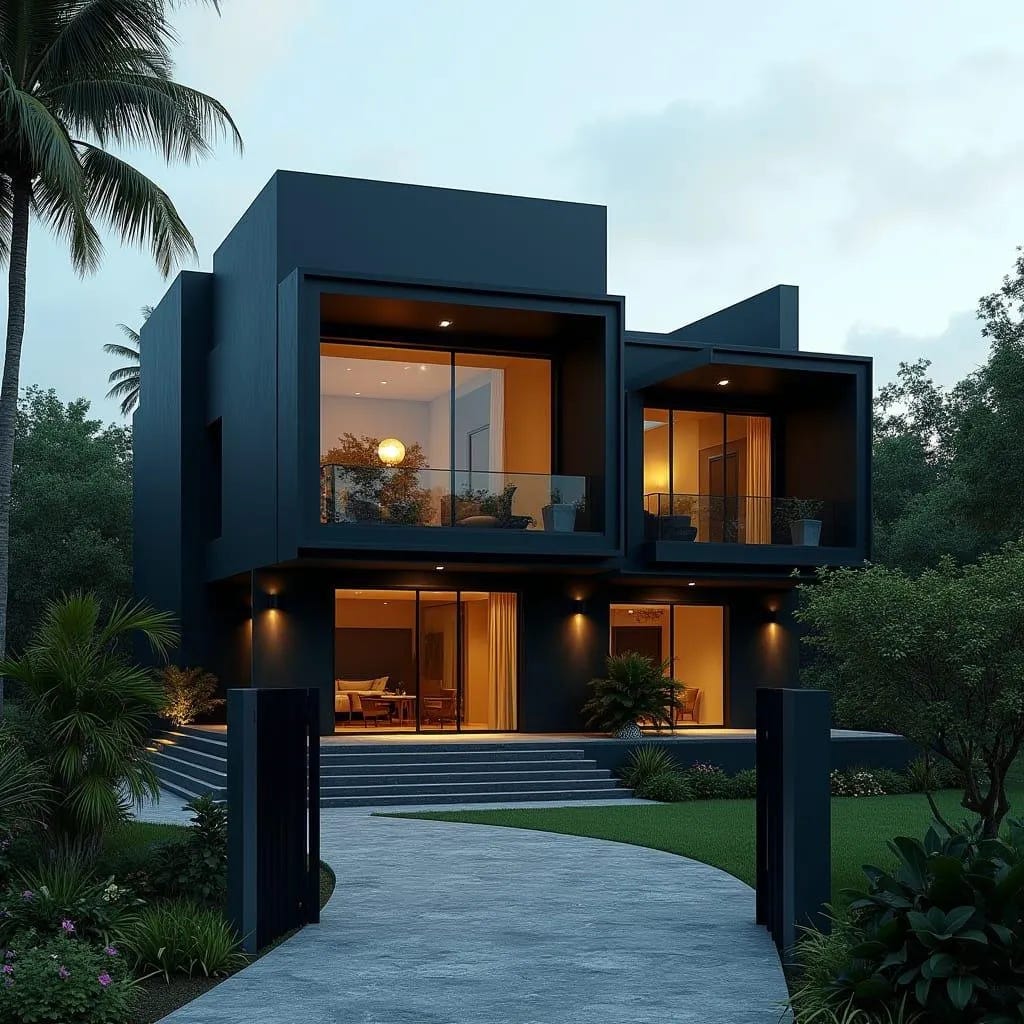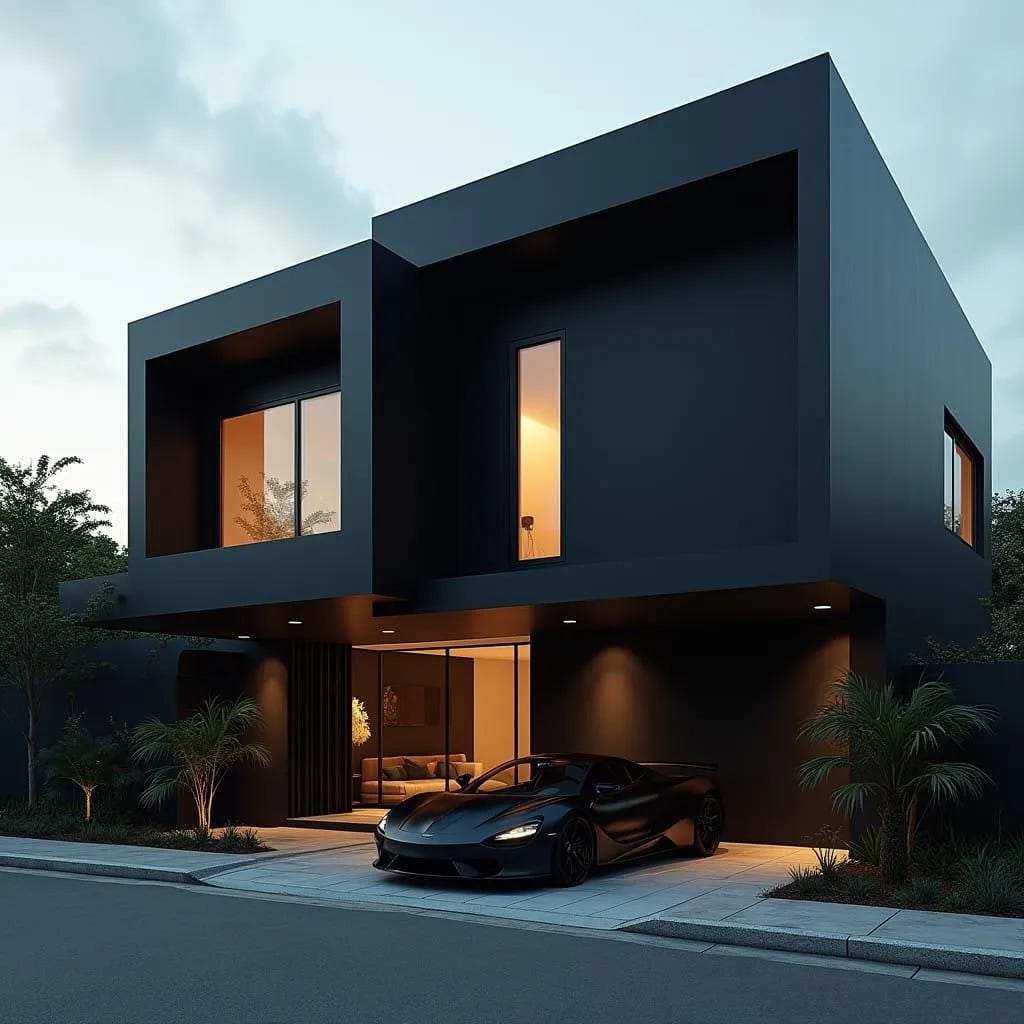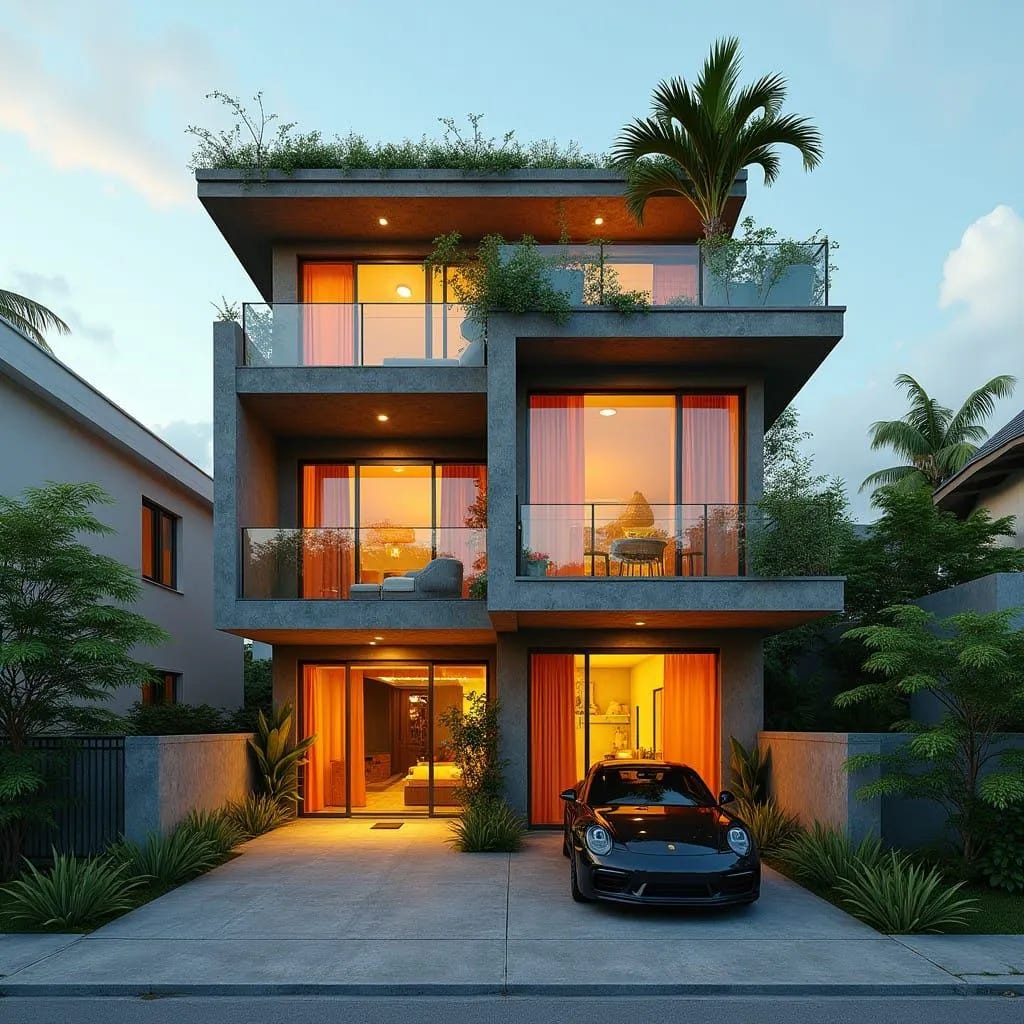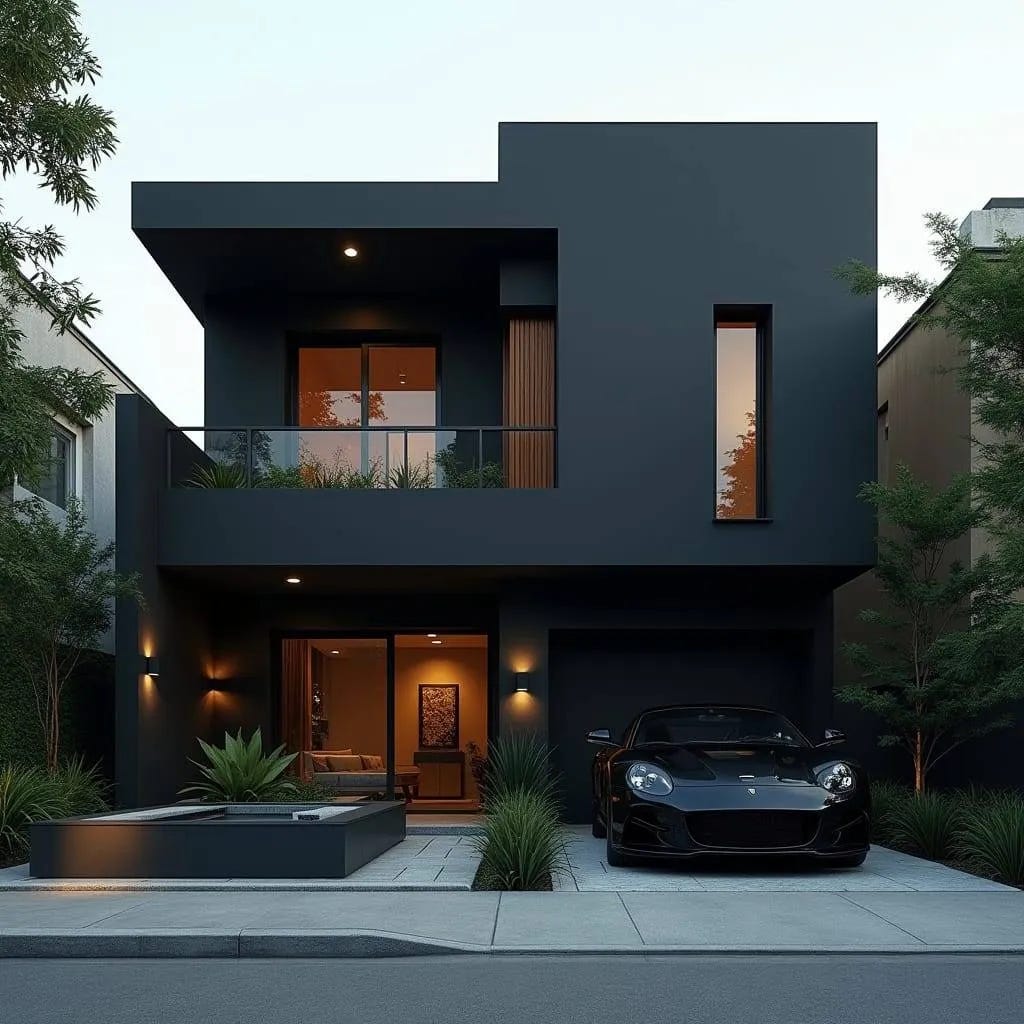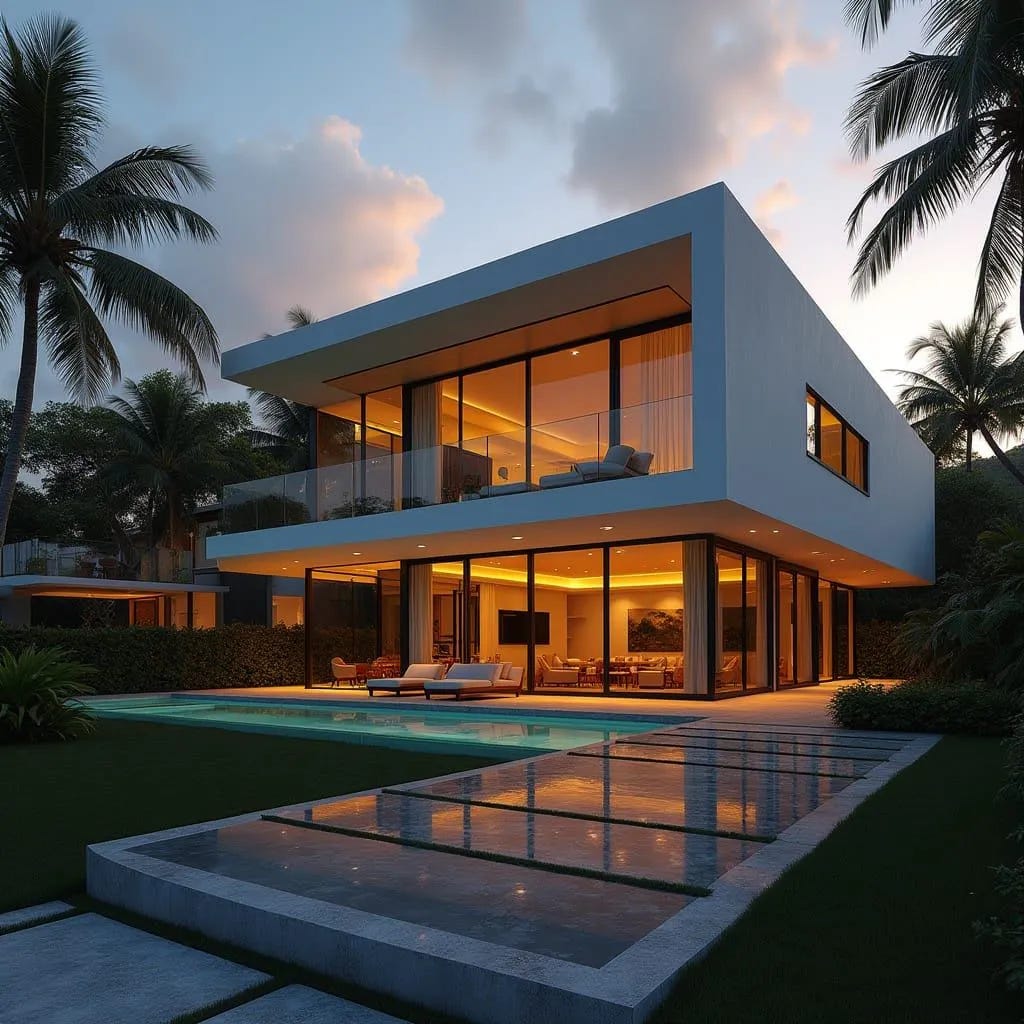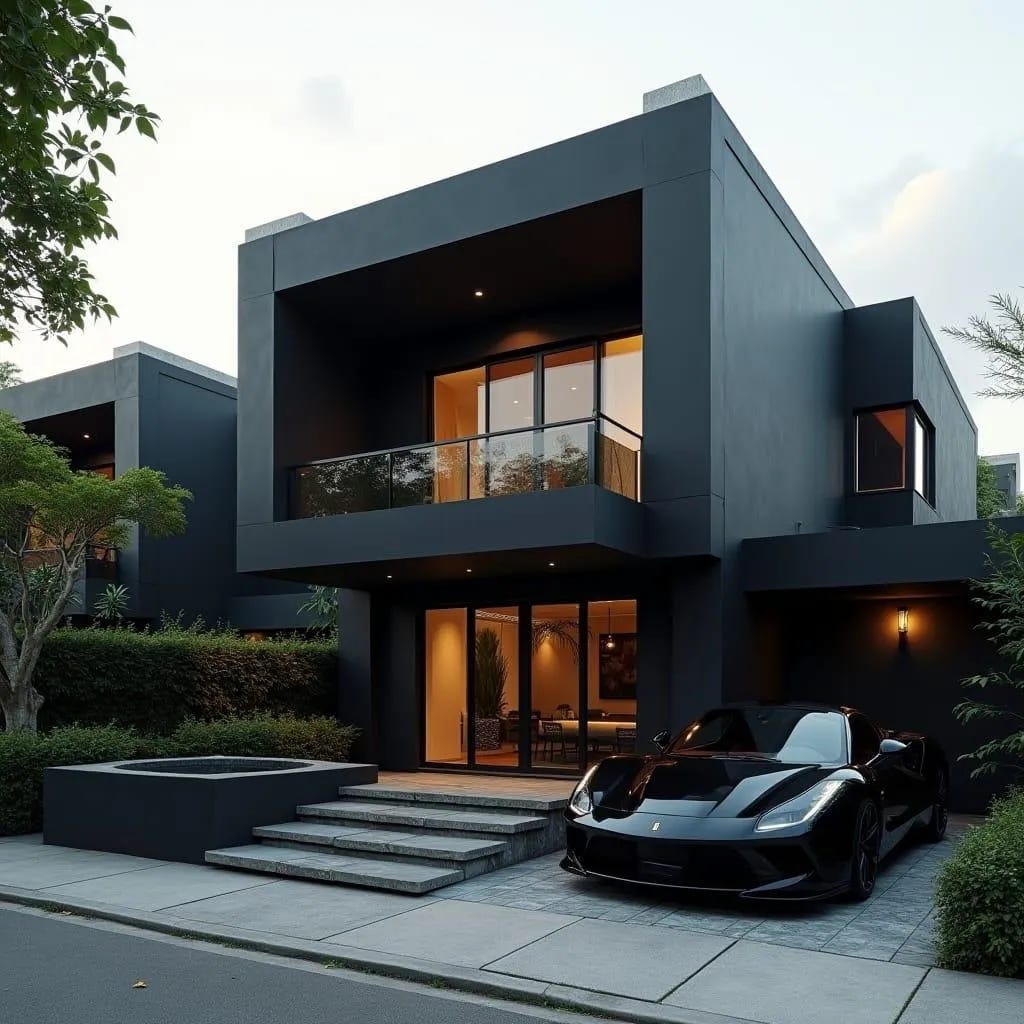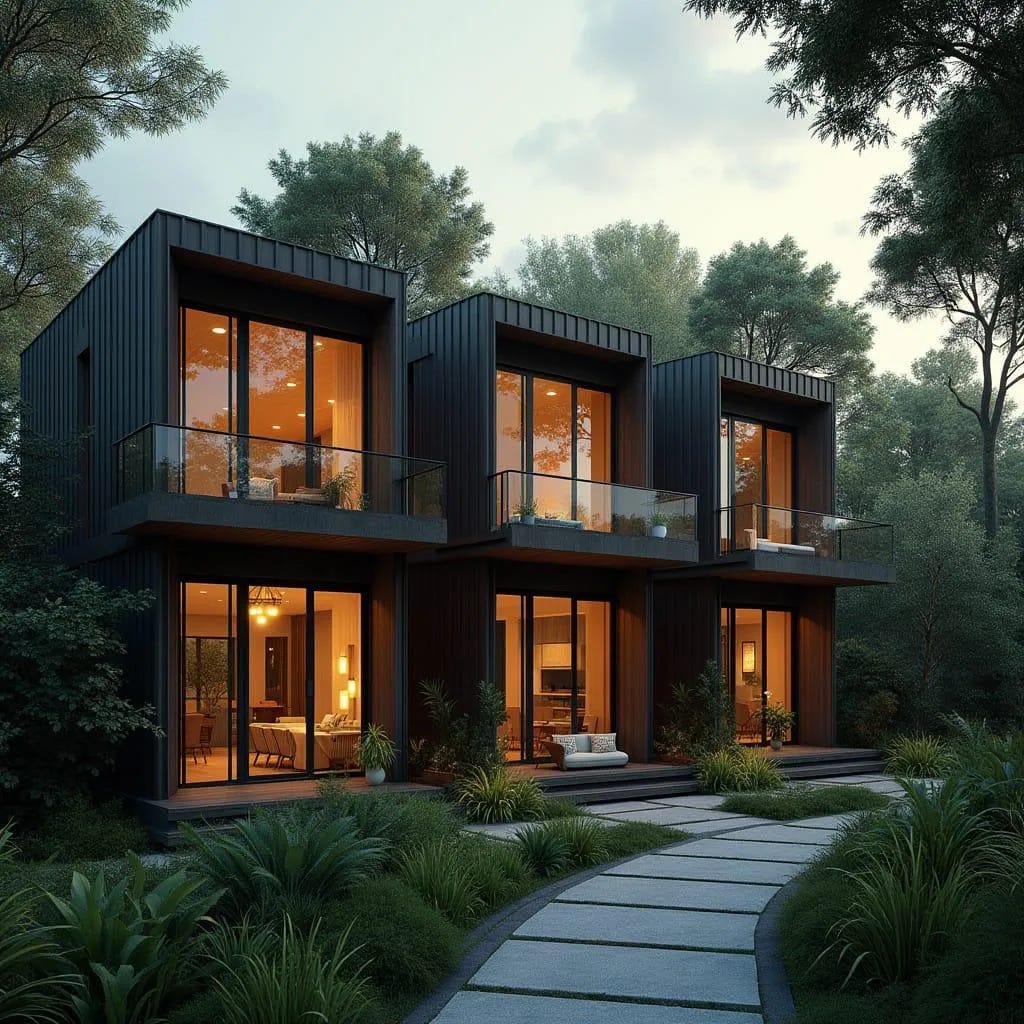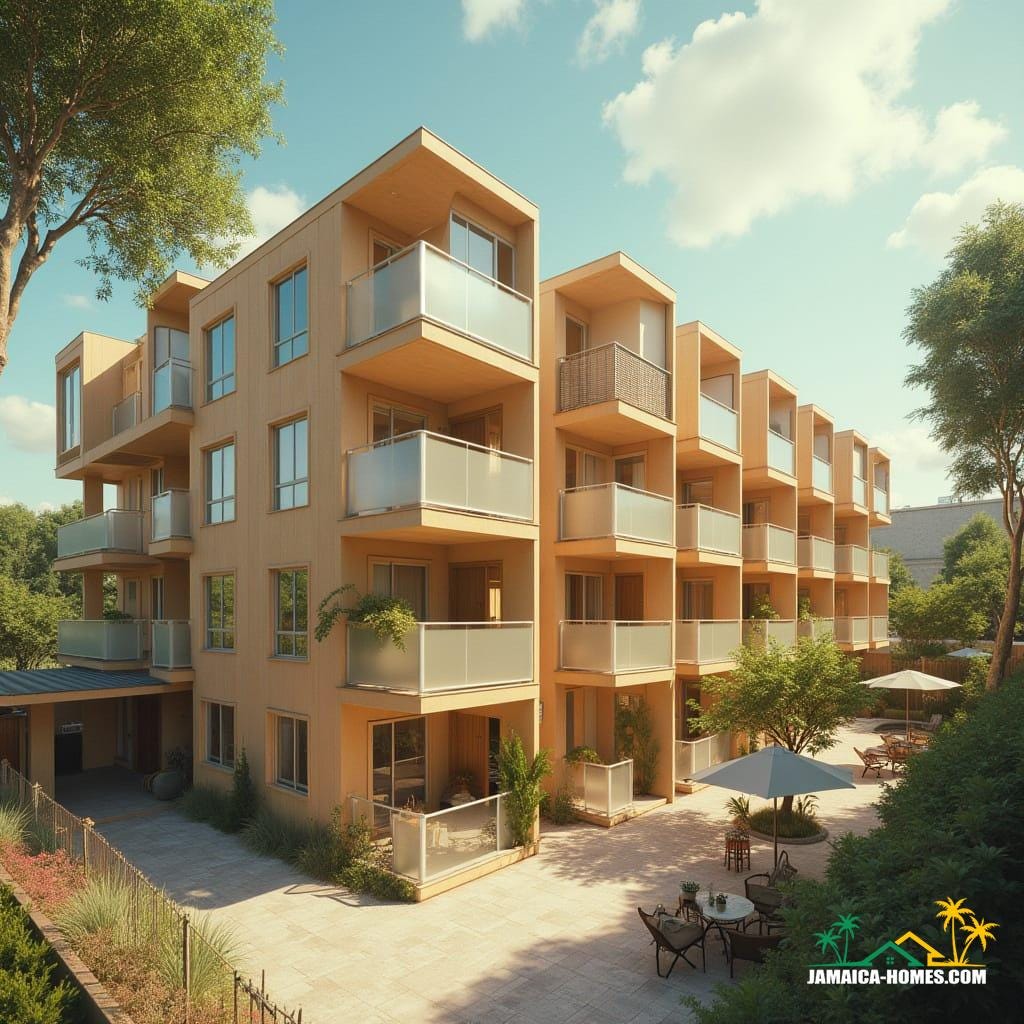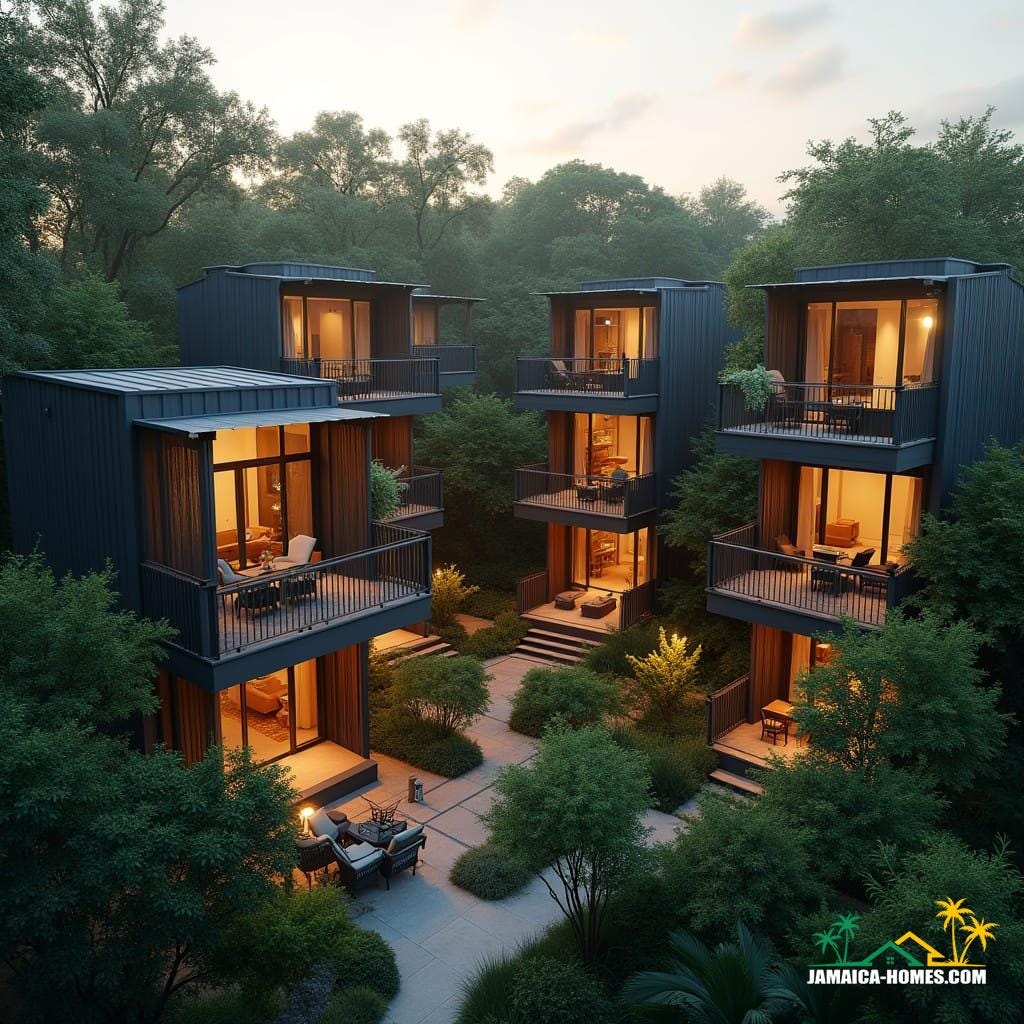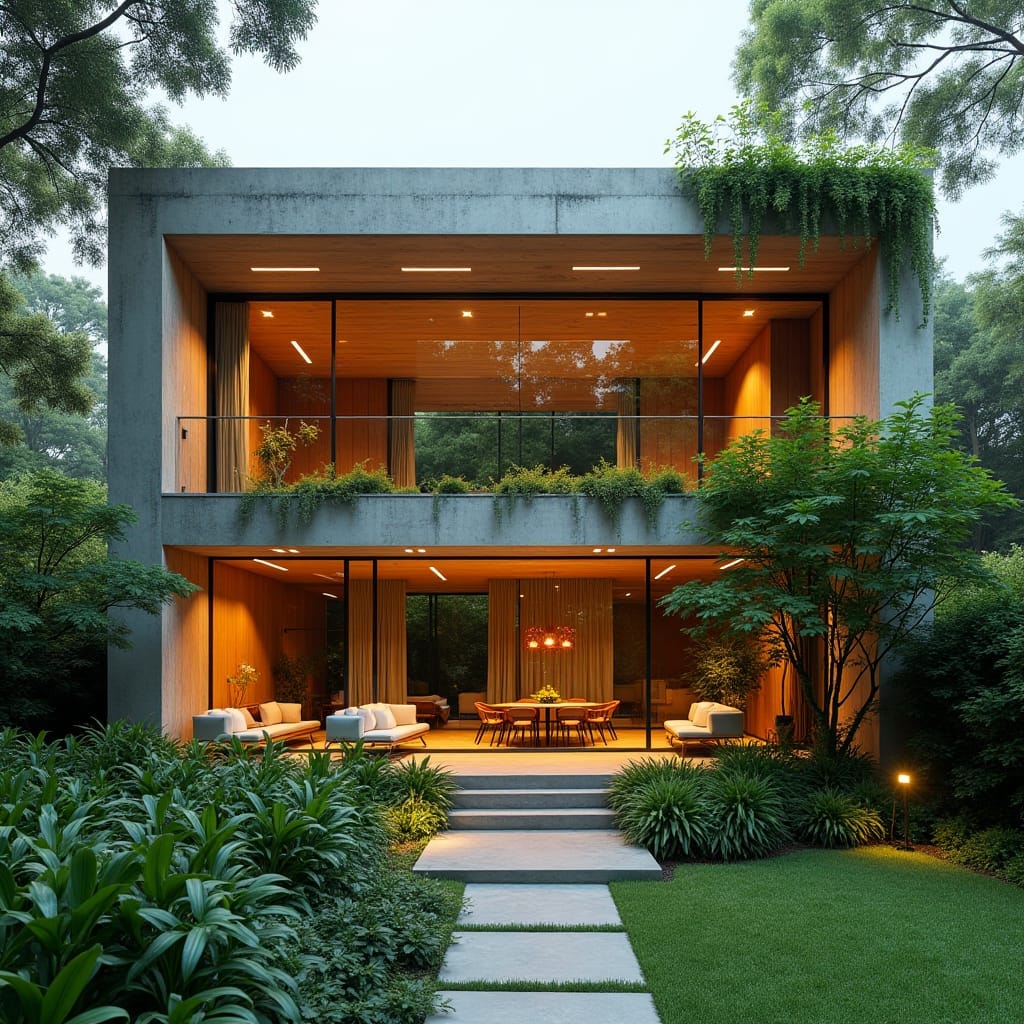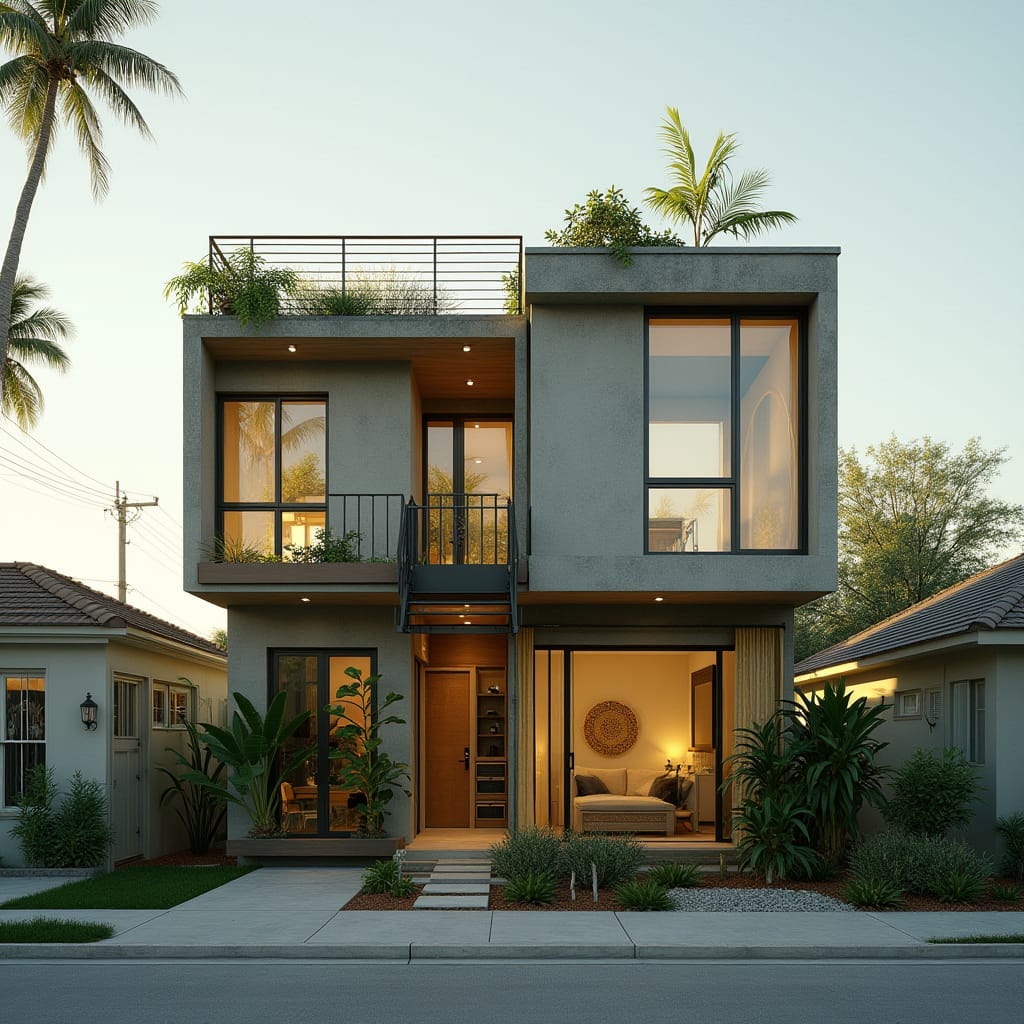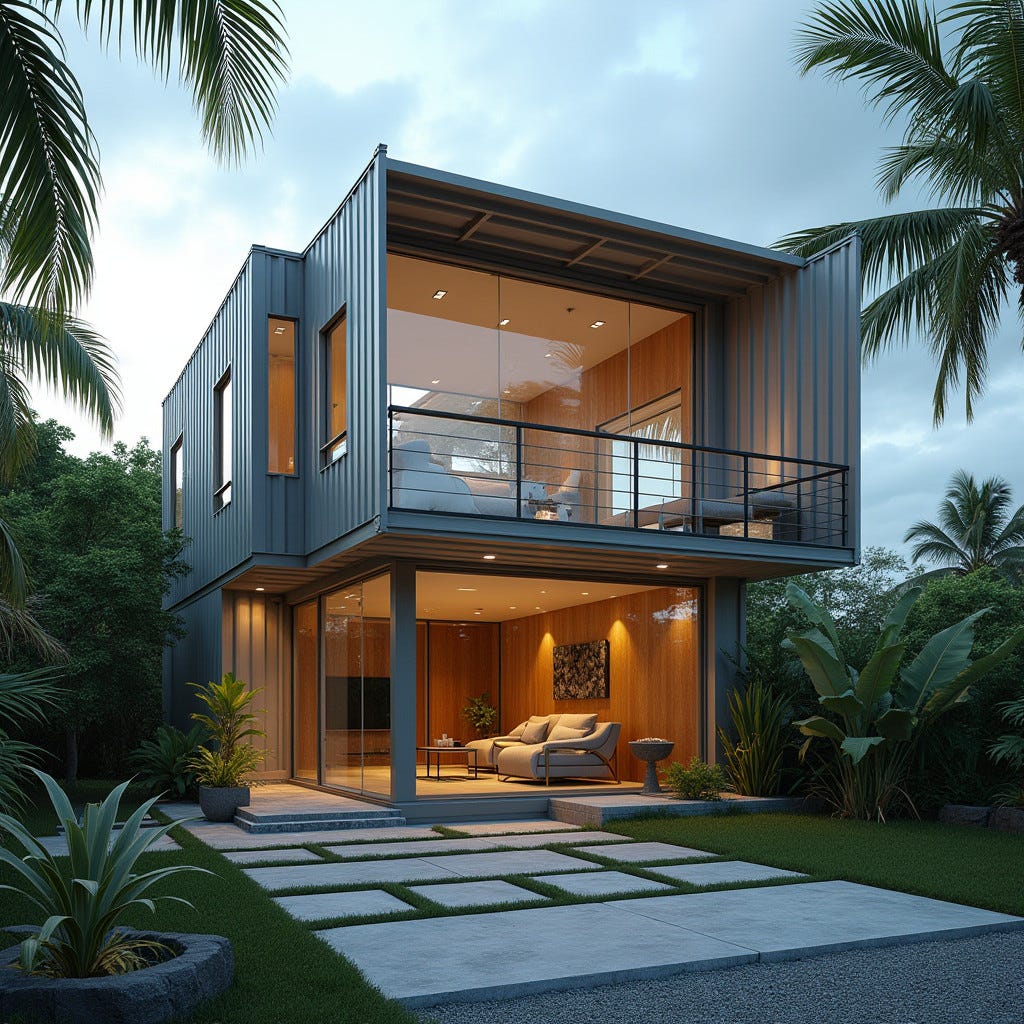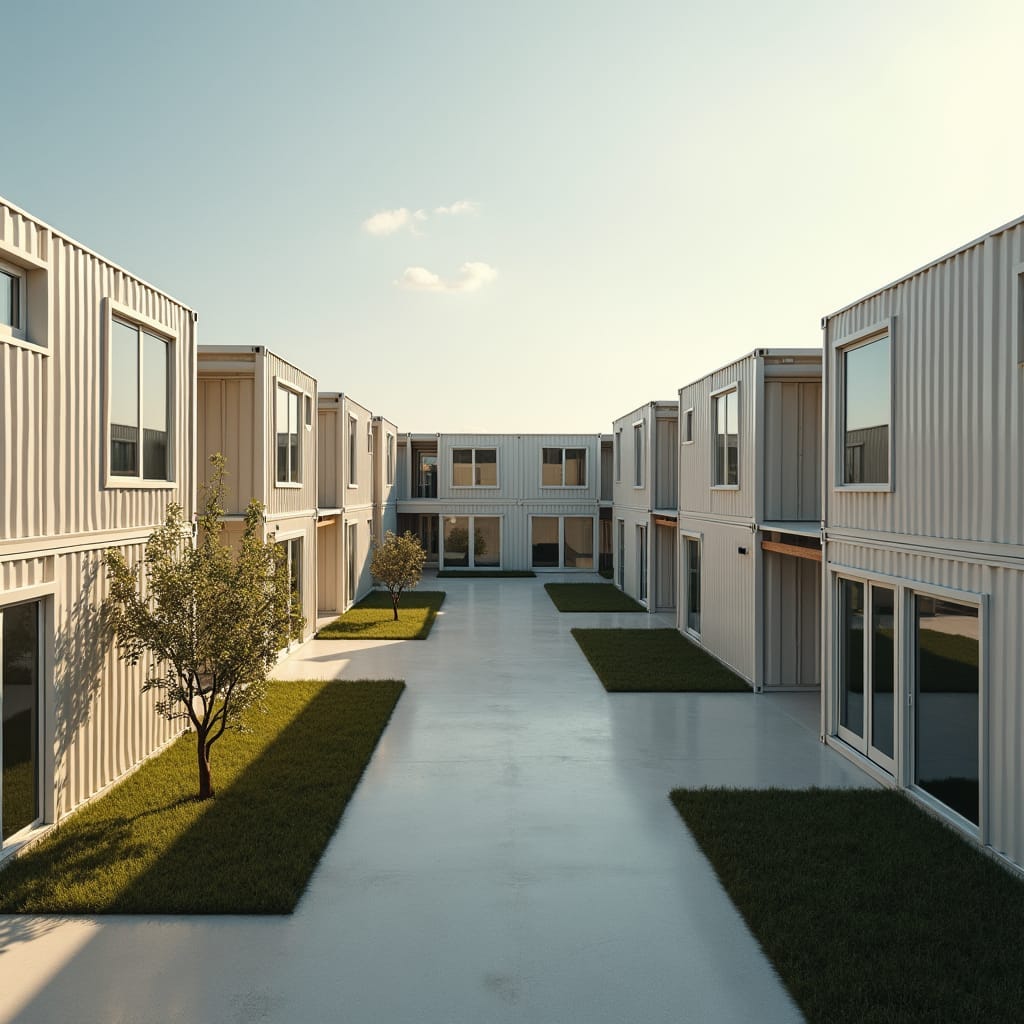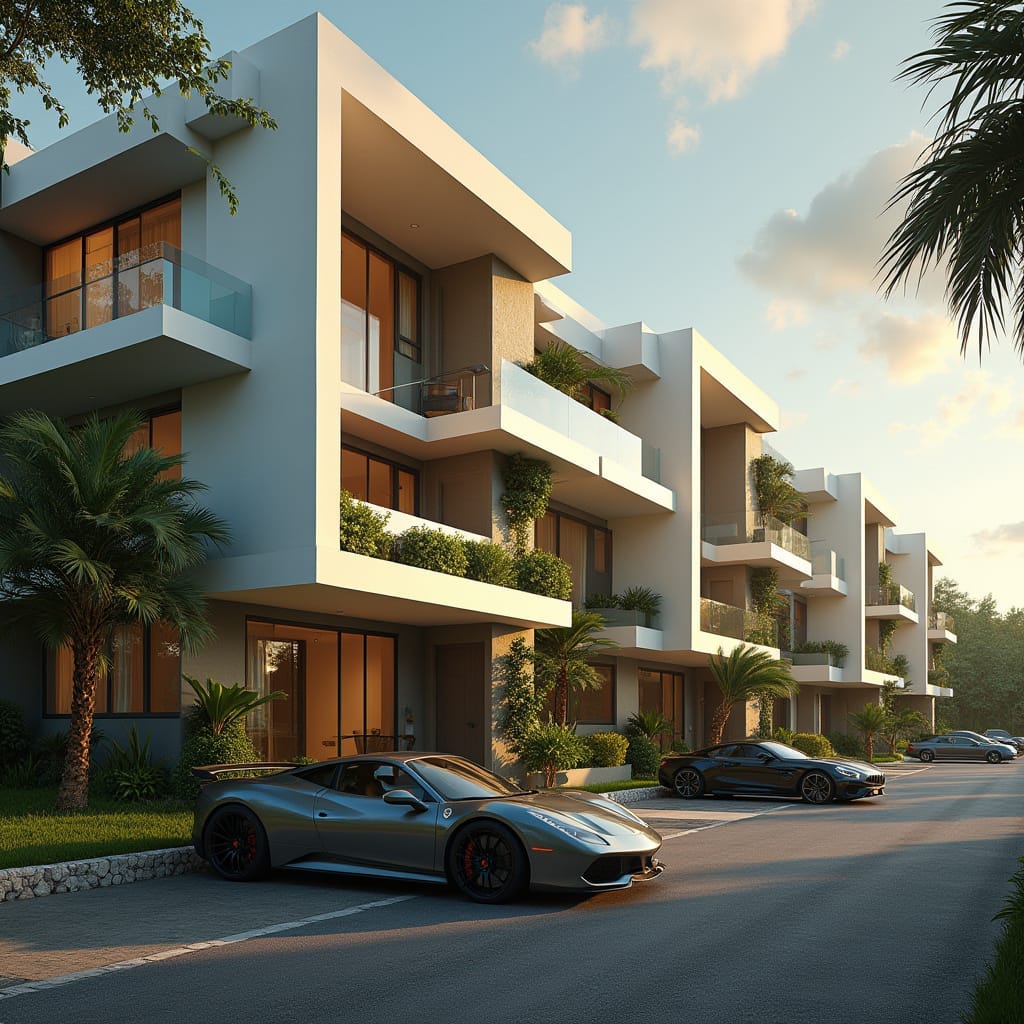
Jamaica has been tested before, and it is being tested again. Hurricanes, seismic tremors, flooding, and infrastructure strain are no longer rare disruptions; they are part of the environment we live in. These forces are not new, and neither is our response to them. Jamaica has always rebuilt. What is different now is the moment we find ourselves in. This is not a story of decline or despair; it is a moment of decision.
In the aftermath of recent storms, and with the establishment of the National Recovery Authority (NARA), Jamaica stands at a crossroads. The question is no longer whether we rebuild, but how. Do we restore what failed, or do we re-imagine what could endure? Do we return to familiar systems that leave us exposed, or do we deliberately design for the realities we already know exist?
Building back stronger cannot be reduced to a slogan. It must be understood as a design philosophy — one where resilience becomes intentional, engineered, and embedded into the fabric of our homes, communities, and national systems. To understand where we must go, we first need to remember what we already knew.
Resilience Must Become Design
To build back stronger is to accept a simple truth:
resilience is not an add-on; it is a design principle.
It must be embedded in how we plan our towns, design our buildings, power our communities, move our traffic, manage our data, and protect our people.
This is not a rejection of progress.
It is an evolution of it—rooted in Jamaica’s past, informed by global innovation, and unapologetically focused on the future.
I think often about the old homes of Jamaica.
Homes like the one my father grew up in, in Maroon Town.
It was modest. Timber-built. Raised on stilts.
It lasted well over a century.
Not because it was high-tech—but because it understood the land.
Long before modern building codes, the first peoples of this island—often referred to as the Taino—knew how to build with the environment, not against it. They understood wind paths. Rainfall. Seismic movement. Ventilation. Elevation.
They built for where they lived.
That wisdom matters now more than ever.
One Size Does Not Fit Jamaica
We must say this plainly:
Jamaica cannot be built using borrowed assumptions.
Yes, international building codes are useful. They offer structure and benchmarks.
But Jamaica is not the UK. It is not Canada. It is not continental Europe.
We sit on a fault line.
We live in the hurricane belt.
Our soils vary dramatically within short distances.
Our coastal exposure is extreme.
A blanket approach does not work here.
Building back stronger means re-examining our systems and rewriting them for Jamaica, not simply inheriting them.
It means gathering lived knowledge—not just consultants, but builders, engineers, planners, tradespeople, and communities—around the same table. Not for talking shops, but for outcomes.
We need:
Steering groups with real authority
Technical committees that document lessons learned
A national knowledge bank of what has worked, what failed, and why
Because experience that is not captured is experience that gets lost.
As I’ve said before:
“If we don’t write our knowledge down, we condemn the next generation to repeat our mistakes—at a higher cost.”
— Dean Jones, Jamaica Homes
Build Once. Build Well. Build to Last.
In my professional life, across complex programmes and high-risk environments, one principle has always held true:
You do not get resilience by cutting corners.
You get it by designing for the worst day—not the best one.
That same thinking must now guide Jamaica’s built environment.
Our architecture must anticipate tomorrow.
Homes must understand the weather.
Structures must know the land they stand on.
This is not about building heavier for the sake of it.
It is about building smarter.
Foundations First: Where Strength Really Begins
Too often, resilience is discussed at roof level.
In truth, it begins underground.
Large parts of Jamaica—particularly along the coast—sit on sandy or unstable soils. Add erosion, rising sea levels, and more intense rainfall, and the risks multiply.
Building back stronger means normalising:
Deeper foundations
Wider use of piling in coastal and flood-prone areas
Enforced geotechnical surveys that inform design—not just paperwork
If the ground shifts, the building follows.
This is engineering reality, not pessimism.
Seismic Design: Learning from the World
Globally, seismic engineering has moved far beyond basic reinforcement.
Some countries now use base-isolation systems—specialised materials and structural “cushions” that allow buildings to move independently of ground motion. During earthquakes, these buildings sway gently, absorb energy, and remain structurally intact.
The technology exists.
The expertise exists.
In many cases, the partnerships already exist.
So the real question is not can Jamaica adopt these systems—but why haven’t we yet?
Portland cement has served us well.
But innovation does not stand still—and neither should we.
As I often say:
“Resilience is not tradition versus innovation.
It is tradition informing innovation.”
— Dean Jones, Jamaica Homes
Coastal Construction: Higher Standards Where Risk Is Higher
Risk is not evenly distributed, and our standards should reflect that.
Buildings near the coastline face:
Higher wind loads
Storm surge
Salt corrosion
Wave impact
It is entirely reasonable—responsible, even—to require:
Increased steel reinforcement
Higher-grade materials
More robust detailing
Roof systems that prioritise continuity and load paths
Government buildings in these zones should lead by example.
They are not just structures; they are lifelines during emergencies.
Smart Infrastructure: Designing for 2030 and Beyond
There is no sense building new developments today that are already outdated tomorrow.
If we are pouring concrete, we should be embedding intelligence.
Imagine Jamaica’s future streets:
Intelligent traffic control systems that adapt to congestion and emergencies
Smart streetlights powered by solar energy
Light posts that include internet access, CCTV, environmental sensors, and emergency alerts
Infrastructure that talks to itself—and to the people it serves
This technology already exists.
I have seen it.
Other countries are deploying it at scale.
Why shouldn’t Jamaica?
Smart infrastructure is not about surveillance or extravagance.
It is about efficiency, safety, and resilience.
Power Redundancy: The Difference Between Inconvenience and Crisis
A resilient country does not go dark when one system fails.
Redundancy must be standard—not exceptional.
That means:
Distributed solar generation
Battery storage at community and institutional level
Microgrids that can operate independently during outages
Critical facilities that never lose power
Solar power should no longer be treated as an alternative.
It should be a baseline.
When power fails, everything fails—banking, healthcare, communications, security.
Redundancy is not luxury spending. It is survival planning.
Intelligent Buildings, Not Just Strong Ones
The future Jamaican home will not be defined solely by size or finish.
It will be valued for what it knows.
Does it:
Monitor structural stress?
Regulate temperature naturally?
Optimise energy use?
Communicate with emergency systems?
Homes that can “sense” their environment are no longer science fiction.
They are already shaping property markets globally.
And this matters because real estate value is shifting.
Tomorrow’s buyers will ask:
Will this home withstand hurricanes?
Is it earthquake-resilient?
Can it function during power outages?
Was it designed with climate change in mind?
Resilience will command a premium—because it protects life and legacy.
The Hidden Cost of Import Barriers
Innovation does not fail in Jamaica because of a lack of ideas.
It often fails because of cost barriers.
When advanced materials or systems double in price before reaching our shores, progress stalls—especially for those already struggling.
Building back stronger requires alignment:
Between government policy and import regulation
Between innovation goals and tax structures
Between resilience planning and affordability
If resilience is only accessible to the wealthy, it is not resilience at all.
Communities Matter as Much as Concrete
We must also confront quieter issues that erode communities over time.
Across Jamaica, unfinished homes sit in limbo—sometimes for years.
Life happens. A death. A dispute. Financial strain.
But these structures become:
Safety hazards
Targets for vandalism
Sources of community decline
There are no simple answers—but there must be conversation, policy, and compassion.
Building back stronger is not just about new construction.
It is about protecting the social fabric that holds communities together.
A Digitally Resilient Jamaica
Resilience also lives in systems we cannot see.
Land records. Banking platforms. Government databases.
A modern Jamaica needs:
Fully digital land registries
Secure, transparent ownership records
Systems that prevent fraud and speed up development
Technology that empowers citizens, not frustrates them
Likewise, financial institutions must be required to maintain operational continuity.
Cash access cannot vanish because the power flickers.
Safety, Technology, and Public Confidence
A resilient nation is also a safe one.
Modern crime-prevention technology—used ethically and transparently—can:
Support law enforcement
Deter crime
Improve emergency response
Restore public confidence
Technology will not replace human judgment—but it can strengthen it.
The Jamaica We Are Building Toward
Building back stronger does not mean abandoning who we are.
It means honouring it.
It means:
Respecting ancestral knowledge
Embracing modern engineering
Designing for our environment
Planning for disruption, not pretending it won’t come
It means recognising that the strongest buildings are those that belong where they stand.
As I’ve said many times:
“We don’t build houses.
We build the conditions for families to survive, thrive, and pass something on.”
— Dean Jones, Jamaica Homes
Jamaica will always face challenges.
But we are not fragile.
If we choose wisely—if we design intentionally—this island can emerge not just rebuilt, but re-imagined.
Rooted in the past.
Engineered for the future.
Built for what endures.
That is what building back stronger looks like.