There are moments in the life of a country when the debate around housing becomes louder than the housing itself. Container homes in JamaicaJamaica, with its vibrant culture and stunning landscapes, has a unique position in the global real estate market. The i... More sit squarely in that moment.
I have supported the considered use of container-based constructionConstruction is the dynamic process of designing and erecting buildings and infrastructure, crucial for shaping modern l... More for over two decades—not as a trend, not as a political response, but as a professional position informed by exposure. I have seen container architectureArchitecture is the art and science of designing and constructing buildings and spaces that reflect cultural, functional... More succeed brilliantly, fail spectacularly, and sit uncomfortably in between. I have seen post-war prefabrication in the UK leave behind both cautionary tales and quietly enduring success stories. These experiences shape my view today.
Let me be clear from the outset. I have not inspected the specific container units currently being discussed in the public space. I have not walked through them, assessed their specification, or examined their detailing. Without that first-hand engagement, it would be irresponsible to comment on those particular homes. What I can speak to—confidently and without hesitation—is container housing as a construction approach.
That distinction matters.
Much of the professional concern being voiced is valid. In a tropical, humid, hurricane-prone and seismically active country like Jamaica, housing cannot be reduced to expediency. Steel behaves in predictable ways, but only when it is respected. Heat gain, corrosion, moisture control, anchorage, ventilation, and long-term durability are not peripheral considerations; they are foundational. To raise these issues is not obstructionist—it is professional duty.
But it is equally important to say this: those same concerns apply to every building typology. Masonry can fail. Timber can fail. Concrete can fail. Steel can fail. Buildings do not succeed or collapse because of what they are made from; they succeed or collapse because of how thoughtfully they are designed, specified, and executed.
This is where the conversation must slow down.
There is also a line that must be drawn—clearly and honestly—between emergency accommodation and permanent housing. When a family has lost their home, when someone has no roof over their head, theoretical perfection is not the immediate concern. Safety, shelter, dignity, and speed matter. In that context, a well-considered temporary structure, even if modest, can be transformative. No one sleeping without cover debates architectural purity.
At the same time, temporary solutions must never quietly become permanent by default. That is where failure creeps in—not through material choice, but through policyIn Jamaica, a policy represents a guiding principle or course of action adopted by governmental bodies, organizations, o... More drift and lowered expectations.
Container homes, when treated casually, can become little more than metal boxes placed on landIn real estate, land is a foundational element that significantly impacts the value and potential of a property. It enco... More. When treated with seriousness, they can become part of an integrated system—manufactured off-site under controlled conditions, anchored to proper foundations, layered with insulationIn Jamaican real estate, insulation refers to materials and techniques used to enhance a building's energy efficiency by... More strategies that respond to heat and humidity, ventilated intelligently, protected against corrosion, and designed to work with light rather than against it.
Around the world, this has already been proven. Containers have formed the backbone of schools, multi-unit housing, hybrid homes blending steel, reinforced concrete, timber, and glass. In their best expressions, the container disappears as a novelty and re-emerges as structure, rhythm, and proportion. These are not gimmicks. They are architect-led, engineer-resolved buildings.
The danger lies not in the container, but in the assumption that a container is a complete answer. It is not. It is a component. A powerful one, yes—but only when it sits within a coherent architectural and engineering vision.
A container home can be a shortcut, or it can be a canvas.
A liability, or an asset.
A symbol of lowered standards, or a demonstration of disciplined designDesign is the art and science of creating plans and specifications for the construction of objects, structures, and syst... More.
The difference is never accidental.
What concerns me most in this debate is not disagreement, but compression—the flattening of a complex subject into a single yes-or-no question. We should not be asking whether container homes are good or bad. We should be asking what standards we are prepared to insist on, what specificationsWhen constructing a building in Jamaica, it must meet various specifications to ensure safety, quality, and compliance w... More we are willing to defend, and whether we are designing for our climate or merely reacting to crisis.
Housing is not just shelter. It is health. It is resilience. It is an expression of how seriously a society takes the lives lived inside its walls.
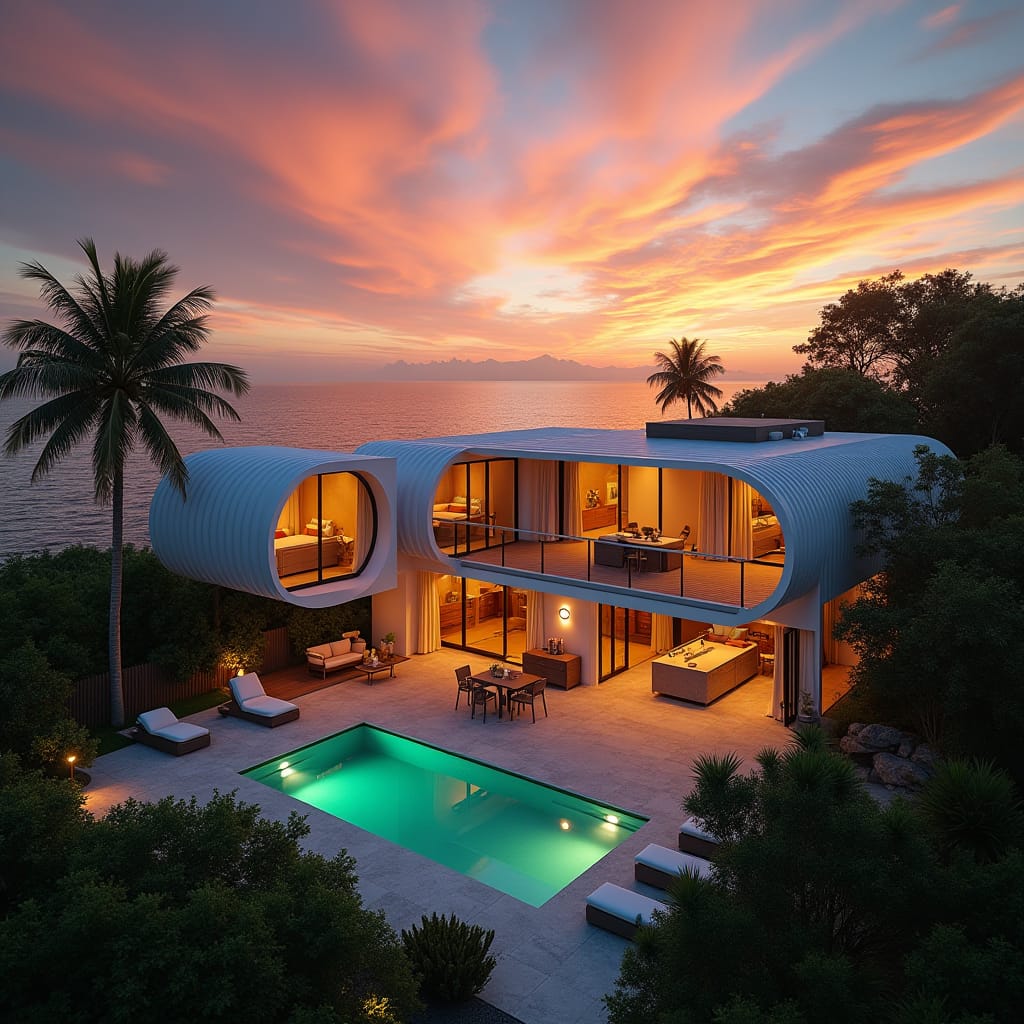
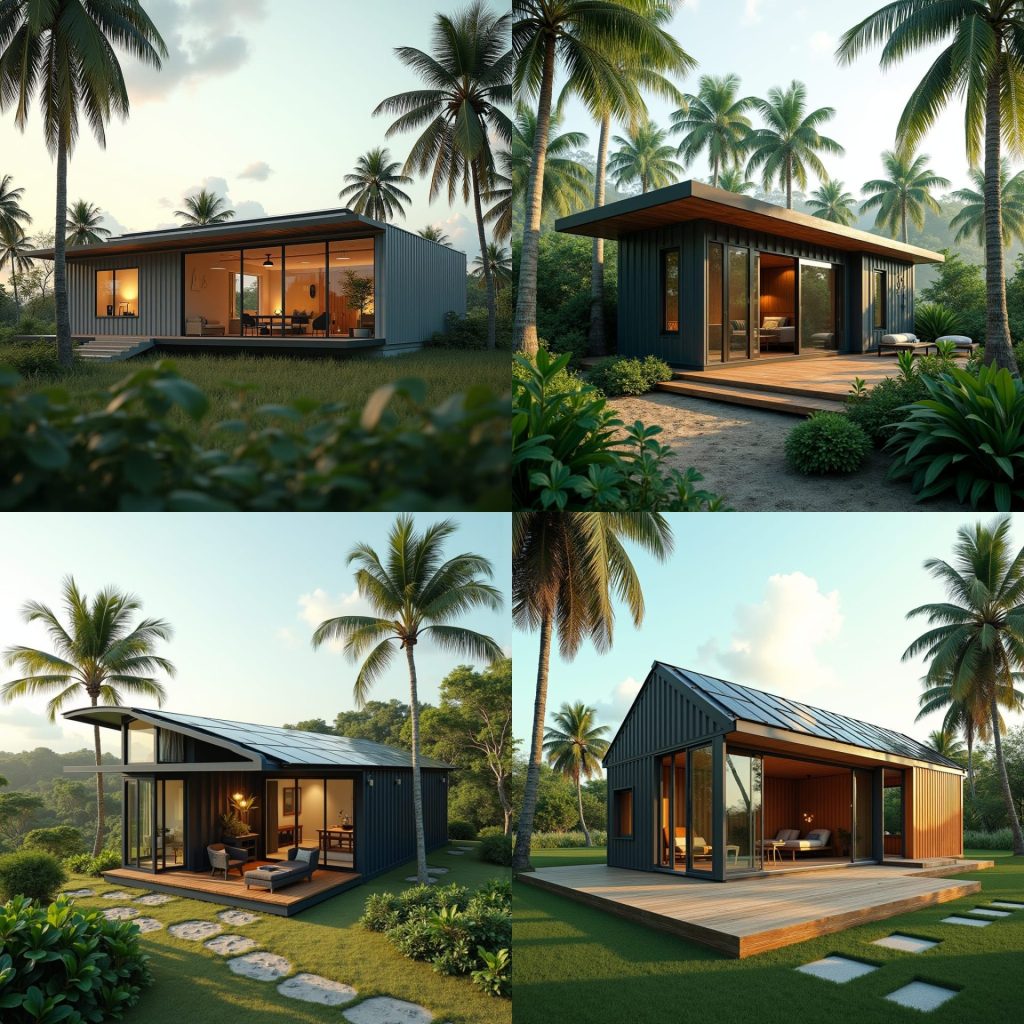
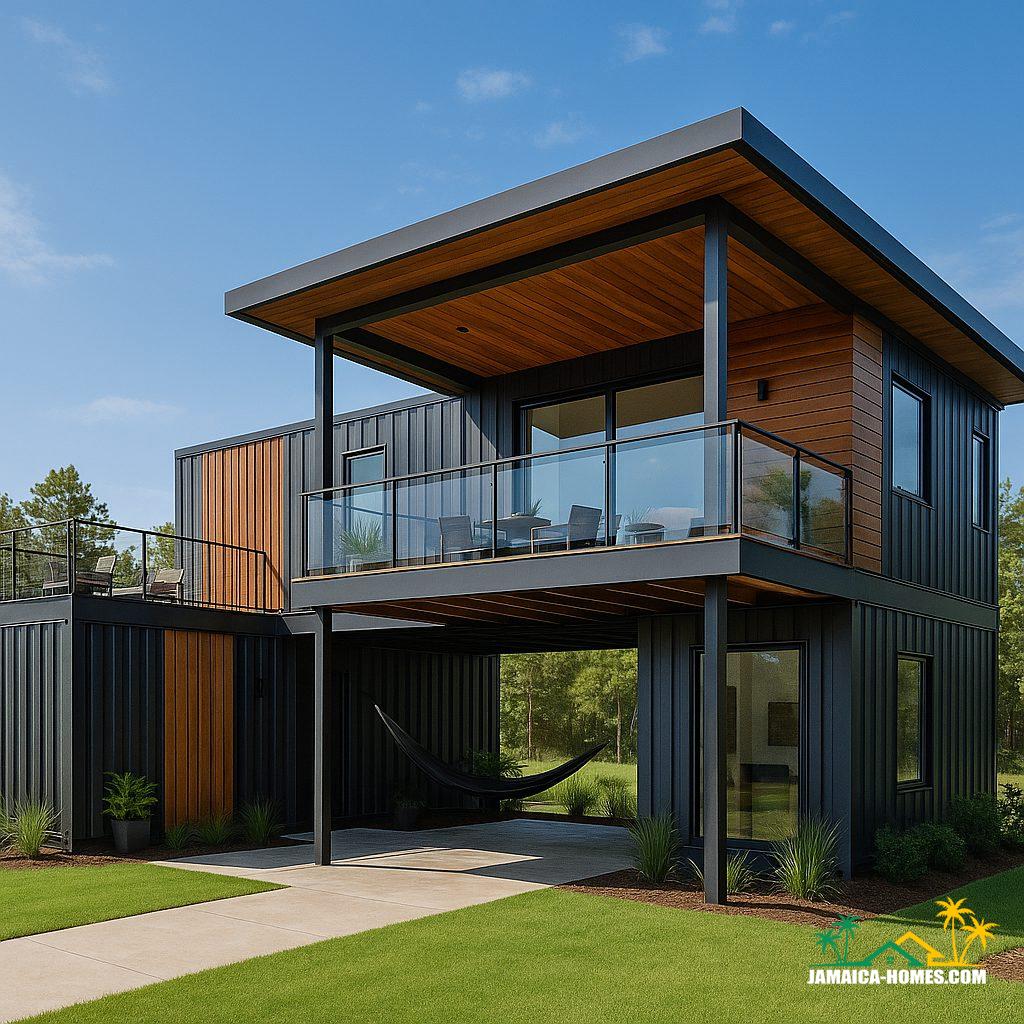
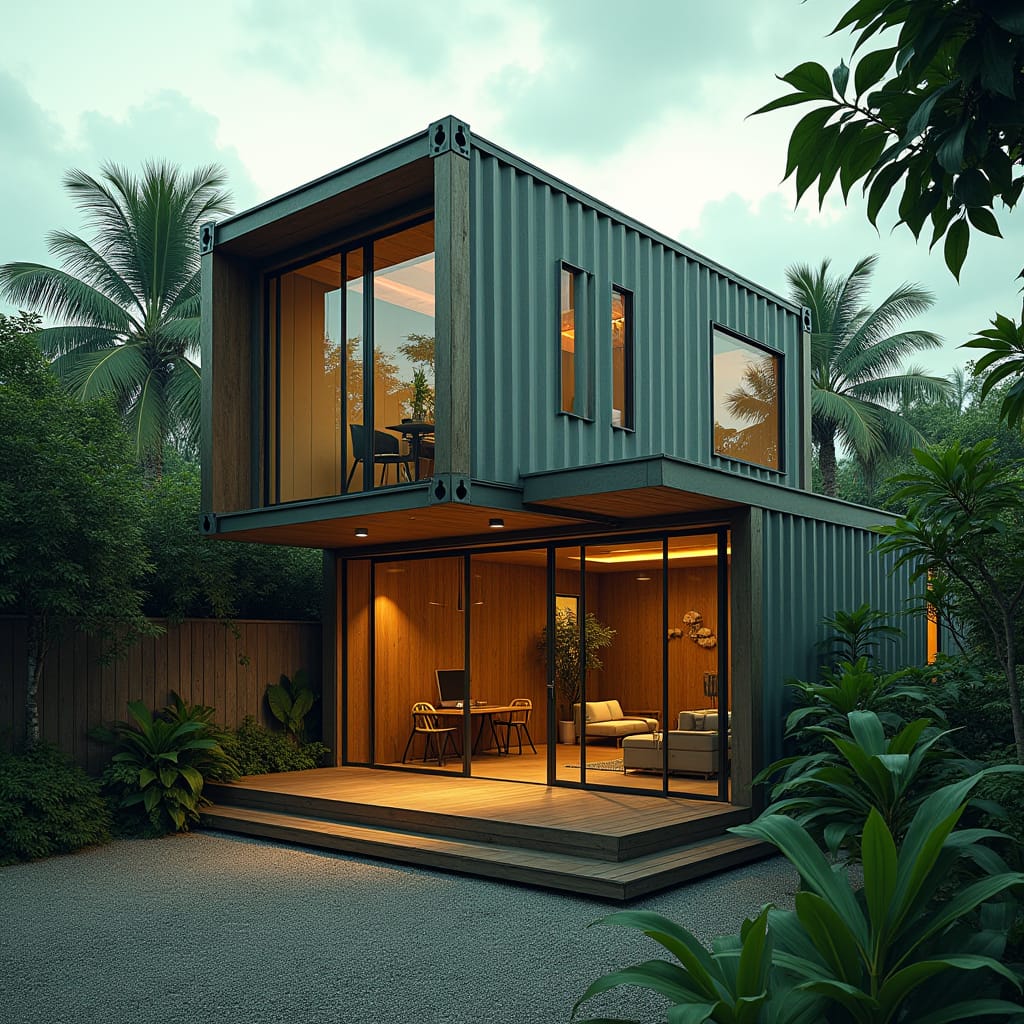
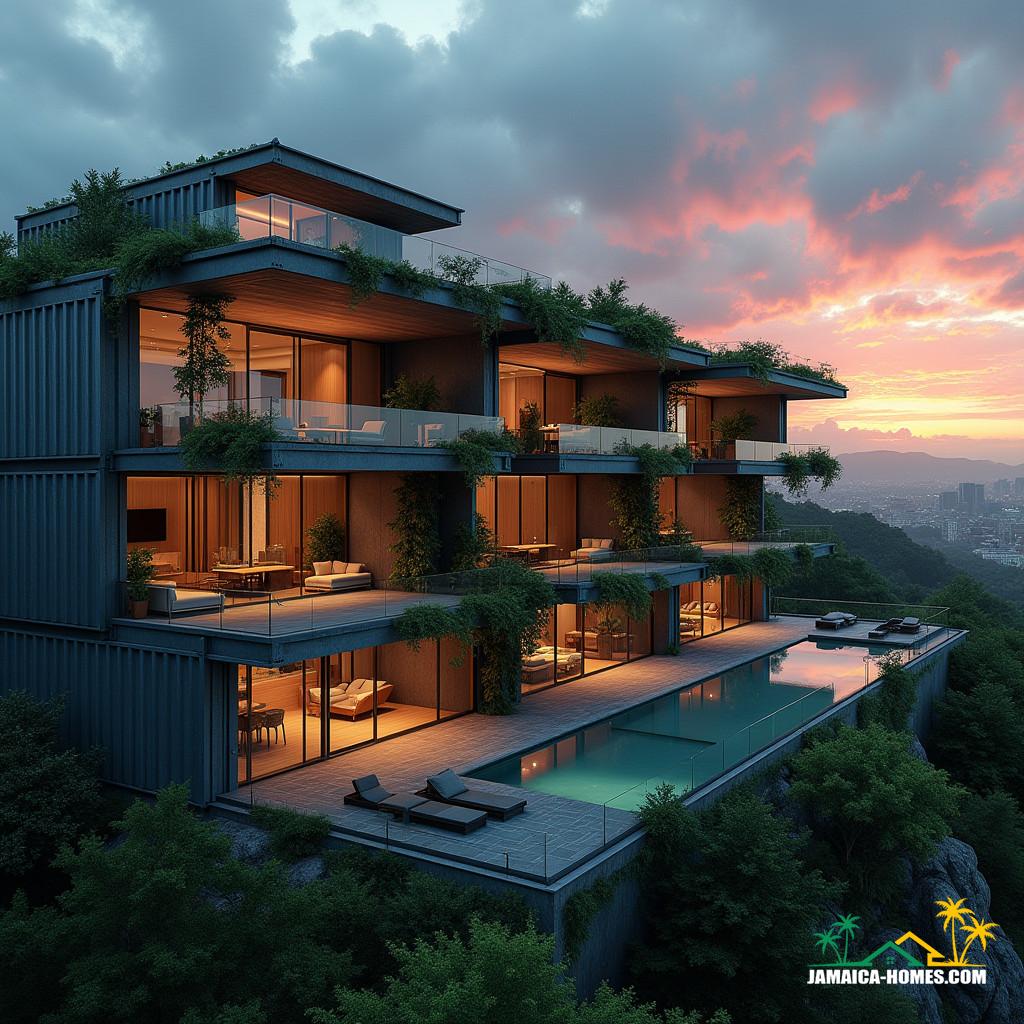
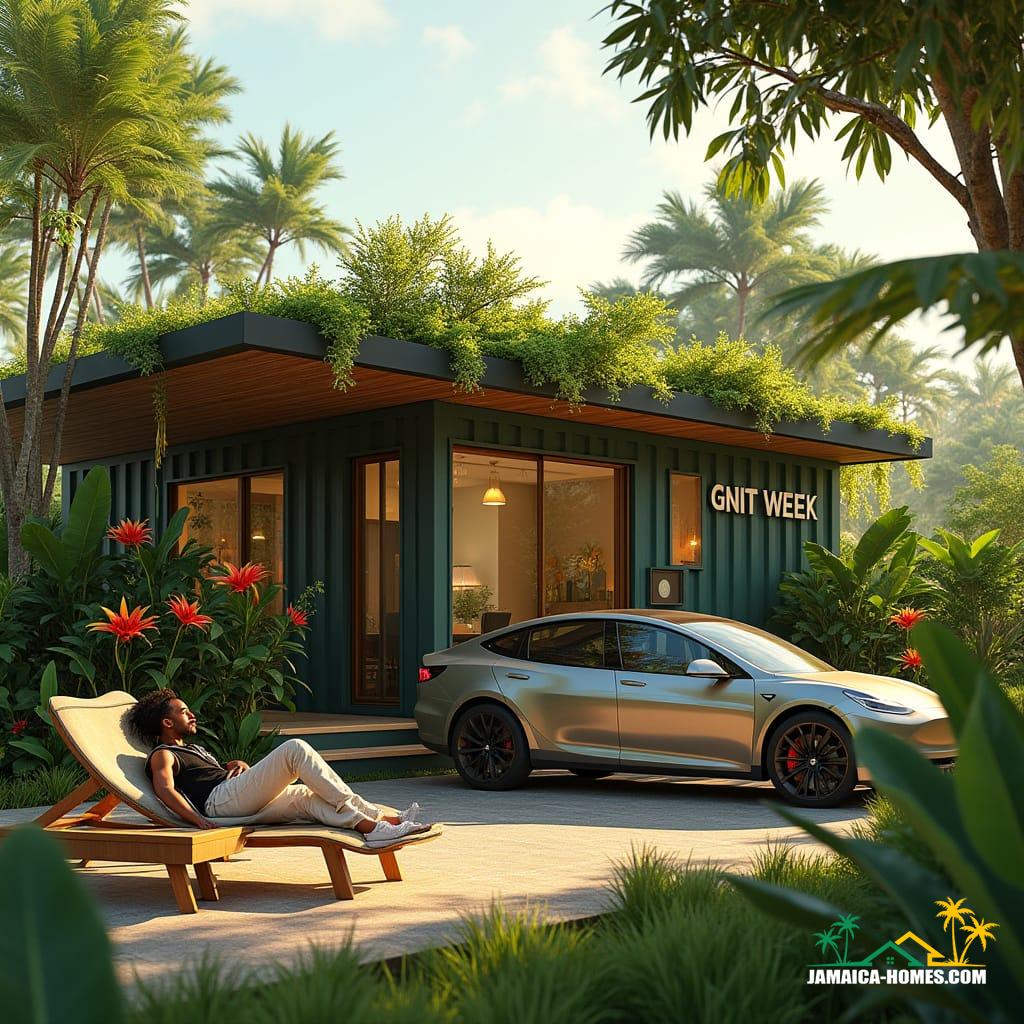
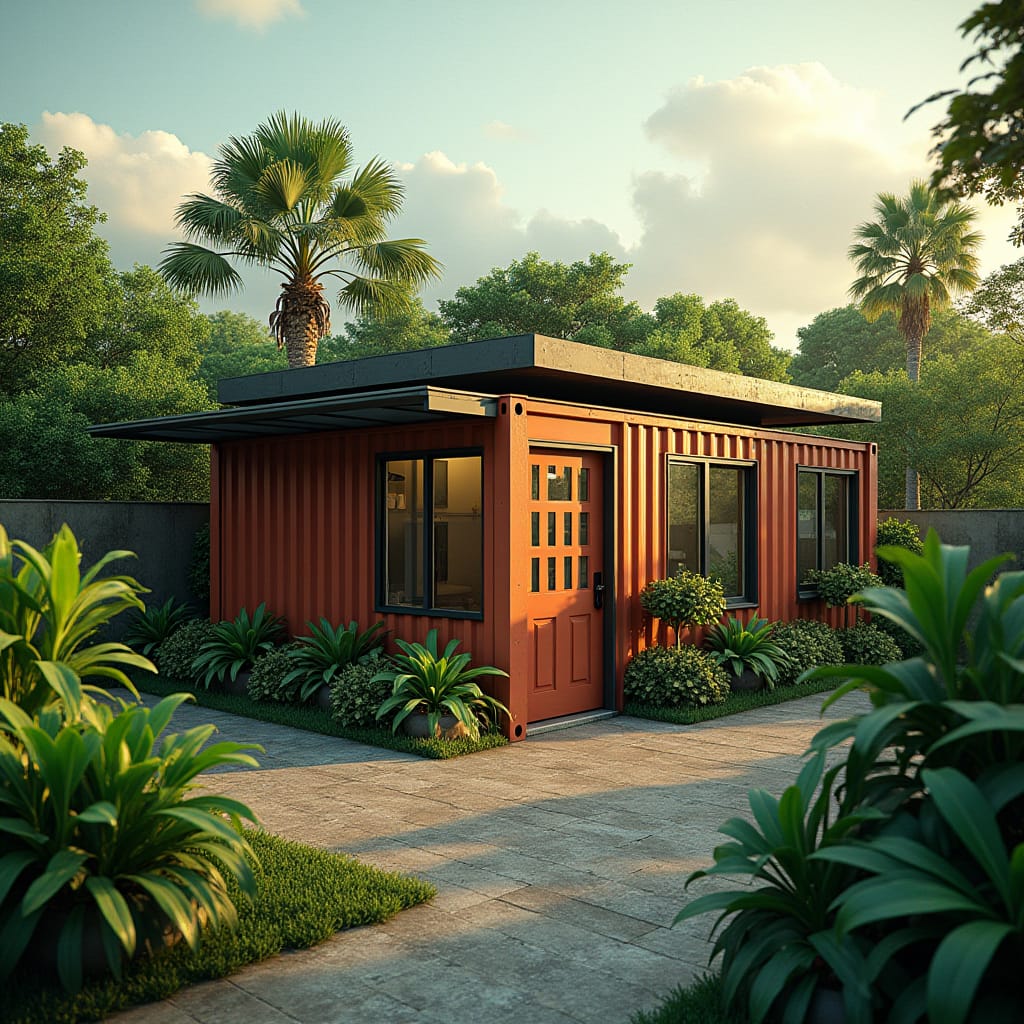
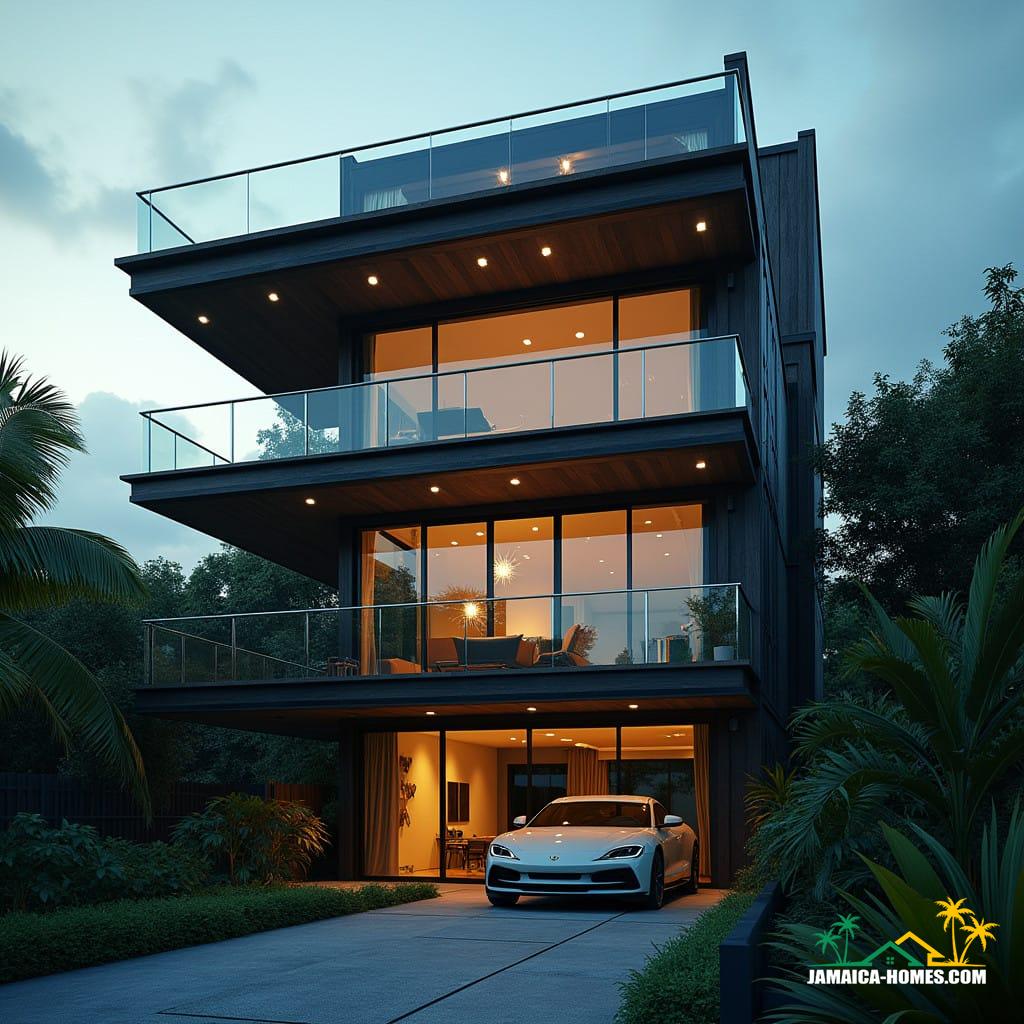
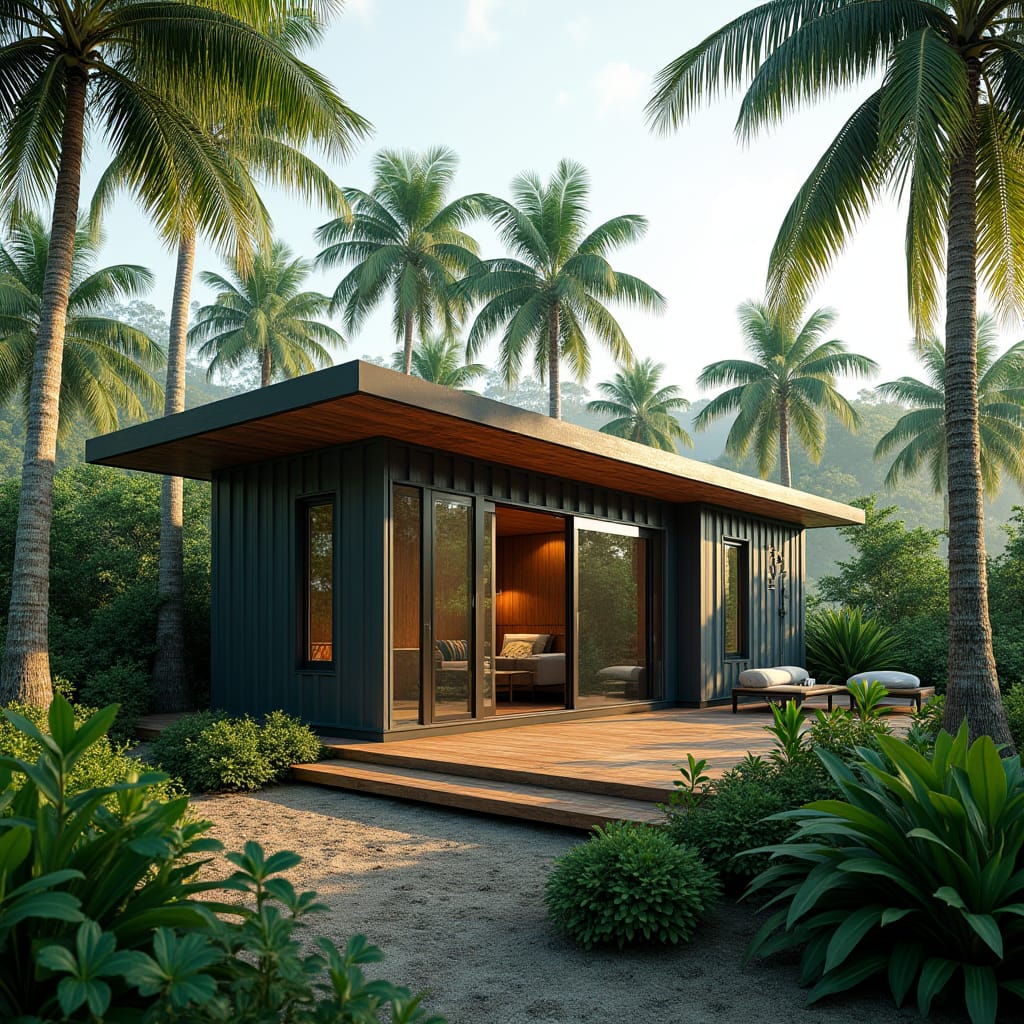
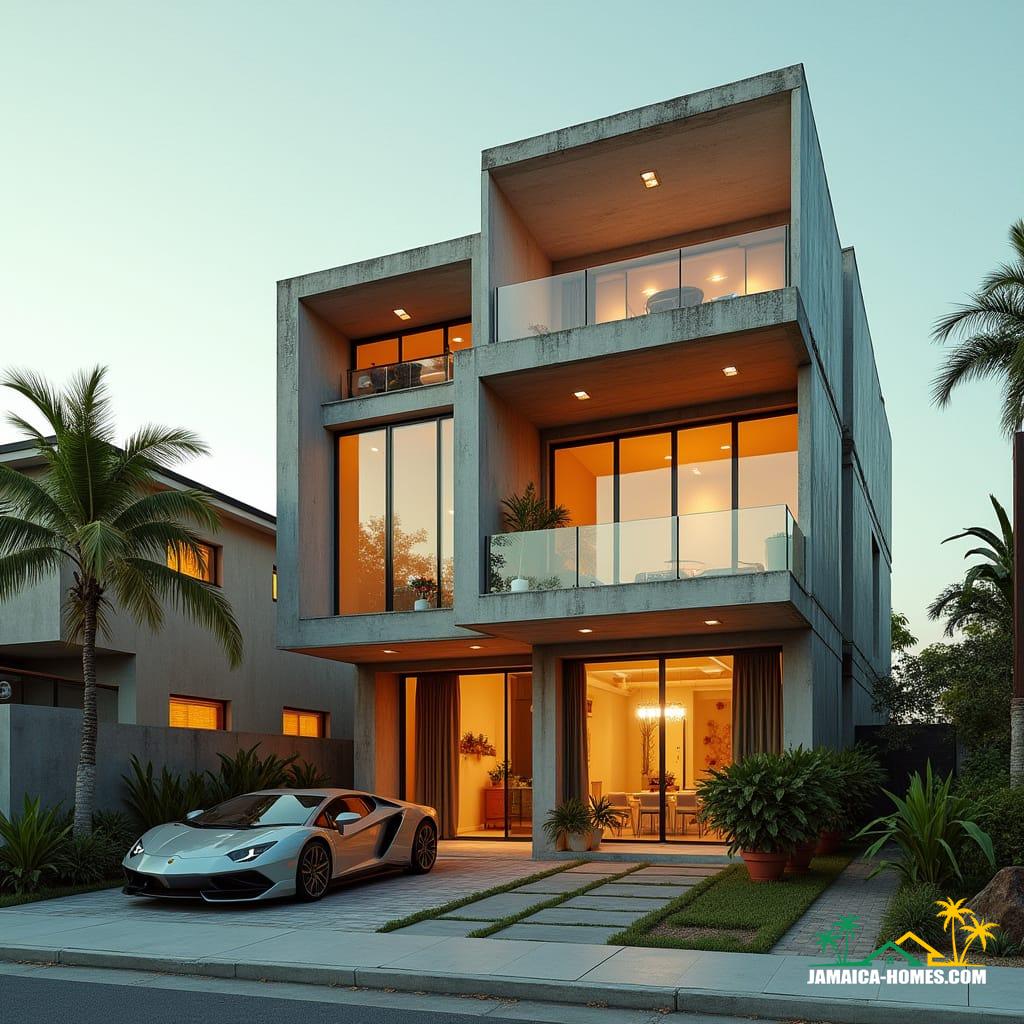
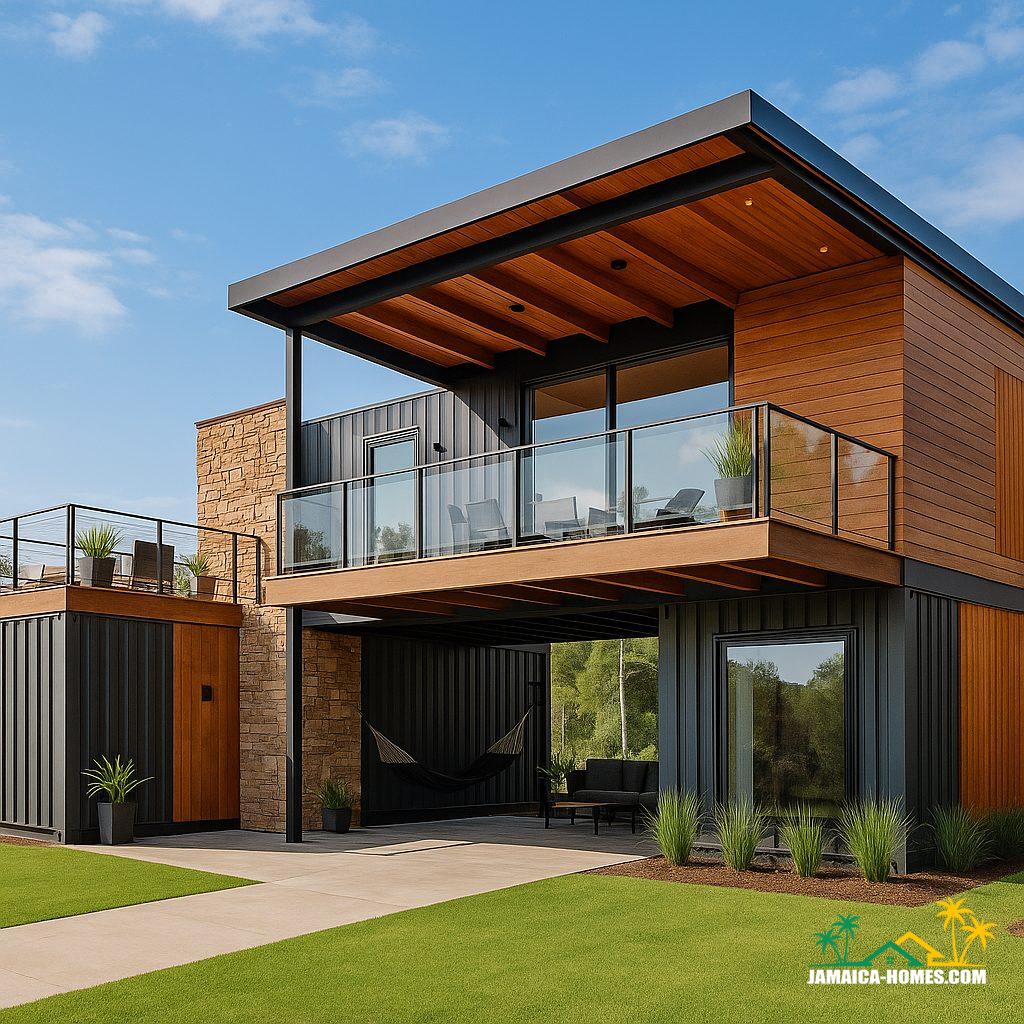
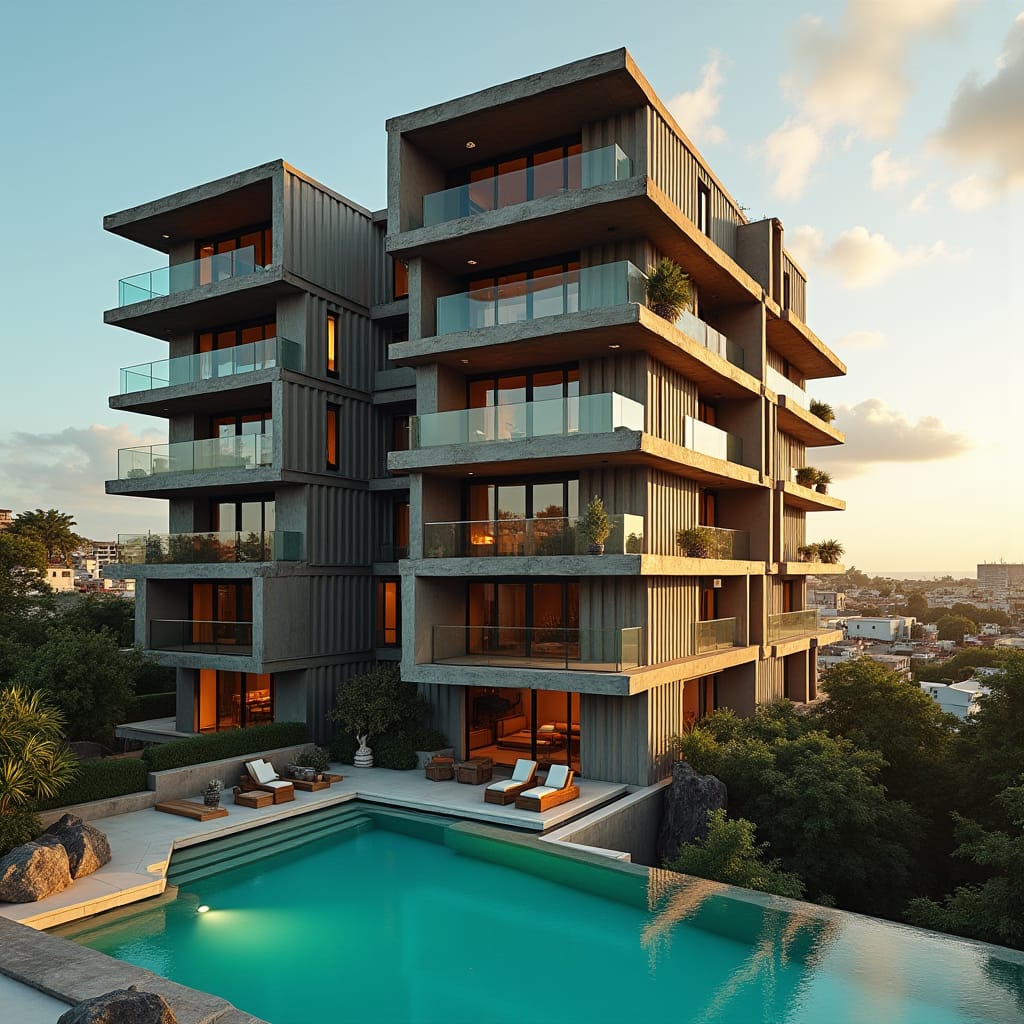
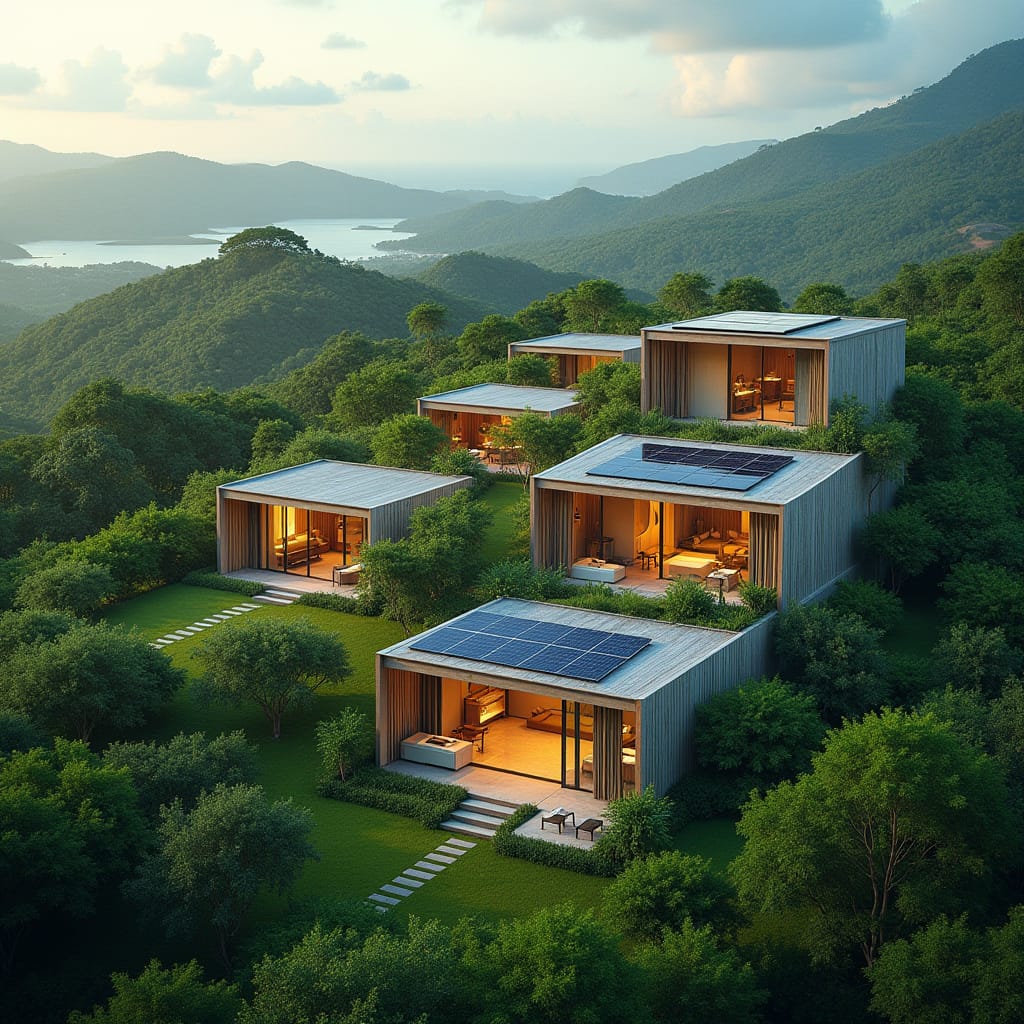
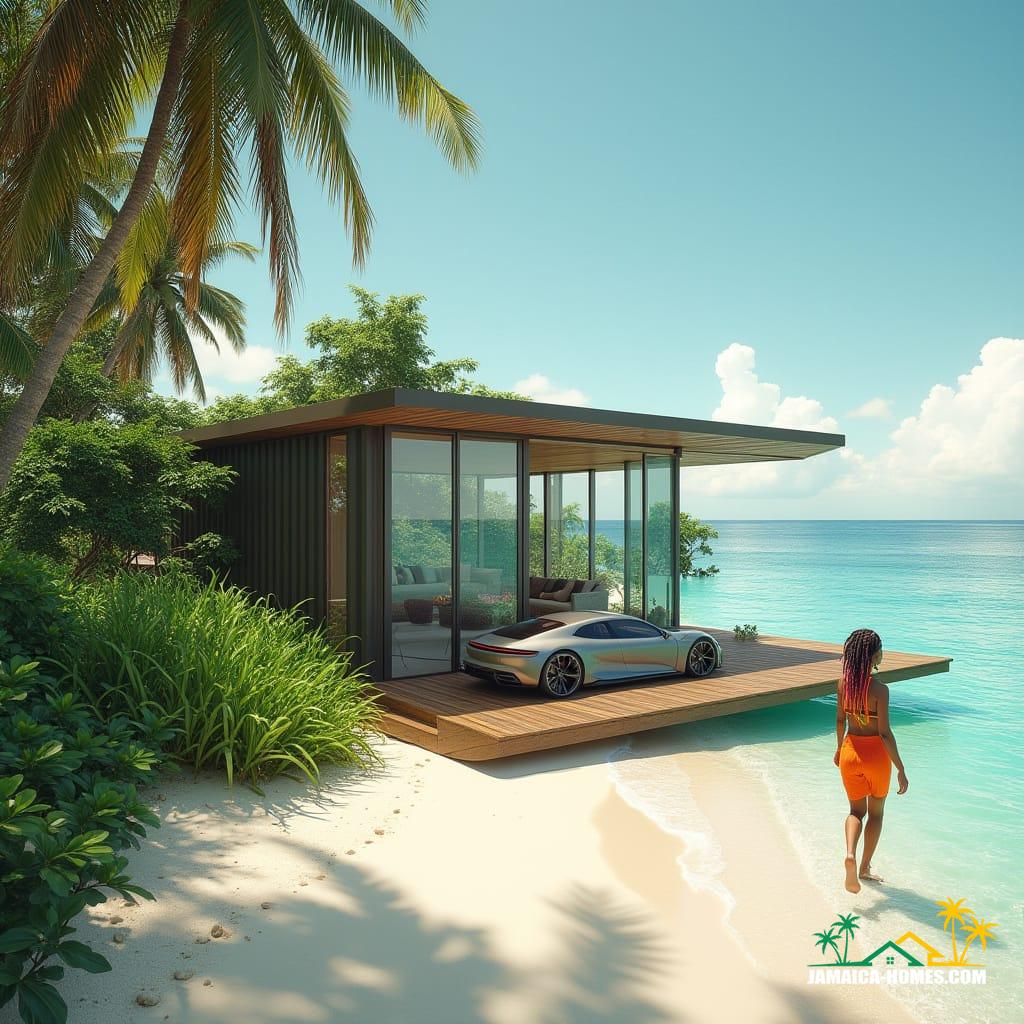
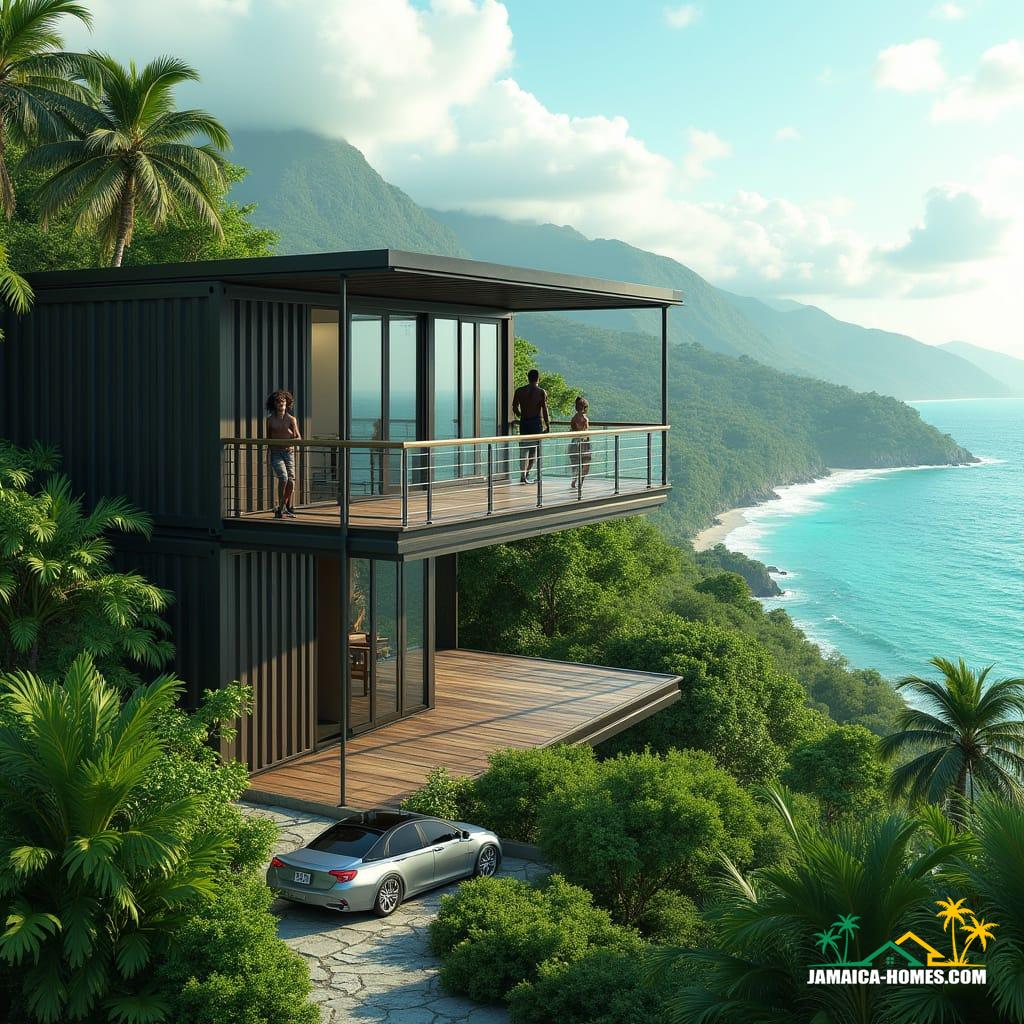
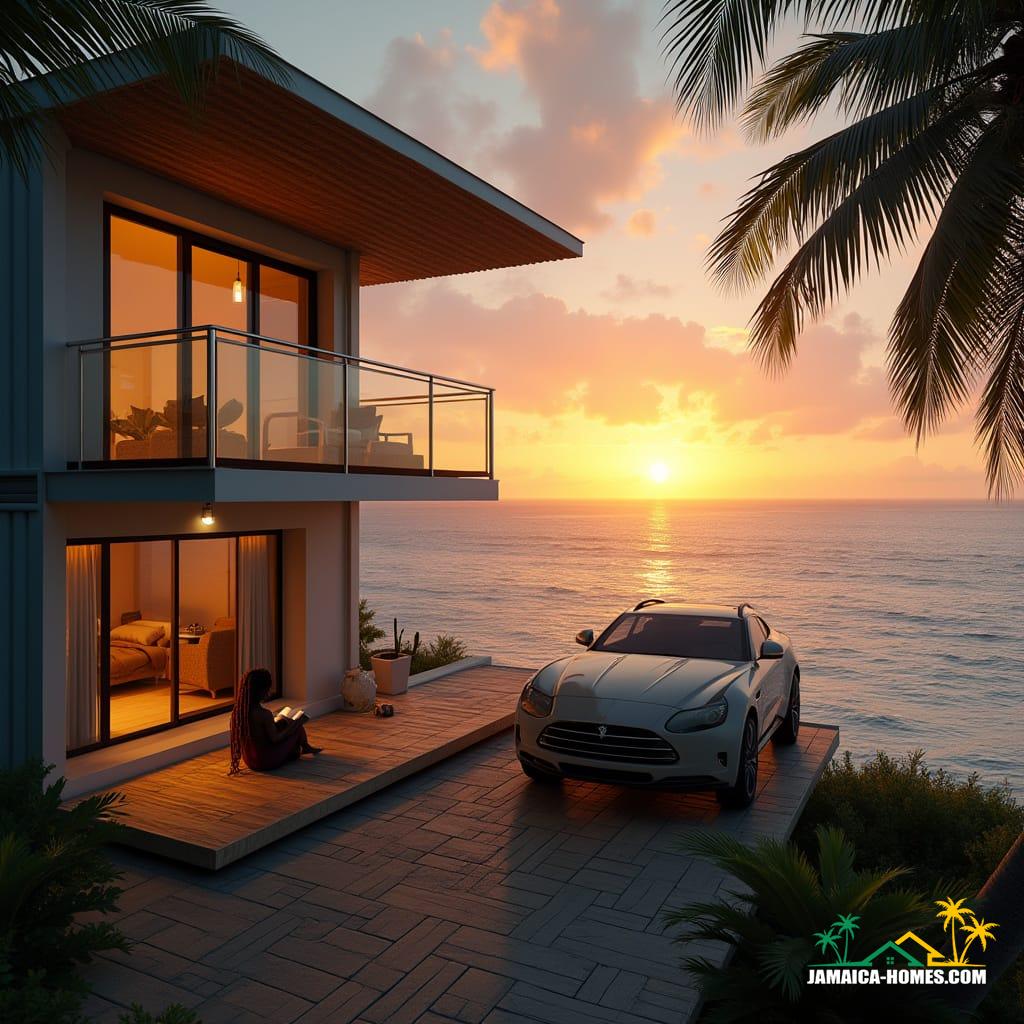
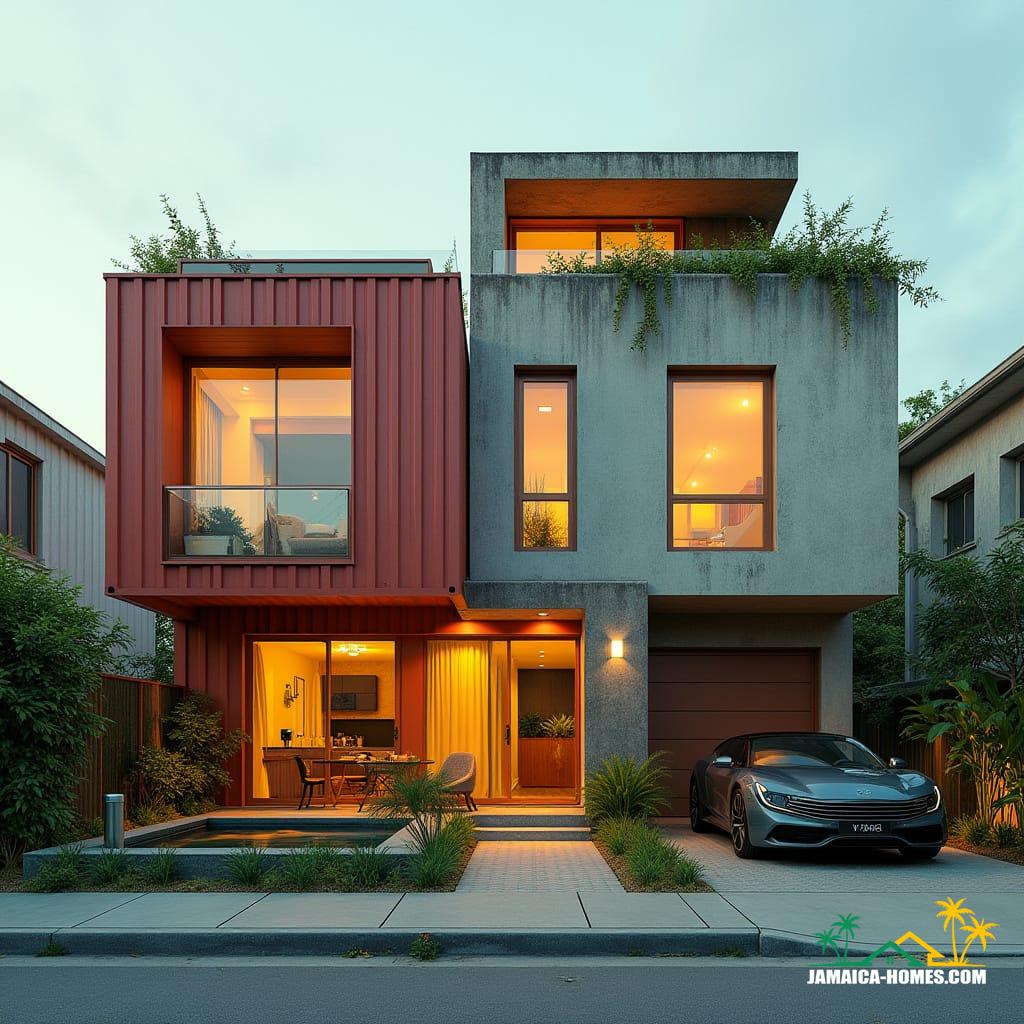
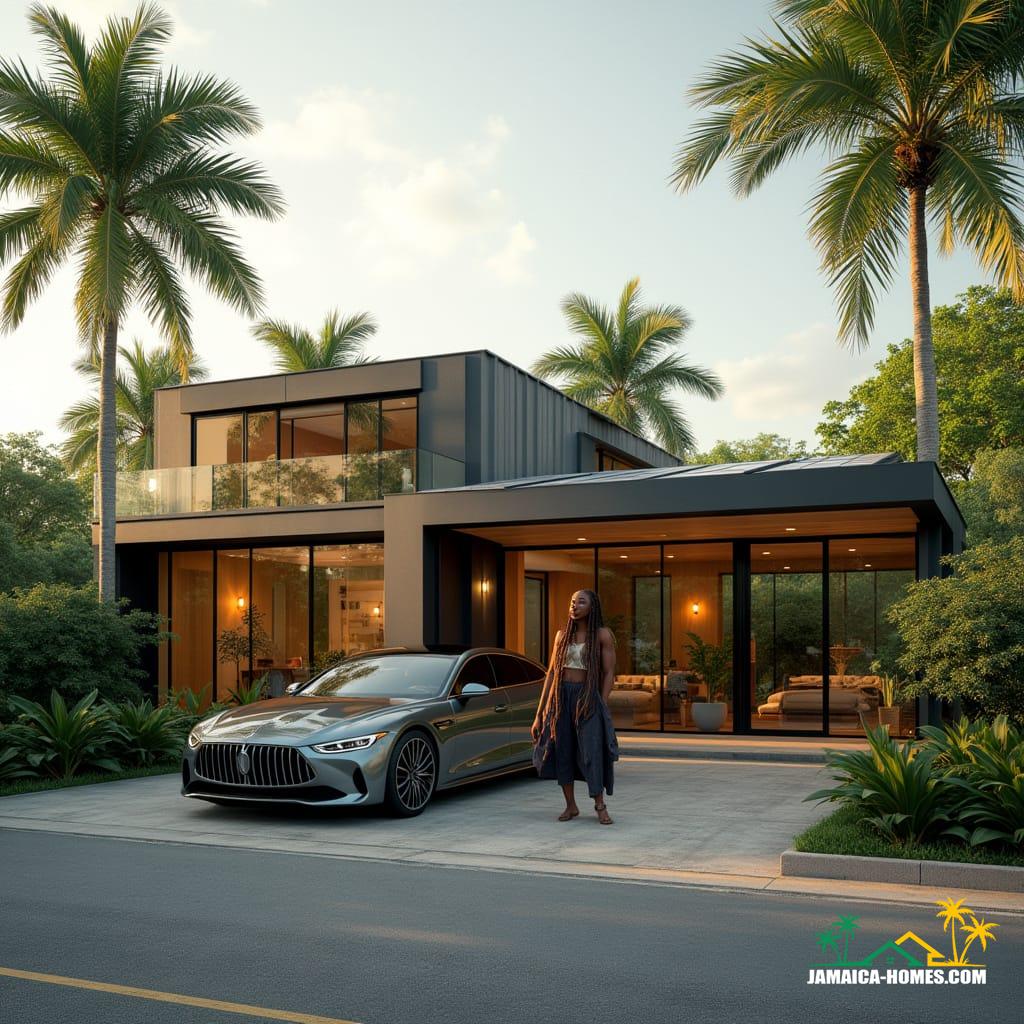
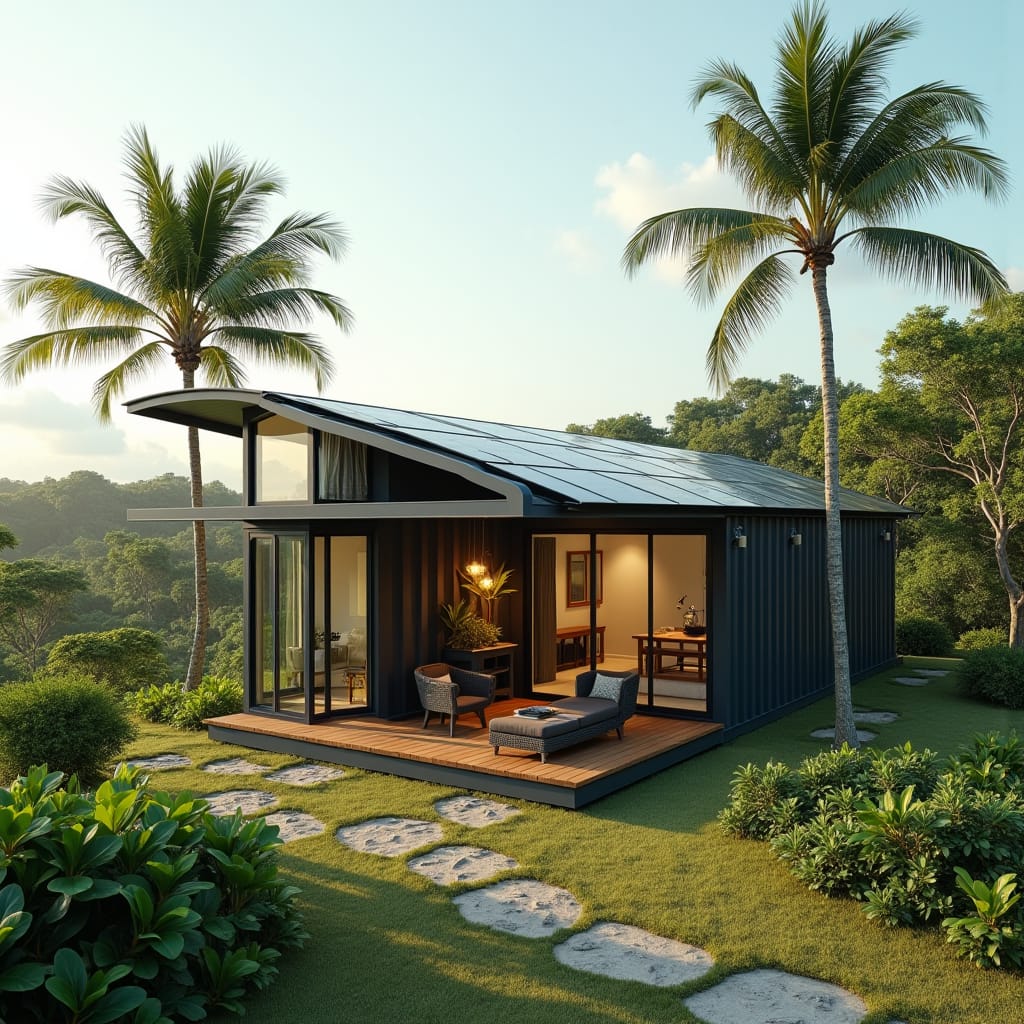
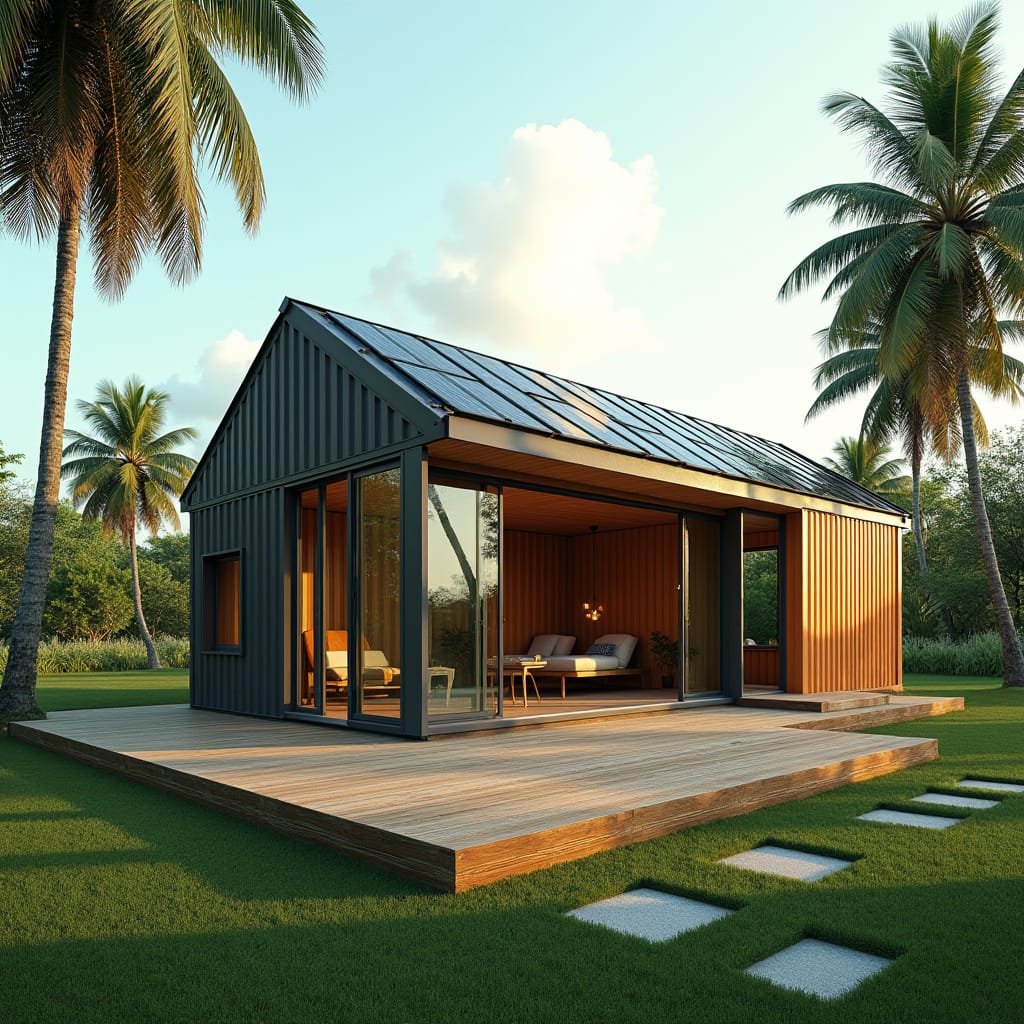
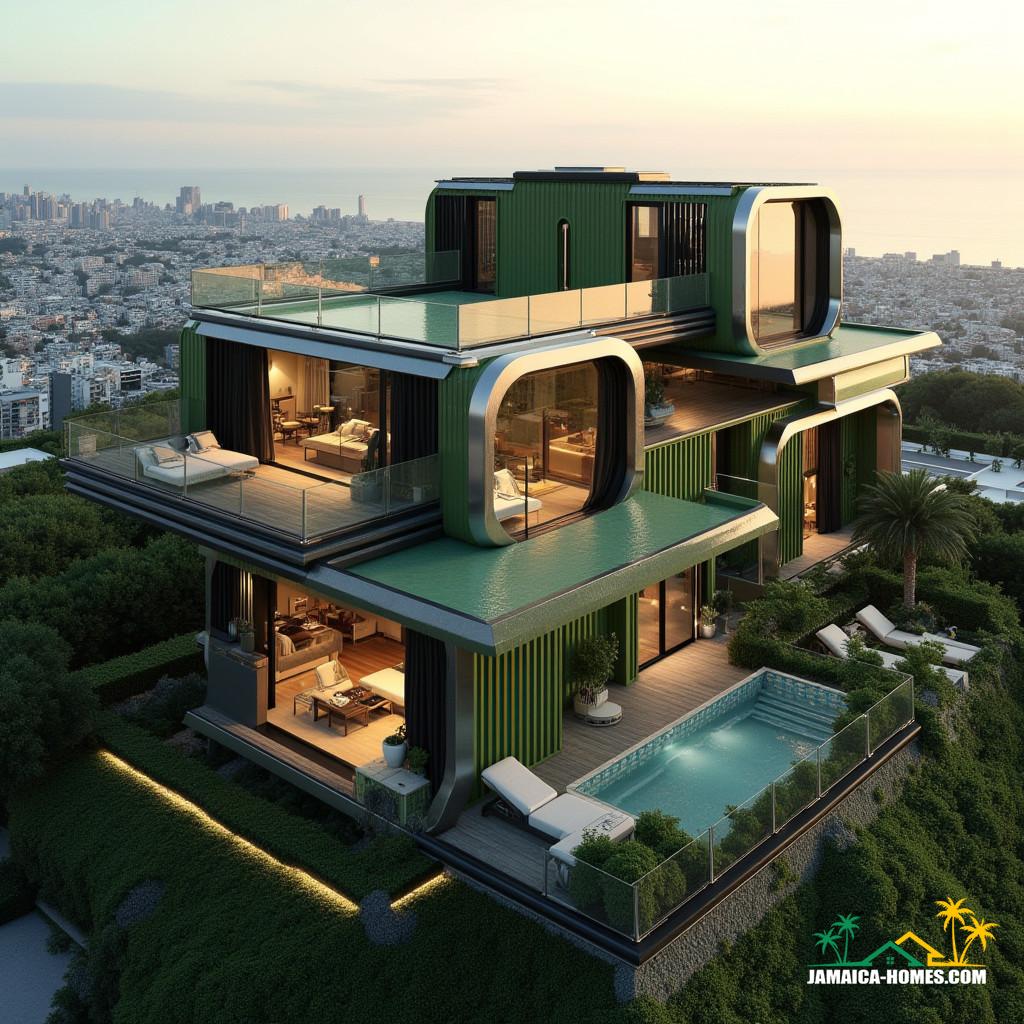
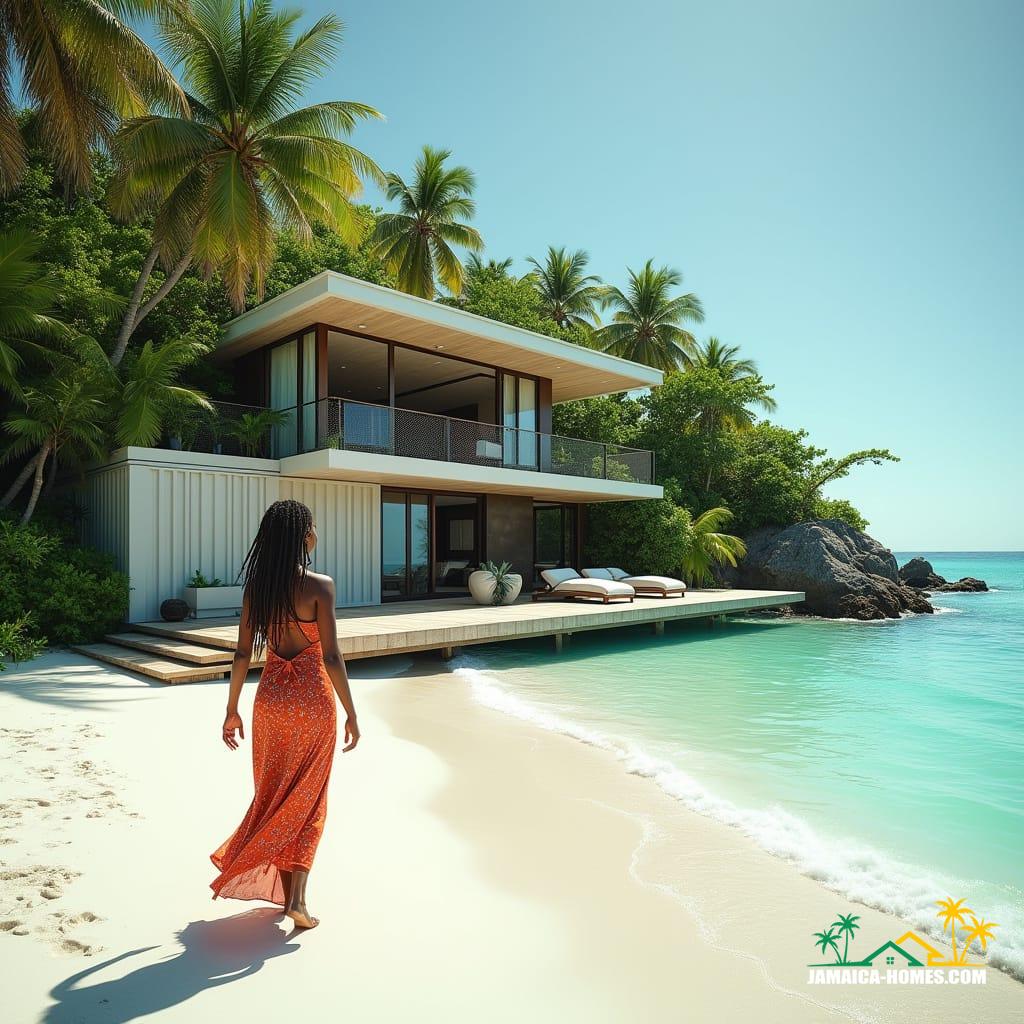
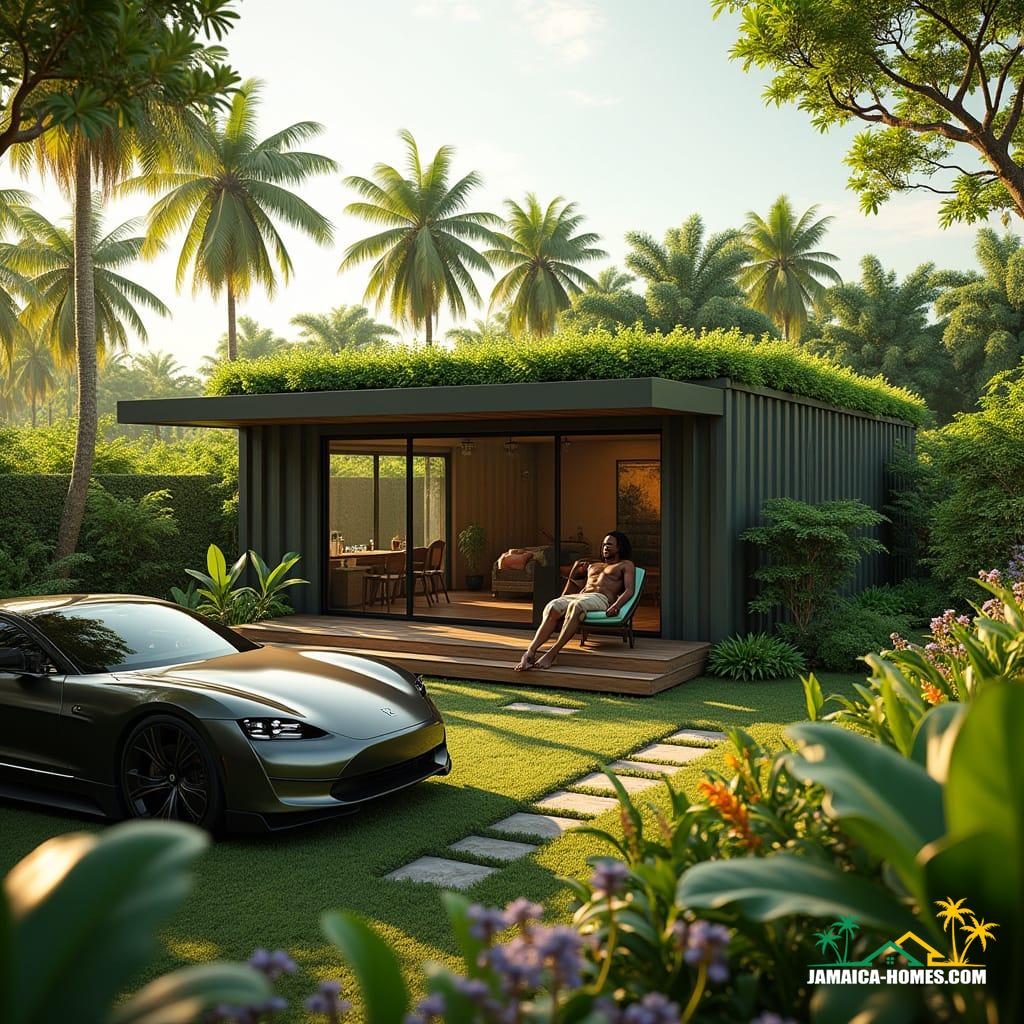
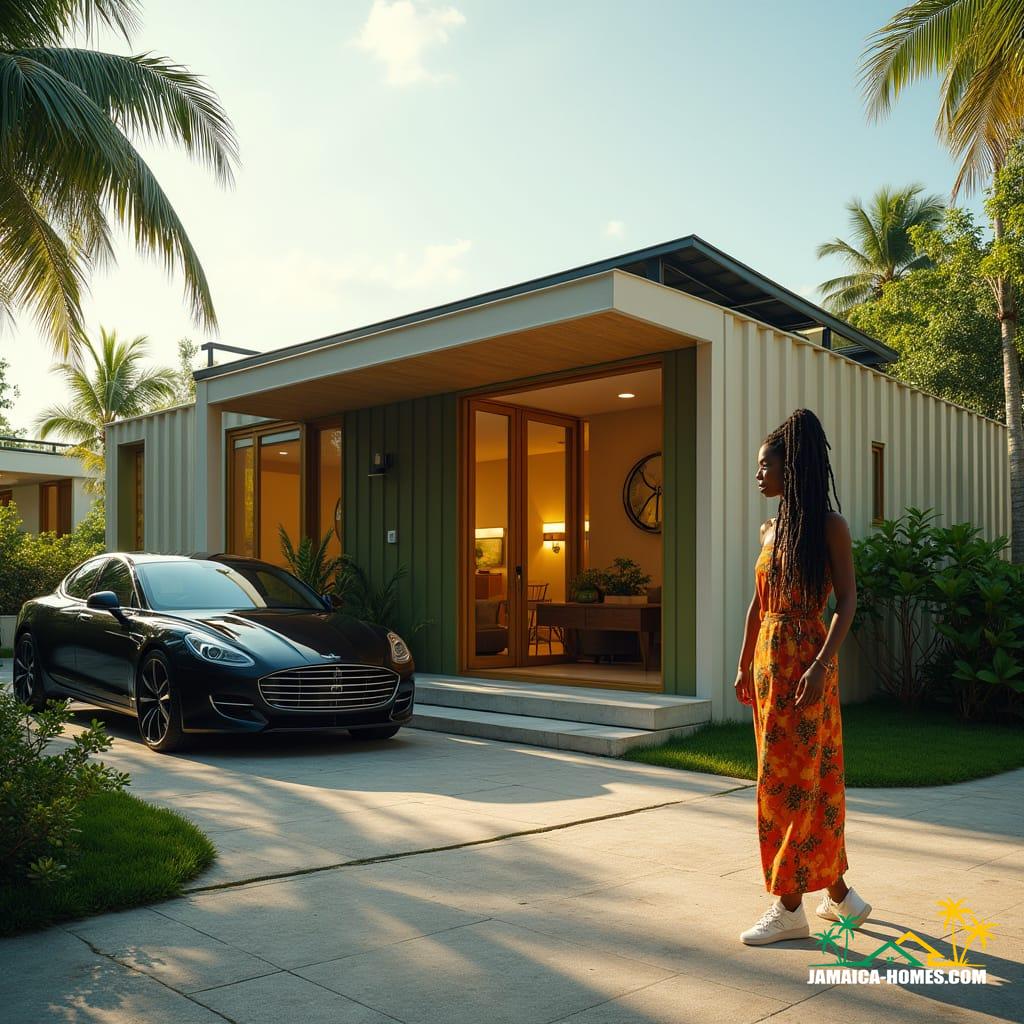
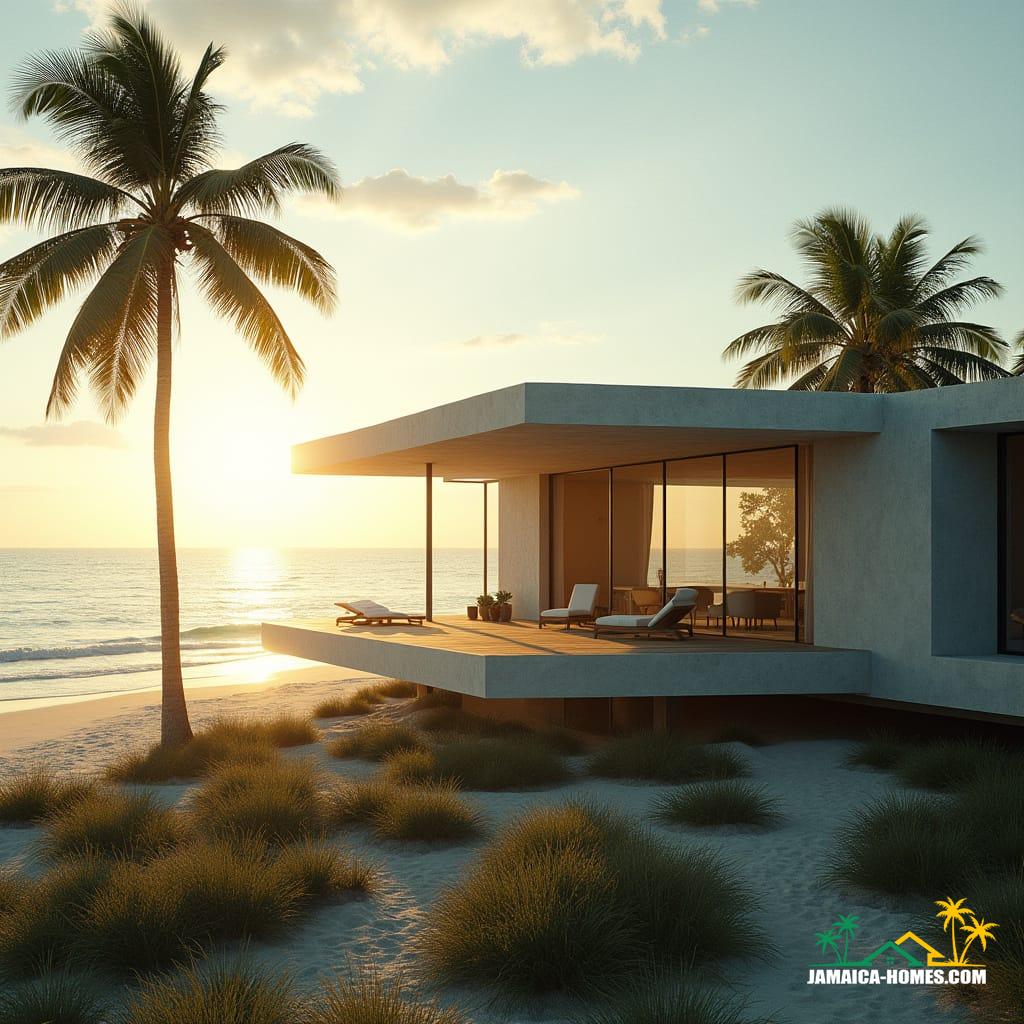
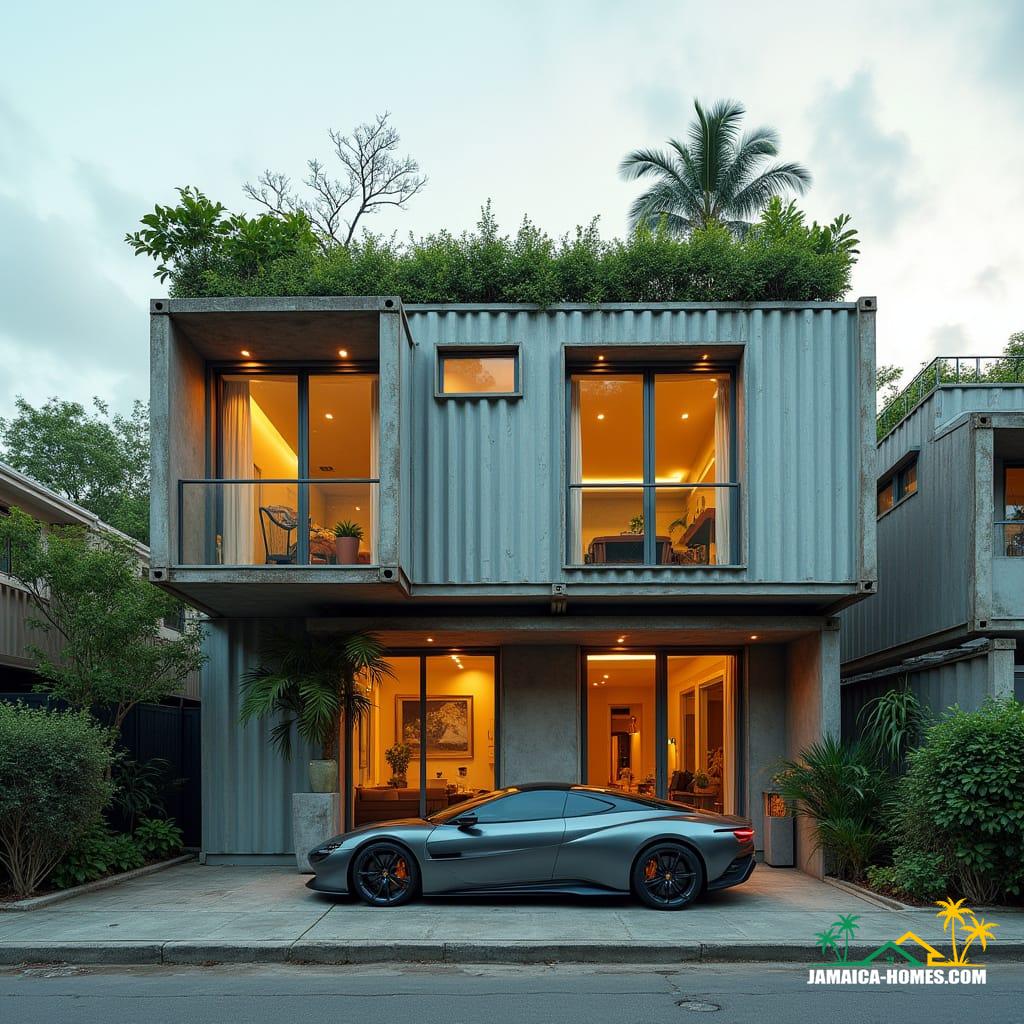
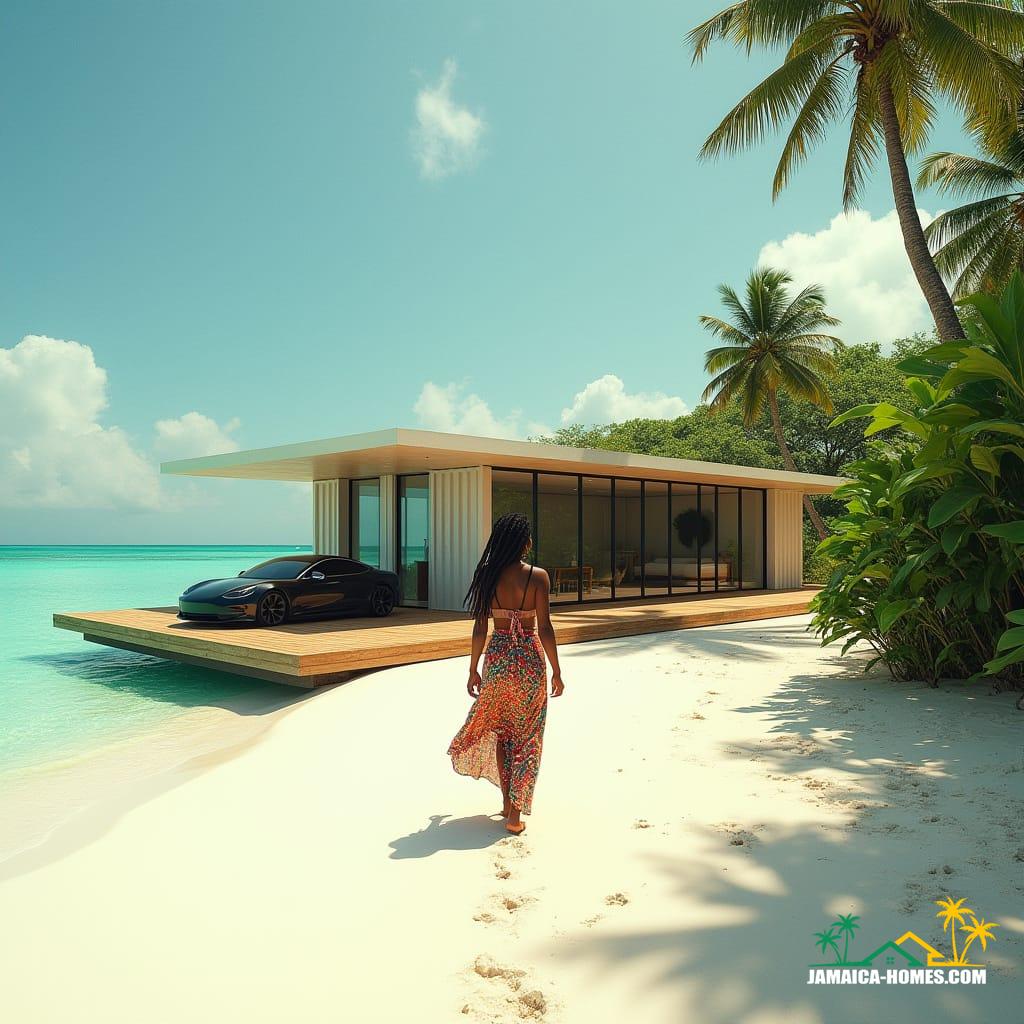
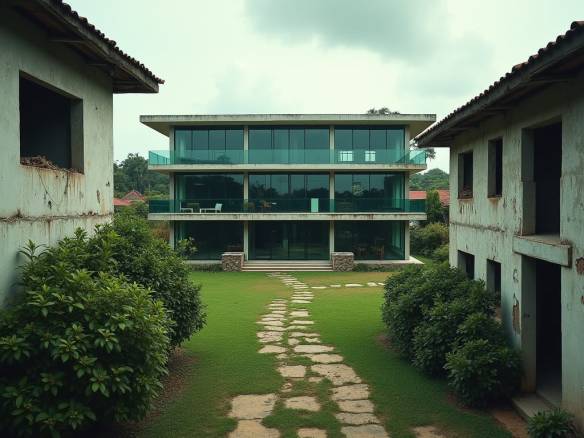
The images that follow this article are not instructions, nor promises. They are provocations. Some are ambitious. Some stretch the imagination. All are intended to remind us that in construction, as in policy, the art of the possible expands when imagination is matched with technical discipline.
Containers do not define outcomes. Thinking does.
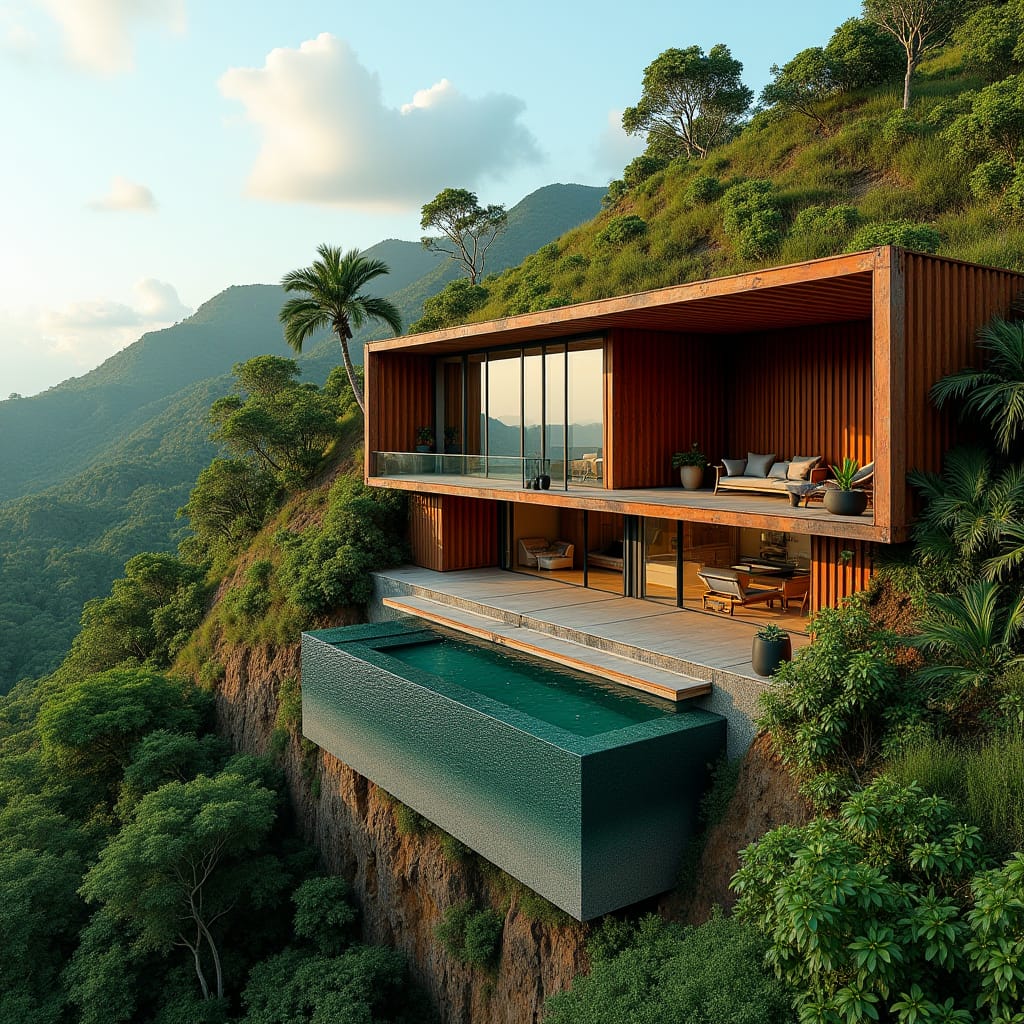
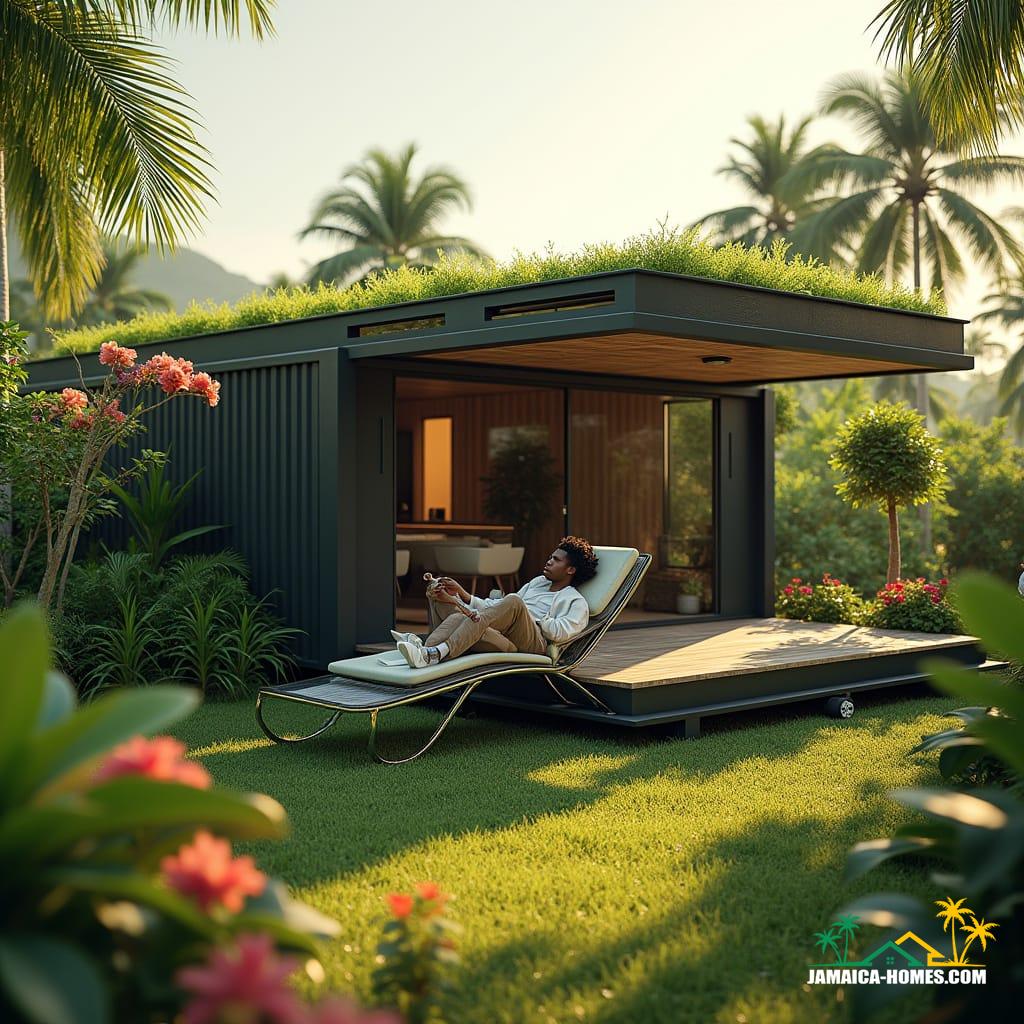
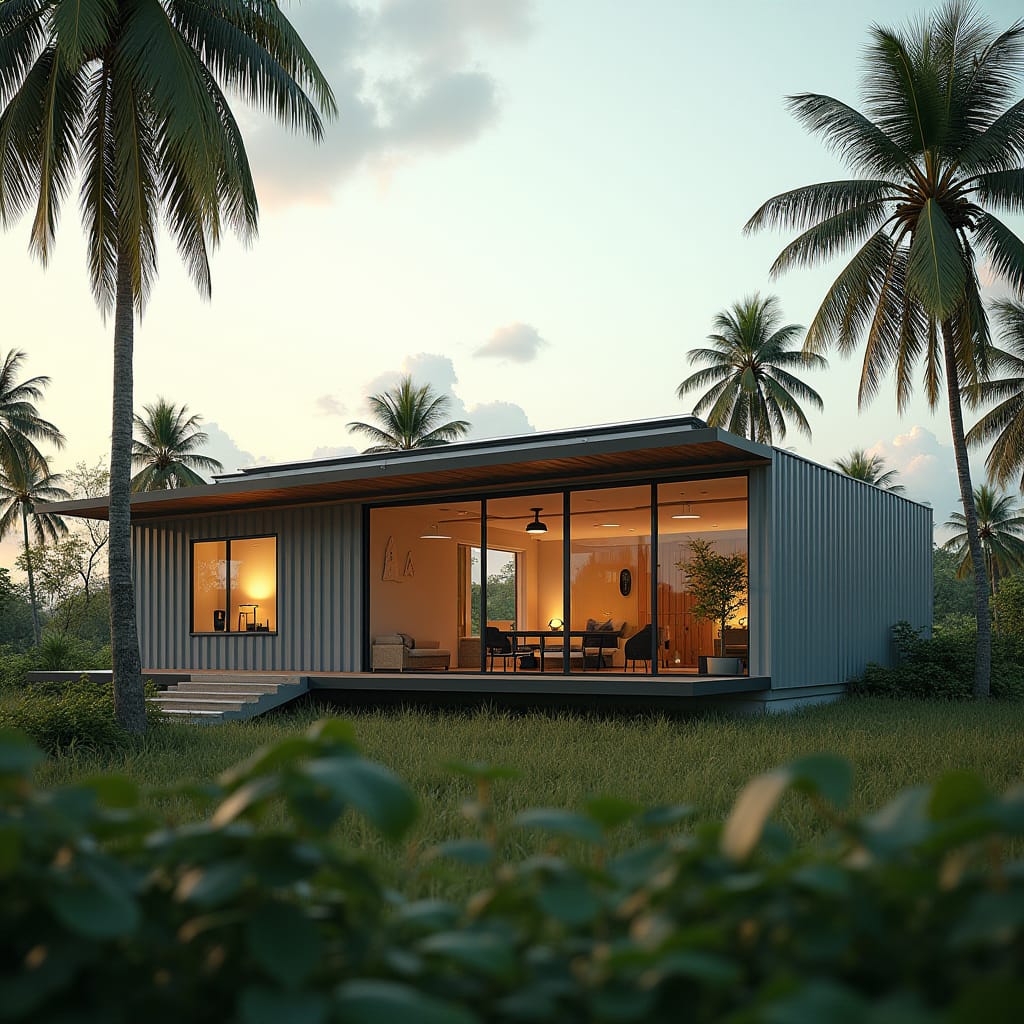
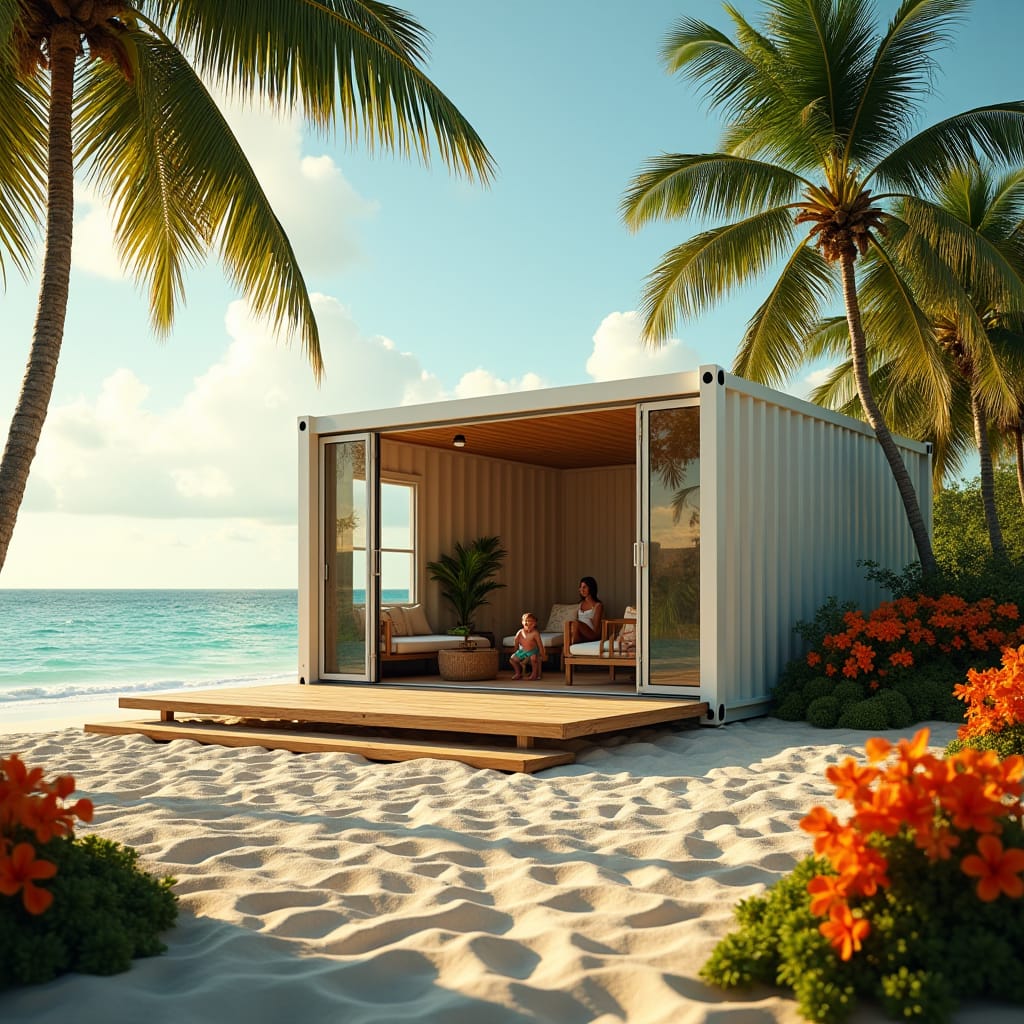
A luxurious, high-tech container module mansion with industrial chic and modern elegance, comprising four interconnected modules, spacious living area with protruding glass bay windowsA creative Jamaican townhouse in Kingston made from stacked shipping containers and concrete blocks, bold geometric forms, large square windows, and flat roof with rooftop spa. Industrial chic detailing, rooftop garden.A 15-bedroom modern Jamaican container home with large, rounded openings, bold architectural lines, and vibrant tropical surroundings, set against a breathtaking Caribbean sunset backdrop.A sleek, eco-friendly container house in Jamaica, designed with modern aesthetics and sustainability in mind. The home is constructed from repurposed shipping containers, featuring large windows for natural light and ventilation. Solar panels line the roof, providing clean energy, while rainwater harvesting tanks are discreetly placed around the structure. The exterior is a blend of steel, wood accents, and glass, creating a harmonious balance between industrial chic and eco-conscious design. Minimal greenery surrounds the house, with palm trees swaying gently in the tropical breeze, set against a serene Jamaican landscape. Sustainable living, modern container design, tropical eco-home.A modern single-story container home in Kingston, Jamaica, surrounded by a vibrant tropical garden with exotic flowers, palms, and lush greenery, blending seamlessly into the Caribbean landscape. The eco-friendly abode features a lush green roof, solar panels, and a sleek, modern electric car parked nearby. A relaxed, mixed-race man with dreadlocks and a warm smile sits in a lounge chair, basking in the serenity of the garden oasis. The scene is bathed in warm, golden sunlight, with vibrant colors and textures reminiscent of a tranquil paradise. Inspired by the works of Ash Thorp, Simon Stalenhag, and Syd Mead, the digital art style is highly realistic, with a cinematic flair, as if shot on 35mm film with a v-raptor XL camera, complete with subtle film grain, vignette, and a meticulously color-graded palette, evoking a sense of epic serenity.A luxurious 3 bedroom, modern Jamaican container home, nestled into a lush hillside, with expansive, bold openings that protrude from the earthy terrain, seamlessly blending industrial chic with natural beauty. The dwelling’s corrugated metal exterior is weathered to a warm, sun-kissed patina, while the interior’s sleek, minimalist aesthetic is revealed through the large openings, inviting the outdoors in. A glittering pool, surrounded by lush greenery, cascades down the hillside, creating a breathtaking visual flow. Coastal Container-Inspired Home DesignKingston Container Home with Tropical GardenA sleek, eco-friendly container house in Jamaica, designed with modern aesthetics and sustainability in mind. The home is constructed from repurposed shipping containers, featuring large windows for natural light and ventilation. Solar panels line the roof, providing clean energy, while rainwater harvesting tanks are discreetly placed around the structure. The exterior is a blend of steel, wood accents, and glass, creating a harmonious balance between industrial chic and eco-conscious design. Minimal greenery surrounds the house, with palm trees swaying gently in the tropical breeze, set against a serene Jamaican landscape. Sustainable living, modern container design, tropical eco-home.Modern shipping container prefab home nestled on a sun-kissed Jamaican beach, with kids laughing and playing inside, surrounded by tropical palm trees and vibrant beach flowers.A modern container structure in Jamaica, cleverly designed as a half-shop, half-home. The lower half serves as a sleek, minimalist storefront with large glass doors, blending commercial functionality with contemporary design. The upper half is a cozy, eco-friendly living space made from repurposed shipping containers, featuring large windows for natural light, solar panels for energy efficiency, and rainwater harvesting tanks. The exterior combines raw steel with wooden accents, giving it an industrial yet stylish look. Surrounded by a few tropical plants, the structure fits seamlessly into the urban setting. Industrial chic, sustainable design, multifunctional living.A sleek, 1 Bedroom modern Jamaican container home, set amidst lush tropical surroundings, with expansive openings that seamlessly blur the lines between indoors and outdoors, bold lines and clean minimalist aesthetic, warm golden light spilling in through the windows, highlighting the spacious interior.A luxurious, high-tech container module mansion with industrial chic and modern elegance, comprising four interconnected modules, spacious living area with protruding glass bay windowsKingston Container Home with Tropical GardenA modern container structure in Jamaica, cleverly designed as a half-shop, half-home. The lower half serves as a sleek, minimalist storefront with large glass doors, blending commercial functionality with contemporary design. The upper half is a cozy, eco-friendly living space made from repurposed shipping containers, featuring large windows for natural light, solar panels for energy efficiency, and rainwater harvesting tanks. The exterior combines raw steel with wooden accents, giving it an industrial yet stylish look. Surrounded by a few tropical plants, the structure fits seamlessly into the urban setting. Industrial chic, sustainable design, multifunctional living.Introducing the SkyBox Container Residences, a bold, modern living space in the heart of Kingston, Jamaica. This innovative four-level container home redefines contemporary urban living with its cutting-edge design and sustainable architecture. At the base, a single-car parking garage seamlessly integrates into the structure, leading up to the various functional levels that make this home a truly unique living experience.North Coast Beachfront Double-Story Container HomeA luxurious, high-tech container module mansion with industrial chic and modern elegance, comprising four interconnected modules, spacious living area with protruding glass bay windowsA sleek, eco-friendly container house in Jamaica, designed with modern aesthetics and sustainability in mind. The home is constructed from repurposed shipping containers, featuring large windows for natural light and ventilation. Solar panels line the roof, providing clean energy, while rainwater harvesting tanks are discreetly placed around the structure. The exterior is a blend of steel, wood accents, and glass, creating a harmonious balance between industrial chic and eco-conscious design. Minimal greenery surrounds the house, with palm trees swaying gently in the tropical breeze, set against a serene Jamaican landscape. Sustainable living, modern container design, tropical eco-home.A creative Jamaican townhouse in Kingston made from stacked shipping containers and concrete blocks, bold geometric forms, large square windows, and flat roof with rooftop spa. Industrial chic detailing, rooftop garden.A creative Jamaican townhouse in Kingston made from stacked shipping containers and concrete blocks, bold geometric forms, large square windows, and flat roof with rooftop spa. Industrial chic detailing, rooftop garden.A modern, multi-level block of 5 apartments, styled as a Jamaican container home, set amidst the bustling cityscape, with an abundance of large, protruding platforms and windows, exuding a bold, industrial aesthetic. The building’s facade is a maze of intersecting lines, angles, and textures, with the warmth of the Caribbean sun casting long shadows across its rugged surface. In the foreground, a sleek, infinity-edge pool glimmers, its turquoise waters seemingly spilling onto the vibrant, city streets below.Eco-friendly luxury development in jamaica incorporating solar panels, green roofs, shipping containers and other environmentally friendly featuresNorth Coast Beachside Container HomeMountain-Top Container Home Overlooking the BeachKingston Container Home with Tropical GardenKingston Container Home with Car and PersonA modern, two-story container home, crafted from sleek, industrial shipping containers, perched on a lush, tropical mountain overlooking the turquoise waters of Jamaica’s North Coast, with expansive, floor-to-ceiling windows seamlessly blending indoor and outdoor living. The residence is nestled among vibrant, emerald-green foliage, with a meandering stone pathway and a contemporary, silver car parked in the driveway. A relaxed, mixed-race man with dreadlocks stands on the balcony, soaking in the breathtaking, panoramic views of the mountain and ocean, exuding a sense of island tranquility.North Coast Beachfront Double-Story Container HomeA mixed-race person with dreadlocks sits on the porch of a modern double-story container home, nestled on Jamaica’s North Coast beach, surrounded by swaying palm trees and the soothing sounds of crashing waves. They are engrossed in a book, as the warm golden light of sunset casts a tranquil glow on their face. A sleek, modern SUV is parked beside the home, while the open balcony above offers breathtaking panoramic ocean views. The vibrant sky is ablaze with hues of pink, orange, and purple, as the sun dips into the horizon. The scene is reminiscent of a cinematic film still, evoking the style of Emmanuel Lubezki, with the dreamy quality of a Terrence Malick film, and the atmospheric depth of a Roger Deakins shot. The image is rendered in a realistic digital art style, with subtle film grain, a gentle vignette, and a color palette that is both natural and cinematic, as if shot on 35mm film with a v-raptor XL camera, and post-processed to perfection.A creative Jamaican townhouse in Kingston made from stacked shipping containers and concrete blocks, bold geometric forms, large square windows, and flat roof with rooftop spa. Industrial chic detailing, rooftop garden.A modern, single-story container home in Kingston, Jamaica, with bold, geometric shapes and eco-friendly design elements, such as sleek solar panels on the roof, set amidst a lush neighborhood of contemporary homes and vibrant tropical trees. A luxury sedan, sleek and polished, is parked by the driveway, its reflections glinting off the home’s metallic surfaces. A stunning Jamaican woman with long, flowing dreadlocks and warm, golden-brown skin stands near the entrance, dressed in stylish, earth-toned attire, exuding a sense of relaxed sophistication. Inspired by the urban chic aesthetic of architects such as Tom Kundig and Kengo Kuma, with a blend of modern digital art styles reminiscent of artists like Syd Mead and Ash Thorp. Cinematic lighting, with a warm, golden glow, casts a dramatic ambiance, evoking the feel of a live-action film still, shot on 35mm film with a V-Raptor XL camera, complete with film grain, vignette, and meticulous color grading, resulting in a visually stunning, atmospheric masterpiece.North Coast Beachfront Double-Story Container HomeA sleek, eco-friendly container house in Jamaica, designed with modern aesthetics and sustainability in mind. The home is constructed from repurposed shipping containers, featuring large windows for natural light and ventilation. Solar panels line the roof, providing clean energy, while rainwater harvesting tanks are discreetly placed around the structure. The exterior is a blend of steel, wood accents, and glass, creating a harmonious balance between industrial chic and eco-conscious design. Minimal greenery surrounds the house, with palm trees swaying gently in the tropical breeze, set against a serene Jamaican landscape. Sustainable living, modern container design, tropical eco-home.A serene Jamaican woman with dreadlocks and vibrant, colorful clothing stands near a sleek, minimalist single-story container home on a lush, tropical mountain, overlooking a pristine beach with crystal-clear waters. The home’s large windows and flat roof blend seamlessly into the surroundings, while a stone pathway leads to the entrance. A stylish sports car, with sleek lines and metallic sheen, is parked in front. Lush green tropical plants and palm trees surround the home, with a few wispy clouds drifting lazily across the sky. Cinematic lighting casts a warm, golden glow on the scene, with deep shadows and a subtle film grain, reminiscent of a 35mm film still shot on a v-raptor XL camera. The color palette is vibrant and realistic, with a slight vignette and post-processing effects, evoking a sense of peacefulness and serenity. The atmosphere is epic, stunning, and dramatic, with a sense of depth and dimensionality, as if plucked from a panoramic film still, in the style of digital artists such as Simon Stalenhag, Ash Thorp, and Andree Wallin.A sleek, eco-friendly container house in Jamaica, designed with modern aesthetics and sustainability in mind. The home is constructed from repurposed shipping containers, featuring large windows for natural light and ventilation. Solar panels line the roof, providing clean energy, while rainwater harvesting tanks are discreetly placed around the structure. The exterior is a blend of steel, wood accents, and glass, creating a harmonious balance between industrial chic and eco-conscious design. Minimal greenery surrounds the house, with palm trees swaying gently in the tropical breeze, set against a serene Jamaican landscape. Sustainable living, modern container design, tropical eco-home.A luxurious, high-tech container module mansion with industrial chic and modern elegance, comprising four interconnected modules, spacious living area with protruding glass bay windowsNorth Coast Beachside Container HomeKingston Container Home with Tropical GardenKingston Container Home with Car and PersonKingston Container Home with Tropical GardenKingston Container Home with Car and PersonCoastal Container-Inspired Home DesignA modern, single-story container home in Kingston, Jamaica, with sleek, minimalist design, large glass windows, and a mix of metal and wooden textures, set against a vibrant urban backdrop of city buildings, swaying palm trees, and warm street lights. A luxury car, a sleek black Audi, is parked in front, reflecting the warm glow of the setting sun. A mixed-race person with dreadlocks, wearing casual yet fashionable attire, including a crisp white shirt and distressed denim jeans, stands confidently in front of the home, exuding a sense of relaxed sophistication. Inspired by the cinematic styles of Roger Deakins, Emmanuel Lubezki, and Ryan Coogler, the image features a realistic, high-contrast aesthetic, with vibrant colors and a subtle film grain, reminiscent of 35mm film. The lighting is dramatic and cinematic, with deep shadows and warm highlights, evoking a sense of depth and atmosphere. The overall mood is one of urban luxury, blended with a laid-back, Caribbean vibe, captured in exquisite detail, with a cinematic flair.A modern container structure in Jamaica, cleverly designed as a half-shop, half-home. The lower half serves as a sleek, minimalist storefront with large glass doors, blending commercial functionality with contemporary design. The upper half is a cozy, eco-friendly living space made from repurposed shipping containers, featuring large windows for natural light, solar panels for energy efficiency, and rainwater harvesting tanks. The exterior combines raw steel with wooden accents, giving it an industrial yet stylish look. Surrounded by a few tropical plants, the structure fits seamlessly into the urban setting. Industrial chic, sustainable design, multifunctional living.A creative Jamaican townhouse in Kingston made from stacked shipping containers and concrete blocks, bold geometric forms, large square windows, and flat roof with rooftop spa. Industrial chic detailing, rooftop garden.Mountain-Top Container Home Overlooking the BeachNorth Coast Beachside Container HomeA sleek, modern prefab shipping container home stands amidst the vibrant cityscape of Kingston, Jamaica, bathed in warm, golden light, as if set aflame by the setting sun. Cinematic lighting casts dramatic shadows, accentuating the home’s clean lines and industrial-chic aestheticA sleek, 2 bedroom modern Jamaican container home with a bold, futuristic aesthetic, set amidst a lush, tropical landscape, illuminated by warm, golden light pouring in through numerous large, rounded openings, casting dramatic shadows on the interior walls. The container’s metallic surfaces gleam with a subtle sheen, while the surrounding foliage is vibrant and lush, with hints of colorful tropical flowers. A modern Jamaican container home, situated in a bustling city area, with a bold, futuristic aesthetic, featuring numerous square protruding windows and large openings, creating a sense of openness and fluidity. The home’s metallic surfaces reflect the vibrant city lights, as the warm glow of the setting sun casts a golden hue on the surrounding urban landscape.
Share on XAn "X" is a symbolic mark made by individuals who either cannot write or are physically unable to write, used to indicat... More (Opens in new window)X
Jamaica Homes is a premier digital real estate platform and marketplace designed to help sellers, landlords, and developers list their properties with ease—while connecting them to serious buyers, renters, and investors across Jamaica and overseas. Founded by Dean Jones Licensed Realtor® Associate, Jamaica Homes operates as an independent platform that ensures every listing is verified and professionally handled. Whether you’re selling, renting, or marketing new developments, we provide powerful exposure through our website and social media network. More than just a listings hub, Jamaica Homes is your trusted gateway to reaching the right audience—powered by the vibrant spirit of Jamaica.

 by
by 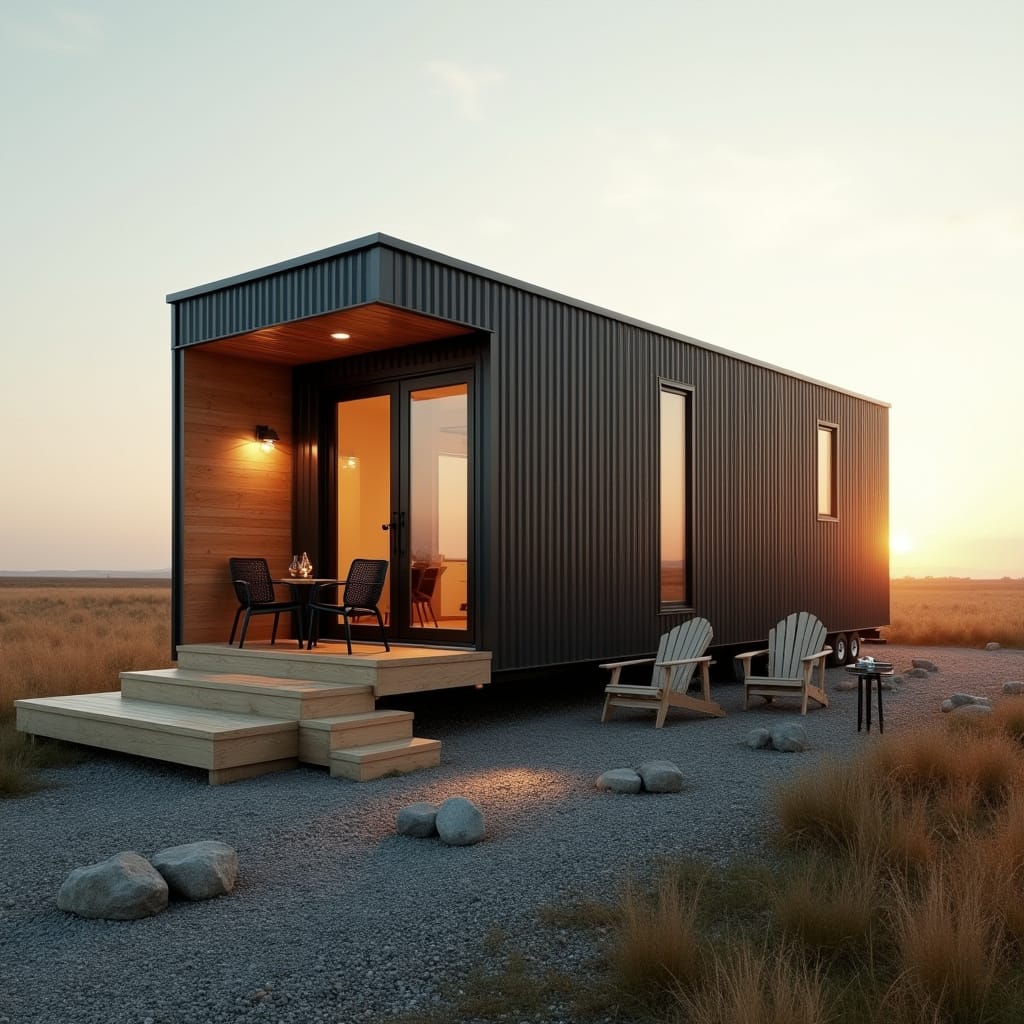
























Join The Discussion