I’ve walked job sites at dawn where the air is cool and the concrete still holds the night’s breath. I’ve stood on rooftops at dusk watching Kingston’s lights wink awake like a scatter of fireflies. In those moments, the question I return to—again and again—is simple: what do our buildings say about who we are, and who we’re becoming?
In JamaicaJamaica, with its vibrant culture and stunning landscapes, has a unique position in the global real estate market. The i... More, architectureArchitecture is the art and science of designing and constructing buildings and spaces that reflect cultural, functional... More has always been more than shelter. It’s verandahs that invite conversation. Breezeways that let quarrels cool and laughter linger. Thick walls that hush the midday heat. Even our colours—bold and unapologetic—announce that we intend to live fully, not quietly. But the island is changing. LandIn real estate, land is a foundational element that significantly impacts the value and potential of a property. It enco... More is precious. Weather is fiercer. TechnologyTechnology, in its original definition, refers to the application of scientific knowledge for practical purposes, often ... More is at the door, suitcase in hand, asking to move in.
So this is a personal reflection on where we go from here. Not a manifesto. A field note. A sketchbook of ideas gathered on sites, in communities, and in my head while stuck in Half Way TreeHalf Way Tree, originally named after a large cotton tree where travelers rested midway between Kingston and Spanish Tow... More traffic. It’s about building a Jamaica that breathes—beautifully, responsibly, and with a confidence that feels like home.
Listening to the Land
If I’ve learned anything, it’s that good buildings begin with listening. Our climate tells the truth. The sun draws hard lines; the wind makes soft edits. The old houses understood that: tall ceilings, deep eaves, generous verandahs that hold shade like water. They weren’t trying to be clever. They were trying to be comfortable.
We drifted for a while—thin glass, sealed boxes, rooms that sweat unless the AC hums all day. But the future of JamaicanThe term "Jamaican" encompasses the citizens of Jamaica and their descendants in the Jamaican diaspora, representing a d... More architecture is not a museum of imported habits. It’s a return to rightness: orientation, shading, cross-ventilation, thermal mass, and materials that belong here.
Picture a home with a roof that does three things at once: harvests rain, carries solar, and stands up to storms. Think of walls that don’t apologise for being thick because they’re busy holding cool. Imagine breeze blocks not as nostalgia, but as precision instruments for light and air. This isn’t romanticism; it’s performance—measured in lower bills, fewer outages, better sleep.
When a houseA house serves as a fundamental structure designed for residential living, providing shelter and a place for individuals... More listens, the island answers.
The Sky as the New Yard
Horizontal living is part of our story—yards where mangoes drop like blessings, verandahs where neighbours call “Yuh goodYuh good: In Jamaican Patois, "Yuh good" is a casual and versatile phrase meaning "You good?" or "Are you okay?" It can ... More?” over a low wall. But cities grow, and the ground is finite. We willIn Jamaica, a will is a legal document created by an individual to specify how their assets, including their belongings ... More build upward; we already are. The question is whether the climb feels like us.
Vertical Jamaica must carry forward the DNA of the low house with the big heart. A balcony that behaves like a verandah—not a bolt-on shelf, but a roomIn Jamaican Patois, the term "room" is commonly used to describe individual spaces within a property, offering a practic... More with breeze and purpose. Rooftops that are not leftover space but the new backyard: planting beds, water tanks tucked into designDesign is the art and science of creating plans and specifications for the construction of objects, structures, and syst... More, a tiny observatory where a child meets her first constellation.
Inside, towers should breathe by design: dual-aspect apartments; stack effect cores that encourage air to move; shading that’s not an afterthought; lobbies that are gardens, not only corridors that scold. The lift is not the enemy of community—bad planningPlanning in Jamaica involves managing land, resources, and infrastructure to support economic growth, social development... More is. Let corridors become streets, landings become pocket squares of life, mailrooms become social foyers not parcel caves.
If we go up with intention, our skyline will be a portrait, not a barcode.
Building for Weather, Not Against It
Every hurricane season reminds us what is fragile. Flood mapsMaps are essential tools that provide a visual representation of geographical and spatial information, each serving a di... More redraw themselves. Sea lines whisper forward. We can’t plead ignorance anymore, and we shouldn’t. Resilience is not a premium feature; it’s a baselineIn real estate development, a baseline represents the initial set of conditions and parameters established at the start ... More.
Raise what needs raising. Tie what needs tying. Keep water out when it comes fast, move it away when it lingers. Accept that a roof is a wing and a shield; it must be anchored like an aircraft part, not a hat.
There’s practical poetry here: sacrificial ground floors where equipment is elevated and storage floods safely; breakaway partitions that fail gracefully; landscapes that sponge—swales, rain gardens, permeable paving. The coastal house doesn’t do a staring contest with the sea; it nods respectfully, steps back, and plants mangrove where concrete once strutted.
We often say “build back better.” I prefer: build forward wisely.
The Smart Home, Island Edition
Technology knocks. Let it in—but give it house rules.
A smart home in Jamaica is not about theatrical lights and show-off fridges. It’s about predictable comfort and calm. Systems that know when to close shutters because wind speeds are high. Battery storage that quietly takes over when the grid blinks. Leak sensors that text you before a drip becomes a story.
And there’s the craft we rarely see but always feel: sensors sizing AC the right way, fans set to complement, not compete. Microgrids where a street shares sunlight, so the blackout becomes a hiccup, not a crisis. Modular building that delivers quality at speed, with parts that return to the supply chain instead of to landfillA landfill is a designated site for the disposal of waste materials, buried beneath layers of soil to mitigate environme... More.
I’ve walked factories where wall panels cure like bread and arrive on site square, true, and ready. Install in days, not months. Fit like a glove. Technology is not the enemy of soul; it’s the ally of execution.
Housing with Dignity
We cannot say “future” without saying affordability. If the conversation excludes the average Jamaican family, it’s not a vision—it’s vanity.
Here’s a principle I refuse to negotiate: dignity at every price point. Not “cheap,” not “low-end”—dignified. That means thoughtful kitchens that actually cook, not tokenettes. Bathrooms that breathe. Storage that anticipates a life unfolding—new baby, new job, new hobby, a mother joining the household.
Modular typologies help: units that extend without exile; walls that move; dual-key configurations for a small rental or an ageing parent; communityIn Jamaica, "community" refers to more than just a geographic area; it embodies a collective identity rooted in shared e... More clusters around courtyards that supervise children without surveillance.
And yes, mixed-income done properly. Not performative proximity, but shared amenitiesThe amenities and extras that are included vary from house to house. Certain residents only get access to exclusive bene... More where everyone feels invited. A playground that is not the “affordable” playground and the “premium” one—just a playground that’s safe and excellent.
We can build profit and principle into the same drawing. It is harder. It is worth it.
A Language of Our Own
Style matters, not as decoration but as declaration. Who are we when we stop imitating?
Our architecture can be quietly confident: limestone that warms at dawn; render that takes light like skin; timber that feels like music under the hand. Let colour be used with intelligence—a chord, not a shout. Let breeze blocks return but re-proportioned; verandahs recast as loggias; shutters that speak contemporary, not costume.
This is tropical modernism with manners: simple lines, deep shade, noble materials, restraint with a wink. If a building has a trick, let it be one good trick—a staircase that floats, a roofline that frames the hills, a garden that climbs. The rest can be calm. Calm reads as confident.
When our buildings look like they know where they are, we relax inside them.
Streets that Welcome, Not Warn
Architecture doesn’t end at the wall. It begins at the gate and spills into the street. Too many of our public spaces apologise for existing—fenced, signed, and sterilised. We can do better.
Human-scale streets: shade before asphalt, trees before kerbs, pedestrians not as afterthoughts but as protagonists. Markets where cooking smells lead you in. Water edges that keep us safe but never banish us. Plazas with places to sit that aren’t transactions. A bench that expects a conversation, not a purchase.
Design for every body: older JamaicansJamaicans are a resilient and vibrant people with a deep-rooted history defined by courage, resistance, and cultural ric... More, wheelchair usersIn Jamaica's real estate market, as in the rest of the world, "users" refer to the individuals or entities interacting w... More, strollers and scooters, the kid who learns best when she touches the world. Railings warm to the hand. Ramps that don’t punish. Signage that speaks plainly. If a space quietly invites rather than shouts rules, it’s probably been designed with care.
A good street makes good neighbours. A great street makes citizens.
Green Is Not a Finish—It’s a Foundation
Sustainability is not a garnish you sprinkle on the render. It’s a decision you make before the first line.
Start with less. Smaller but better. Plan in daylight; ventilate passively; specify materials that don’t travel more than you do. Collect water like it’s valuable—because it is. Plant shade trees now so someone thanks you later. Design for maintenance by humans, not by miracles.
And then measure. If a building saves energy, let it prove it. If it promises cooler rooms, bring the thermometer. I’d rather under-promise and deliver a home that makes a family say, “We sleep better here.” That sentence is the real certification.
The greenest building is the one that makes sense.
The Home, Reimagined
The last few years changed how we live. Kitchens became studios and classrooms. Balconies hosted more conversations than living rooms. We learned that one good room is worth three indifferent ones.
Let’s design for that truth. Hybrid spaces that switch between work and rest without feeling confused. Rooftop plots that grow callaloo and calm in equal measure. Cross-ventilated bedrooms so the fan can be a whisper, not a gust. Acoustic common sense: a child can nap while dinner sizzles and a Zoom runs.
And let’s keep craft at the centre. Hand-made joinery, locally quarried stone, tiles that carry the fingerprint of the person who set them. When we spend money on labour rather than landfill, we build an economy into our walls.
A home should not merely contain us. It should steady us.
Teaching the Future to Build the Future
None of this happens without peopleThe people of Jamaica embody a spirit that is at once richly diverse and unbreakably unified, as captured by the nationa... More. We need apprentices on site learning to square a frame and read a cloud. We need schools where architects sit next to engineers, next to environmental scientists, next to carpenters who can teach them all something practical.
Give students live problems—real sites, real budgets, real constraints. Celebrate iteration: the first sketch is rarely the right one. Reward restraint. Honour the drawing that solved a leak before it created a lobby selfie moment.
If we build a culture where the clever thing is the durable thing, the next generation will take us further than any glossy masterplan.
Tourism Without Pretence
TourismTourism in Jamaica refers to the industry focused on attracting visitors to the island, who come to experience its natur... More is part of our economic bloodstream. It deserves honesty. Let the resortA resort is a designated location designed for relaxation, recreation, and tourism, often featuring accommodat... More be generous with the coastline, not greedy. Let the villaIn Jamaica, a villa is a prestigious type of residence known for its spaciousness, elegant design, and luxurious feature... More borrow the tone of the hillside, not repaint it. Adaptive reuse can be our quiet superpower: old buildings made new without erasing their memory.
When guests arrive, the best compliment is not “This feels like abroad.” It’s “This could only be here.”
A Glimpse of 2050
Close your eyes and walk with me:
A cityA city in Jamaica , like those around the world, is a vibrant Hub of culture, commerce, and community, where the pace of... More where rooftops are green and useful. Streets that shade you like elders. Towers that cool by logic, not by machinery alone. Neighbourhood microgrids hum through storm nights. Water is gathered, filtered, respected. Homes grow with families, not against them. Schools teach hands and minds together. The coast is held and healed by design, not defended by panic.
Look again and you’ll see something else: calm. That’s the word I return to. Not boredom. Not blandness. Calm—the feeling of a country that trusts its own decisions.
How We Get There
Not by slogans. By details.
Orient the plan, then draw the façade.
Shade first, glaze later.
Spend on envelopes and services before lobby chandeliers.
Measure performance, publish it, learn from it.
Put maintenance in the budget from day one.
Keep the craft alive—pay it fairly.
Write design codes that encourage quality and discourage foolishness.
Plan for community as an asset, not a cost.
If we do the small things right, the big picture will take care of itself.
Why I Care
Somewhere in St. CatherineSt. Catherine, established in 1664, is one of Jamaica’s seven oldest parishes. Spanning 459.7 square miles, it became ... More, a family is closing on their first apartmentIn Jamaica, an apartment is a residential unit located within a larger building or complex, designed to provide a self-c... More and wondering if the trade-winds will reach the bedroom. Somewhere in HanoverHanover is a parish located in the western part of Jamaica, known for its scenic landscapes and historic sites. It offer... More, a grandmother is asking whether the steps can be kinder to her knees. Somewhere in KingstonKingston, the capital city of Jamaica, embodies a dynamic fusion of historical depth and contemporary vitality. Establis... More, a young designer is sketching a breeze block like a new alphabet.
This is why I care. Because buildings are not neutral; they lift or they lean. They educate us in how to live—how to share space, how to respect the weather, how to waste less and notice more.
I want our architecture to teach generosity: with shade, with air, with time.
A Personal Closing & Call to Action
I’ve written this as a builder, a designer, and a Jamaican who believes that home is nation-building made visible. My work at Jamaica HomesJamaica Homes is a premier real estate company offering a comprehensive platform for buying, selling, and renting proper... More has taught me that the best decisions are usually the simplest ones, repeated carefully: orient for wind, shade for light, design for people, and let the island finish the job.
If you are an architectAn architect is essential in designing buildings and structures, combining creativity with technical skill to create fun... More, draw humbly. If you are a policymaker, set codes that reward performance, not theatrics. If you are a builder, teach an apprentice. If you are a homeowner, ask better questions—about airflow, insulationIn Jamaican real estate, insulation refers to materials and techniques used to enhance a building's energy efficiency by... More, water, maintenance. And if you’re part of a community, claim your public spaces with pride and care.
Let’s decide—together—that the future of Jamaican architecture will be wise, warm, and unmistakably ours.
I’m Dean JonesDean Jones is a chartered builder, project manager, licensed real estate professional and the founder of Jamaica Homes, ... More, Founder of Jamaica Homes. I invite you to walk this pathA path, in the context of Jamaica and real estate globally, refers to a route or passage that provides access from one p... More with me—clients, collaborators, critics, and the next generation who will outdraw and outbuild us all. Let’s build places that make Jamaica stronger, storm after storm, decade after decade.
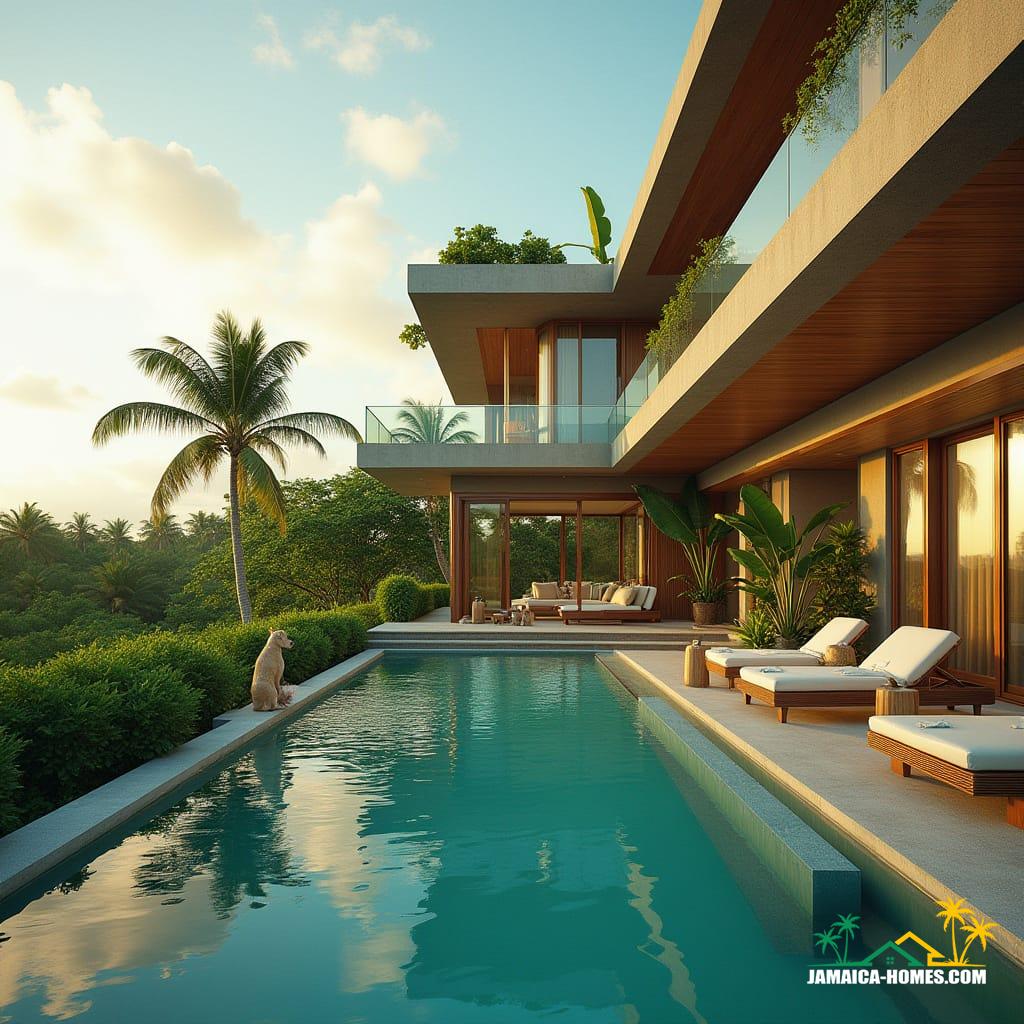
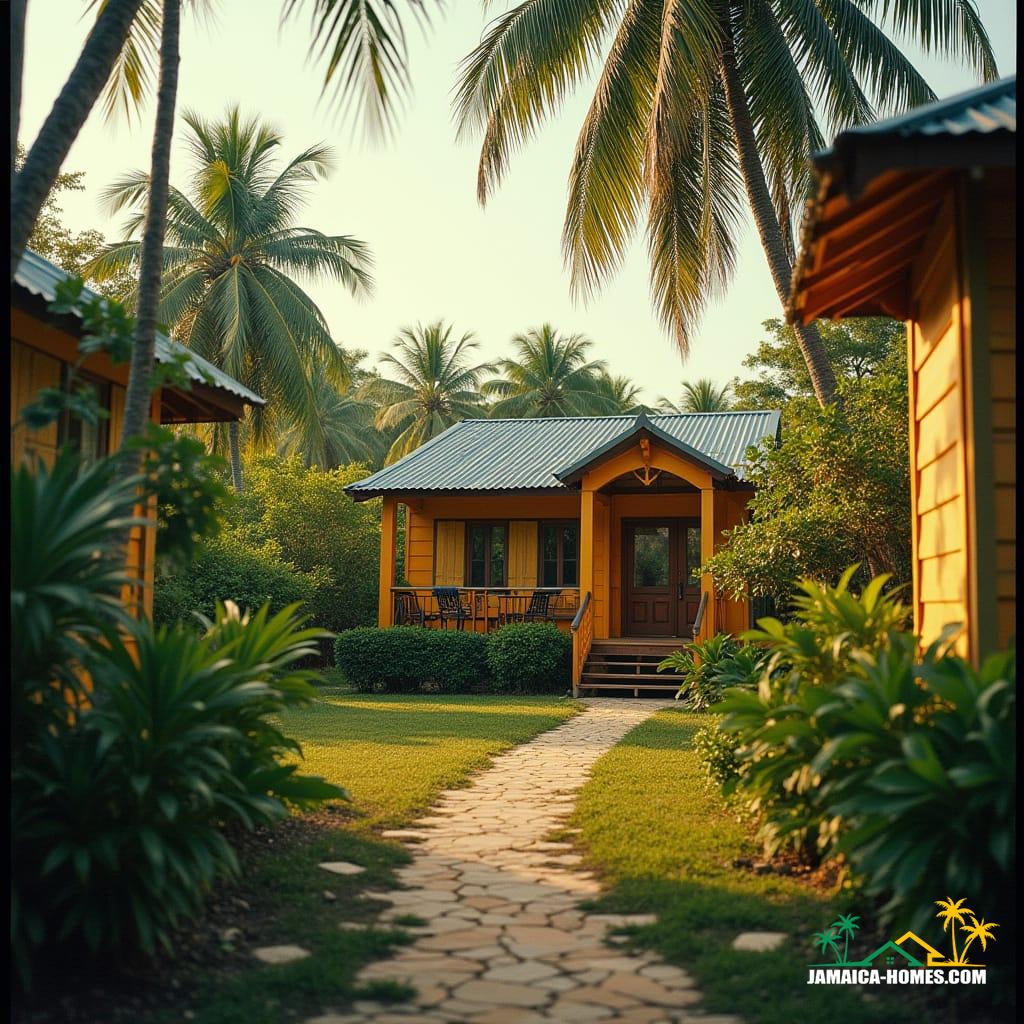
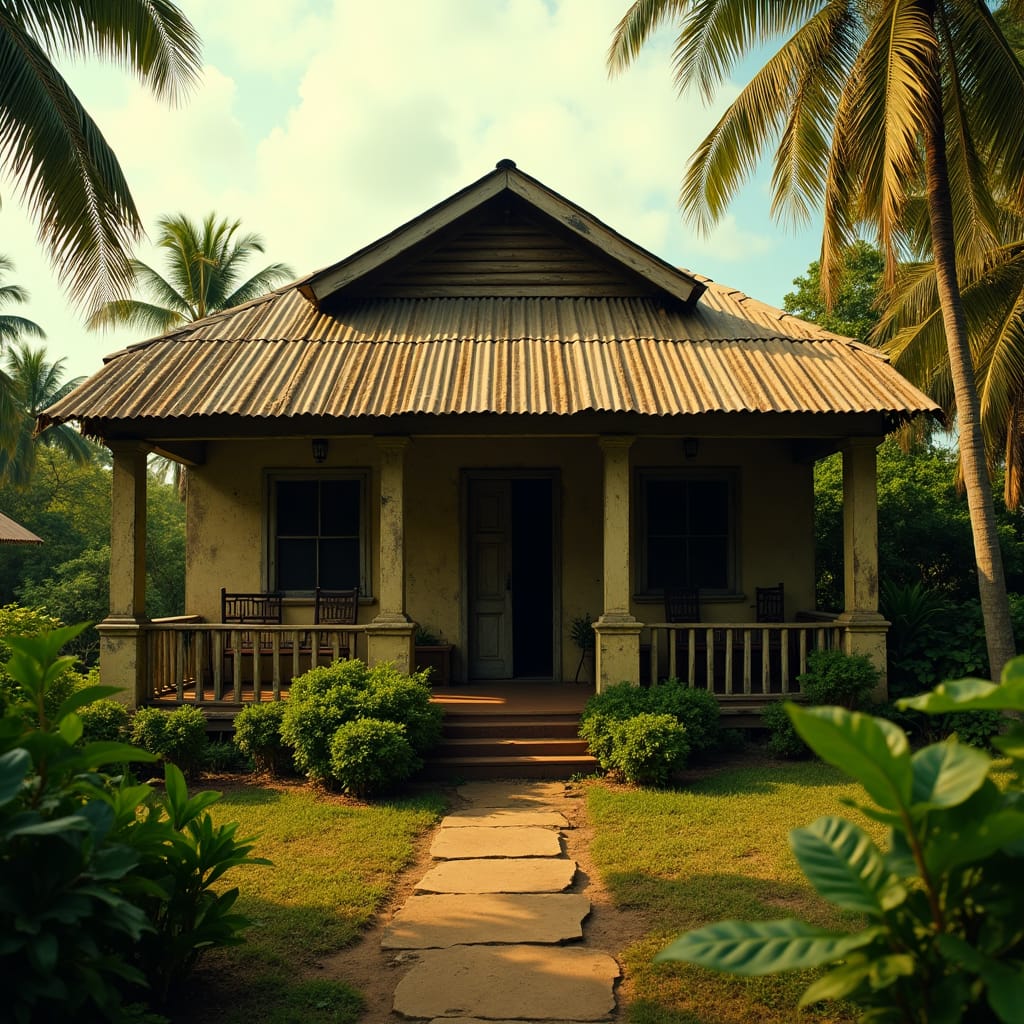
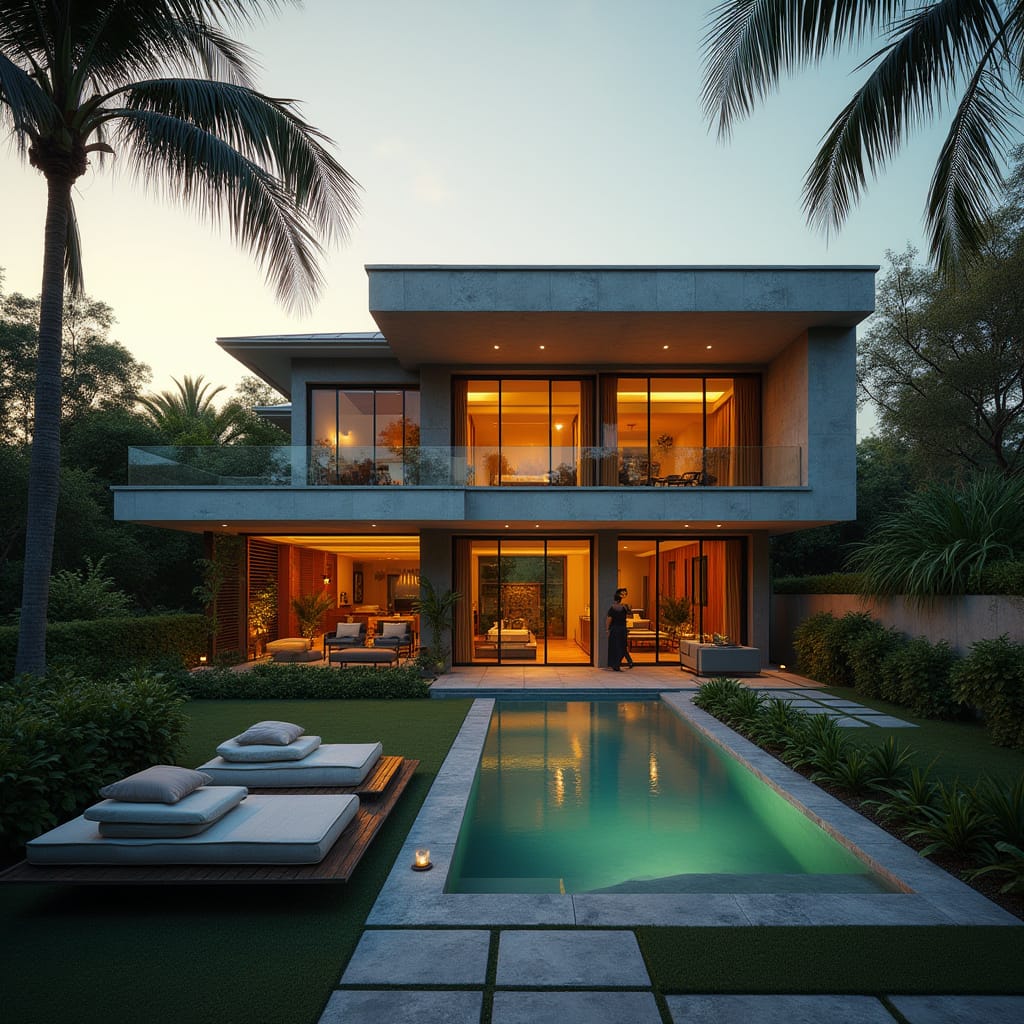
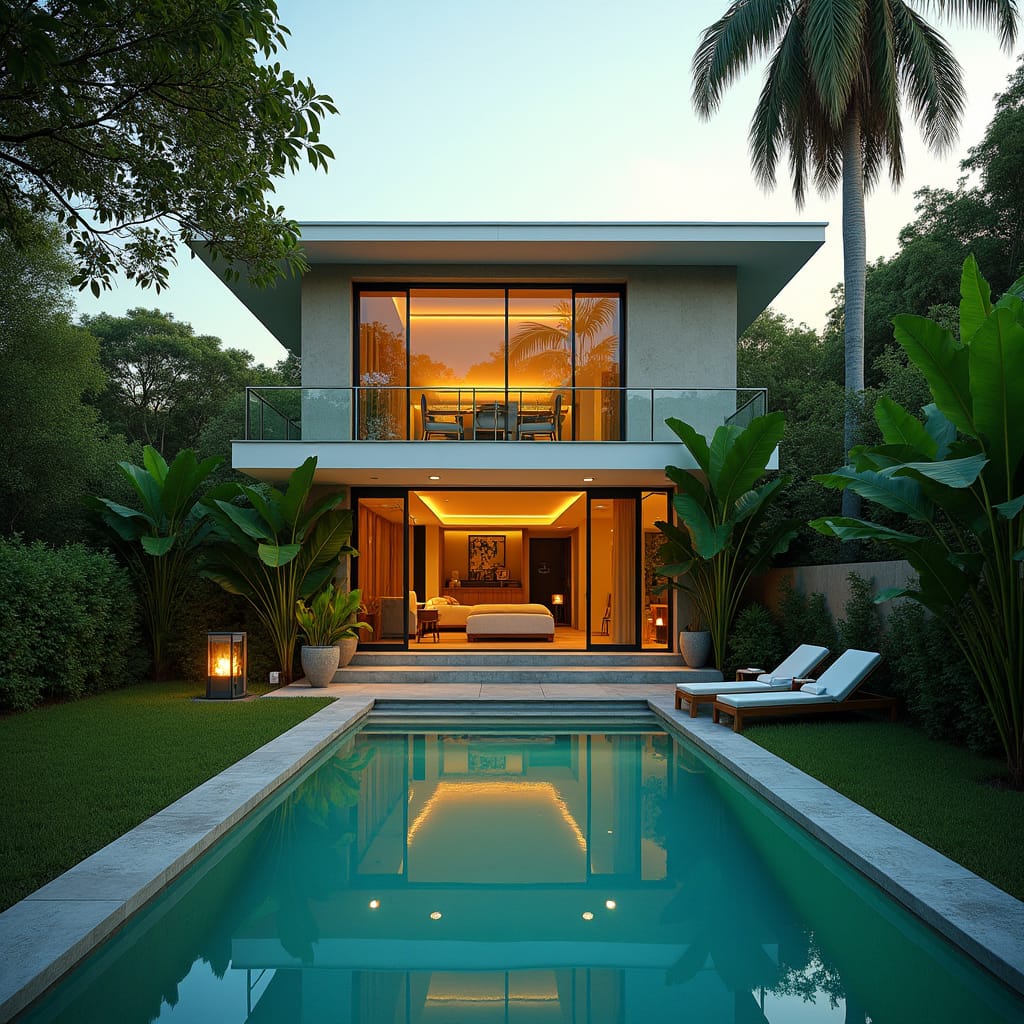
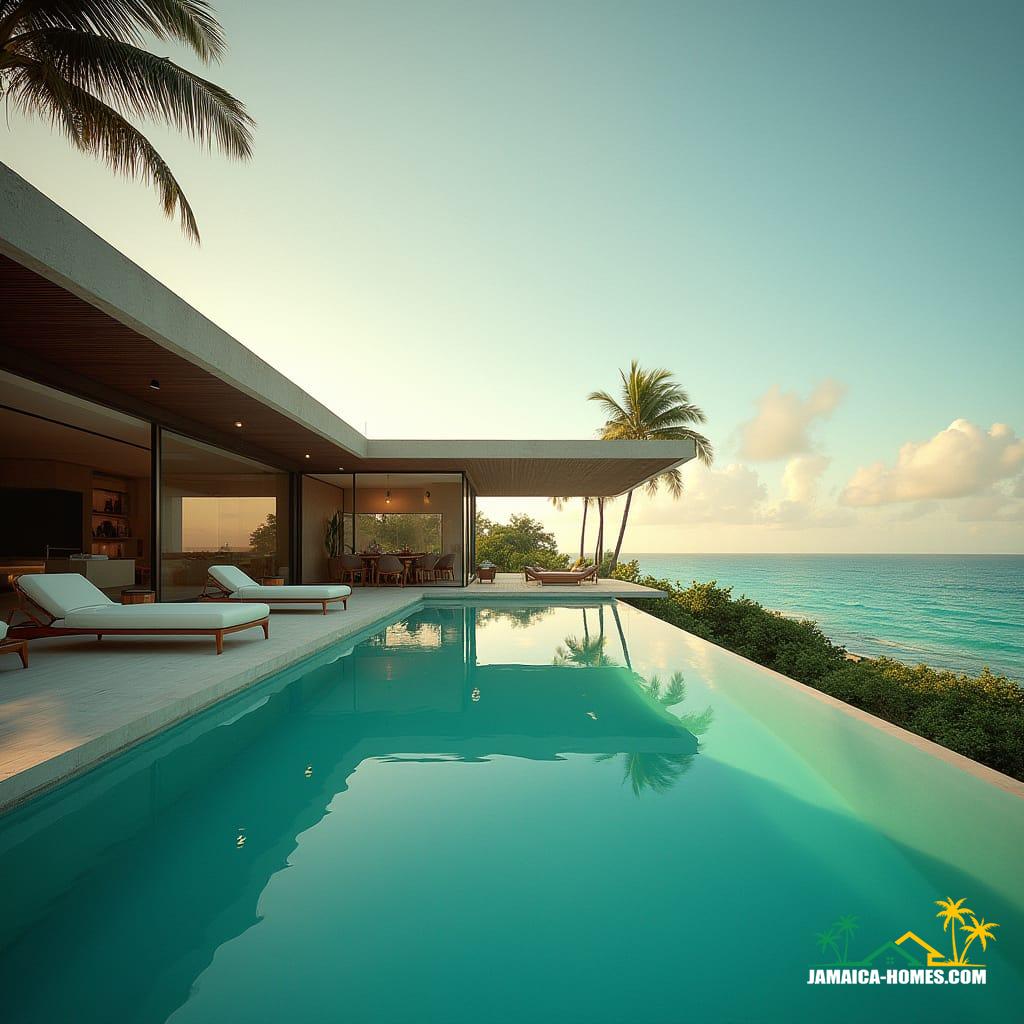
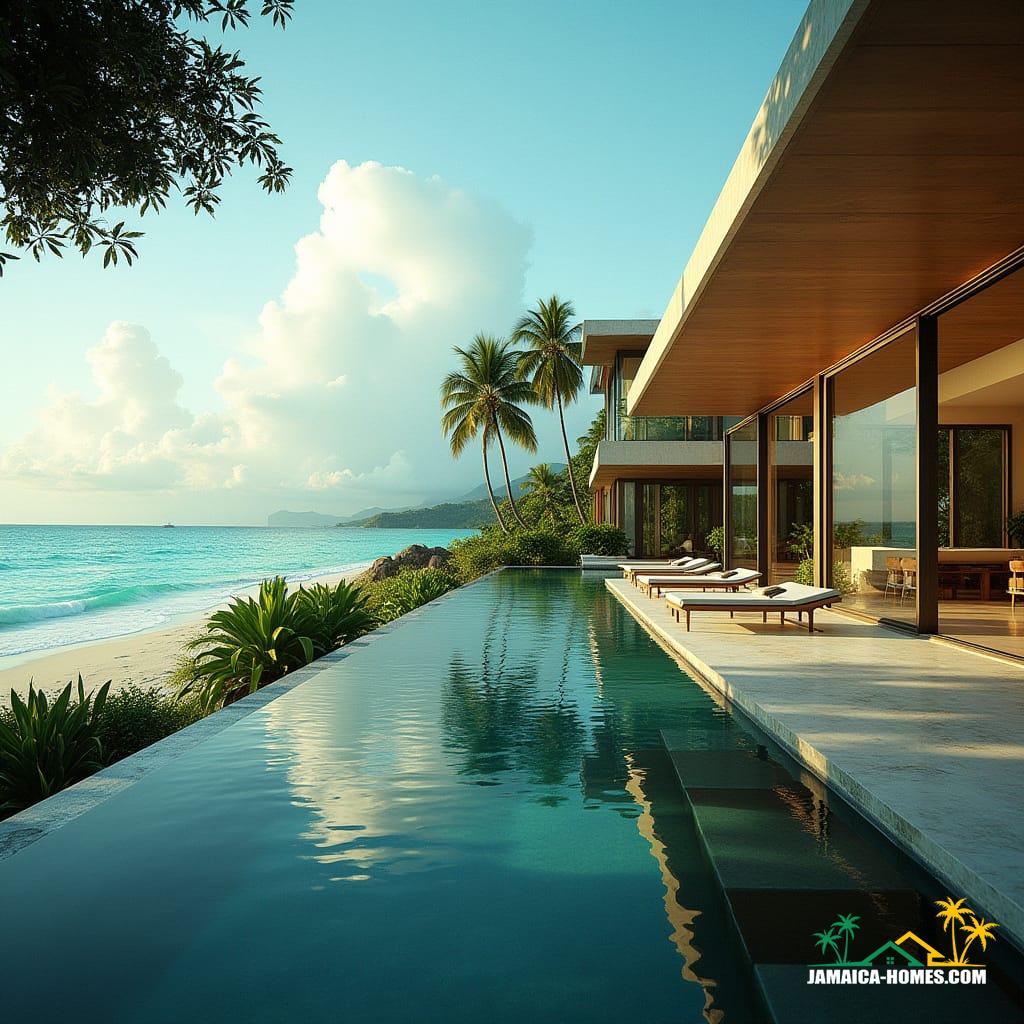
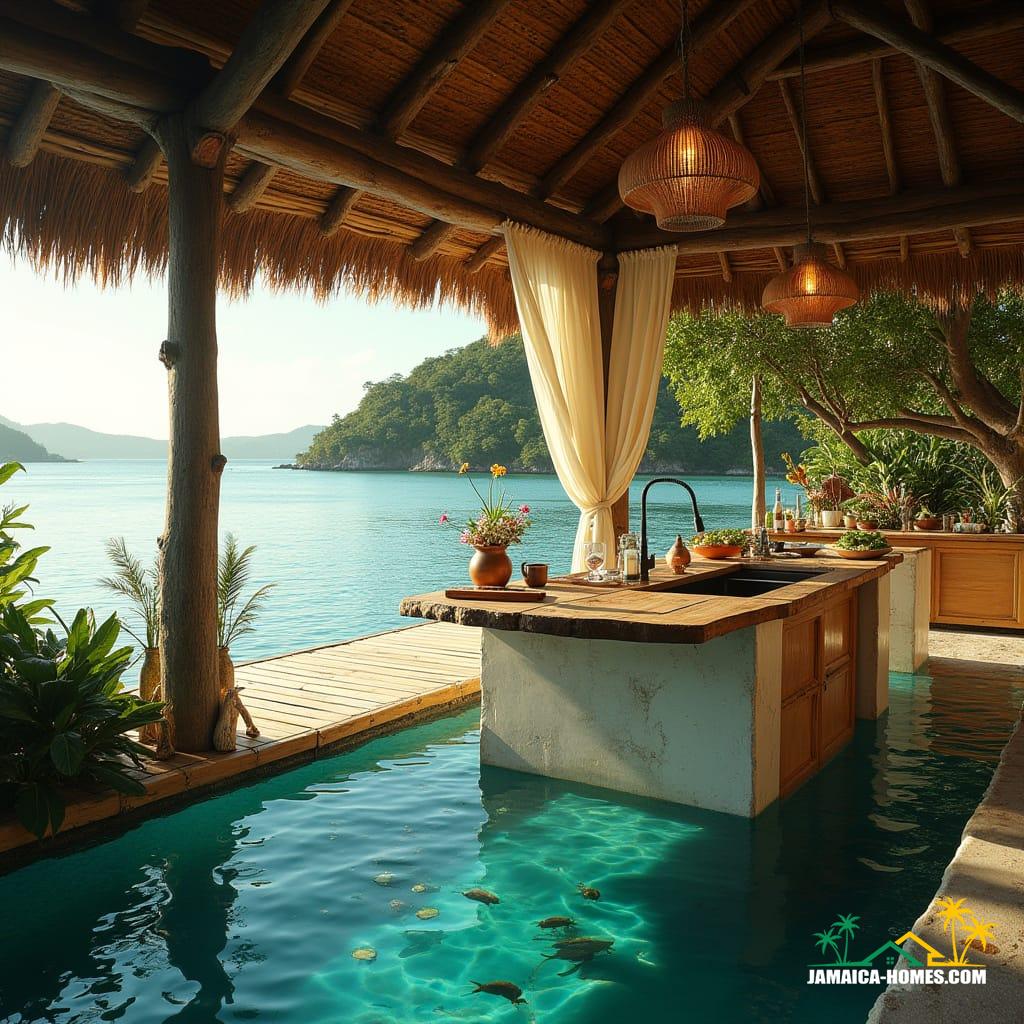
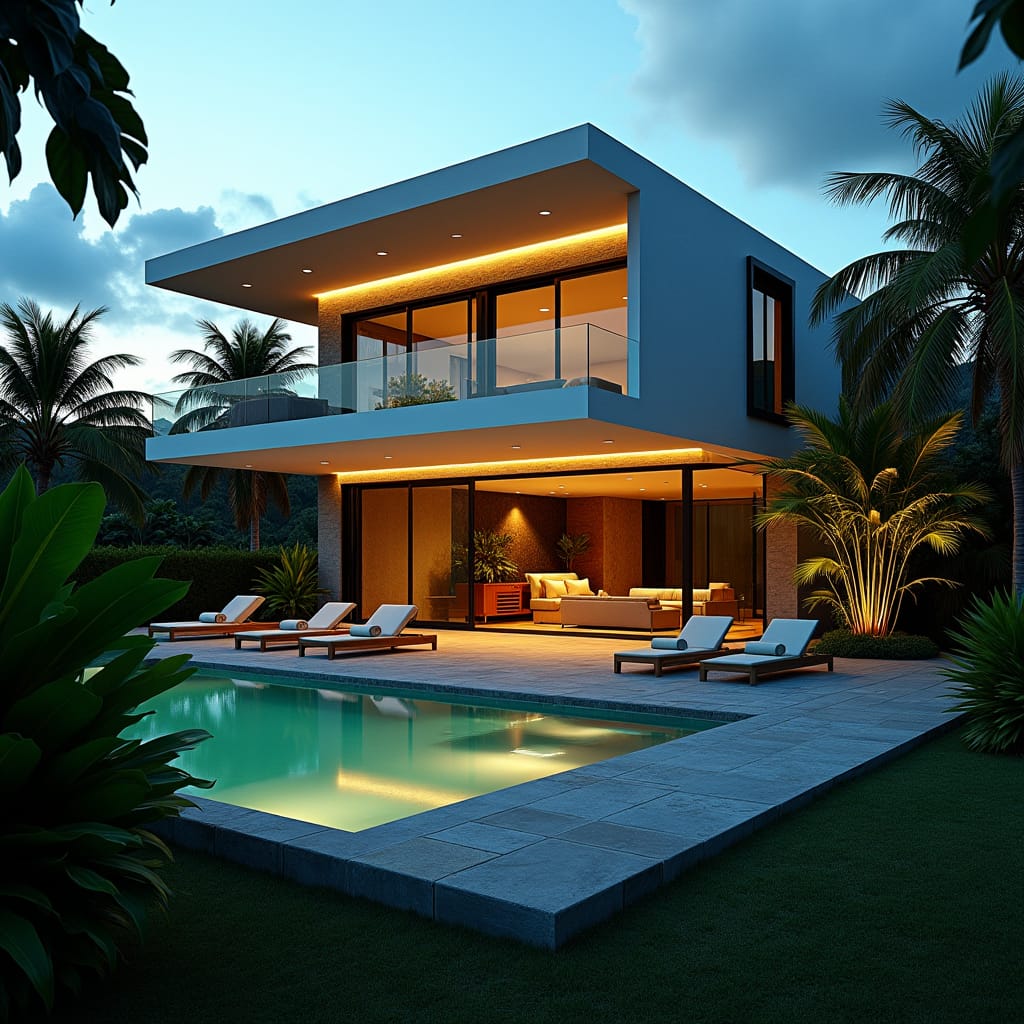
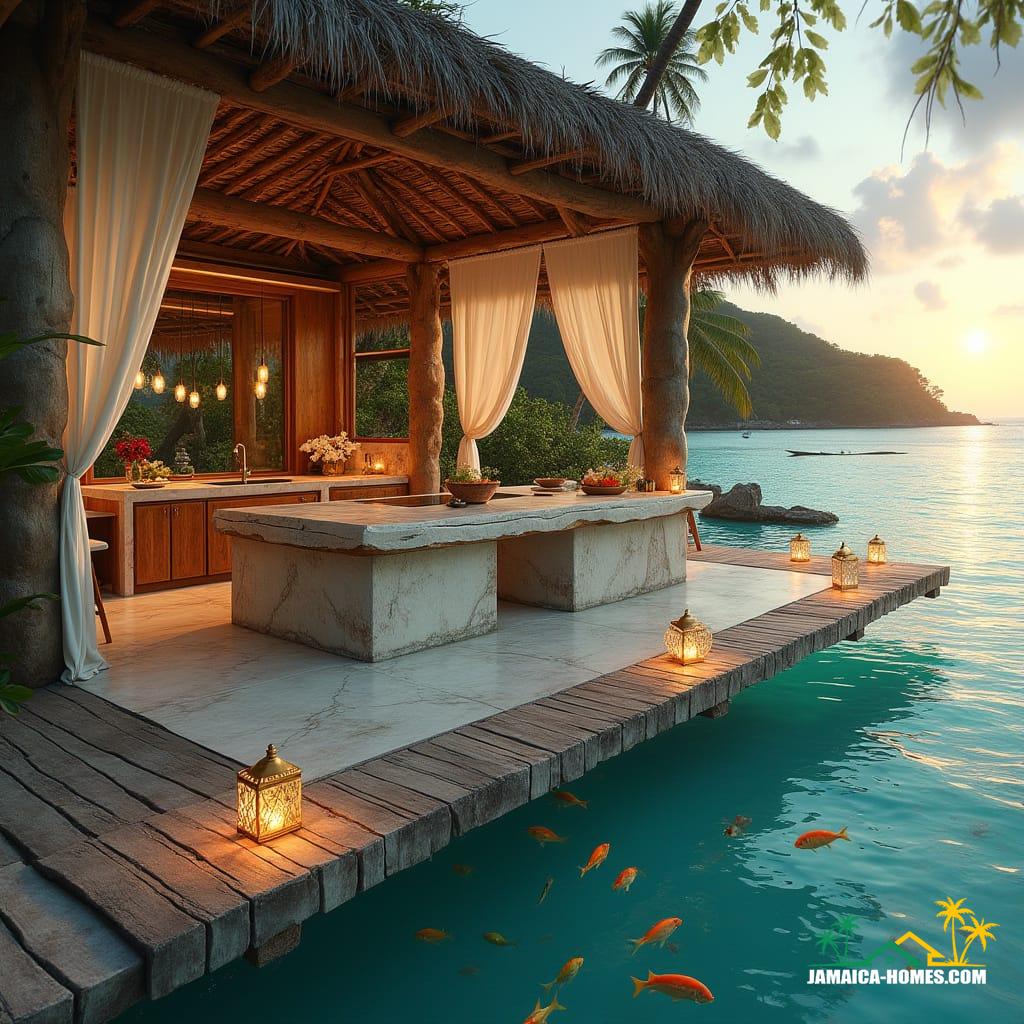
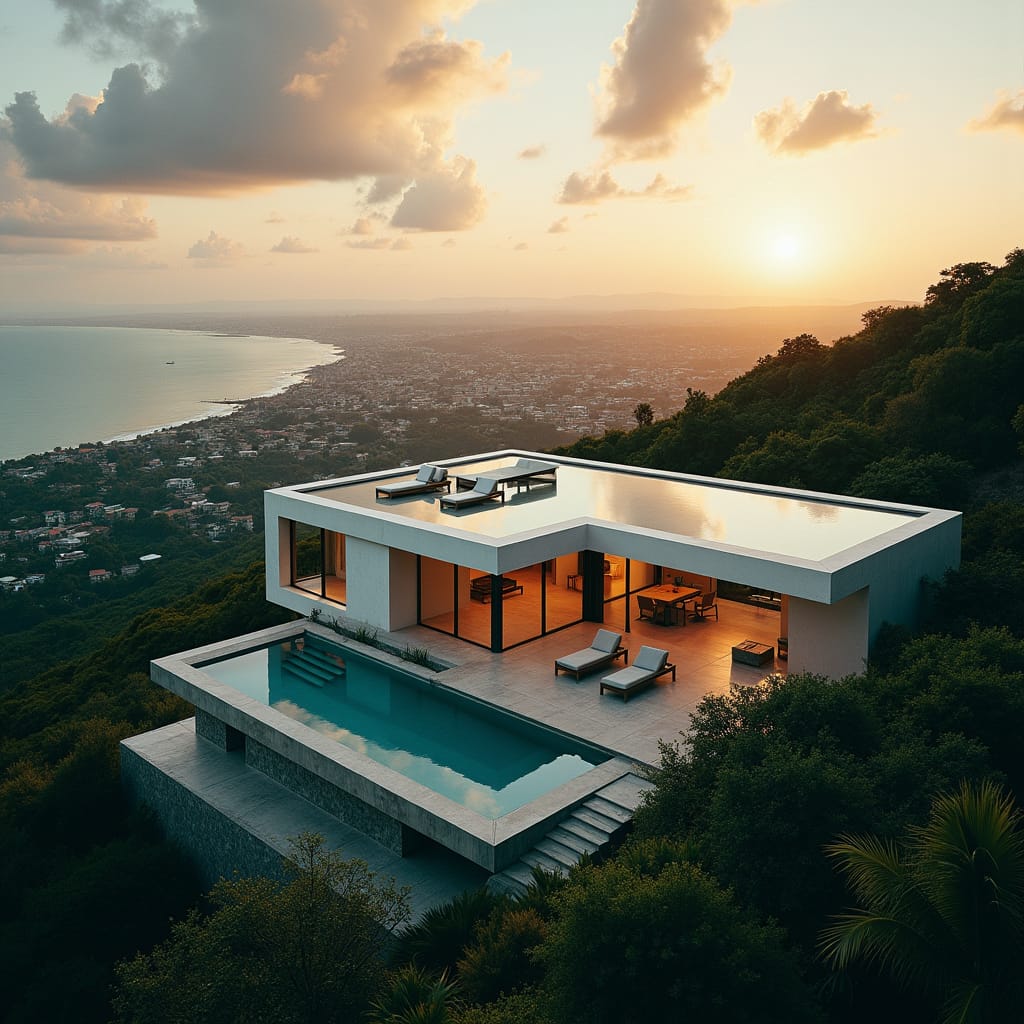
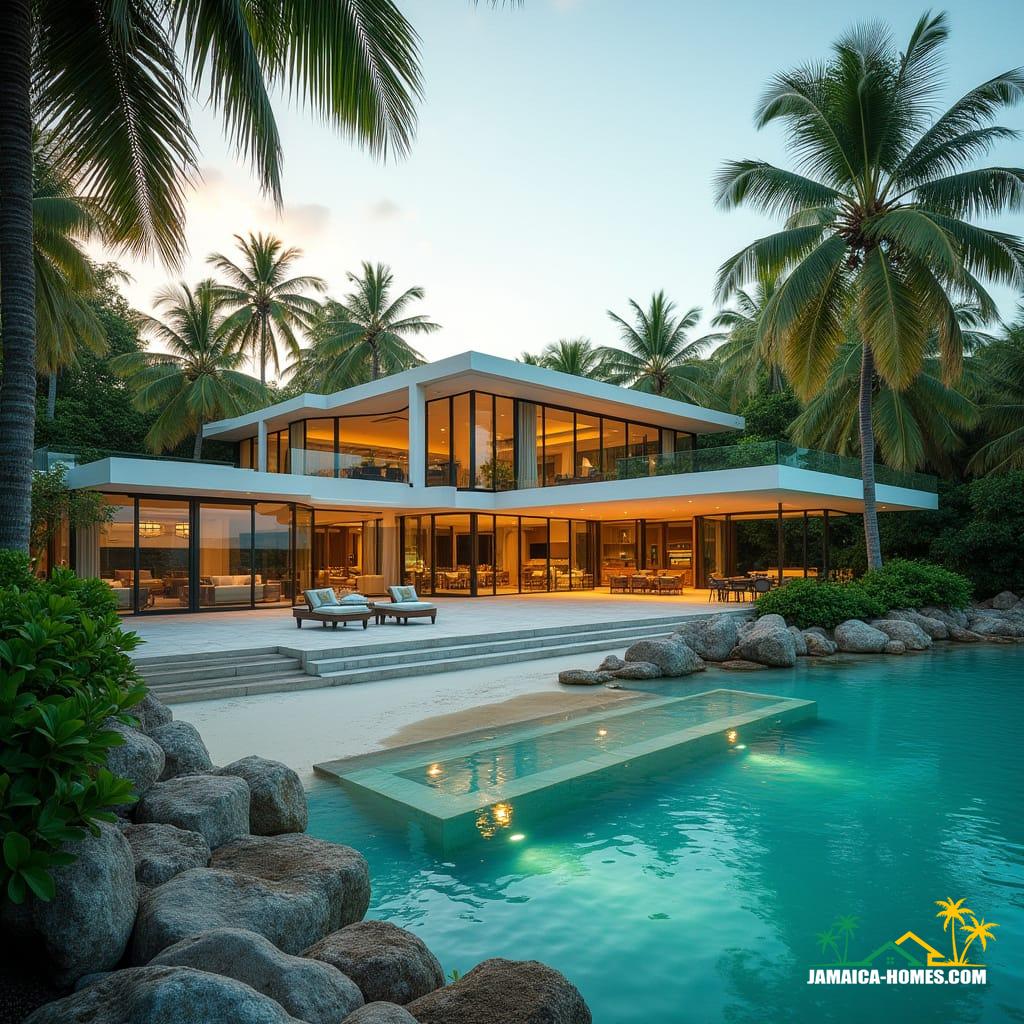
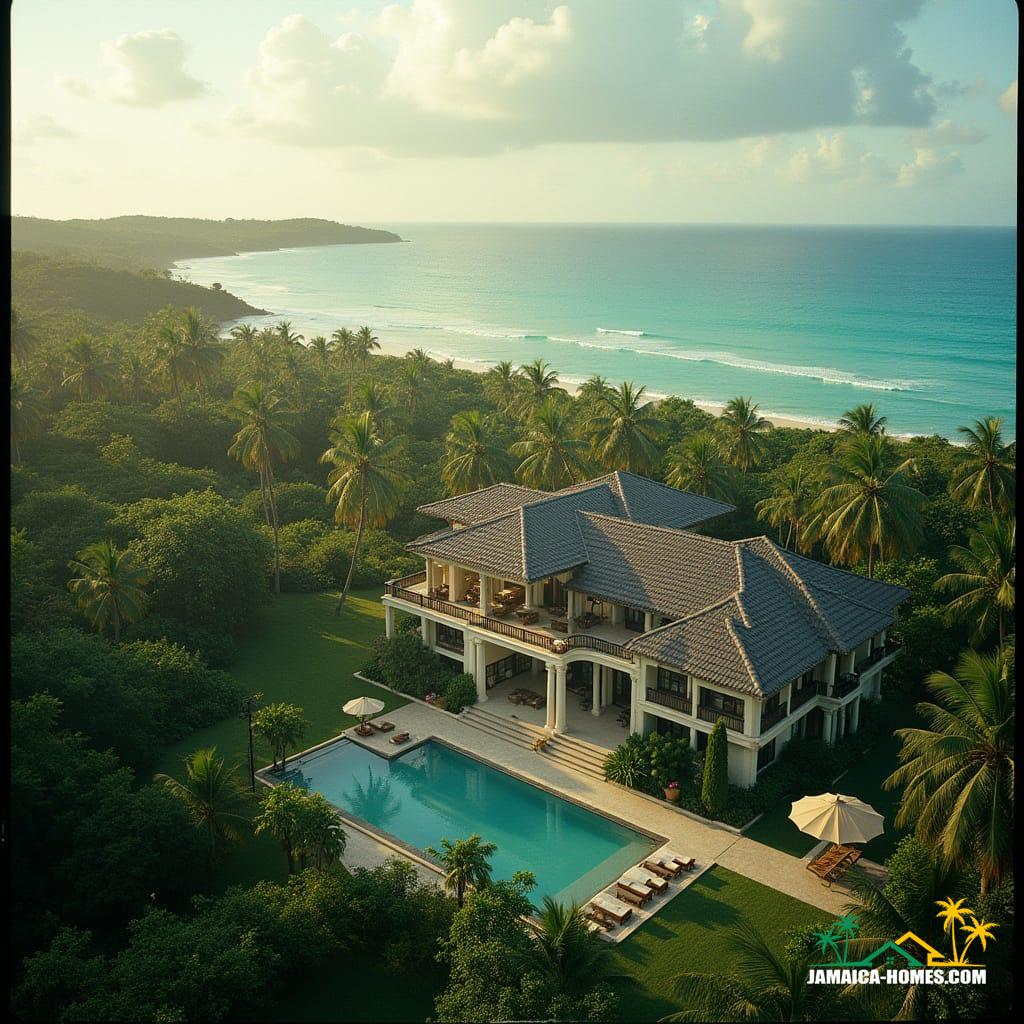
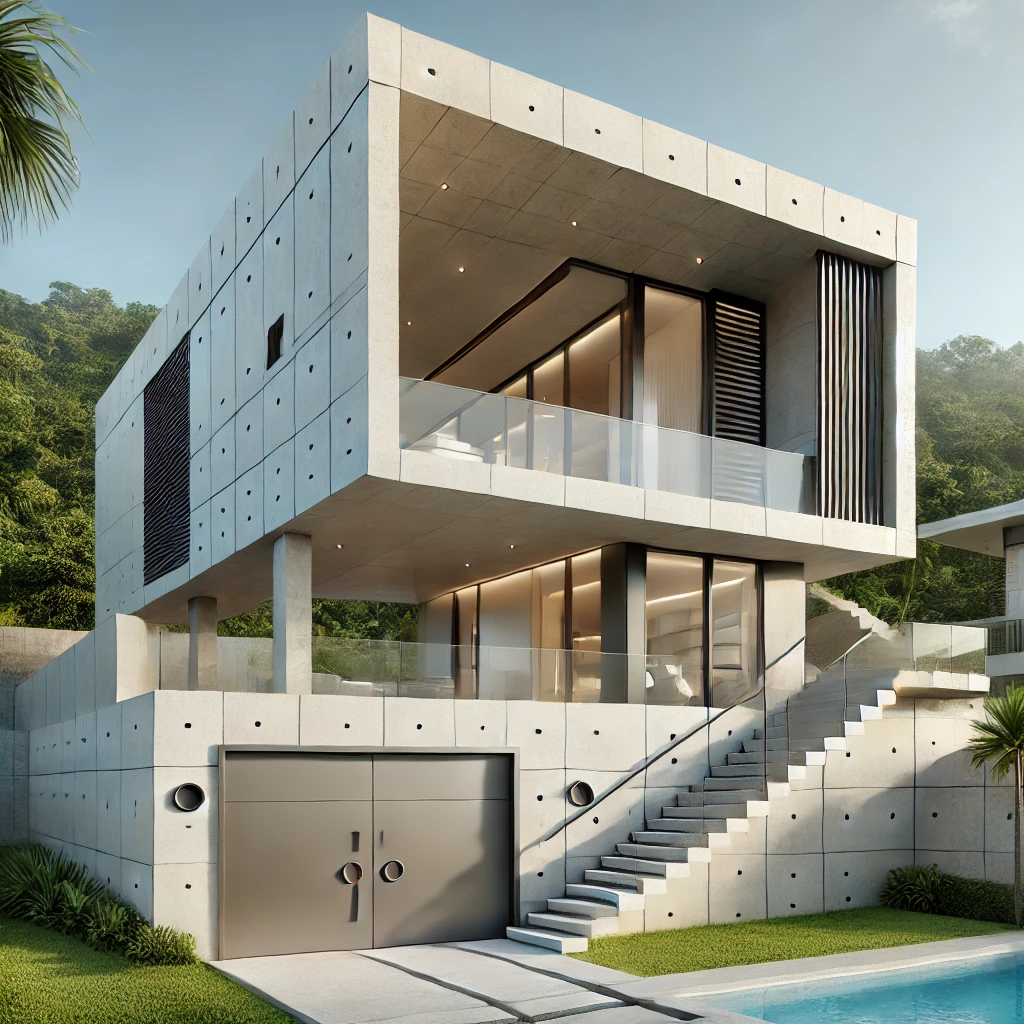
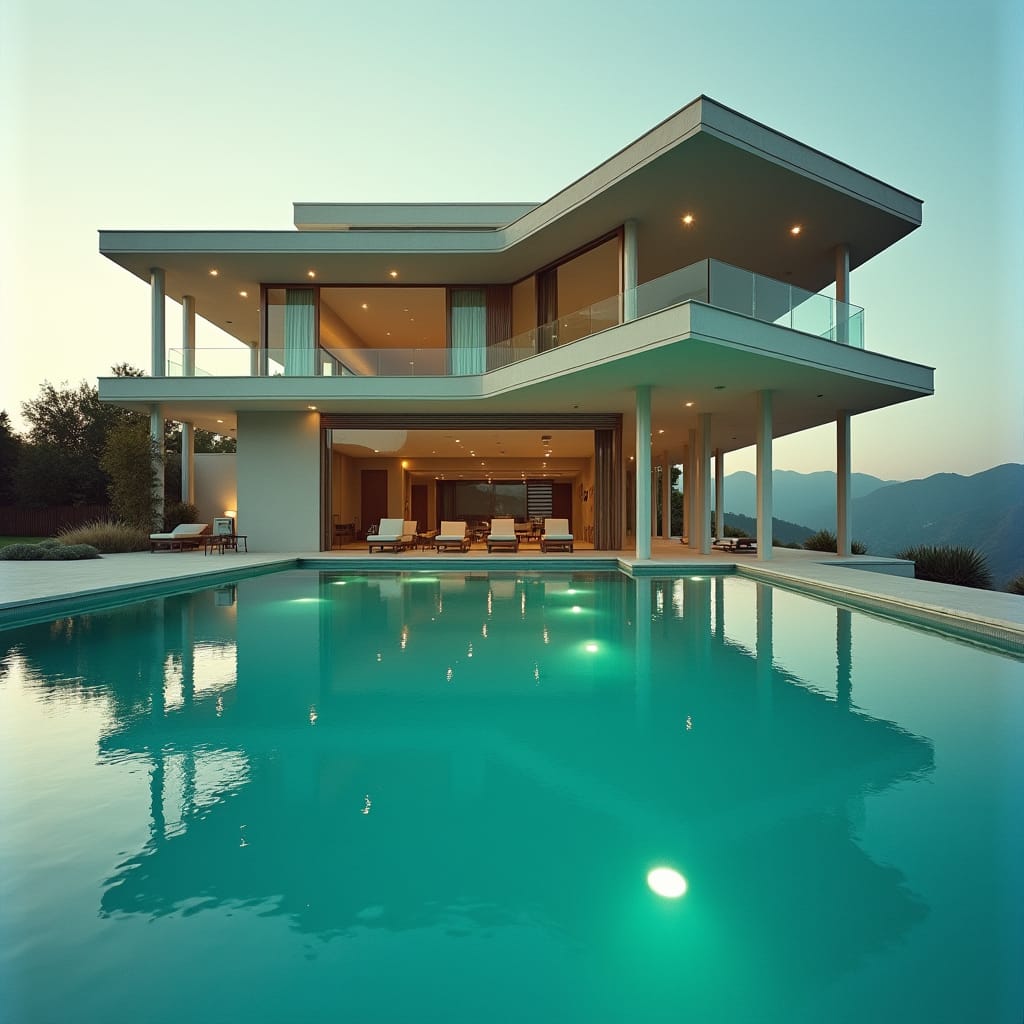
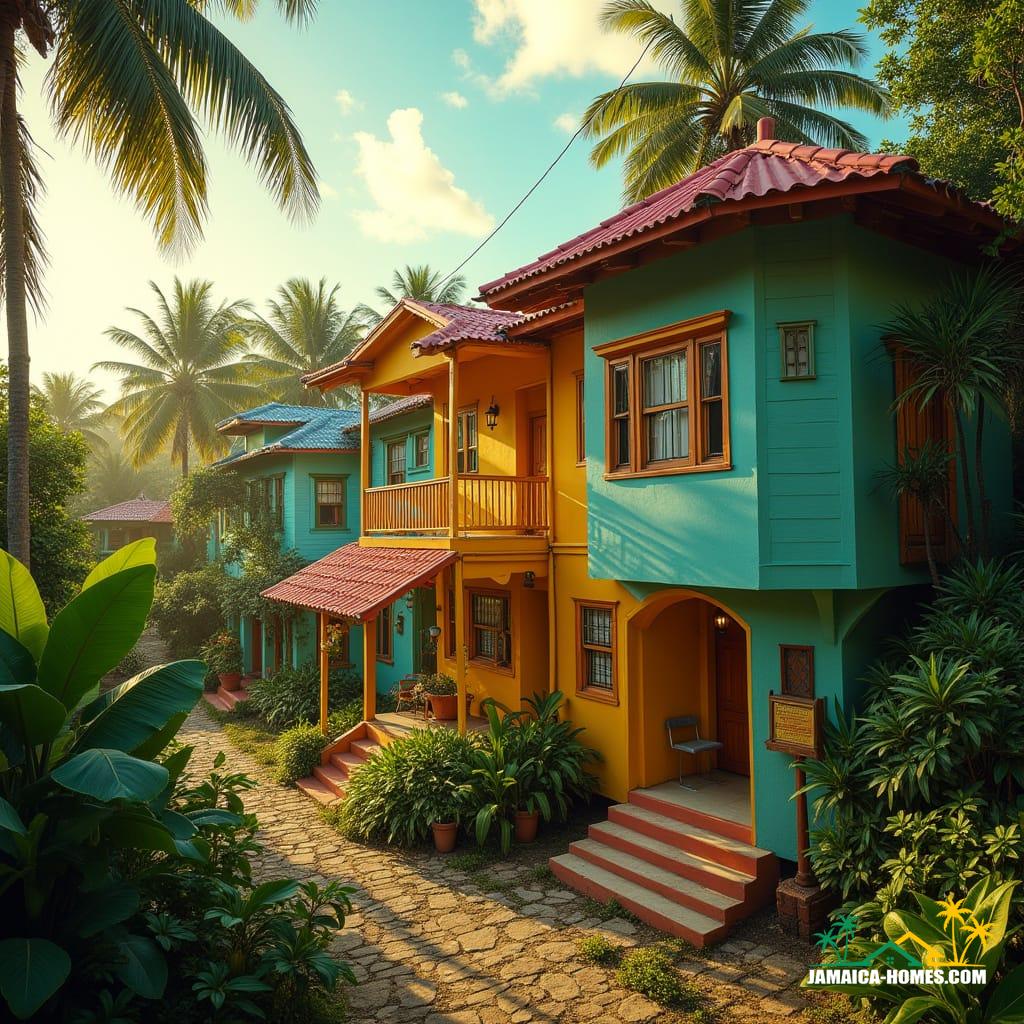
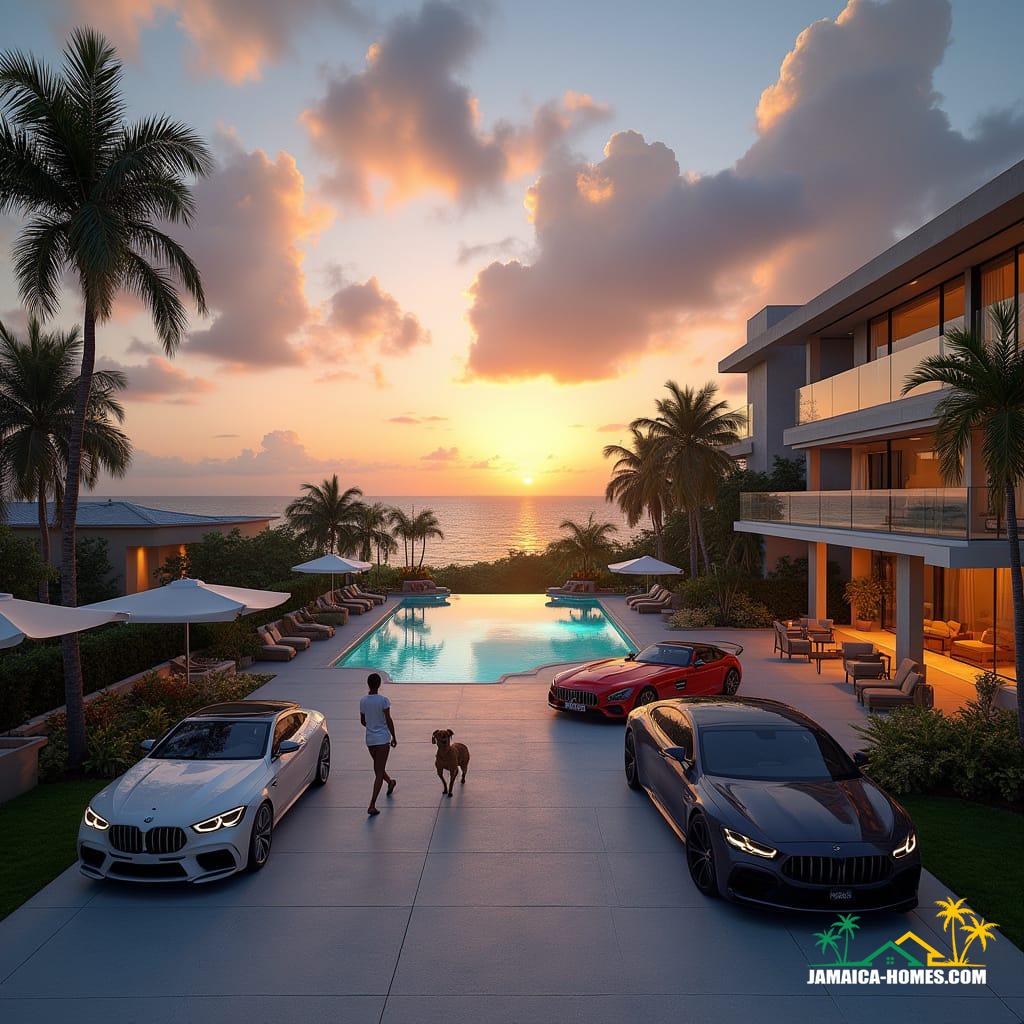
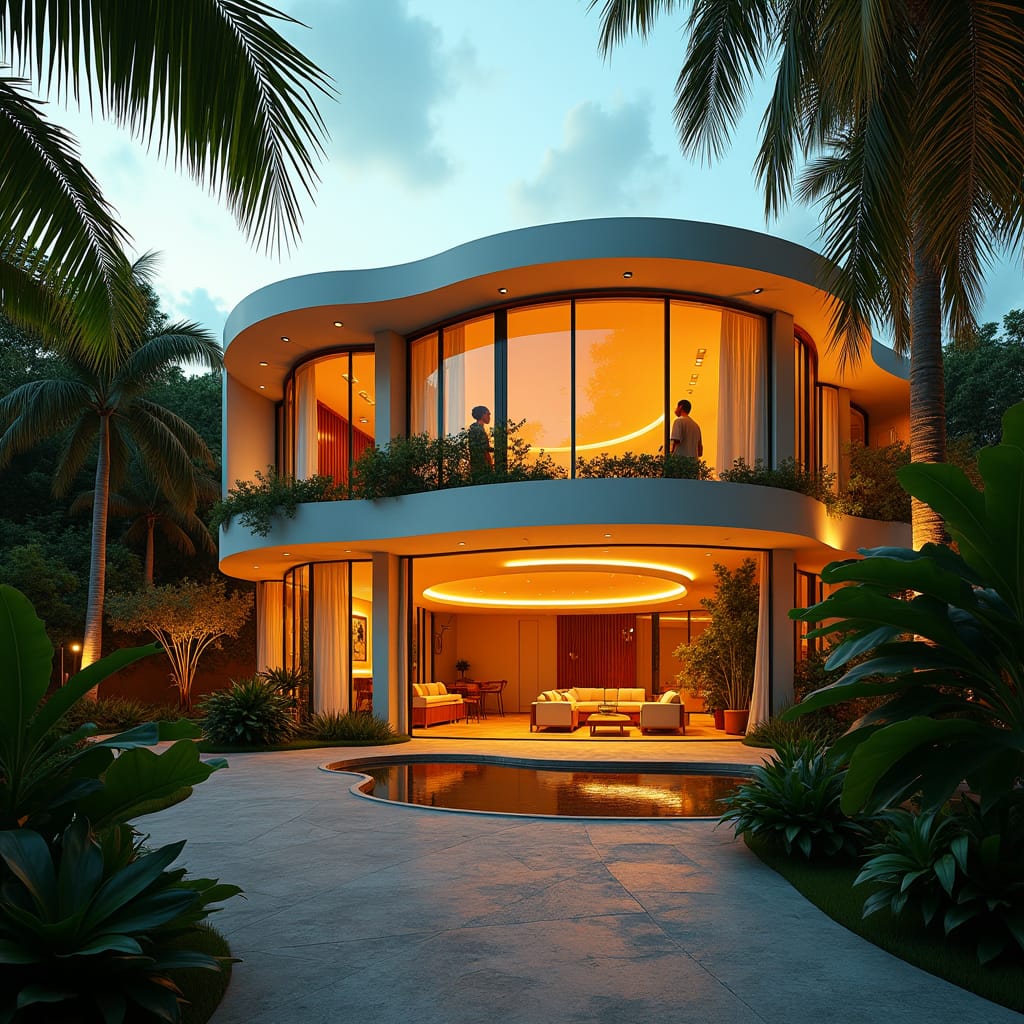
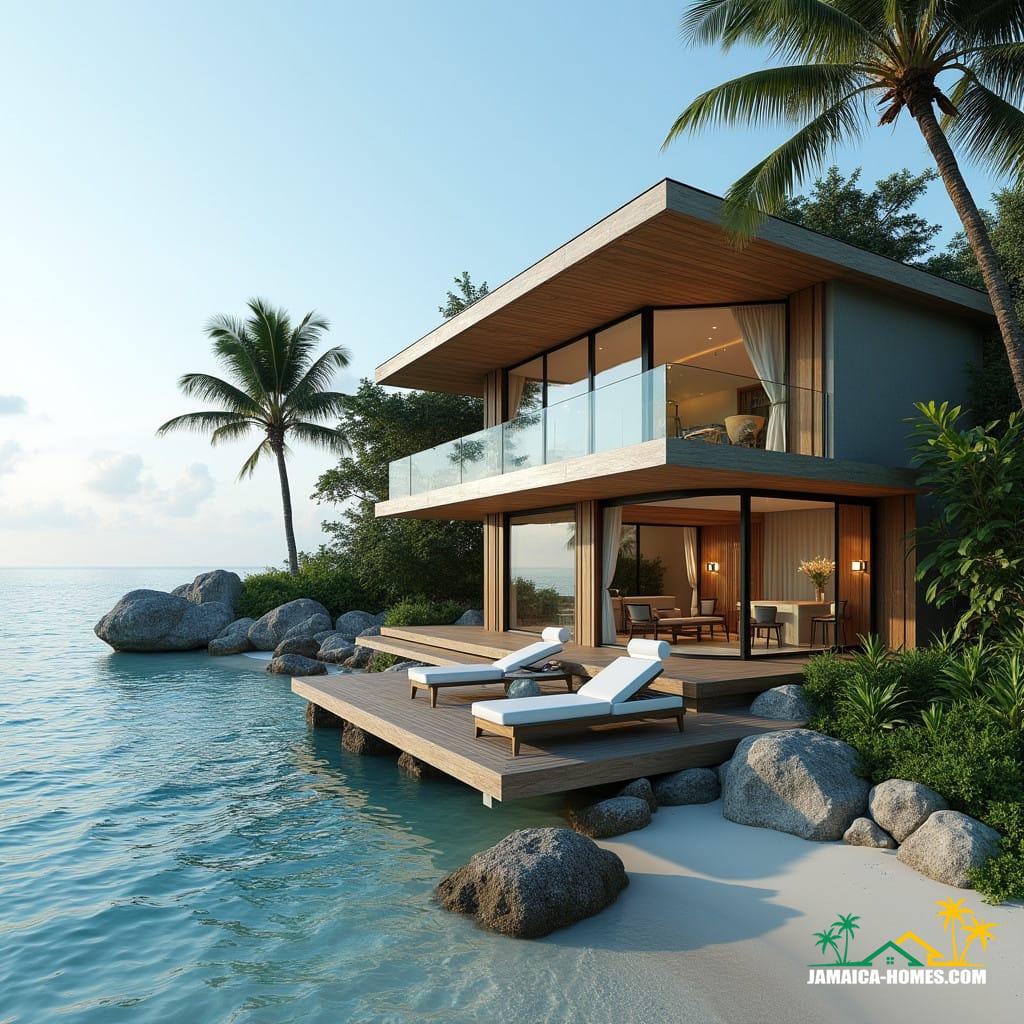
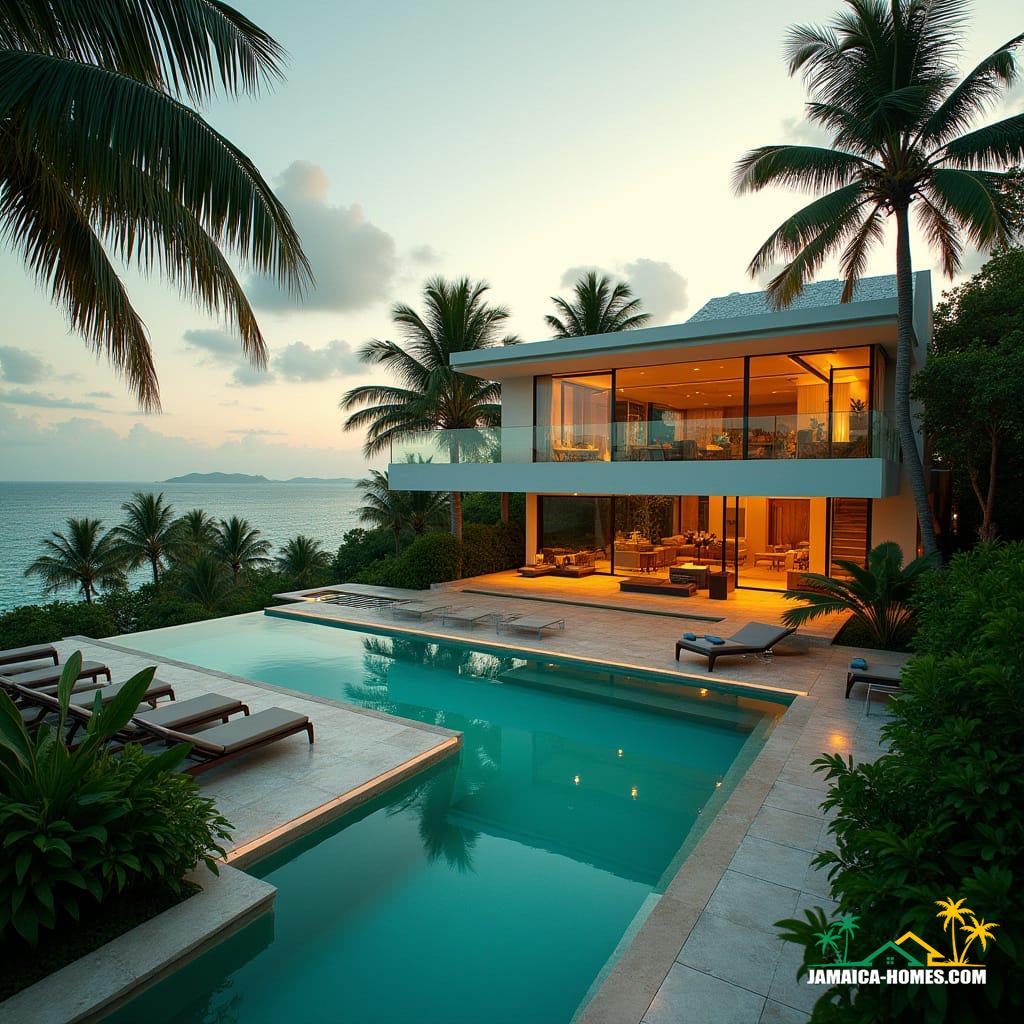
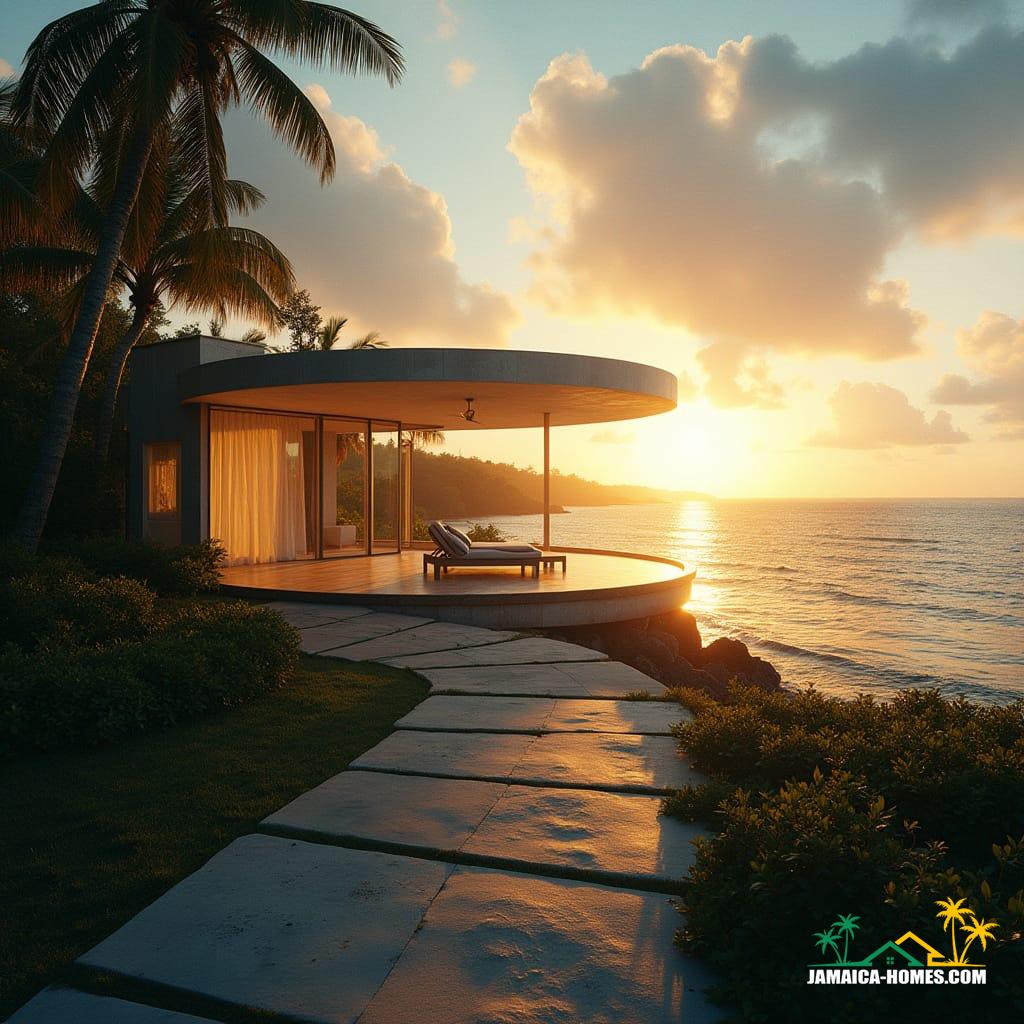
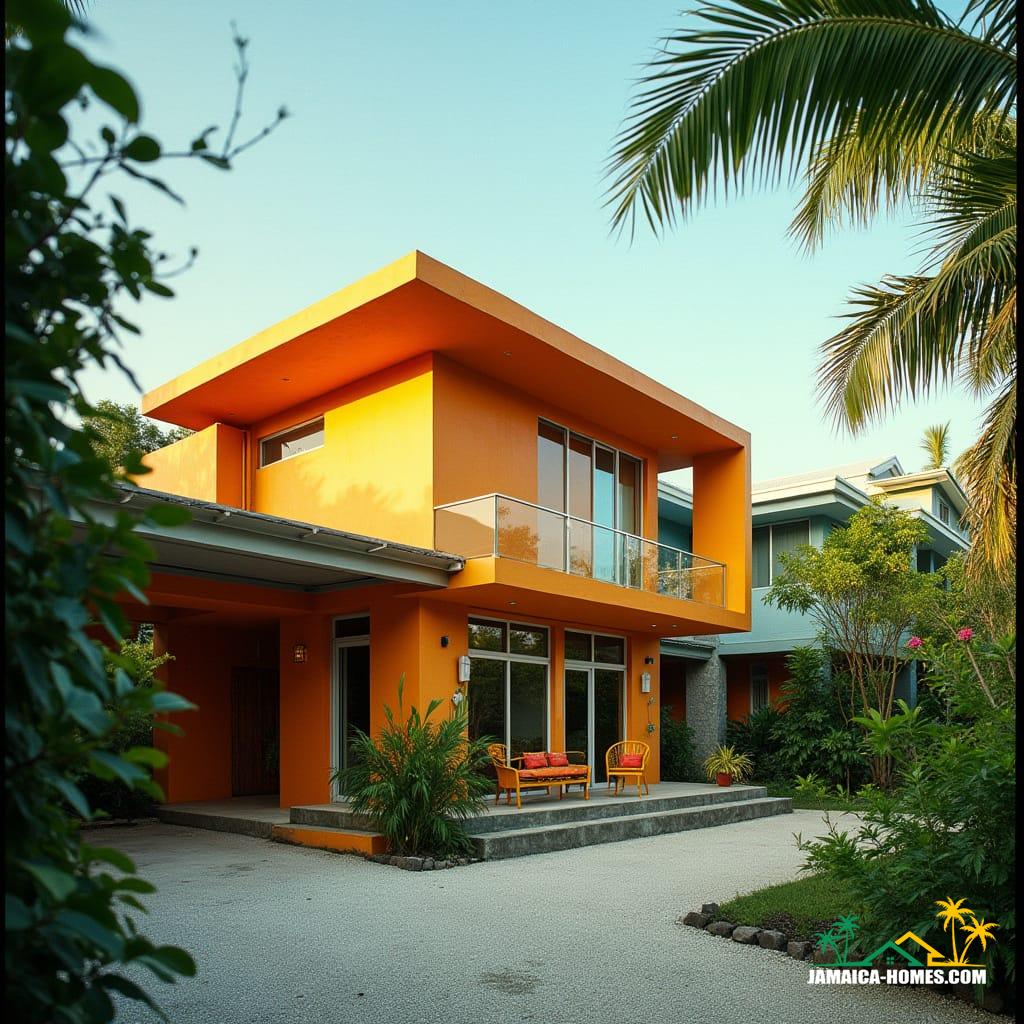
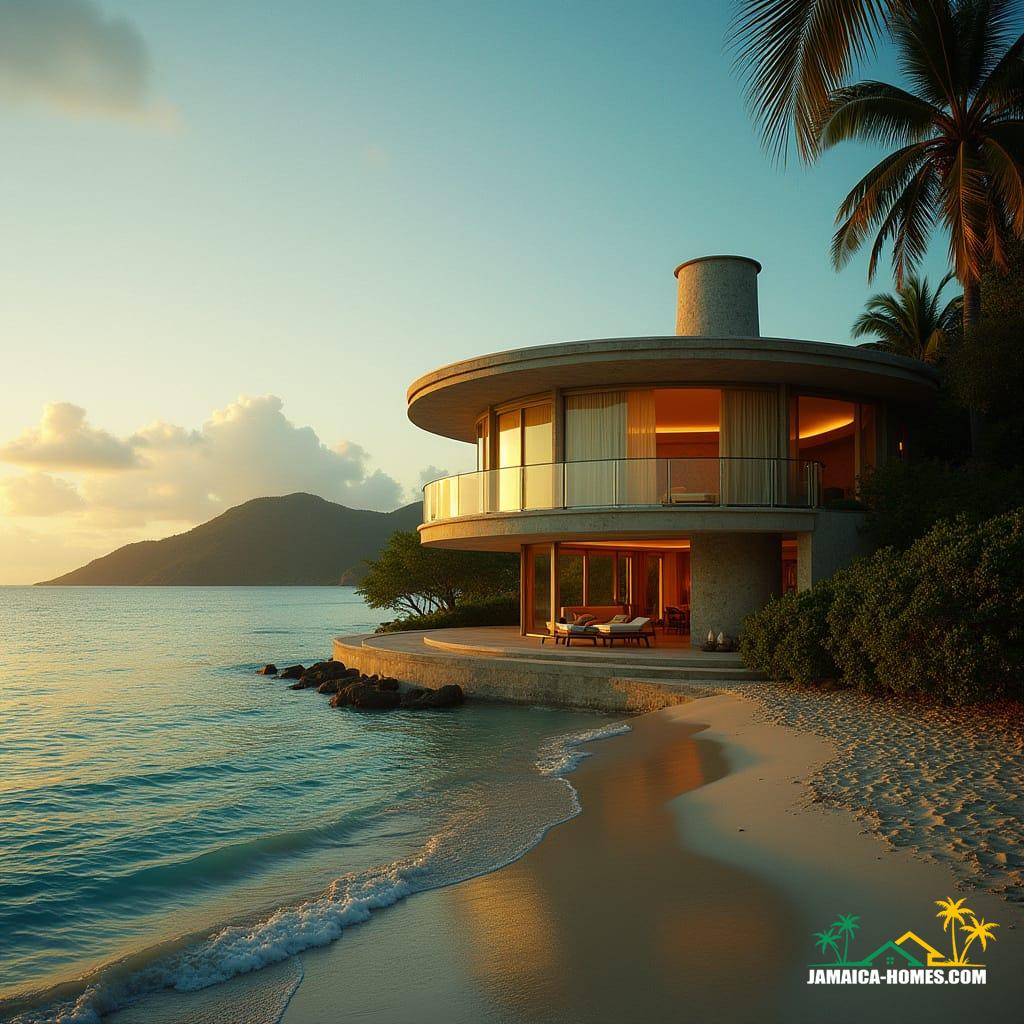
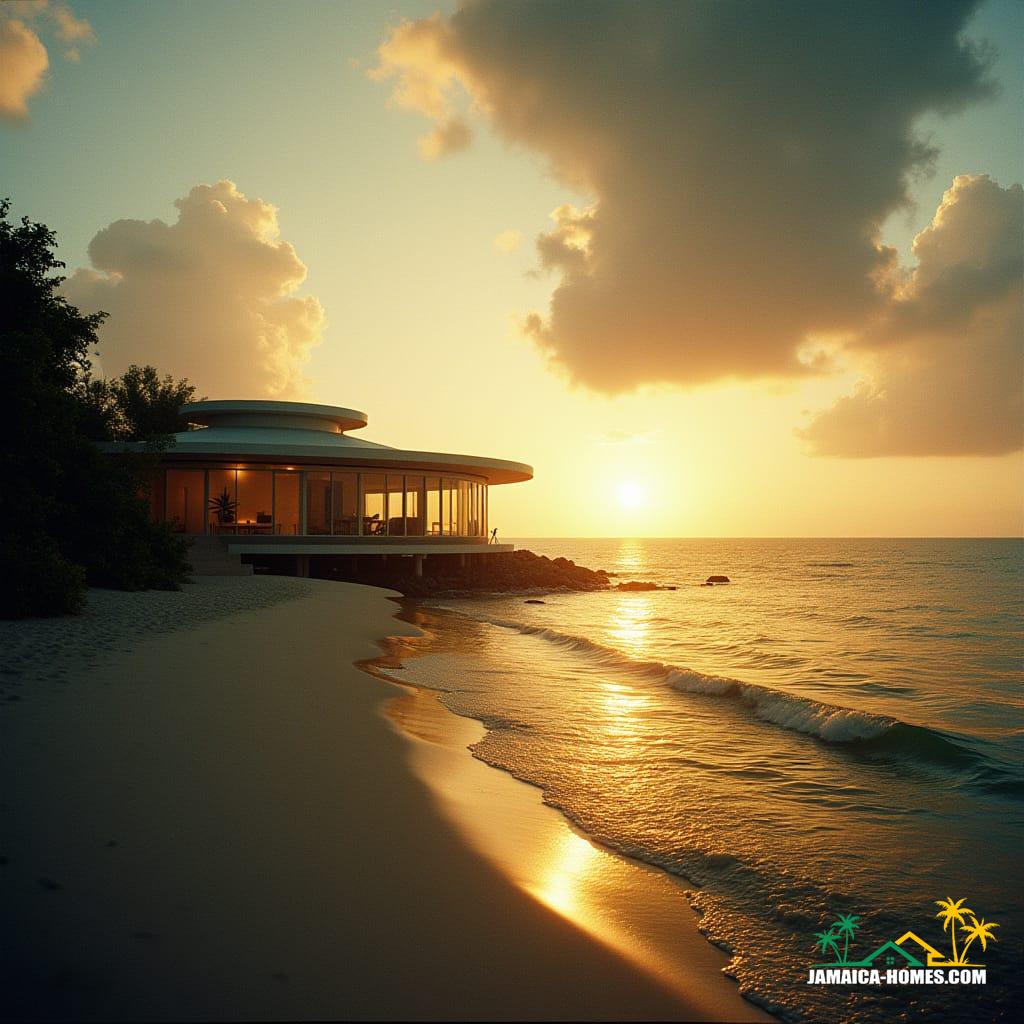
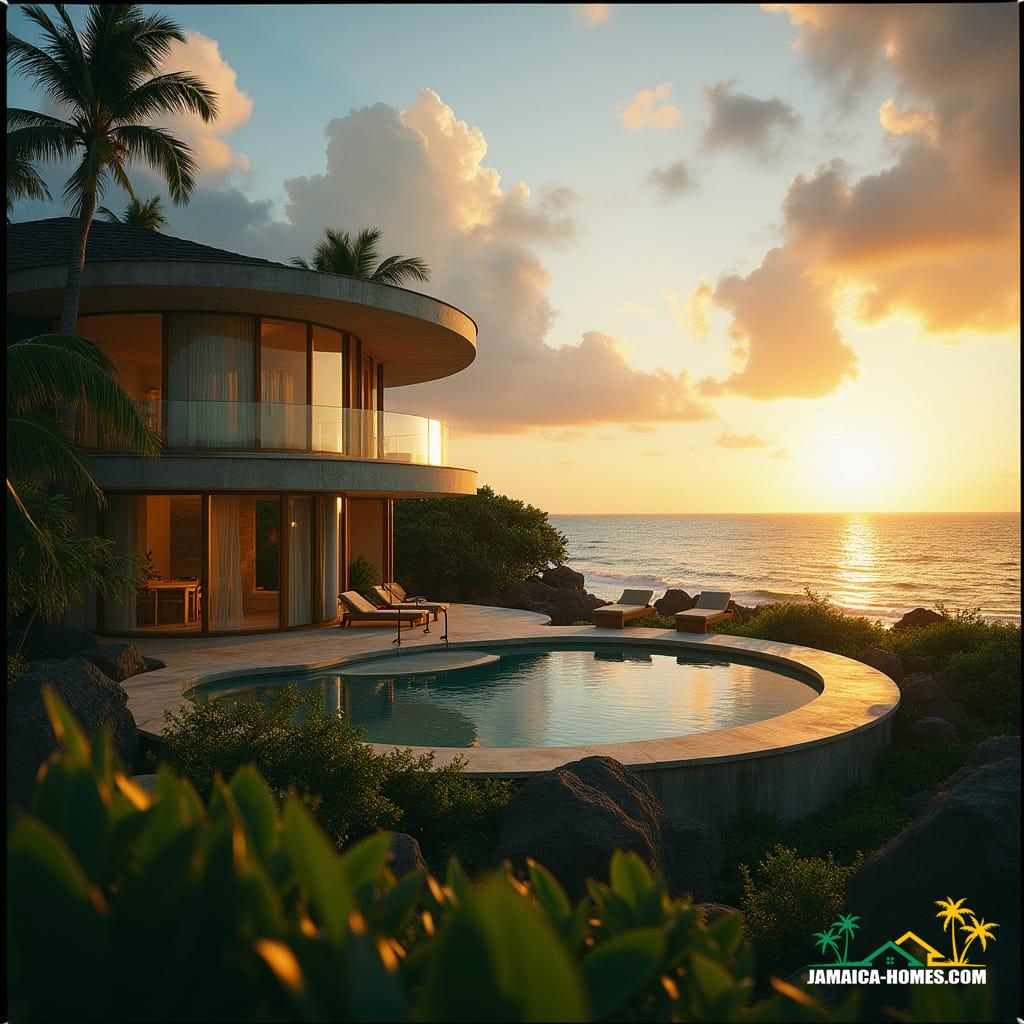
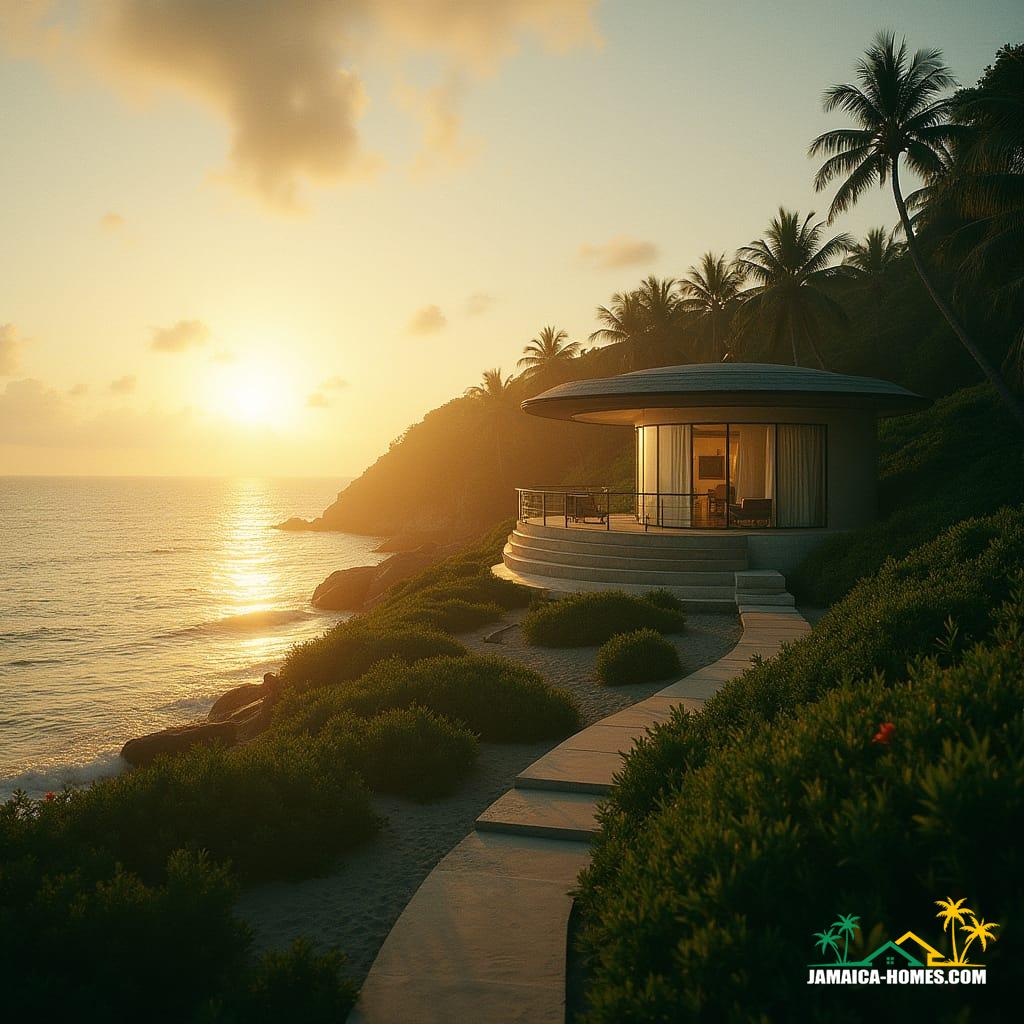
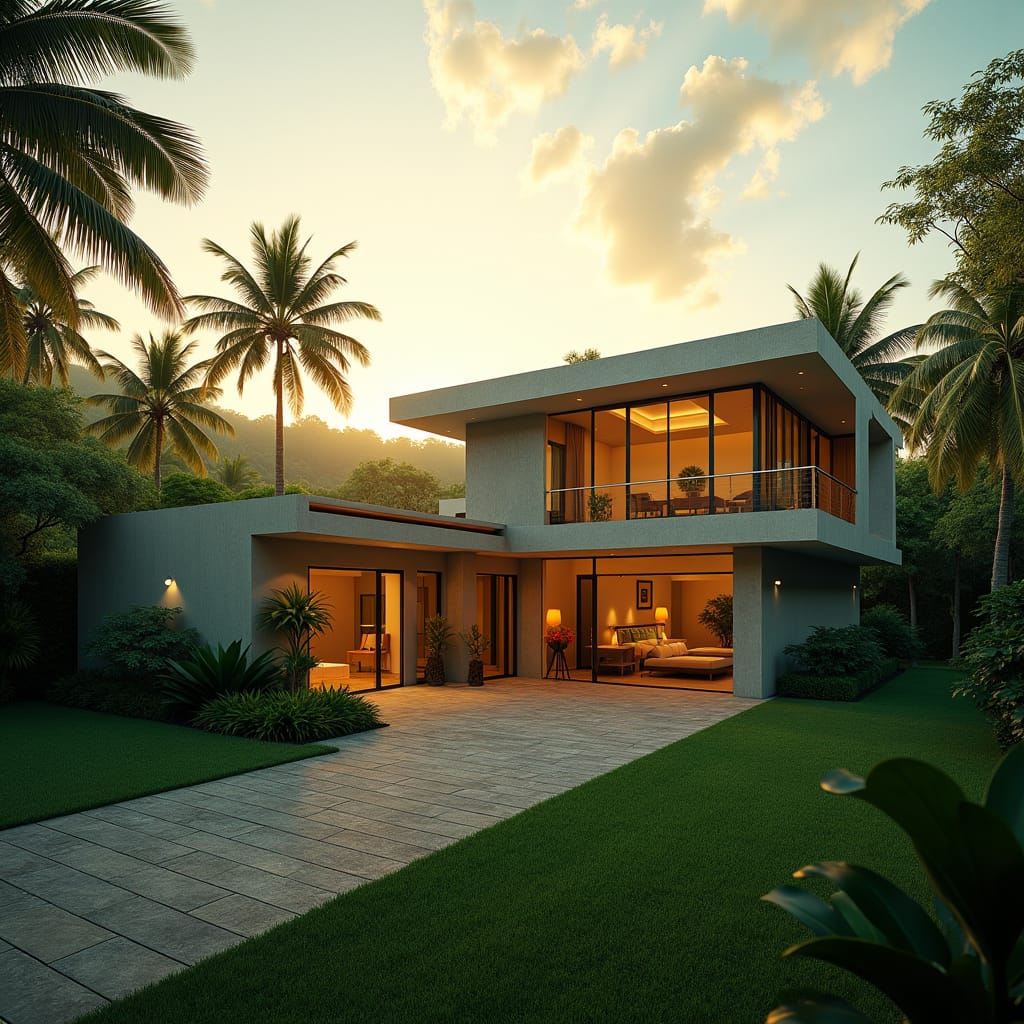
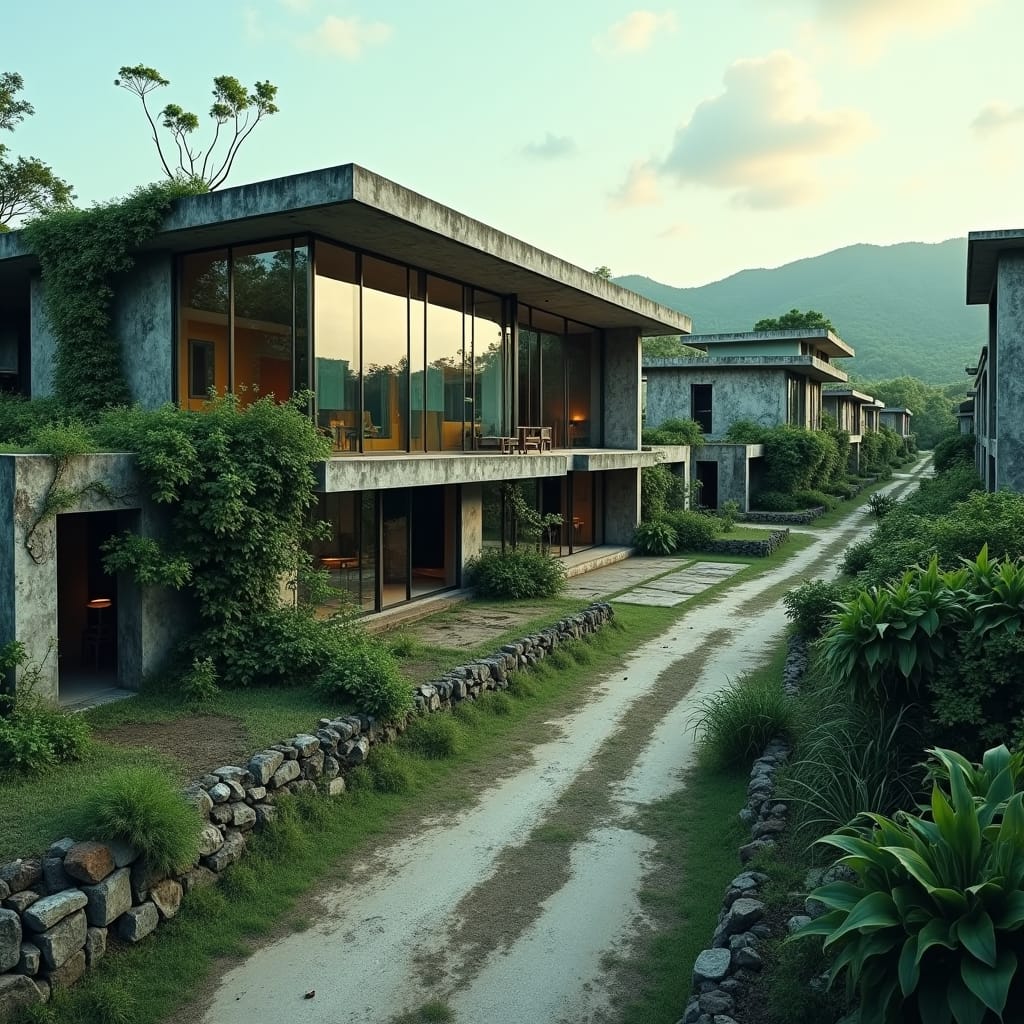
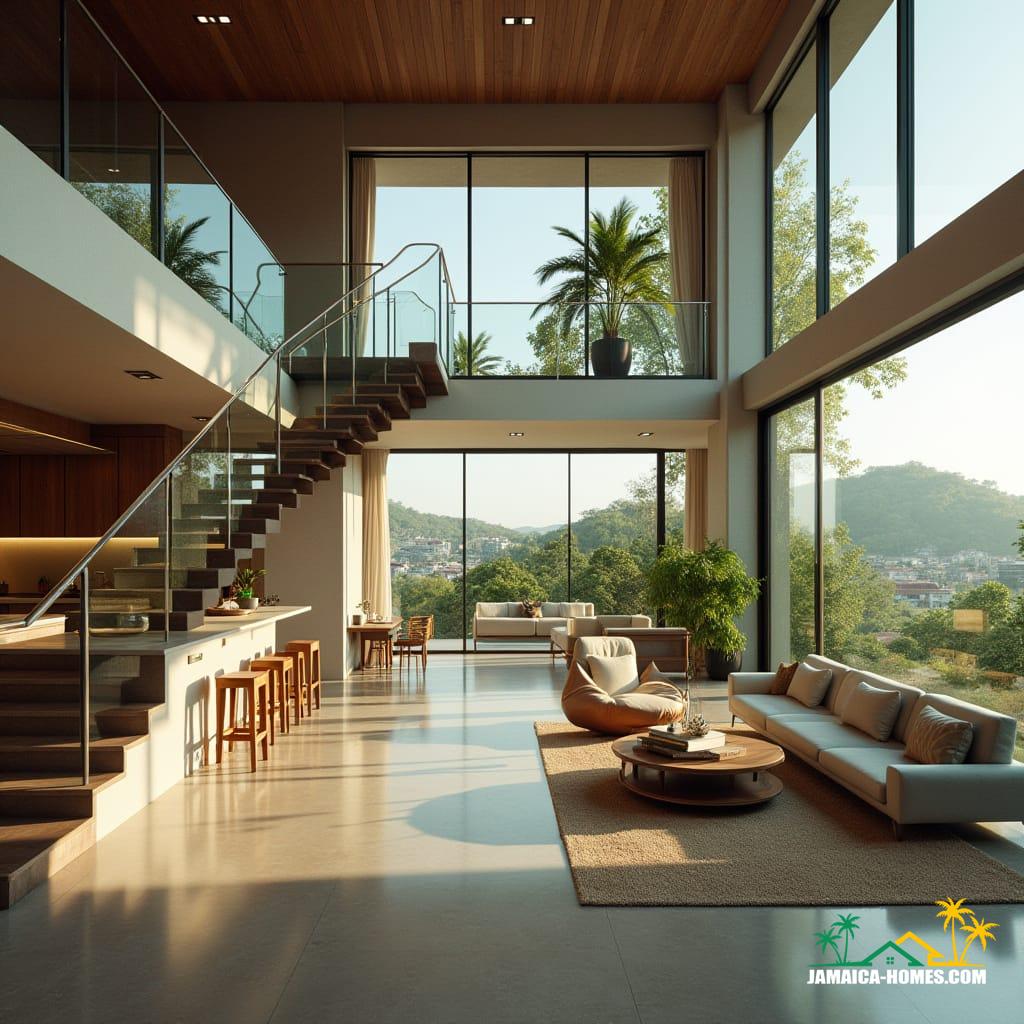
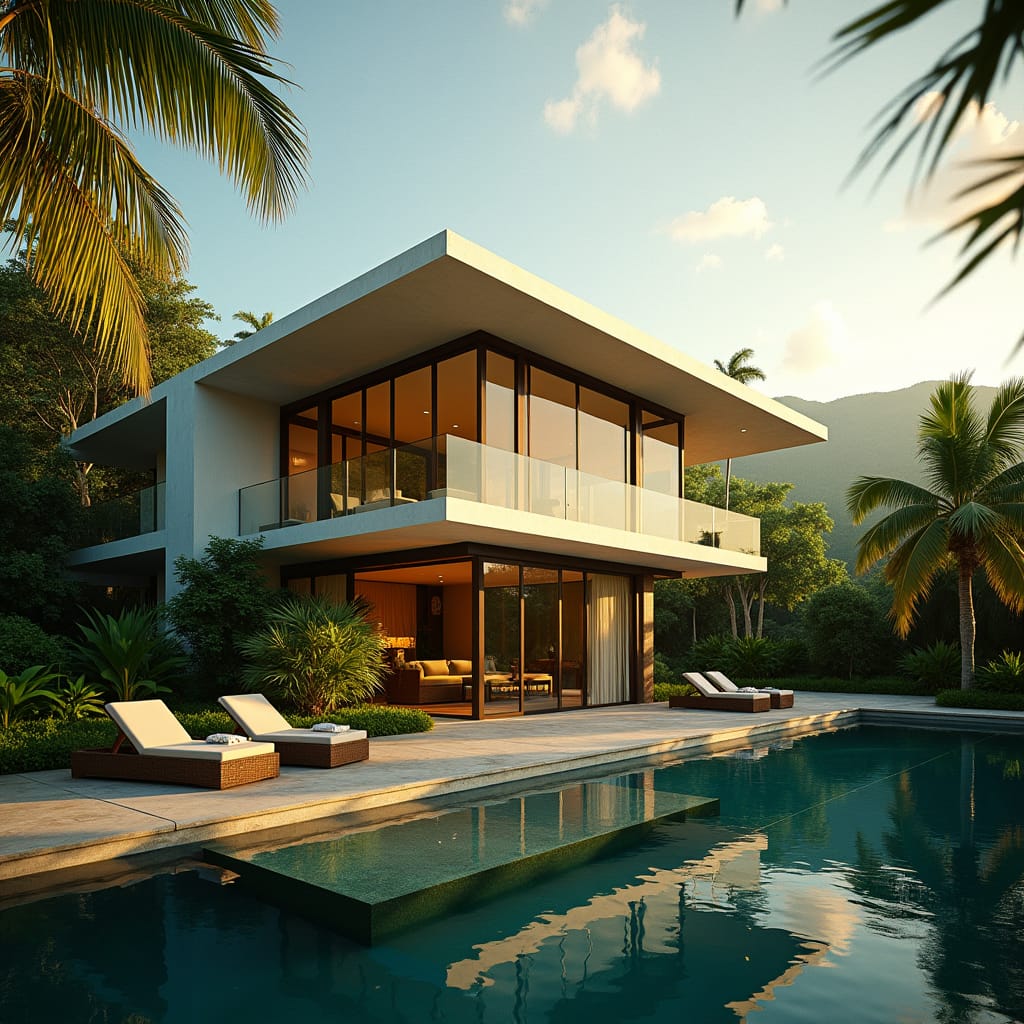
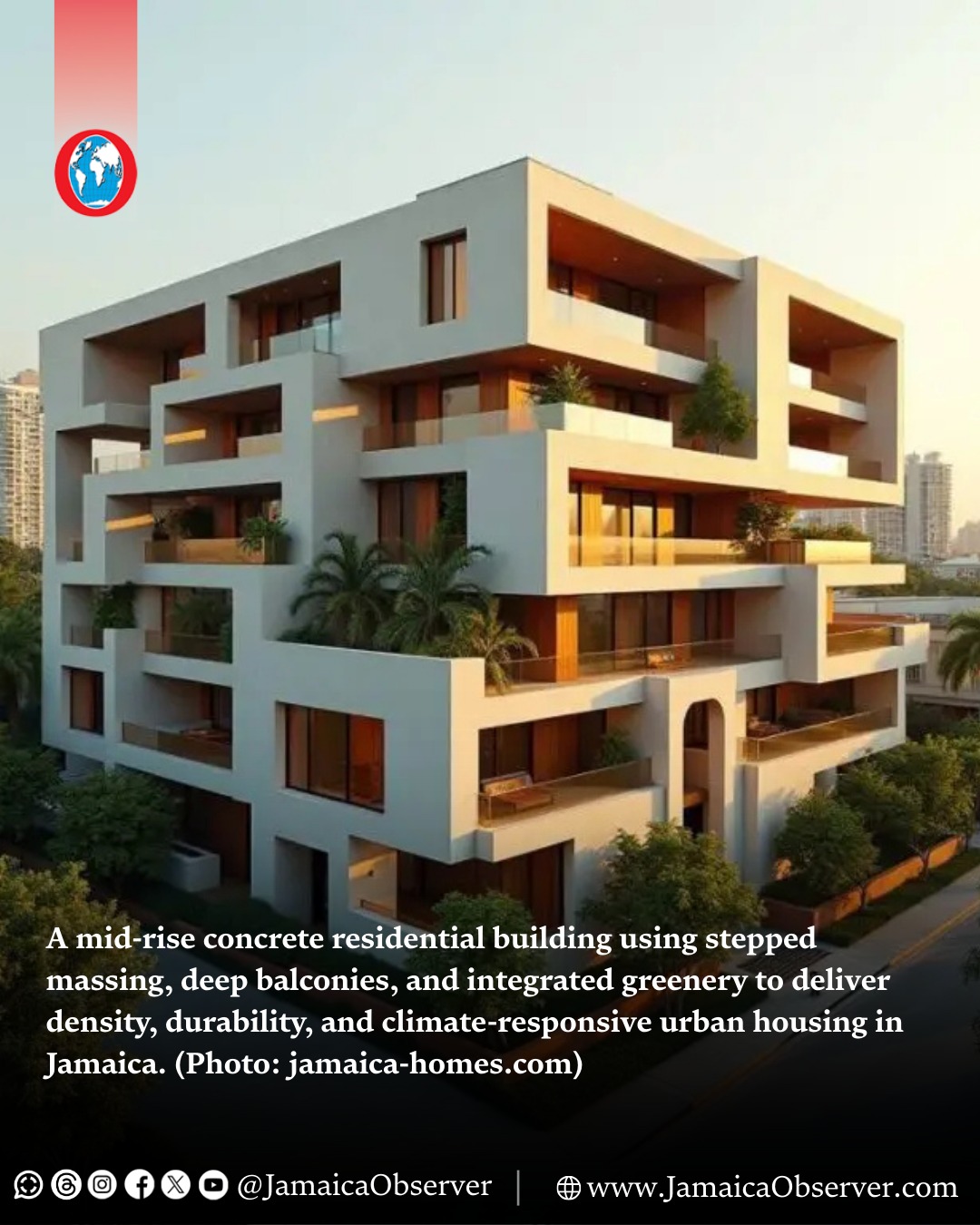
Here is a set of designs by Jamaica Homes articulating the future of architecture in Jamaica.
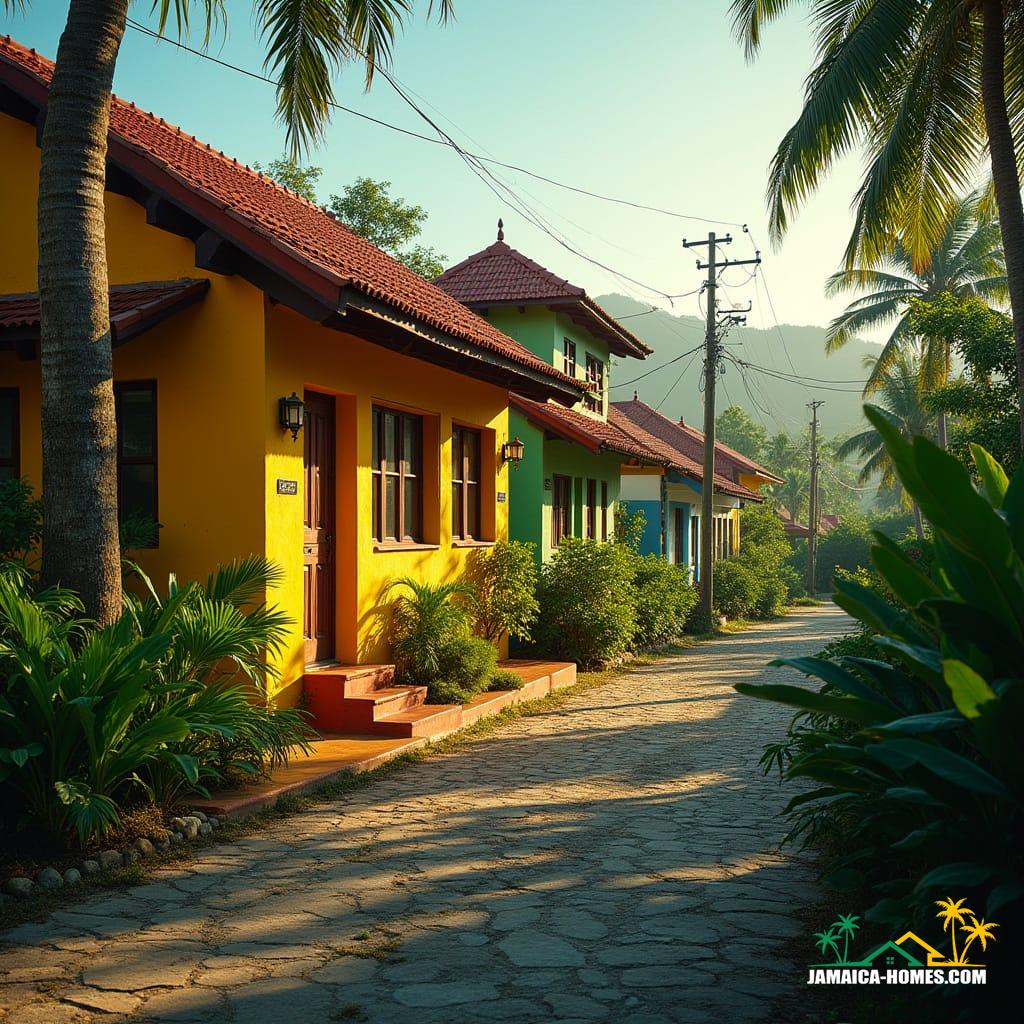
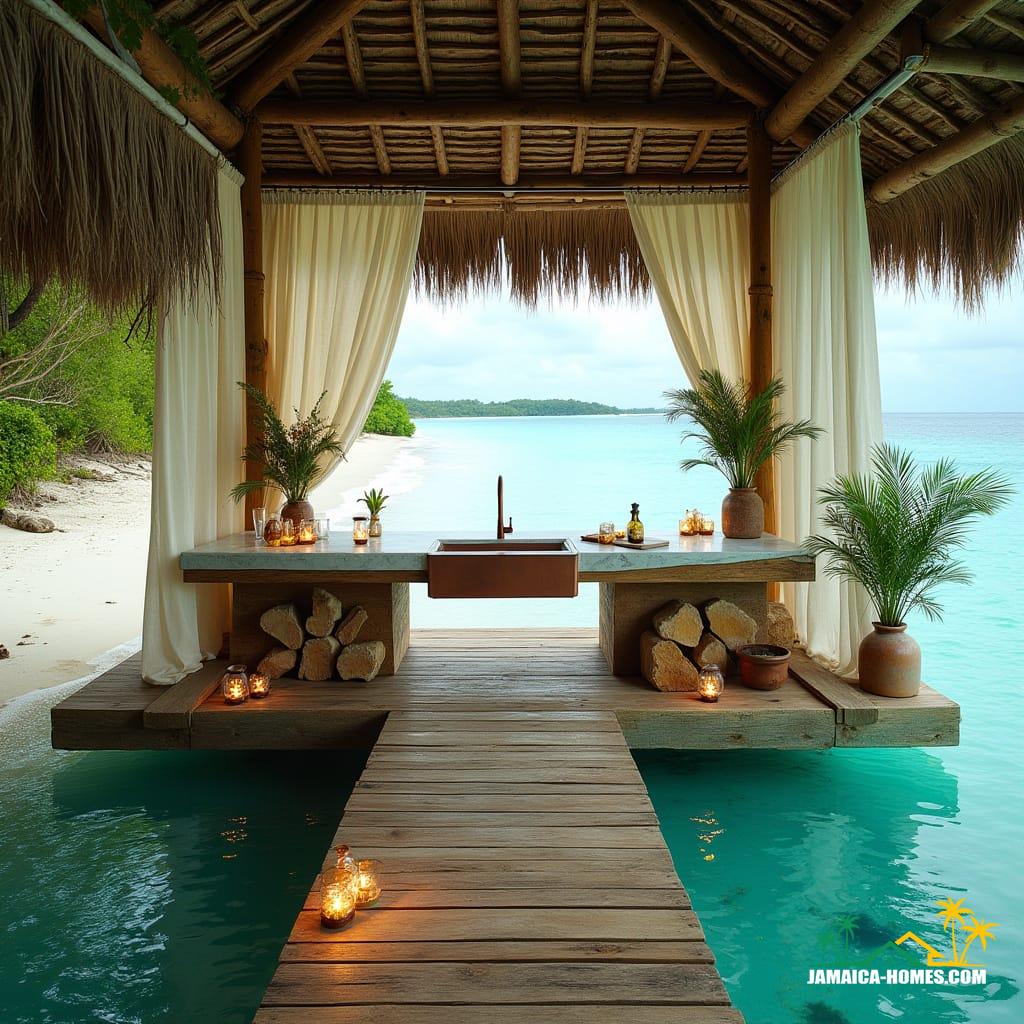
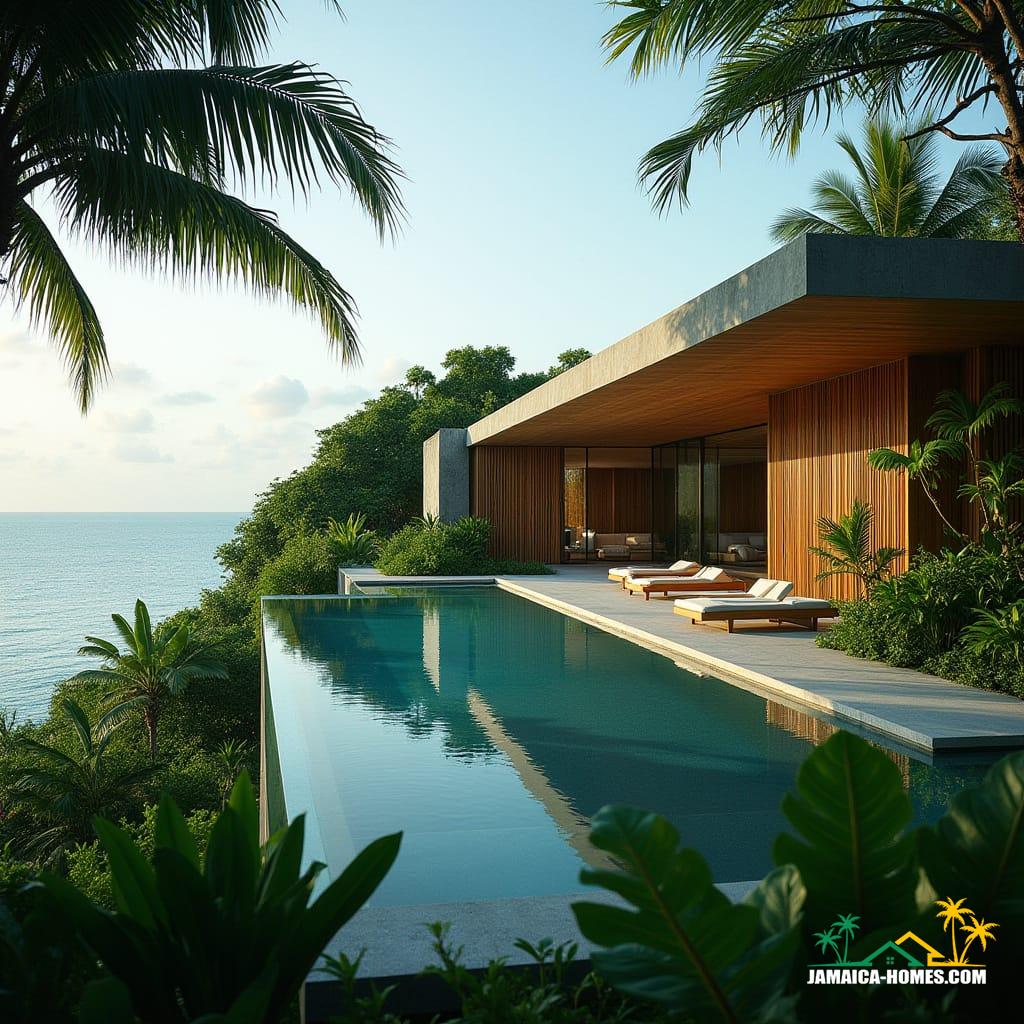
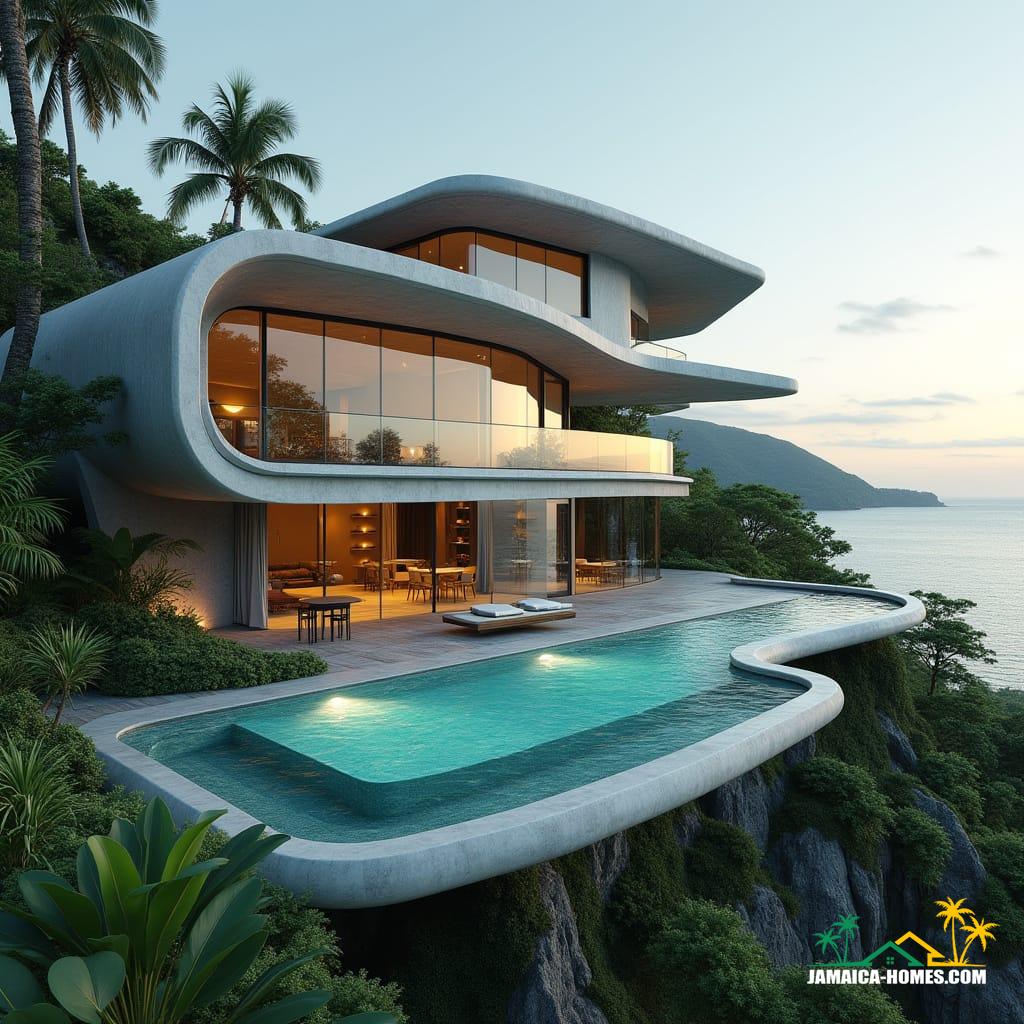
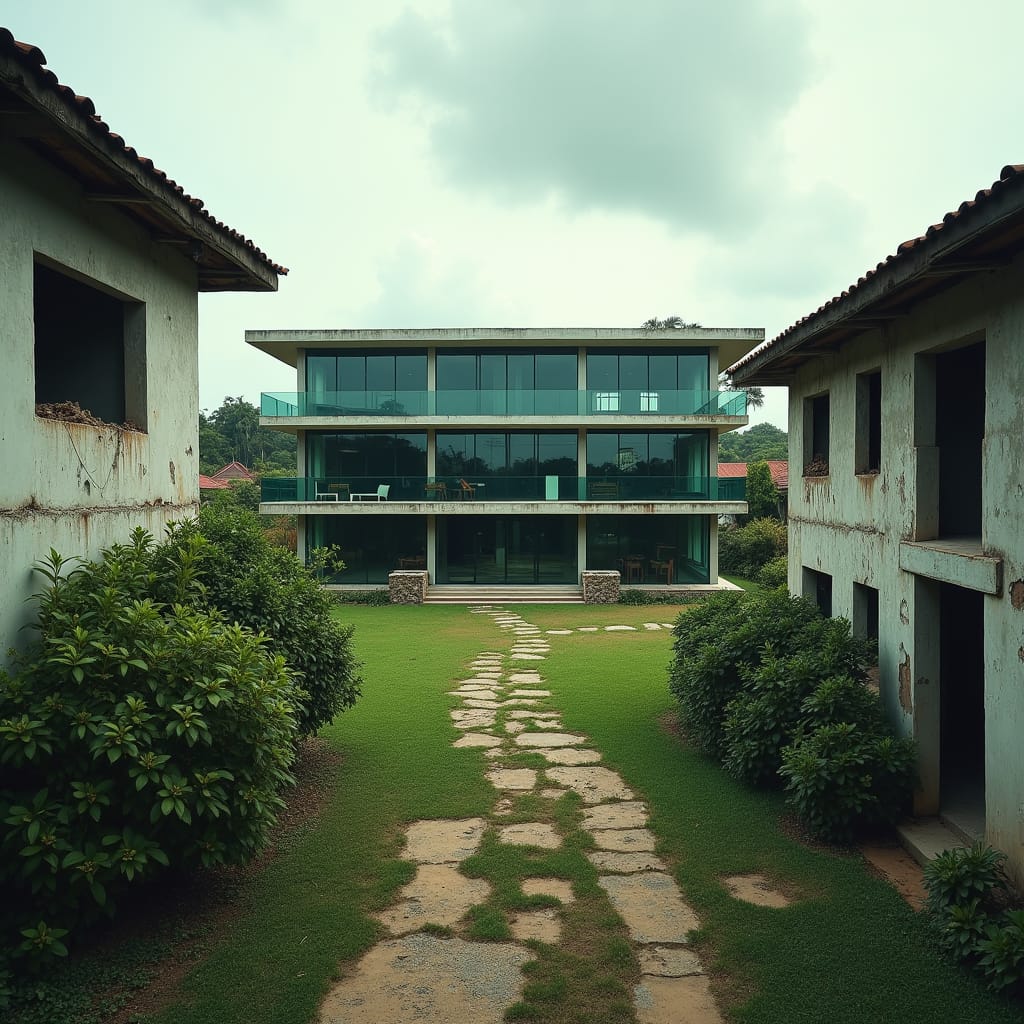
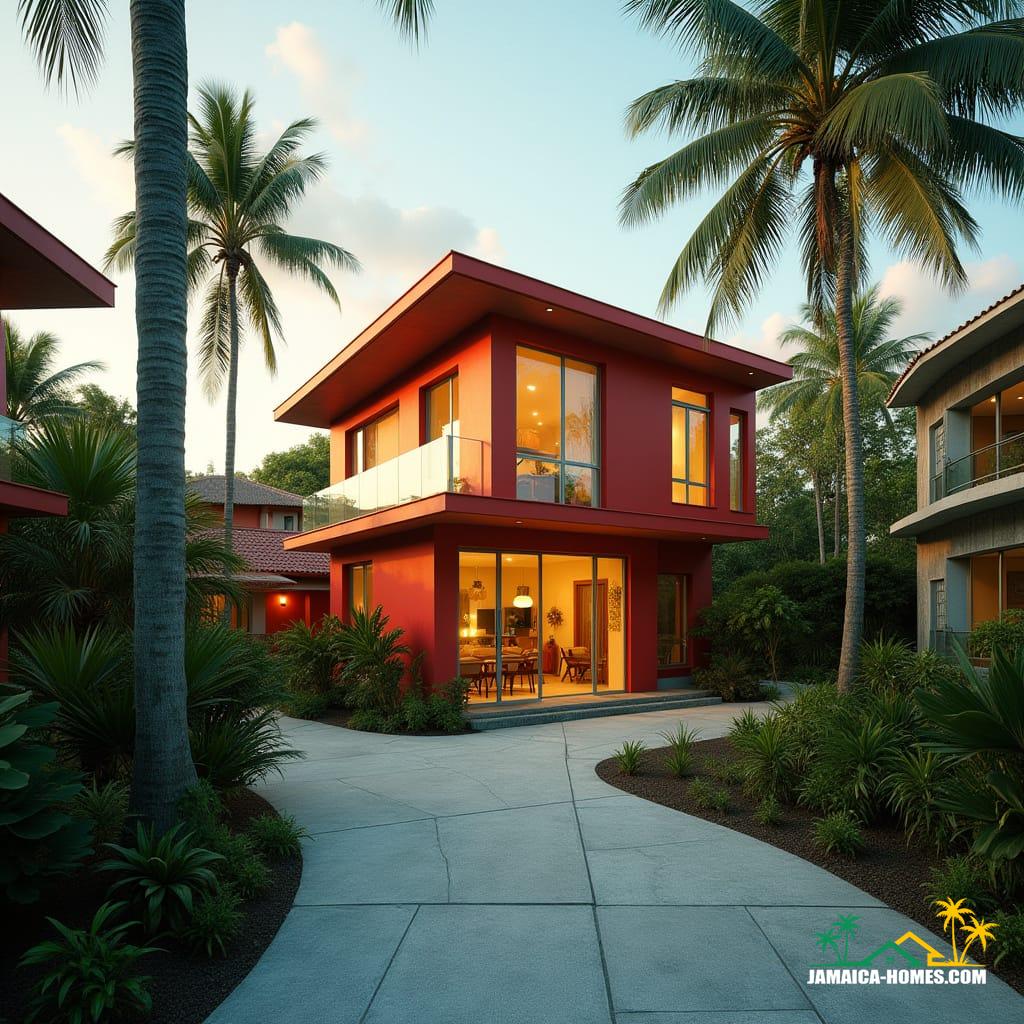
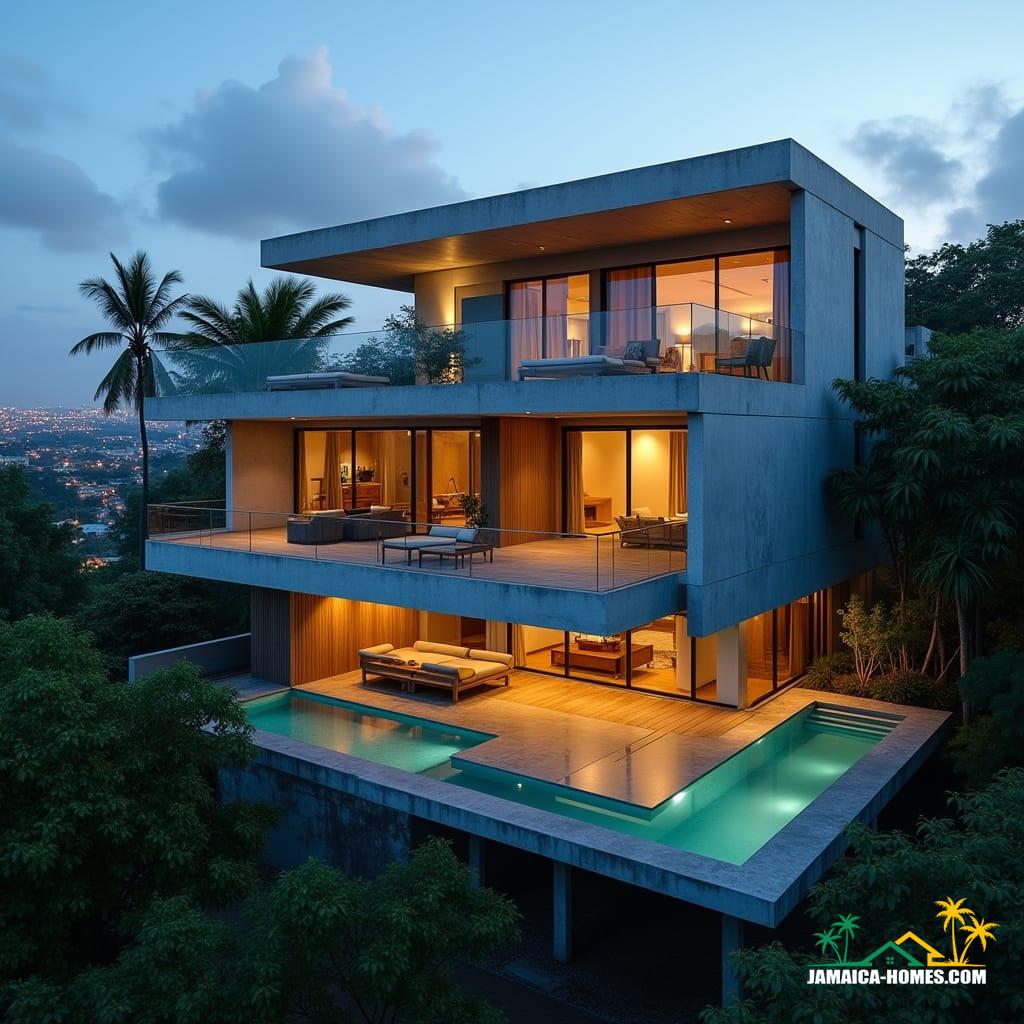
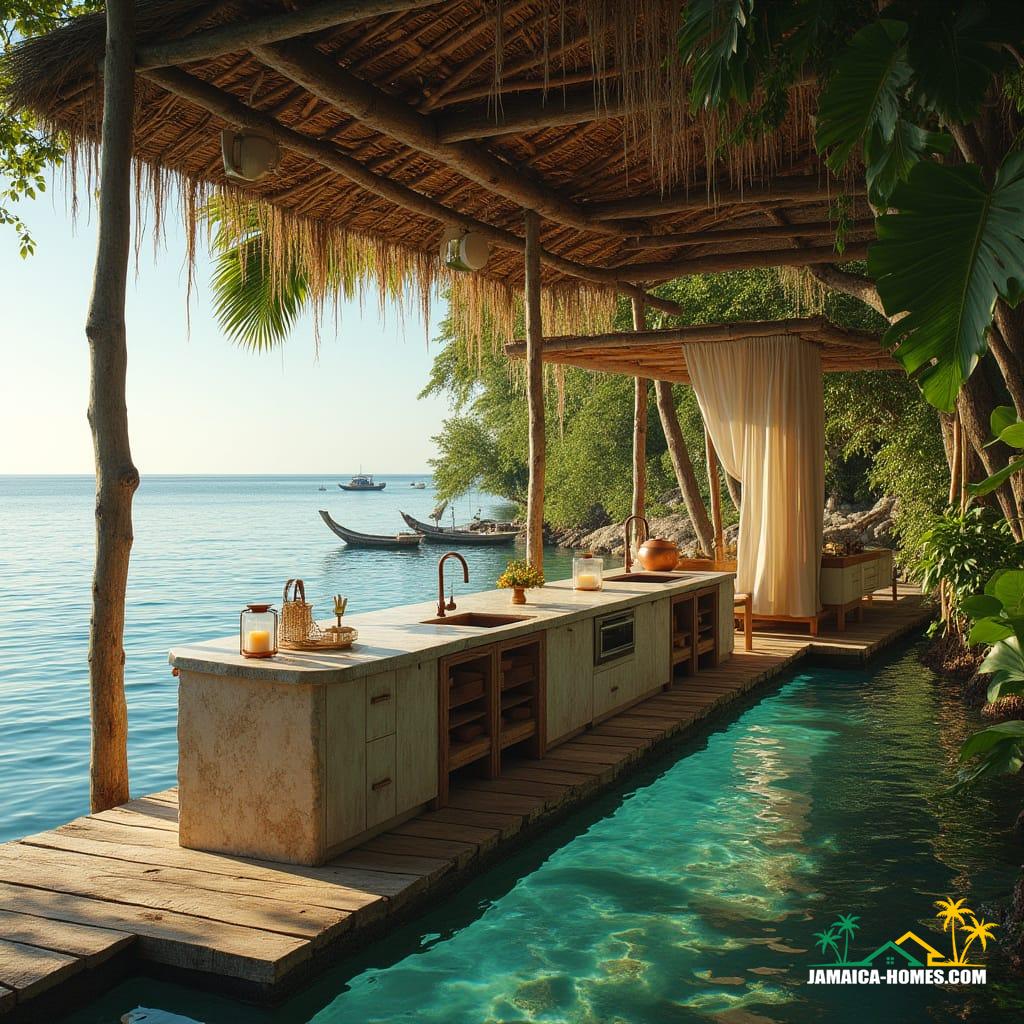
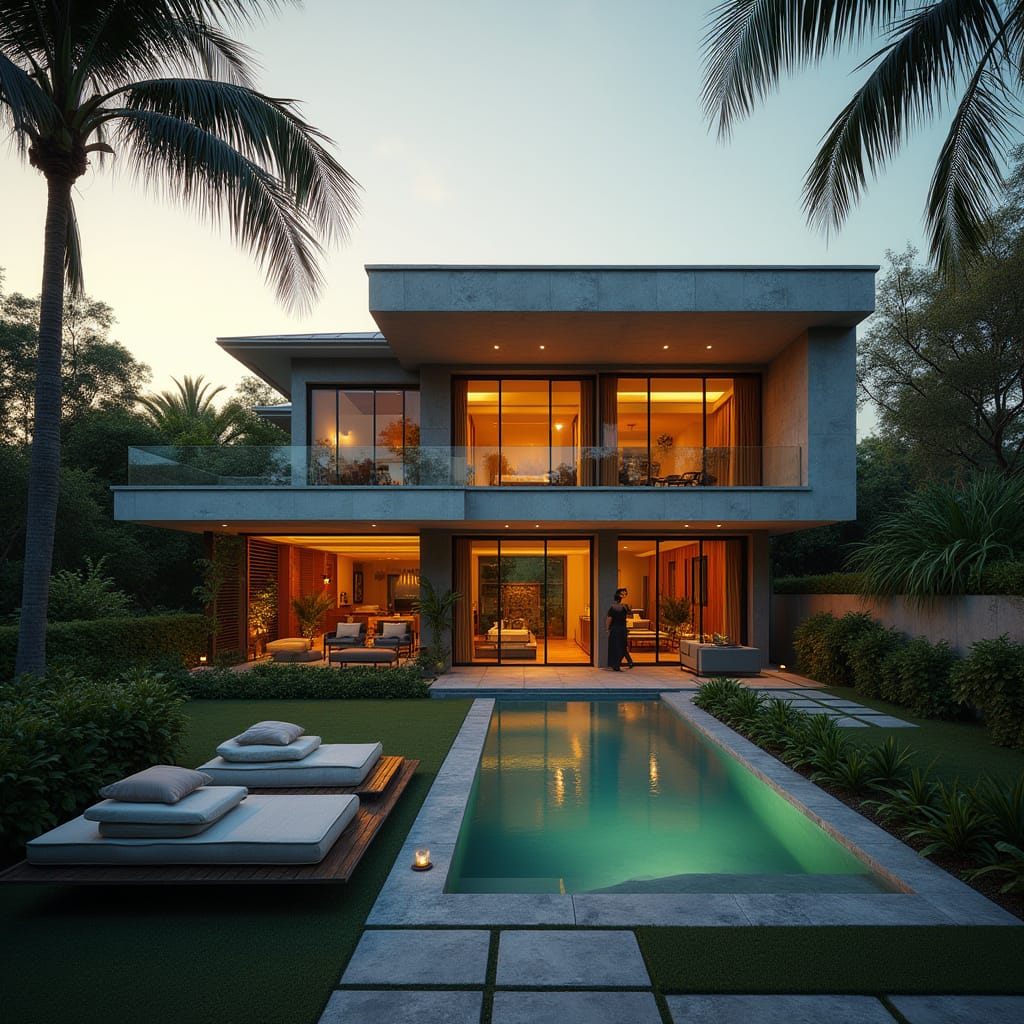
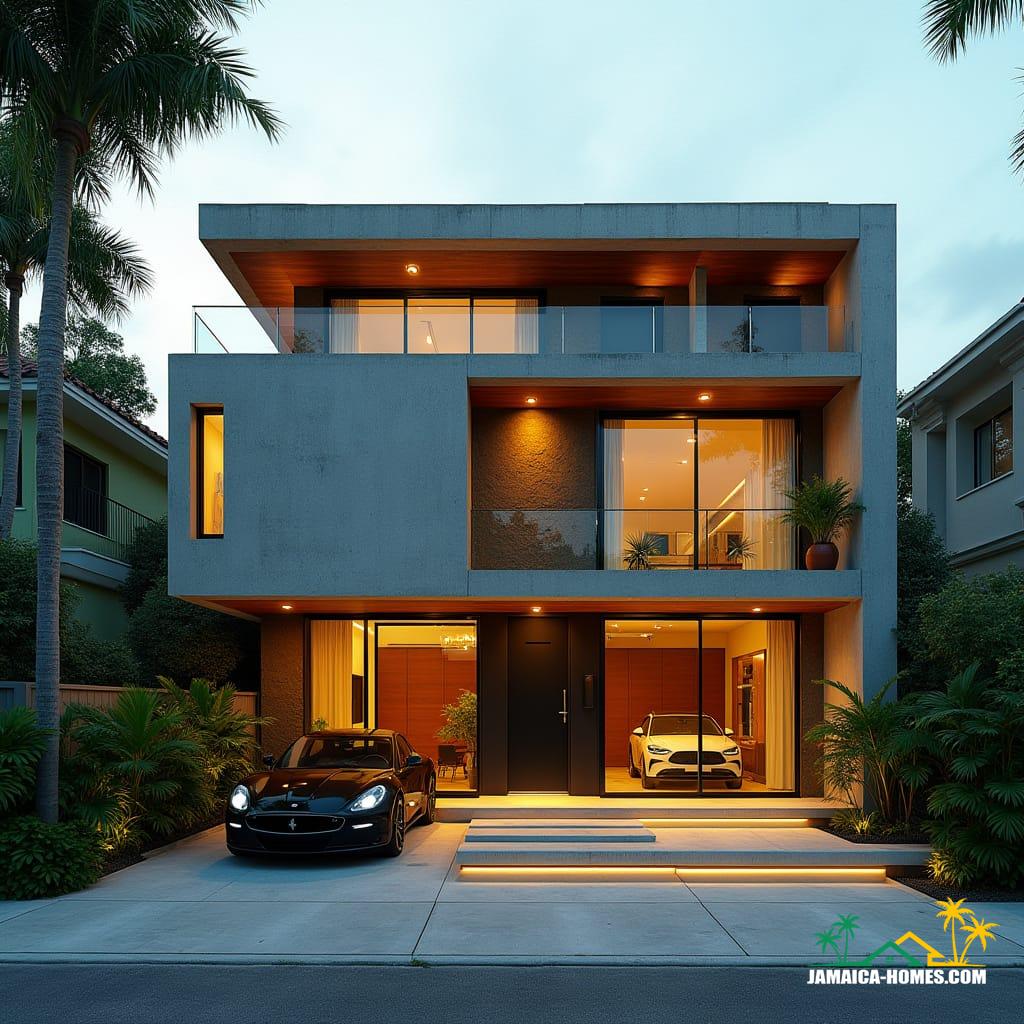
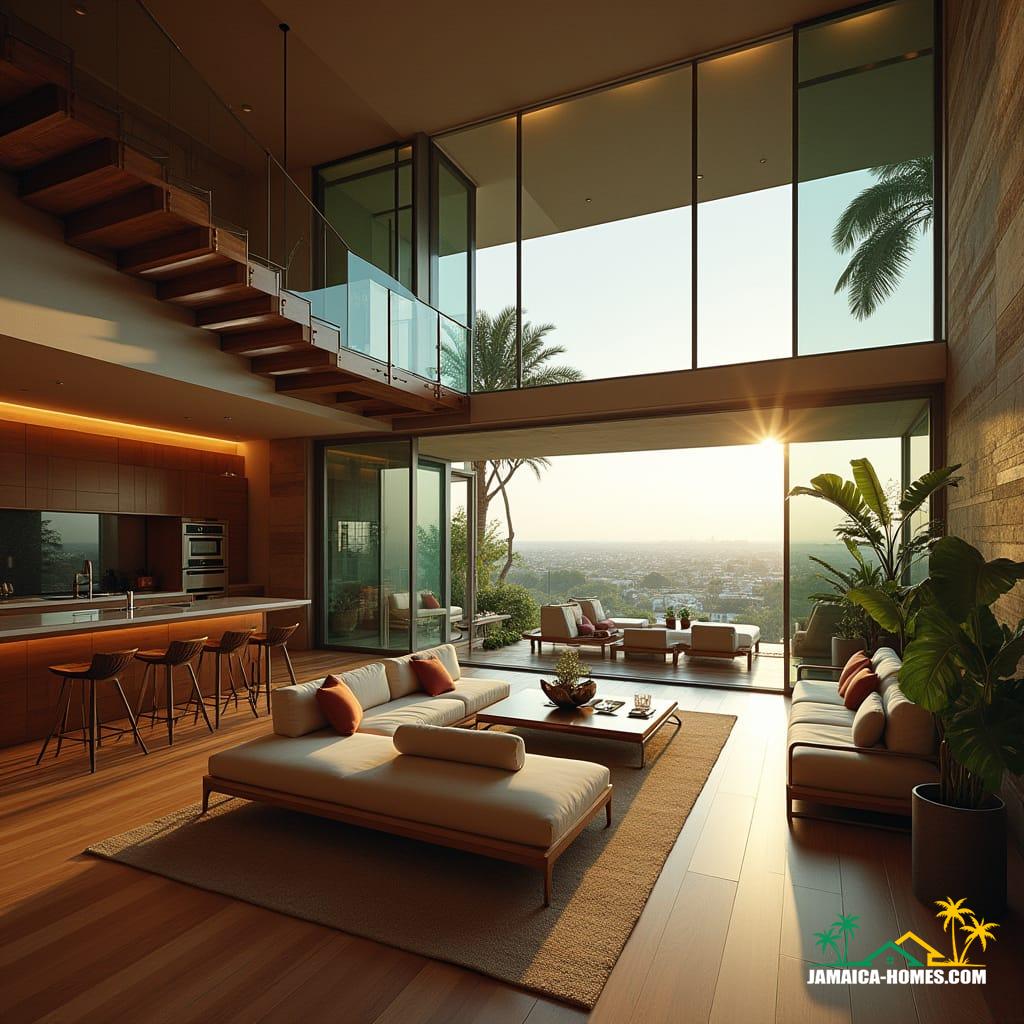
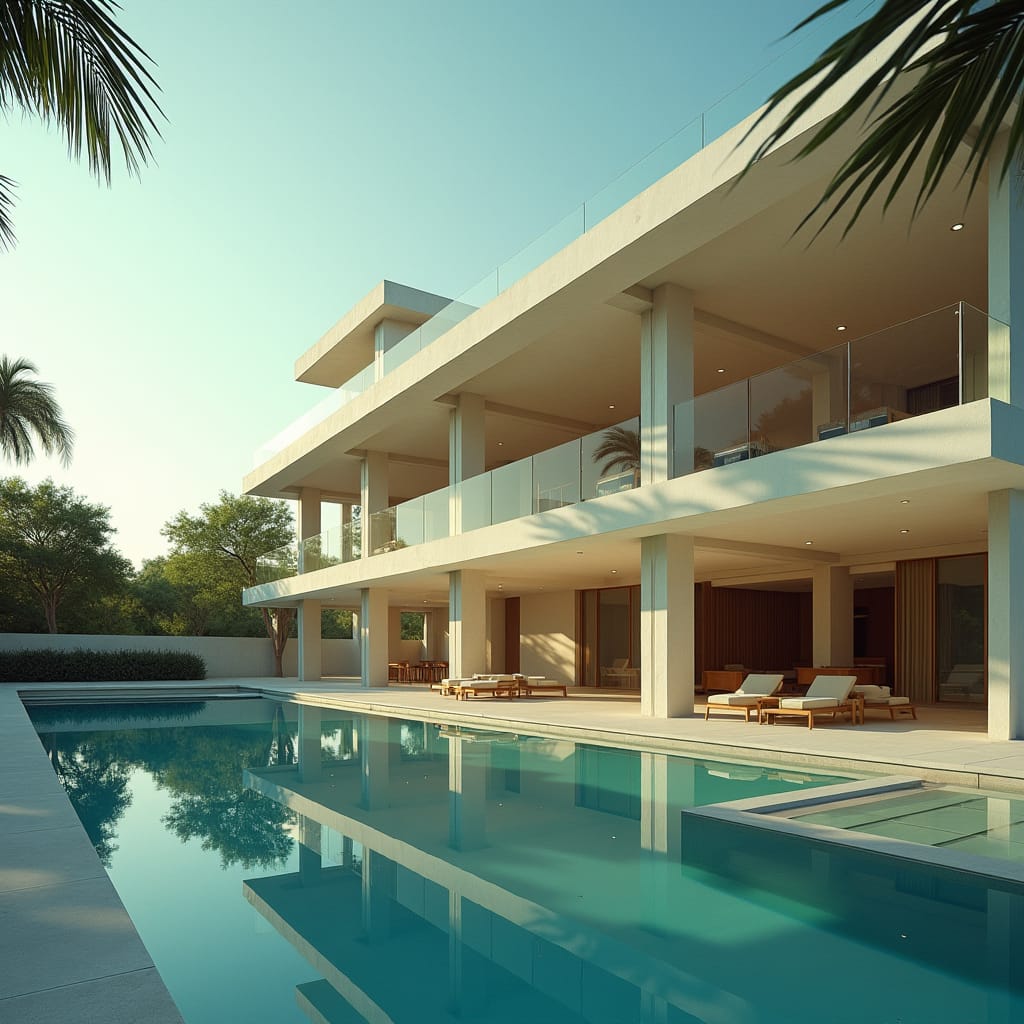
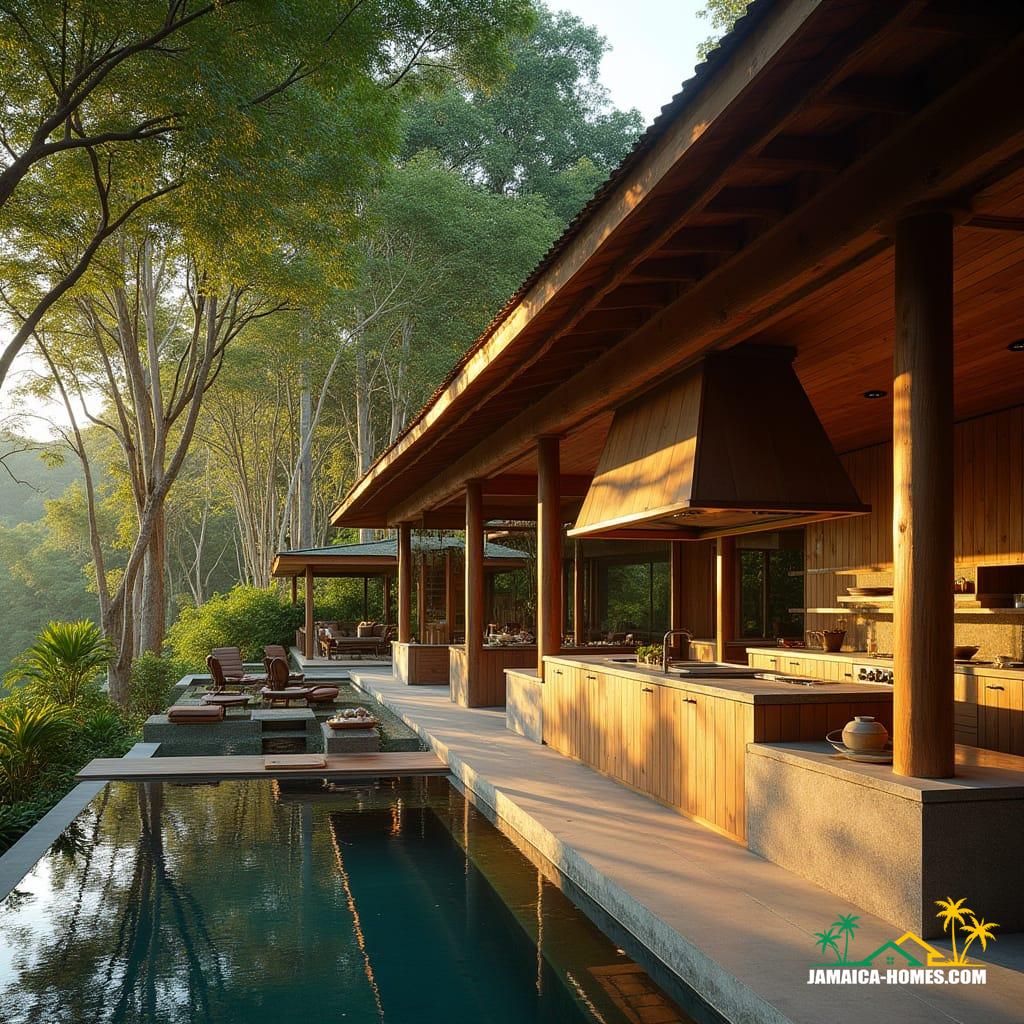
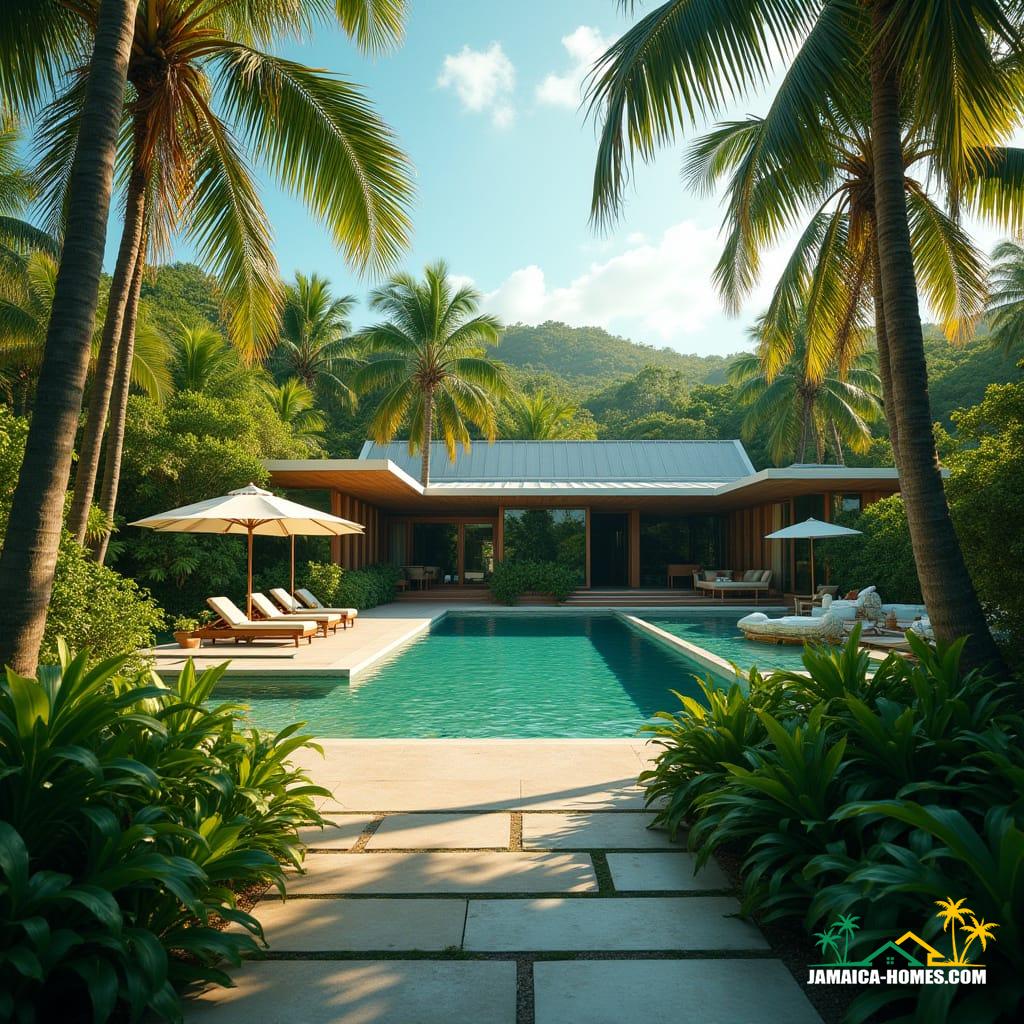
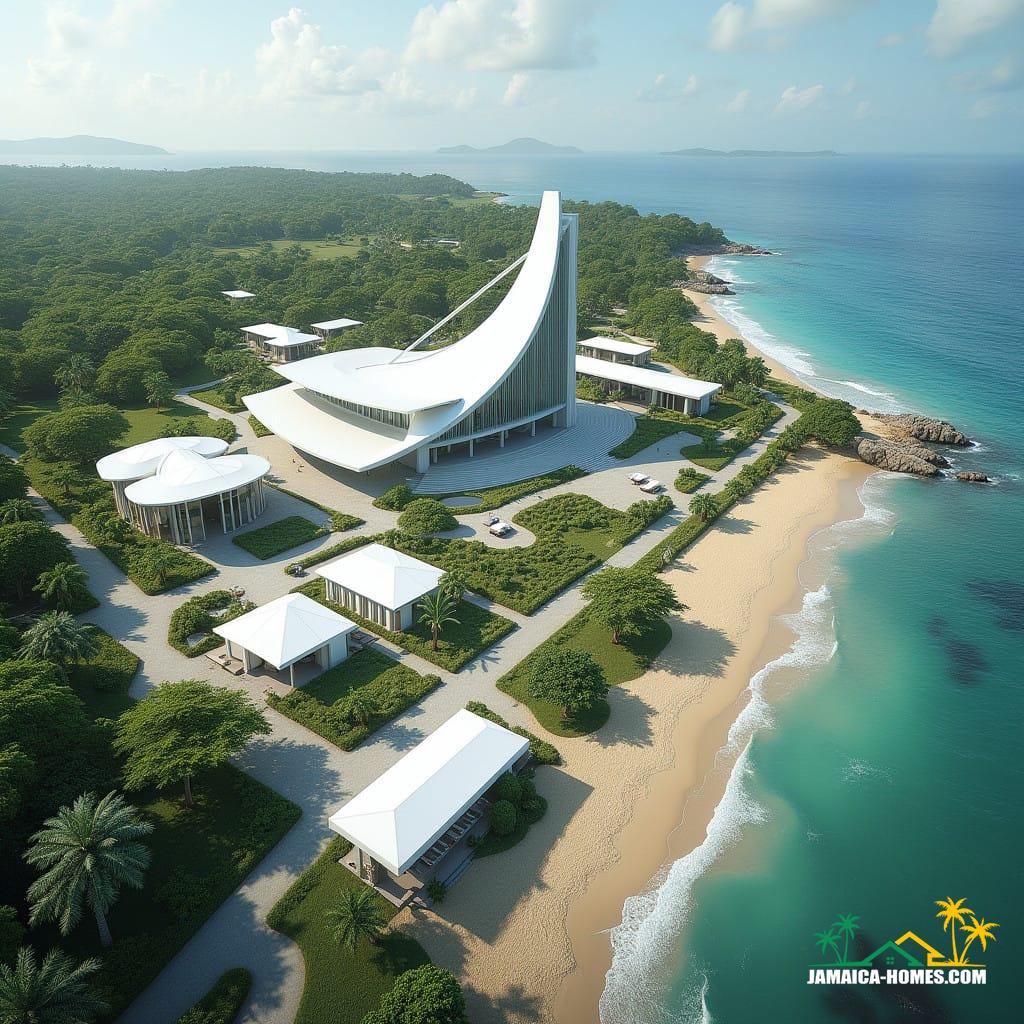
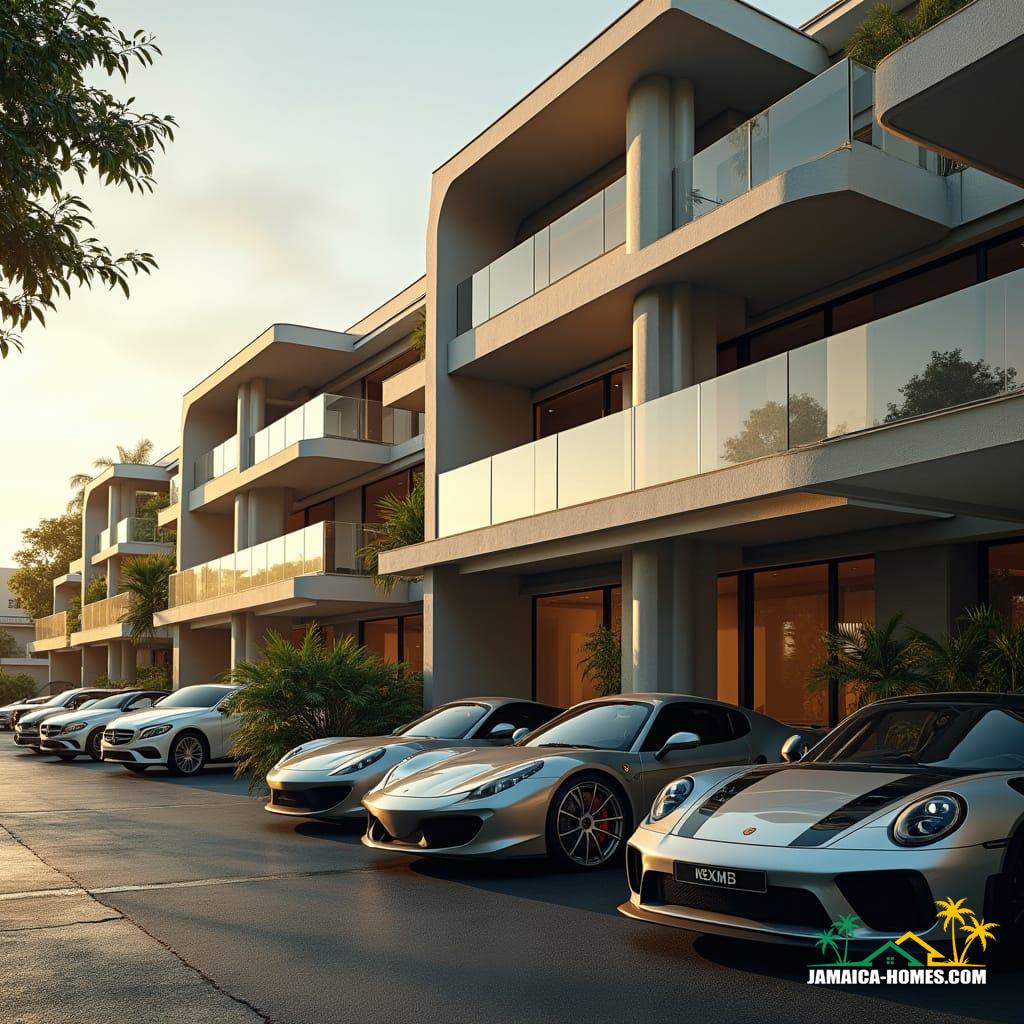
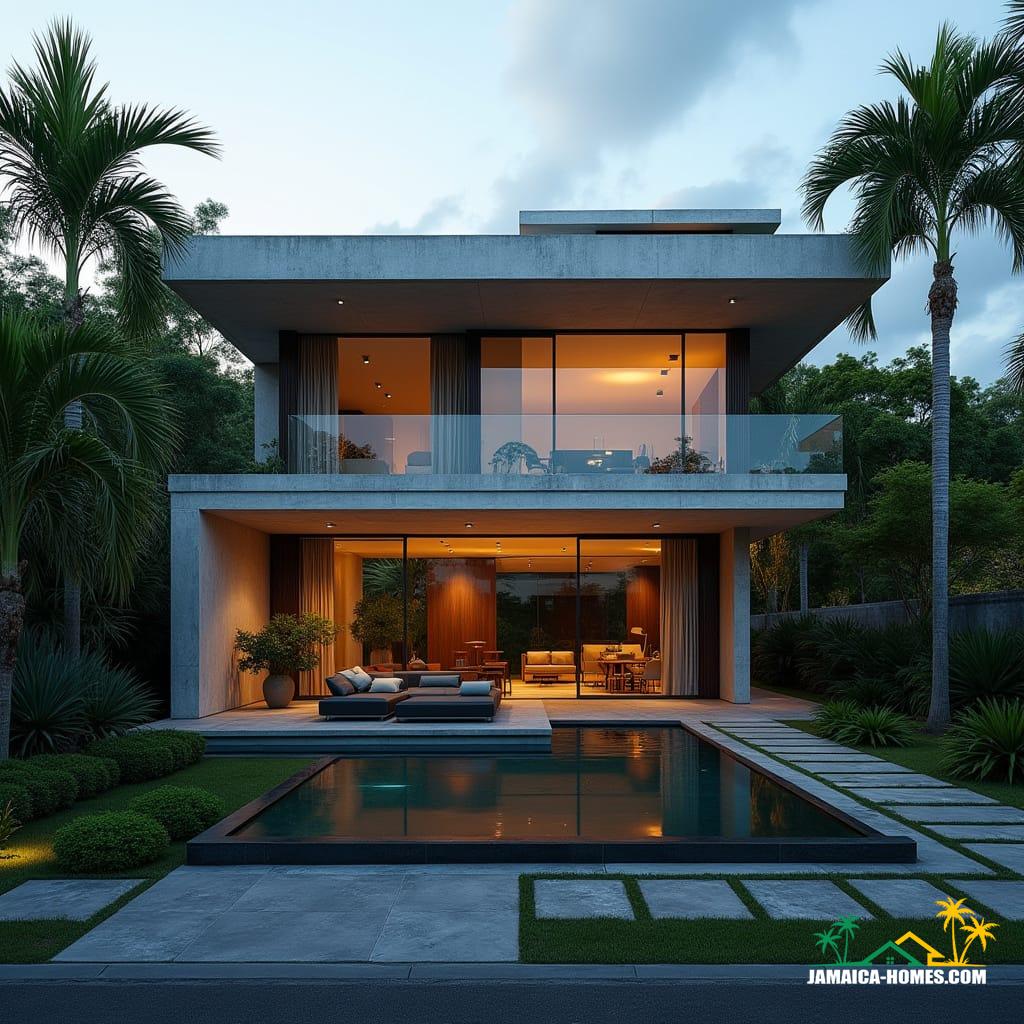
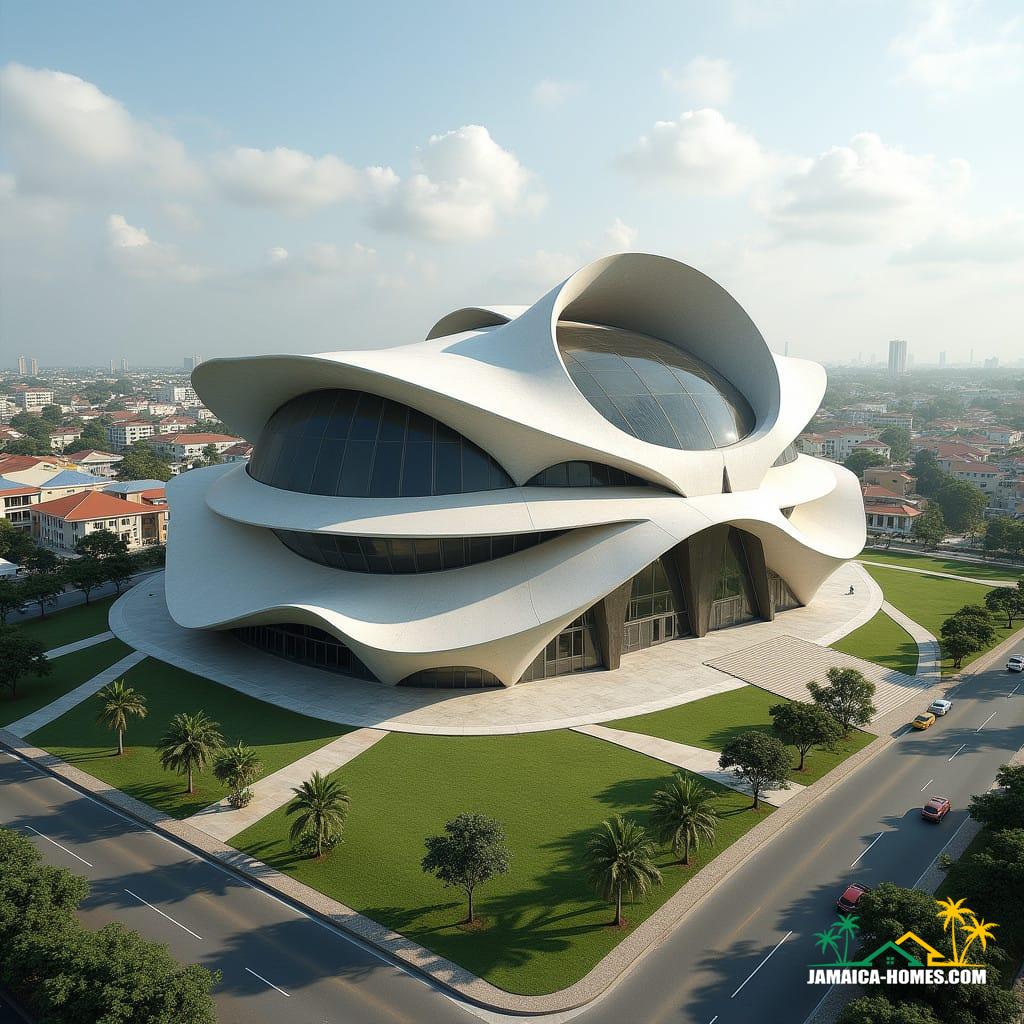
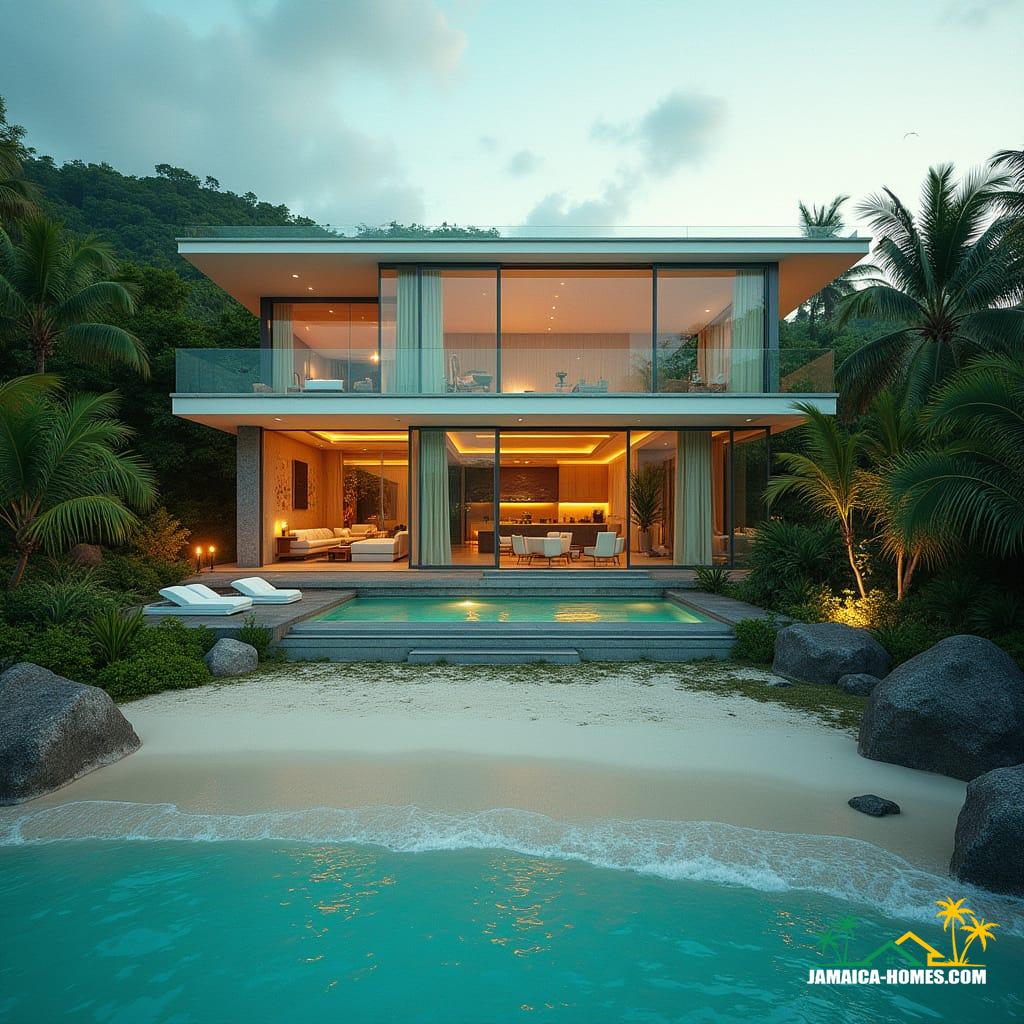
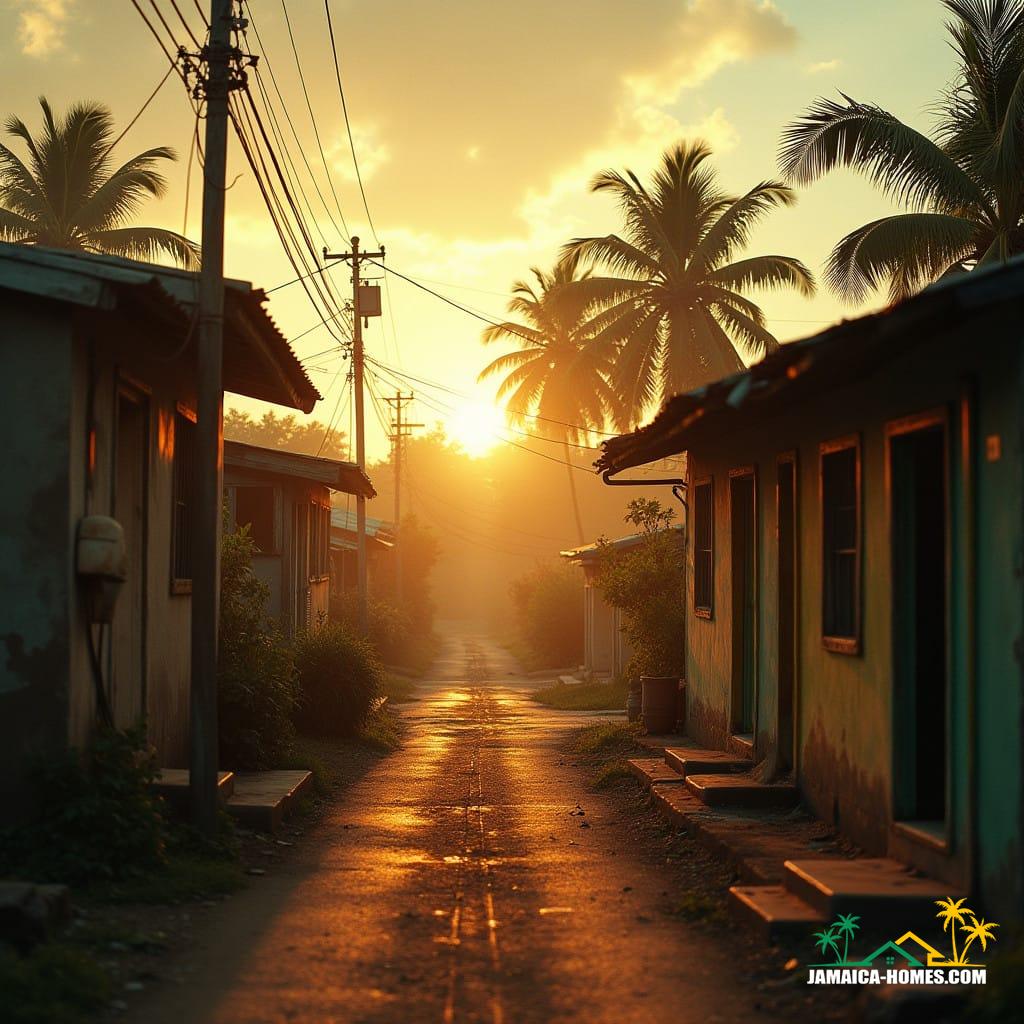
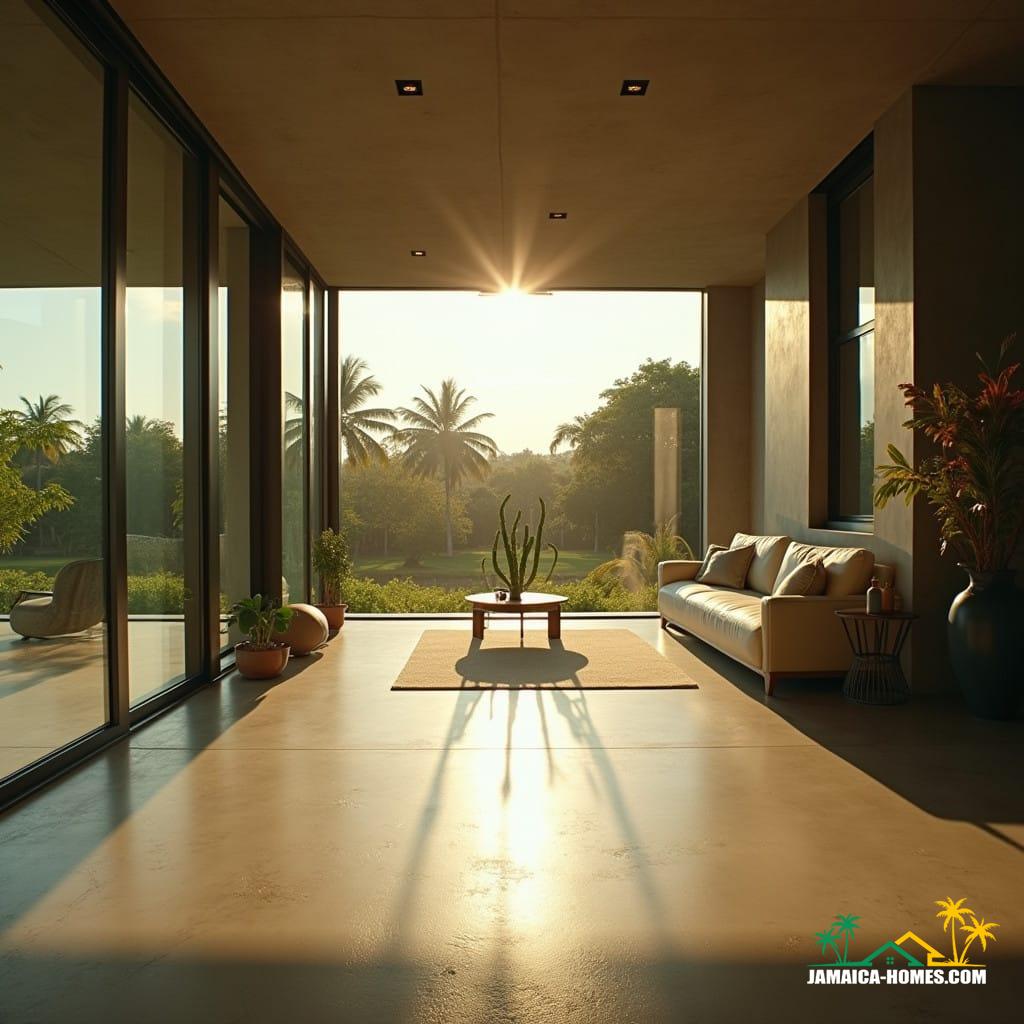
A tranquil modern home surrounded by lush, tropical plants, with a natural swimming pool at its center, showcasing a thriving ecosystem where aquatic plants and biological filters work in harmony to purify the water, in the style of Greg Miller’s cinematic landscapes, with the soft, warm light of a summer afternoon, reminiscent of a Terrence Malick film, and the vivid colors of a Christopher Doyle cinematographyA rustic Jamaican house with a classic gabled roof, set against a lush tropical backdrop, warm golden light casting long shadows across the facade, cinematic film grain and subtle vignette adding depth and atmosphereVibrant contemporary home in Kingston, JamaicaContemporary architectureA serene, driftwood-hewn floating kitchen, anchored in the crystalline turquoise waters of Ocho RiosVibrant contemporary home in Kingston, JamaicaA serene, driftwood-hewn floating kitchen, anchored in the crystalline turquoise waters of Ocho RiosVibrant contemporary home in Kingston, JamaicaA serene, driftwood-hewn floating kitchen, anchored in the crystalline turquoise waters of Ocho RiosA modern Jamaican estate nestled amidst lush tropical foliage, blending seamlessly into its surroundings through the incorporation of sustainable elements such as solar panels and vibrant green walls. The contemporary concrete structure is elevated by warm wooden accents, which add a touch of organic elegance to the space. Large glass windows, reminiscent of a cinematic film set, invite an abundance of natural light to pour in, highlighting the sleek lines and minimalist aesthetic of the interior. The open-concept living space effortlessly merges indoor and outdoor areas, creating a sense of fluidity and freedom. The pièce de résistance is the infinity pool, which appears to blend seamlessly into the turquoise ocean below, creating a breathtaking visual effect. Inspired by the works of architects such as Rick Joy and John Pawson, this luxurious abode is a masterclass in understated sophistication, infused with the warmth and character of a tropical paradise. Shot on a V-Raptor XL, the image exudes a cinematic quality, with a subtle film grain and vignette adding depth and nuance to the composition. Color graded to perfection, the post-processed image is a stunning representation of modern luxury, evoking the timeless elegance of a 35mm film still.A sleek, futuristic smart home rises from the lush Jamaican tropical landscape, its bold geometric structure a mesmerizing blend of curved and angular lines, evoking the futuristic aesthetic of Syd Mead, the avant-garde flair of Zaha Hadid, and the sleek minimalism of Tadao Ando. The residence’s exterior is a symphony of concrete, glass, and metallic finishes, with solar-powered smart glass windows that shimmer like polished obsidian, seamlessly integrating into the futuristic façade. A majestic floating infinity pool appears to defy gravity, its crystalline waters merging with the turquoise Caribbean Sea in the distance. The multi-level open floor plan is a marvel of modern design, with AI-controlled climate features and smart lighting that adapt to the rhythms of the tropical environment. Cinematic lighting casts dramatic shadows, accentuating the home’s futuristic contours, as if captured in a still from a sci-fi epic, shot on a V-Raptor XL camera, with a warm 35mm film grain, subtle vignette, and meticulously color-graded to evoke a sense of awe-inspiring wonder.Majestic 6-story modern house with a dramatic Parapet gable roof, elevated on slender columns, with a sparkling swimming pool shimmering beneath the structure, as if floating on water.Brutalist architecture.Vibrant contemporary home in Kingston, Jamaicareal estate villaA modern townhouse in Kingston, Jamaica, with a bold, futuristic facade featuring a striking mix of solid concrete, rich wood paneling, and sleek glass balconies, stands proudly amidst lush tropical landscaping. The grand entrance boasts a minimalist steel and glass door, accented by warm recessed lighting that casts a golden glow on the surrounding foliage. Large, protruding concrete windows add a touch of industrial chic, while luxury cars are parked in the driveway, exuding an air of sophistication. The vibrant atmosphere is palpable, capturing the essence of upscale urban living in Jamaica’s capital. Shot in a cinematic style reminiscent of Wes Anderson, with the gritty realism of Sebastião Salgado, and the vivid color palette of Gregory Crewdson, this image is a masterpiece of modern architecture and urban landscape photography. The film grain and vignette add a sense of nostalgia and depth, while the color grading and post-processing enhance the overall cinematic feel, evoking the grandeur of a 35mm film still, imbued with atmospheric lighting and a sense of drama.A majestic, modern mansion stands in stark contrast to its surroundings, situated in the midst of a Jamaican town, where crumbling, unfinished houses with exposed concrete blocks and overgrown bushes line the streets. The luxurious estate, with its sleek glass façade and impeccably manicured lawn, appears almost surreal, as if transported from a different world. The adjacent buildings, with their peeling paint, rusty rebar, and makeshift roofs, seem to lean in, as if to highlight the grandeur of the central residence. Cinematic film still, shot on high-end digital cinema camera, with deliberate film grain, subtle vignette, and meticulous color grading, evoking the warmth and texture of 35mm filmA sleek, minimalist modern townhouse in the heart of Kingston, Jamaica, with a flat concrete roof, solid concrete structure, and protruding windows, set against a vibrant cityscape of lush greenery, palm trees, and twinkling city lights. Large glass balconies and floor-to-ceiling windows reflect the warm glow of evening lighting, while a rooftop infinity pool and deck offer a tranquil oasis amidst the urban bustle. The exterior’s smooth concrete, wooden, and glass elements blend seamlessly, evoking the works of architects like Tadao Ando and Kengo Kuma, with a touch of tropical modernism reminiscent of Albert Frey’s desert designs. Shot on a v-raptor XL, the image exudes a cinematic quality, with a 35mm film aesthetic, subtle film grain, and a vignette that draws the viewer’s eye to the heart of the scene. Color graded to enhance the drama of the evening light, with deep blues and warm golden tones, this atmospheric masterpiece is a testament to the beauty of modern architecture, infused with the epic and stunning qualities of a cinematic film still.A serene, driftwood-hewn floating kitchen, anchored in the crystalline turquoise waters of Ocho Rios, Jamaica, connected to the pristine white sandy beach by a weathered wooden bridge, adorned with lush tropical flowers and lanterns. The open-air kitchen, crafted from natural materials – polished driftwood, bamboo, and coral stone – blends harmoniously with the tropical environment, featuring a central island carved from raw marble, topped with a live-edge wooden countertop, housing a sleek induction cooktop and copper farmhouse sink. Transparent glass flooring reveals schools of vibrant fish swimming below, while flowing linen curtains sway in the gentle ocean breeze. Solar-powered lanterns and soft ambient lighting create a warm, golden glow at sunset, reminiscent of a Werner Herzog film, shot on 35mm film with a v-raptor XL camera, incorporating film grain, vignette, and color grading, with a cinematic lighting aesthetic, evoking the dreamy, ethereal quality of a Terrence Malick film, infused with the atmospheric, mystical essence of a Hayao Miyazaki animation, resulting in a breathtaking, cinematic masterpiece.A luxurious townhouse living area in Kingston, Jamaica, seamlessly merging modern sophistication with tropical flair, as seen in the works of Piet Boon, with his emphasis on clean lines, and Axel Vervoordt, who masterfully blends elegance with natural materials, and the cinematic sensibilities of Roger Deakins. High ceilings, floor-to-ceiling glass windows, and a sleek, floating staircase ascend to the upper floors, while the space is tastefully appointed with a neutral color palette, rich wooden textures, and warm, soft lighting, reminiscent of a warm Caribbean breeze. The kitchen features a sophisticated island with bar seating, crafted from beautiful, dark hardwood, while the living room opens onto a spacious, glass balcony, offering a breathtaking view of the vibrant cityscape. Smart home systems and automated lighting, subtly integrated into the design, further enhance the high-end ambiance, as if captured by the lens of a v-raptor XL camera, with a hint of film grain, a touch of vignette, and a color palette that is at once cinematic, warm, and inviting, evoking the feeling of a masterpiece, shot on 35mm film, with live-action depth, and an atmosphere that is nothing short of epic, stunning, and dramatic.Vibrant contemporary home in Kingston, JamaicaA luxurious townhouse living area in Kingston, Jamaica, seamlessly merging modern sophistication with tropical flair, as if plucked from a cinematic dreamscape. High ceilings and floor-to-ceiling glass windows infused with a warm, golden light, evoke the elegance of a Richard Neutra design. The floating staircase, crafted from rich, dark wood, appears to defy gravity, reminiscent of the innovative architecture of Zaha Hadid. The neutral color palette, punctuated by wooden textures and soft, ambient lighting, echoes the refined aesthetic of interior designer, Kelly Wearstler. The sleek kitchen island, with its polished surface and bar seating, seems to have been inspired by the futuristic visions of Syd Mead. As the living room flows onto the glass balcony, the vibrant cityscape unfolds like a masterpiece, evoking the atmospheric, cinematic quality of a Roger Deakins film still. The image is bathed in a warm, golden glow, with subtle film grain and a delicate vignette, as if shot on a v-raptor XL, with meticulous color grading and post-processing to evoke the epic, stunning, and dramatic qualities of a 35mm film.Majestic 6-story modern house with a dramatic Parapet gable roof, elevated on slender columns, with a sparkling swimming pool shimmering beneath the structure, as if floating on water.An ultra-luxurious outdoor kitchen, crafted from rich teak and mahogany, seamlessly integrated into a multimillion-pound off-the-grid wooden estate, nestled in the lush green mountains of JamaicaA sprawling modern church campus situated on the pristine shores of a Jamaican beach, blending contemporary design with the natural beauty of the Caribbean. The campus features sleek, minimalist buildings made of white concrete and glass, with open-air spaces that invite the ocean breeze and natural light. The central church building boasts a dynamic, wave-inspired roofline and a towering glass façade that reflects the turquoise waters and golden sands. Surrounding the main sanctuary are smaller pavilions and community spaces, including a prayer garden, an amphitheater for outdoor worship, classrooms for youth programs, and a cultural center celebrating Jamaican heritage. Pathways wind through lush tropical landscaping, connecting the buildings while preserving the serene, coastal ambiance. The campus design emphasizes harmony with nature, with solar panels, rainwater harvesting systems, and elevated walkways to protect the beach’s ecosystem. At its heart, the church campus serves as a hub for worship, education, and community, offering a peaceful retreat infused with the vibrant spirit of Jamaica.Eclipse ManorA sprawling modern church campus situated on the pristine shores of a Jamaican beach, blending contemporary design with the natural beauty of the Caribbean. The campus features sleek, minimalist buildings made of white concrete and glass, with open-air spaces that invite the ocean breeze and natural light. The central church building boasts a dynamic, wave-inspired roofline and a towering glass façade that reflects the turquoise waters and golden sands. Surrounding the main sanctuary are smaller pavilions and community spaces, including a prayer garden, an amphitheater for outdoor worship, classrooms for youth programs, and a cultural center celebrating Jamaican heritage. Pathways wind through lush tropical landscaping, connecting the buildings while preserving the serene, coastal ambiance. The campus design emphasizes harmony with nature, with solar panels, rainwater harvesting systems, and elevated walkways to protect the beach’s ecosystem. At its heart, the church campus serves as a hub for worship, education, and community, offering a peaceful retreat infused with the vibrant spirit of Jamaica.A sleek, modern townhouse in the heart of Kingston, Jamaica, featuring a minimalist design with a flat concrete roof, solid concrete structure, and protruding windows, blending urban luxury with tropical aesthetics. Large glass balconies and floor-to-ceiling windows seem to hover above the lush greenery and palm trees, while a rooftop infinity pool with a deck offers a tranquil oasis amidst the vibrant city lights. As evening falls, cinematic lighting accentuates the elegance of the design, with warm hues dancing across the smooth concrete, wooden, and glass elements. Inspired by the works of architects like Tadao Ando, John Pawson, and Glenn Murcutt, this masterpiece embodies a cinematic film still aesthetic, with subtle film grain, vignette, and color grading reminiscent of a 35mm film shot on a v-raptor XL, evoking an atmospheric, epic, and dramatic mood.A sleek, modern Jamaican glass home with four luxurious swimming pools, set amidst lush tropical surroundingsA majestic, modern Jamaican villa, nestled amidst lush tropical foliage, blending sleek concrete lines with warm, rich wooden accents, evoking a sense of organic luxury. Floor-to-ceiling glass windows, framed by slender steel mullions, dissolve the boundaries between indoors and outdoors, bathing the expansive, open-concept living space in soft, natural light. The pièce de résistance: an infinity pool, seemingly spilling into the turquoise ocean below, its crystal waters reflecting the vibrant hues of the sky. Sustainable design elements, including solar panels and lush green walls, harmonize with the natural surroundings, creating a serene, eco-friendly oasis. Captured as a cinematic film still, shot on a v-raptor XL camera, with a subtle film grain, delicate vignette, and meticulous color grading, the image exudes a sense of drama and atmosphere, reminiscent of a 35mm film masterpiece, with live-action authenticity and post-processed finesse, showcasing the majesty of this tropical haven.A visionary, multi-level church in the heart of Kingston, Jamaica, blending innovative architecture with round, flowing features. The church’s design is inspired by curves and smooth lines, with large rounded windows and domed ceilings that create a sense of openness and harmony. The top level of the church is crowned with a robust concrete structure, lending a sense of strength and modernity to the design. To the side, seamlessly integrated into the church complex, is a vibrant stadium, school, and shops, creating a dynamic community space that blends faith, education, sport, and commerce. The church’s placement within Kingston’s cityscape highlights its connection to the urban energy, offering a serene space for reflection while actively contributing to the surrounding area. The smooth concrete contrasts with the organic, round shapes of the church, while the entire development offers a mix of functional and spiritual spaces, making it a landmark that embodies both tradition and modernity. A grand, sprawling estate, reminiscent of 17th century Jamaican plantations, bathed in warm, golden light, with subtle film grain and a slight vignette, evoking a sense of nostalgia and history. The camera, positioned as if shot on a v-raptor XL, captures the vast, rolling hills and lush greenery of the plantation, with the soft focus of 35mm film. The atmosphere is thick with the weight of legacy, as the remnants of colonial-era architecture stand juxtaposed with the natural beauty of the island. The image is a cinematic masterpiece, with dramatic lighting and a color grade that echoes the epic stories of the past. Influenced by the styles of Terrence Malick, Alejandro González Iñárritu, and Roger Deakins, this shot is a poignant reflection on the complex histories tied to these properties, and the ongoing challenges of land rights and redistribution.A sleek, ultra-modern glass church towering in the heart of Kingston, Jamaica, featuring 10 levels of cutting-edge architecture. The structure is composed entirely of transparent glass, allowing natural light to flood its interior, creating an open and airy atmosphere. The church is a vertical marvel, with each floor offering unique spaces for reflection, prayer, and community. Below the church, the lower levels are integrated with a school and a collection of modern shops, blending faith, education, and commerce seamlessly. The design features clean lines, geometric shapes, and minimalistic elegance, all while maintaining a strong sense of openness to the vibrant, bustling energy of Kingston’s urban landscape. The church’s towering glass façade reflects the city’s dynamic spirit, making it a beacon of modernity and innovation in the heart of the Caribbean. Elegant colonial home in Jamaica, interior showcasing richly polished parkay flooring, warm sunlight spilling through large windows, casting a warm glow on the beautifully crafted woodwork, captured in a cinematic film still, reminiscent of the works of Terrence Malick, shot on the Arri Alexa, with a subtle film grain, slight vignette, and masterful color grading, evoking the nostalgic feel of 35mm film, with live-action elements, and atmospheric lighting, infused with the dramatic flair of a Wes Anderson film, and the epic scope of a Christopher Nolan production, a true masterpiece of cinematic storytelling, with meticulous attention to detail, and a stunning, immersive atmosphere. Modern Jamaican home with sleek, minimalist architecture and expansive windows, warm sunlight spilling in to highlight the Polished Concrete flooring’s subtle sheen. Cinematic film still, captured with the high-end aesthetic of a v-raptor XL camera, exhibiting a nuanced film grain and a delicate vignette that draws the viewer’s eye. Rich, vibrant colors pop against the neutral tones of the interior, thanks to meticulous color grading and post-processing that evokes the timeless feel of 35mm film. Dramatic lighting sculpts the space, casting long shadows and accentuating the textures of the concrete and surrounding materials, imbuing the scene with a deep sense of atmosphere and tension, reminiscent of the works of cinematographers such as Emmanuel Lubezki, Roger Deakins, and Hoyte van Hoytema.An ultra-luxurious outdoor kitchen, crafted from rich teak and mahogany, seamlessly integrated into a multimillion-pound off-the-grid wooden estate, nestled in the lush green mountains of Jamaicaclipped gable roof modern property in jamaicaA sleek, modern townhouse in Kingston, Jamaica, with a striking façade combining rough-hewn concrete, rich wood paneling, and expansive glass balconies that seem to float above the lush tropical landscaping. The grand entrance is a masterclass in minimalist chic, with a steel and glass door that appears to dissolve into the surrounding architecture, accentuated by subtle recessed lighting that casts a warm glow. Bold, protruding concrete windows add a touch of futuristic flair, while luxury cars gleam in the driveway, their sleek lines reflected in the polished glass. The atmosphere is electric, capturing the vibrant essence of upscale urban living in Jamaica’s capital. Inspired by the cinematic stylings of Denis Villeneuve, shot through the lens of a v-raptor XL, with a warm, cinematic film grain, subtle vignette, and rich color grading that evokes the golden light of a Caribbean sunset, this image is a post-processed masterpiece, with atmospheric lighting that recalls the grandeur of 35mm film.A sleek, modern mansion stands in stark contrast to its surroundings, situated in the midst of a neglected Jamaican town, where crumbling, unfinished houses line the streets, their exposed cinder blocks overtaken by lush greenery and vines. The mansion’s façade is a dazzling display of glass and steel, reflecting the vibrant hues of the tropical environment.Luxury townhouse living area in Kingston, Jamaica, blending modern and tropical aesthetics, with high ceilings, floor-to-ceiling glass windows, and a floating staircase. Elegantly furnished with a neutral color palette, wooden textures, and soft lighting, featuring a sleek kitchen island with bar seating. The living room opens to a glass balcony with a view of the city, incorporating modern technology, smart home systems, and automated lighting. Cinematic film still, reminiscent of the works of Terrence Malick, shot on 35mm film with a v-raptor XL aesthetic, incorporating film grain, vignette, and a cinematic color grade, evoking the atmospheric and dramatic lighting of a masterfully post-processed image, with the elegance and sophistication of a Wes Anderson film, and the epic grandeur of a Christopher Nolan production.A luxurious modern Jamaican villa, blending sleek concrete lines with warm, rich wooden accents, set amidst lush tropical landscaping, with sprawling palms and vibrant hibiscus. Large glass windows, framed in reclaimed wood, stretch towards the sky, bathing the open-concept living space in natural light, and offering breathtaking views of the turquoise ocean. An infinity pool, crafted from polished concrete, appears to merge seamlessly with the sea, its surface glinting like molten glass in the sunlight. Solar panels, discreetly integrated into the roof, provide a sustainable source of energy, while lush green walls cascade down the façade, adding a touch of vibrant, tropical color to the design. As the sun sets, the villa is bathed in a warm, golden light, captured with the richness and depth of a cinematic film still, shot on v-raptor XL, with a subtle film grain, vignette, and post-processed color grading, evoking the epic, atmospheric beauty of a masterpiece, reminiscent of the works of Sebastião Salgado, Massimo Listri, and Andreas Gursky.
Share on XAn "X" is a symbolic mark made by individuals who either cannot write or are physically unable to write, used to indicat... More (Opens in new window)X
Jamaica Homes is a premier digital real estate platform and marketplace designed to help sellers, landlords, and developers list their properties with ease—while connecting them to serious buyers, renters, and investors across Jamaica and overseas. Founded by Dean Jones Licensed Realtor® Associate, Jamaica Homes operates as an independent platform that ensures every listing is verified and professionally handled. Whether you’re selling, renting, or marketing new developments, we provide powerful exposure through our website and social media network. More than just a listings hub, Jamaica Homes is your trusted gateway to reaching the right audience—powered by the vibrant spirit of Jamaica.

 by
by 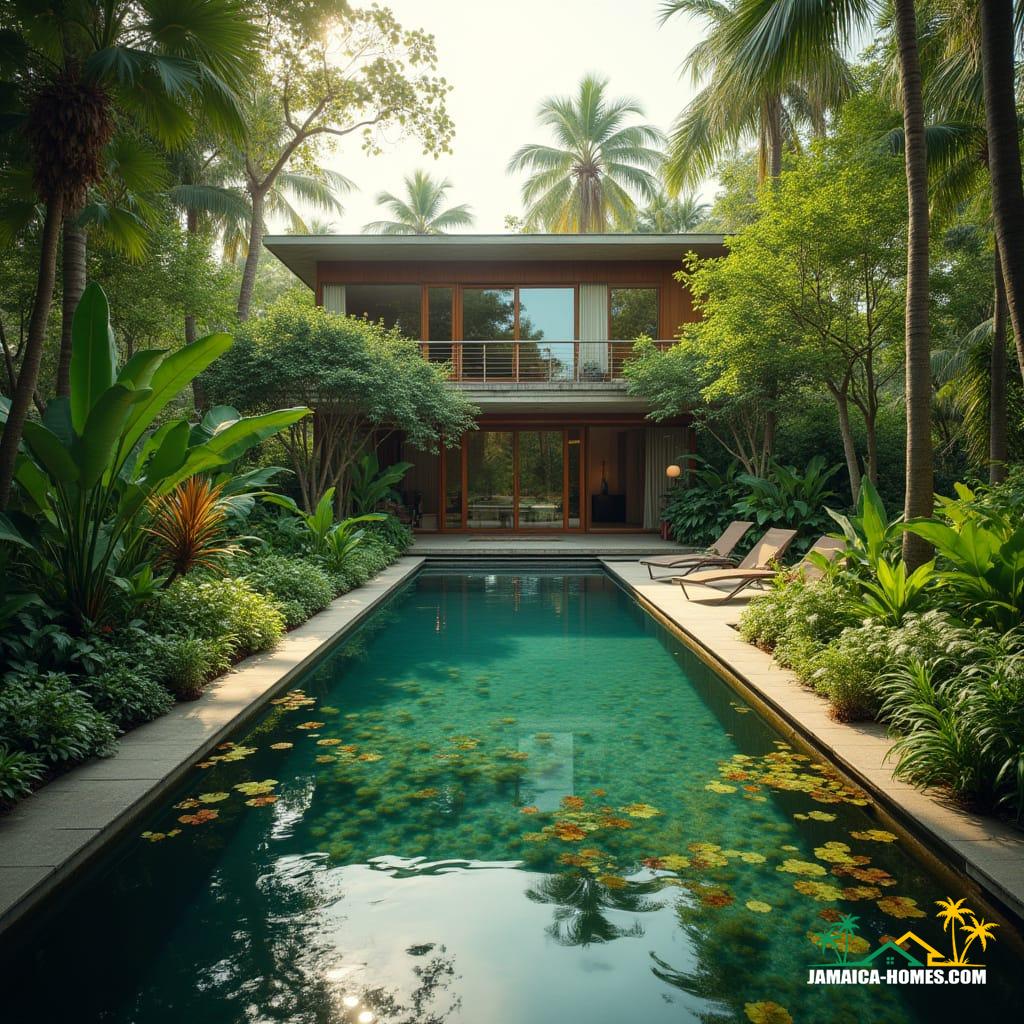






























Join The Discussion