 by
by 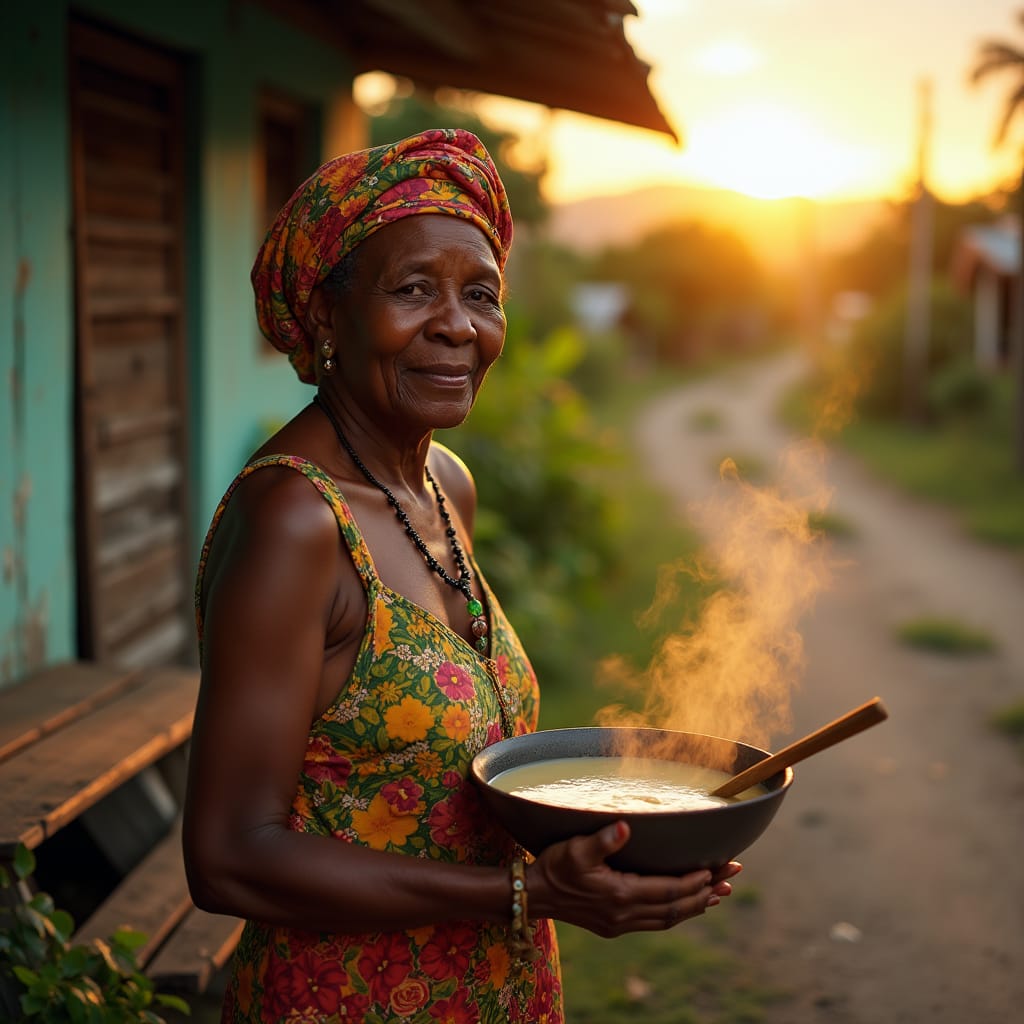
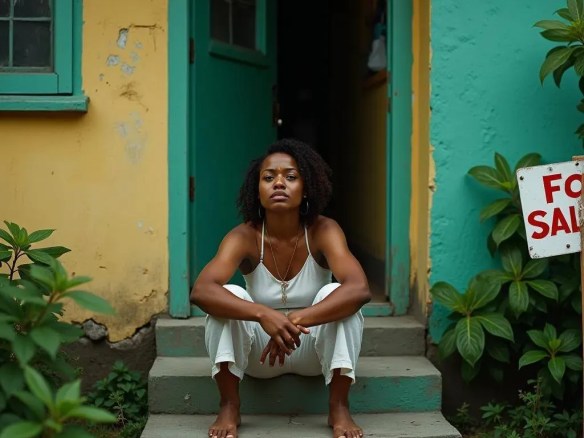
Selling propertyProperty encompasses a wide range of tangible assets that individuals or entities can own, utilize, or invest in, includ... More in JamaicaJamaica, with its vibrant culture and stunning landscapes, has a unique position in the global real estate market. The i... More has always had its own rhythm — a mix of culture, timing, and communityIn Jamaica, "community" refers to more than just a geographic area; it embodies a collective identity rooted in shared e... More psychology. As a Realtor on the ground, I’ve seen first-hand how it only takes one sale to start a wave. A single family selling their home on a quiet cul-de-sac in Stony HillStony Hill is a residential neighborhood in Saint Andrew Parish, Jamaica, located on the northern outskirts of Kingston.... More can trigger a domino effect — suddenly, everybody is listing. Sometimes it’s not even intentional; it’s almost instinctive. Like a call in the bush: “If demDem is a Jamaican Patois term used to refer to "them" or "those," typically addressing a group of people or things in a ... More a sell, maybe miMi in Jamaican Patois translates to "I" or "me" and is widely used to express personal identity, possession, or responsi... More fiFi in Jamaican Patois is a possessive term meaning "for" or "belonging to" and is essential in expressing ownership or a... More try too.”
JamaicansJamaicans are a resilient and vibrant people with a deep-rooted history defined by courage, resistance, and cultural ric... More are observant by nature. If someone gets a good price, the grapevine spreads it like fire. If one sellerA seller is an individual or entity engaged in the act of offering goods or services for sale, aiming to transfer owners... More lowers their price, the pressure starts mounting on the others. On the flip side, if someone sells high — especially to a returning residentA returning resident is someone who has lived in another country for a long time and is now coming back to their home co... More or overseas buyerA buyer is an individual or entity that acquires goods, services, or properties through a transaction, motivated by a ne... More — neighbours suddenly raise their own expectations.
This social mirroring is powerful and has shaped the local housing market for decades. But here’s the truth that many forget: JamaicanThe term "Jamaican" encompasses the citizens of Jamaica and their descendants in the Jamaican diaspora, representing a d... More houseA house serves as a fundamental structure designed for residential living, providing shelter and a place for individuals... More prices rarely fall.
Subscribe to Jamaica HomesJamaica Homes is a premier real estate company offering a comprehensive platform for buying, selling, and renting proper... More
Jamaica Homes is a reader-supported publication.
Jamaica Homes brings together peopleThe people of Jamaica embody a spirit that is at once richly diverse and unbreakably unified, as captured by the nationa... More, property, and place News, insight, and real opportunities—straight to your inbox.
Yes, the market can stagnate. Listings can sit longer than expected. Interest rates might rise, and buyers may slow down. But across the board — from KingstonKingston, the capital city of Jamaica, embodies a dynamic fusion of historical depth and contemporary vitality. Establis... More to NegrilNegril is a popular town on the western coast of Jamaica, known for its stunning white-sand beaches and laid-back vibe. ... More, from MandevilleMandeville, the capital of Manchester parish in Jamaica, is the largest town in the region. As of 2005, it had a populat... More to Montego BayMontego Bay, often referred to as MoBay, is one of Jamaica's most popular tourist destinations, known for its stunning b... More — property valuesProperty values refer to the worth of a piece of real estate, influenced by various factors such as location, condition,... More in Jamaica tend to trend upward over time.
“The Jamaican housing market is like our Blue MountainsThe Blue Mountains are a famous mountain range in Jamaica, and they’re special for many reasons. The highest point in ... More — strong, patient, and always climbing in the end. Storms may come, but the roots run deep.”
— Dean JonesDean Jones is a chartered builder, project manager, licensed real estate professional and the founder of Jamaica Homes, ... More, Founder of Jamaica Homes & Realtor AssociateA Realtor Associate in Jamaica is a registered real estate salesman licensed under the Real Estate (Dealers and Develope... More at Coldwell Banker Jamaica RealtyJamaica Realty represents the broad and evolving landscape of real estate services in Jamaica, encompassing the buying, ... More
In fact, even after global recessions, the Jamaican market has shown resilience. While markets in North America and Europe fluctuated dramatically, Jamaica held relatively steady. This is partly due to cultural values: Jamaicans love landIn real estate, land is a foundational element that significantly impacts the value and potential of a property. It enco... More. Land and house mean independence, legacyLegacy, in the context of Jamaica, real estate, and the broader world, represents the enduring impact of past actions, a... More, and respect.
In rural parishes, owning land is still seen as a badge of honour — and for good reason. Land appreciates. And when you build on it, you’re not just raising walls; you’re building generational wealth.
“When I check it out, nowhere better than yardIn Jamaican Patois, the term "yard" carries a special significance beyond its literal meaning of a plot of land. Traditi... More.”
This isn’t just a saying. It’s a mindset. For many, especially returning Jamaicans, there’s no investment"Investment" in the realm of real estate refers to the allocation of money or resources into property with the expectati... More more emotionally or spiritually valuable than a home on yaadYaad, in addition to its primary meaning as "home" or "yard" in Jamaican Patois, is also a term Jamaicans use to affecti... More soil.
The Power of Patience in a Jamaican Market
Because Jamaican prices generally appreciate, panic selling is rarely necessary. Even in a saturated market, patience can be a godsend. Sellers who hold firm and present their home properly often come out ahead.
We’ve seen this pattern repeat across time:
- In the early 2000s, when gated communities began emerging in PortmorePortmore, located approximately 24 km from Jamaica’s capital, Kingston, is a major urban settlement in St. Catherine. ... More and Mandeville, there was a rush to sell older-style homes. Some owners dropped prices — others waited and were rewarded.
- In post-COVID 2021, some homeowners feared the market would crash. But instead, we saw the highest surge in demand in years, as Jamaicans abroad began investing heavily in local property.
- In 2024, new road developments and highway expansions once again drove price hikes — proving that real estateReal estate refers to property consisting of land and the structures on it, such as buildings and homes. It also include... More here is more marathon than sprintA sprint is a fixed, short time frame within the Scrum framework, typically lasting two to four weeks, during which a sp... More.
This is why a measured approach, guided by market data and solid advice, always beats emotional decisions.
“In Jamaica, property is generational. You’re not just selling square footageIn real estate, square footage refers to the measurement of livable space within a property, which plays a critical role... More — you’re passing on a legacy. Move with wisdom, not worry.”
— Dean Jones, Founder of Jamaica Homes & Realtor Associate at Coldwell Banker Jamaica RealtyRealty refers to the ownership, purchase, sale, and management of real estate, encompassing both land and any structures... More
Be Flexible Without Selling Yourself Short
In Jamaica, negotiation is a part of the dance. Buyers — whether they’re from Kingston, overseas, or just down the road — willIn Jamaica, a will is a legal document created by an individual to specify how their assets, including their belongings ... More always try to “talk you down.” But that doesn’t mean you must fold. There’s a fine line between being open to offers and undervaluing your asset.
Flexibility means:
- Willing to negotiate within reason, not desperation
- Offering closing assistance or incentives (e.g., paying part of the stamp dutyStamp Duty in Jamaica is a tax applied to legal documents and specific transactions, such as the sale or transfer of pro... More)
- Staggering viewings and showing the property’s potential in different lights — literally and figuratively
Hold your ground where it matters. Trust that your agentIn Jamaica, an agent is a real estate professional who handles various aspects of buying and selling properties. Their r... More knows how to present your case, especially if your home is priced right, well-presented, and rich in Jamaican value.
Stay Calm, Stay Ready, Stay Local
Selling a home in Jamaica when everyone else is also selling can feel overwhelming. But the key lies in perspective:
- Know that Jamaica’s housing market is culturally and economically unique.
- Understand that price cuts by others don’t automatically dictate your worth.
- Recognise the power of presentation, patience, and local insight.
And finally, never underestimate the emotional pull of yard.
“No matter how far people travel or how flashy foreign homes get, they always circle back to Jamaica. It’s not just the weather — it’s the why. Home here feels like legacy.”
— Dean Jones, Founder of Jamaica Homes & Realtor Associate at Coldwell Banker Jamaica Realty
If you’re thinking of selling your home — whether it’s in a hot market like Kingston or a quieter spot like ChristianaChristiana is a small town nestled in the mountains of Manchester Parish, Jamaica, approximately 825 meters above sea le... More — don’t just list blindly. Do the research. Make it shine. Find an agent who knows the terrain. And most of all, stay grounded in the knowledge that real estate in JamaicaReal estate in Jamaica refers to the buying, selling, leasing, and development of properties on the island, encompassing... More, more often than not, moves upward — not backward.
Because while the winds may change, the roots remain deep. And when it comes to real estate in JamaicaBuying Real Estate in Jamaica refers to the legal and financial process through which an individual or entity acquires o... More — there truly is nowhere better than yard.
FAQs: Selling Your Home in Jamaica
- How do I know when it’s the right time to sell my home in Jamaica?
The right time often depends on your personal goals, but signs like increased buyer demand in your area, new infrastructure developmentIn Jamaica, the term "development" can refer to various contexts, each with its unique focus and implications. Real esta... More, or rising neighbourhood values can indicate good timing. - What if my neighbour is also selling their home? Should I still list mine?
Yes, but with strategy. Focus on differentiating your home through staging, presentation, and pricing rather than rushing to match others. - What’s the impact of too many homes being listed on the same street?
It can create buyer hesitation or pressure sellers to drop prices. However, a well-presented home can still stand out and sell above the average. - How long does it typically take to sell a house in Jamaica?
It varies by location. In-demand areas like Kingston and Montego Bay may see quicker sales (1–6 months), while rural areas may take longer. - Should I lower my price if my house isn’t selling quickly?
Not necessarily. Review your marketingThe process of determining, generating, and providing value to a target market in order to fulfill the demands of that m... More, presentation, and agent strategy first. A price drop should be the last resortA resort is a designated location designed for relaxation, recreation, and tourism, often featuring accommodat... More. - Do I need a real estate agentA Real Estate Agent in Jamaica is a licensed professional specializing in the facilitation of property transactions, inc... More to sell my house in Jamaica?
While it’s not required, having a professional helps you avoid legal pitfalls, price more accurately, and market more effectively. - How do Jamaican buyers usually make offers?
Buyers typically negotiate. It’s common to receive an initial offer below asking priceIn Jamaica, the asking price is the initial price a seller sets for a property and acts as a starting point for negoti... More, so be prepared to counter or compromise. - What paperwork do I need to sell my house?
You’ll need your land titleA land title is a key legal document proving property ownership and is essential for real estate transactions. In Jamaic... More, valuation reportA Valuation Report in Jamaican real estate is a comprehensive assessment prepared by a certified appraiser to determine ... More, TRNIn Jamaica, the Taxpayer Registration Number (TRN) is a unique nine-digit identification number assigned to individuals ... More, property taxProperty tax is a charge imposed by local governments on real estate owners, based on the value of their property. This ... More receipts, and any building approvals or permits etc - Do returning residentsReturning Residents are Jamaican nationals (or persons eligible through Jamaican descent or marriage to a Jamaican natio... More affect the real estateIn Jamaican real estate, an estate refers to the total collection of assets and property owned by an individual, especia... More market?
Yes. They often buy in cash and are willing to pay more for upgraded properties, especially in rural or coastal towns. - Can I sell my house if I live abroad?
Absolutely. Many sellers reside overseas and work with a local realtor or give power of attorneyIn Jamaica, a power of attorney for property lets one person (the attorney) manage another person's property (the princi... More to a trusted representative. - What role does staging play in selling a home in Jamaica?
Staging — even light decluttering and tidying — can make a big difference. Buyers are drawn to clean, well-maintained spaces. - Are property prices the same across the island?
No. Prices vary widely. Kingston, Montego Bay, and parts of St. AnnSt. Ann, Jamaica's largest parish, is located on the northern side of the island, bordered by St. Mary, Trelawny, St. Ca... More are higher, while areas like ClarendonClarendon is a parish situated in central Jamaica, known for its diverse landscape that includes fertile plains and roll... More or ManchesterManchester is a parish located in central Jamaica, known for its cooler climate and picturesque landscapes. Renowned for... More are more affordable. - What are buyers looking for in Jamaican homes right now?
Modern finishes, securityIn Jamaican real estate, security refers to assets pledged to back a loan or financial obligation. Typically, the proper... More features, updated kitchens/bathrooms, and good infrastructure (roads, water, internet). - Can I sell my unfinished house?
Yes, especially if the structure is sound. Some buyers actually prefer unfinished homes they can complete to their taste. - Is it wise to sell during hurricane season?
It’s okay to sell, but make sure your home is in good repair. Weather can delay viewings, but serious buyers will still come. - What happens if my neighbour drops their price drastically?
It may impact buyer expectations, but don’t panic. Emphasise your home’s unique value and maintain a firm pricing strategy. - Should I renovate"Renovate" refers to the process of improving or updating a property by repairing, remodeling, or restoring it. The conc... More before selling my home in Jamaica?
Minor repairs and upgrades (e.g., paintingPainting is when you cover walls, ceilings, or the outside of buildings with color to make them look nice and last longe... More, plumbing fixes) can boost value. Major renovations depend on your budget and timeline. - What if I get no offers in the first month?
That’s not uncommon. Reassess your marketing, visibility online, and how your agent is promoting the property. - How do I set the right asking price?
Use a certified valuationValuation involves assessing the worth of a property based on various factors such as its location, condition, size, and... More report, study comparable sales, and consult a local agent who knows your community. - Do properties sell faster in Kingston than other parishes?
Generally yes, due to population densityPopulation density measures the number of people living per unit area, often expressed as inhabitants per square kilomet... More and business activity. But coastal and retirement areas also see strong demand. - Is cash more common than mortgage financing in Jamaica?
Cash buyers are common, especially returning residents or investors. But many local buyers still rely on mortgagesMortgages represent a financial arrangement where a borrower secures a loan from a lender using real estate as collatera... More. - How important is curb appeal in Jamaica?
Very. A tidy yard, fresh paint, and proper fencing make a strong first impression, especially in competitive areas. - What’s the best advice you’d give a Jamaican homeowner before selling?
Be patient, get good legal advice, and lean on local knowledge. Don’t follow the crowd — make your move when you are ready.
DisclaimerA disclaimer is a statement that serves to limit or exclude liability, usually found in legal documents, websites, produ... More:
The information provided in this article is for general informational purposes only and reflects the personal opinions and professional insights of Dean Jones, Founder of Jamaica Homes and Realtor Associate at Coldwell Banker Jamaica Realty. It is not intended as legal, financial, or investment advice. Readers are encouraged to consult with qualified professionals before making real estate decisions. Market conditions may vary, and past performance is not a guarantee of future results.
Discover more from Jamaica Homes
Subscribe to get the latest posts sent to your email.
Discover more from Jamaica Homes
Subscribe to get the latest posts sent to your email.


Join The Discussion