
 by
by 
In every corner of the globe, there are JamaicansJamaicans are a resilient and vibrant people with a deep-rooted history defined by courage, resistance, and cultural ric... More who never truly left home.
Though their lives have taken them to cities like London, New York, Toronto, and Miami, many Jamaicans abroad hold on to the hope of returning. For decades, this desire to come home has shaped migration patterns—and now, it’s shaping Jamaica’s real estateReal estate refers to property consisting of land and the structures on it, such as buildings and homes. It also include... More market.
Today’s returning residentsReturning Residents are Jamaican nationals (or persons eligible through Jamaican descent or marriage to a Jamaican natio... More form a diverse, determined group, and they’re changing what “coming home” looks like. Instead of grand mansions or multi-storey showpieces, many are opting for smaller, single-storey homes—practical, comfortable, and most importantly, secure.
A Historical Homecoming
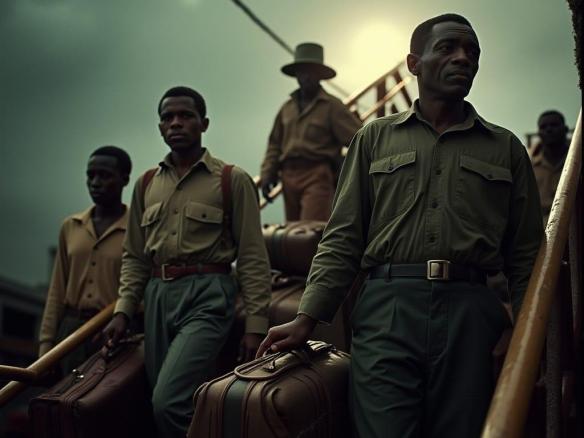
The story of returning residents is not a new one. As early as the 1960s and 70s, Jamaicans who had left for the UK under the Windrush generationThe Windrush generation, encompassing Caribbean immigrants arriving in the United Kingdom between 1948 and 1971, has lef... More began making their way back to the island in retirement. They were soon followed by others from the U.S. and Canada, often after decades of hard work, sending remittances home while planningPlanning in Jamaica involves managing land, resources, and infrastructure to support economic growth, social development... More their return.
These early returnees were sometimes called “come-backers” by locals—many built large homes with foreign features, bringing with them new expectations about comfort, infrastructure, and communityIn Jamaica, "community" refers to more than just a geographic area; it embodies a collective identity rooted in shared e... More involvement.
But the returnees of the 2020s are different.
“This generation isn’t just coming home with money—they’re coming home with questions, research, and clear ideas about what they want,” says Dean JonesDean Jones is a chartered builder, project manager, licensed real estate professional and the founder of Jamaica Homes, ... More, Realtor AssociateA Realtor Associate in Jamaica is a registered real estate salesman licensed under the Real Estate (Dealers and Develope... More at Coldwell Banker Jamaica RealtyJamaica Realty represents the broad and evolving landscape of real estate services in Jamaica, encompassing the buying, ... More and founder of Jamaica Homes.
“They want efficiency, simplicity, and peace. That’s why smaller homes are in such high demand now.”
Jones should know. As the leader of a small Returning Residents Group, he works closely with retirees and expatsExpats, short for expatriates, are individuals who live outside their native country, often for work, lifestyle, or reti... More, helping them transition back into JamaicanThe term "Jamaican" encompasses the citizens of Jamaica and their descendants in the Jamaican diaspora, representing a d... More life, one brick at a time.
Diverse Faces, Shared Dreams
It’s important to note that “returning residents” aren’t just retirees born in JamaicaJamaica, with its vibrant culture and stunning landscapes, has a unique position in the global real estate market. The i... More. Increasingly, the group includes:
- Second-generation Jamaicans born abroad, now reconnecting with their roots.
- Long-term expats who came for vacation or work and fell in love with the island.
- Dual citizens and retirees from the diasporaIn the context of Jamaica, real estate, and the broader global sphere, diaspora refers to the community of Jamaicans liv... More who simply want to live out their golden years in a warmer, more affordable environment.
They span all classes and backgrounds—nurses, teachers, civil servants, entrepreneurs—and they all share a desire for one thing: a home that fits.
“I’ve helped peopleThe people of Jamaica embody a spirit that is at once richly diverse and unbreakably unified, as captured by the nationa... More from Brixton to Brooklyn,” Jones says.
“They all say the same thing now—’Dean, I just want a nice, safe bungalowA bungalow is a type of single-story house or cottage that is typically small in size and may have a low-pitched roof, w... More with a verandah and space for a garden.’ It’s that simple.”
Why the Shift to Smaller Homes?
Several factors are influencing the current wave of returnees to choose modest dwellings over the sprawling compounds of past generations.
1. Security Concerns
Many returnees are cautious about standing out too much. In recent years, fears about crime and being targeted have caused retirees to avoid showy properties.
“People are scared of looking too ‘foreign,’” Jones notes.
“They think a big houseA house serves as a fundamental structure designed for residential living, providing shelter and a place for individuals... More screams money and vulnerability. A low-key, single-storey house is easier to manage—and to secure.”
2. Horror Stories of Construction Gone Wrong
Another common thread among returnees is the fear of being scammed or overcharged by contractors. Many have heard stories of runaway budgets, incomplete builds, and shady dealings.
“I get emails every week—‘Dean, the contractor ran off with my money,’” he says, shaking his head.
“That’s why I tell people, buy something already built if you can. Or build small, keep it simple, and stay involved.”
3. Health, Age, and Ease of Living
Aging gracefully also plays a role. For older returnees, stairs and large spaces become burdens, not luxuries. One-floor living is just easier on the knees, and smaller spaces reduce stress, bills, and upkeep.
“You don’t need three levels and eight bathrooms,” Dean jokes.
“You need comfort, breeze, a little patio, and peace of mind.”
Central Jamaica: Ground Zero for the Returnee Boom
The parishes of St Ann and St Mary have long been attractive for returnees. Drawn by coastal beauty, accessible airports, and a mild climate, these regions offer the best of Jamaica without the intensity of cityA city in Jamaica , like those around the world, is a vibrant Hub of culture, commerce, and community, where the pace of... More life.
The area around White RiverThe White River is a river in northern Jamaica that forms part of the boundary between the parishes of Saint Ann Parish ... More, once overlooked, is now thriving—with new eco-tourism businesses, cafes, and yoga retreats springing up beside the riverbanks. It’s become a magnet for those looking to live off the beaten pathA path, in the context of Jamaica and real estate globally, refers to a route or passage that provides access from one p... More without sacrificing comfort.
“White River is hot,” Jones affirms.
“And not just temperature-wise. The vibe is right. You have culture, new small businesses, and a real sense of community.”
But popularity comes with a price. According to Jones, the cost of small, single-storey homes has risen sharply—sometimes by double digits in just five years. In many parts of St Ann and St Mary, finding a move-in-ready three-bedroom bungalow is now a challenge.
“The prices have gone up because everyone wants the same thing,” he says.
“It’s the perfect storm—demand is high, supply is low, and a lotIn Jamaican real estate parlance, the term "lot" refers to a parcel of land designated for residential, commercial, or a... More of developers still aren’t building what people actually want.”
Building Trends: Square Homes and Reinforced Roofs
One clear shift in designDesign is the art and science of creating plans and specifications for the construction of objects, structures, and syst... More is the rise of square, flat-roof homes. These buildings are more resilient, easier to maintain, and better suited for solar panels and water collectionIn the context of Jamaica's real estate industry and the global market, "collection" typically refers to the process of ... More systems.
“It’s not just about aesthetics—it’s about practicality,” says Jones.
“These homes cost less to build, they handle storms better, and they don’t have high-pitched roofs that leak after five years.”
For retirees, that’s a winning formula.
Infrastructure: A Dividing Line
Of course, not all returnees see Jamaica through the same lens. For some, underdeveloped infrastructure—like poor roads or unreliable water—is a deal-breaker. But for many, the trade-offs are worth it.
“They come here expecting one thing, but then they feel the sunshine and hear the church bells and remember why they came back,” Jones smiles.
“Yes, the internet might drop for five minutes. But the mango tree in your backyard is ripe, and your neighbors are checking in on you.”
That emotional connection—the sense of home—is what keeps returnees coming, even when comfort requires compromise.
Where Developers Are Missing the Mark
Despite the clear demand, many developers continue to build either luxury estates or clustered townhouses, with few options for mid-range buyers looking for privacy.
“It’s frustrating,” Jones says.
“There’s a huge market being ignored. These aren’t broke retirees. They have savings, pensions, and overseas incomeIncome refers to the money or value that individuals or businesses receive, typically from various sources such as salar... More. But they don’t want a mansion—they want a manageable, smart home in a good area.”
Jones advocates for intentional communityAn intentional community is a neighborhood where people choose to live together because they share similar values or goa... Morecommunity planningCommunity planning in Jamaica involves the collaborative process of designing and organizing local spaces to enhance the... More, suggesting that developers collaborate with diaspora groups to understand the needs of returnees better.
“Talk to us,” he urges.
“We’re not just statistics. We’re future residents who want to invest back into Jamaica responsibly.”
Emotional Investment, Not Just Financial
For returning residents, the move is more than transactional. It’s personal. It’s legacyLegacy, in the context of Jamaica, real estate, and the broader world, represents the enduring impact of past actions, a... More. They’re not just buying homes—they’re rebuilding relationships, reclaiming identities, and reconnecting with a homeland that’s both familiar and changed.
“They remember the smell of Sunday dinner. They remember Grandma’s yardIn Jamaican Patois, the term "yard" carries a special significance beyond its literal meaning of a plot of land. Traditi... More. They remember walking barefoot on the sand,” Jones says.
“You can’t put a price on that.”
And while their accents may be tinged with Canadian calm or British bite, their hearts are fully Jamaican.
Final Advice: Keep It Simple, Keep It Real
For those dreaming of the journey home, Jones has a few simple words of advice:
“Plan well. Don’t overspend. Stay involved. Find a good realtor. And most of all—keep it simple. Home isn’t about impressing anyone. It’s about peace.”
Realtor’s Call to Action: Returning Residents, Let’s Build Wisely
At Jamaica HomesJamaica Homes is a premier real estate company offering a comprehensive platform for buying, selling, and renting proper... More, we understand the emotional and practical sides of coming home. Whether you’re a retiree, a second-generation Jamaican, or someone who just fell in love with the island and never looked back—we’re here to guide you.
We specialize in helping returning residents find safe, stylish, and affordable homes across Jamaica, with a special focus on single-storey dwellings in high-demand areas like St Ann, St Mary, and beyond.
Ready to come home wisely?
Connect with Dean Jones today. Let’s make your return one to remember—for all the right reasons.
FAQs for Returning Residents Choosing Smaller Homes in Jamaica
- Who is considered a returning residentA returning resident is someone who has lived in another country for a long time and is now coming back to their home co... More in Jamaica?
A returning resident is typically a Jamaican nationalIn the context of Jamaica and real estate, a Jamaican national refers to: An individual who holds Jamaican citizenship... More who has lived abroad for a significant period and is now returning to live in Jamaica, often for retirement. This group also includes second-generation Jamaicans and some long-term expats. - Why are more returning residents choosing smaller homes in Jamaica?
Smaller homes are easier to maintain, more secure, and more affordable—important factors for retirees and individuals concerned about crime or building costs. - What is the most popular home type among returning residents?
The most requested type is a single-storey, three-bedroom bungalow in a quiet, safe community with access to basic amenitiesThe amenities and extras that are included vary from house to house. Certain residents only get access to exclusive bene... More. - Are there specific areas in Jamaica preferred by returning residents?
Yes. St. AnnSt. Ann, Jamaica's largest parish, is located on the northern side of the island, bordered by St. Mary, Trelawny, St. Ca... More and St. Mary, especially areas near beaches like White River, are popular for their tranquility and natural beauty. - Is it safer to build or buy a pre-existing home in Jamaica?
Many returning residents prefer buying pre-built homes due to past experiences or fears of being overcharged by contractors. - What building features are most sought after by returnees?
Reinforced concrete roofs, modern securityIn Jamaican real estate, security refers to assets pledged to back a loan or financial obligation. Typically, the proper... More features, flat designs for accessibilityAccessibility in Jamaican real estate refers to the design and adaptation of homes and buildings to ensure that individu... More, and eco-friendly elements such as solar panels. - Are smaller homes actually more affordable?
Yes, though demand has increased prices in popular areas. Still, smaller homes generally have lower upfront and maintenance costs. - Can returning residents access duty-free concessions?
Yes. Qualified returning residents can access incentives through Jamaica Customs for personal items and sometimes building materials. - Do returning residents need to prove residency abroad?
Yes. Proof of continuous residence (typically 3+ years) abroad is required for concessions and benefits. - What challenges do returning residents face when building homes?
Issues include cost overruns, contractor fraud, constructionConstruction is the dynamic process of designing and erecting buildings and infrastructure, crucial for shaping modern l... More delays, and lack of oversight during the building processThe building process in Jamaican real estate involves several key stages, starting with acquiring land and obtaining the... More. - Are there real estate agentsEstate agents, commonly known as real estate agents, are professionals who assist in the buying, selling, and renting of... More who specialize in helping returnees?
Yes. RealtorsA REALTOR® is a person who helps others buy, sell, or rent homes and land. They are part of a big group called the Nati... More like Dean Jones at Coldwell Banker work specifically with returning residents and understand their unique needs. - What legal steps are needed to buy propertyProperty encompasses a wide range of tangible assets that individuals or entities can own, utilize, or invest in, includ... More in Jamaica?
Engage a licensed real estate agentA Real Estate Agent in Jamaica is a licensed professional specializing in the facilitation of property transactions, inc... More and an attorneyIn Jamaica, an attorney is a legal professional who provides expert advice, representation, and services related to vari... More, conduct a title searchIn the realm of Jamaican real estate, a title search is a fundamental process that ensures the clarity and validity of p... More, and ensure the property is free of encumbrances. - What are some safer communities for returning residents?
Communities such as Cardiff Hall, Priory, Tower IsleTower Isle is a small but historically significant area in the parish of St. Mary, Jamaica, known for its connection to ... More, White River, and Moneague are often recommended. - Are gated communities popular among returning residents?
Yes, especially for security-conscious individuals. Gated communities offer added peace of mind and shared amenities. - How can returnees avoid being scammed by contractors?
Get written contracts, seek recommendations, hire projectA project is a special task or set of tasks that people work on to create something new or make something better. It has... More managers if necessary, and never pay the full amount upfront. - What role do returneeA Jamaican national who previously migrated and lived abroad—often in countries like the United States, United Kingdom... More groups play in the transition?
Groups like the Returning Residents Group of Jamaica provide support, networking, and guidance for new or prospective returnees. - Do returning residents need Jamaican citizenship?
While not required to buy property, Jamaican citizenship or proof of descent can help with incentives and smoother transactions. - Are mortgage options available for returning residents?
Yes, though cash purchases are more common. Some banks in Jamaica offer home loans to nationals living abroad. - What types of insurance should returnees consider?
Property insurance (including hurricane and flood coverage), health insurance, and home contents coverage are important. - Is Jamaica a good place to retire?
For many, yes—especially those seeking a warm climate, cultural familiarity, and a slower pace of life. However, thorough planning and realistic expectations are essential.
DisclaimerA disclaimer is a statement that serves to limit or exclude liability, usually found in legal documents, websites, produ... More: This article is for informational purposes only and does not constitute legal or financial advice. Please note: Jamaica Homes is not authorized to offer financial advice. The information provided is not financial advice and should not be relied upon for financial decisions. Consult a regulated mortgage adviser for guidance.
Support Jamaica Homes
Clear, independent information helps people make better decisions about buying property, living in Jamaica, and understanding the housing market. We value whatever you can spare, but a monthly contribution makes the biggest impact, helping us continue creating guides, insights, and resources for Jamaicans and the diaspora. Thank you.
Discover more from Jamaica Homes
Subscribe to get the latest posts sent to your email.

Join The Discussion