Jamaica’s hospitality industry is a vibrant tapestry woven from its rich history, diverse accommodations, and collaborative spirit. From the early days of luxury resortsResorts are specialized destinations designed to offer leisure and recreational activities, blending luxury with relaxat... to the modern emphasis on villas and timeshares, the island has continually adapted to global trends while preserving its unique cultural identity.
A Historical Perspective: Foundations of Jamaican Hospitality
The genesis of Jamaica’s hospitality sector can be traced back to the mid-20th century. Visionaries like Abraham Issa pioneered the developmentIn Jamaica, the term "development" can refer to various contexts, each with its unique focus and implications. Real esta... of the north coast, establishing Tower IsleTower Isle is a small but historically significant area in the parish of St. Mary, Jamaica, known for its connection to ... in 1949—the island’s first resortA resort is a designated location designed for relaxation, recreation, and tourism, often featuring accommodat.... Issa later introduced the all-inclusive, couples-only concept with Couples Resorts, setting a precedent for CaribbeanThe Caribbean is a vast region made up of over 700 islands, islets, reefs, and cays. Some of the most well-known islands...tourismTourism in Jamaica refers to the industry focused on attracting visitors to the island, who come to experience its natur....
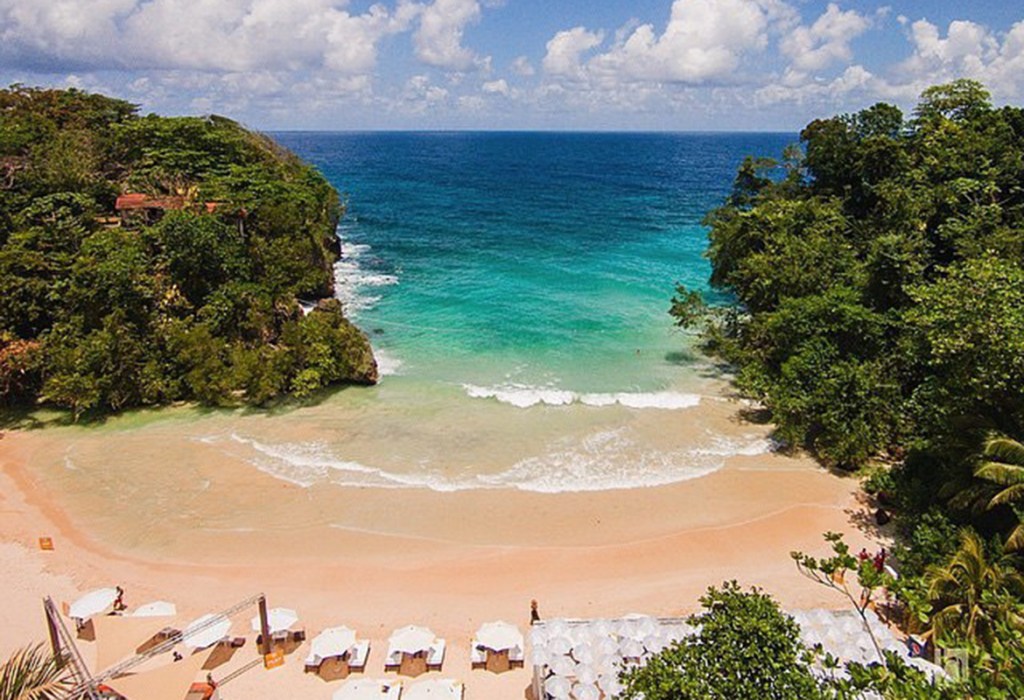
Simultaneously, Port AntonioPort Antonio is a pictur esque town on Jamaica's northeastern coast, celebrated for its lush greenery and stunning natur... emerged as a haven for Hollywood elites. Figures like Errol Flynn and Ian Fleming were captivated by its serene beauty, leading to the establishment of iconic resorts such as Frenchman’s Cove, considered one of the world’s first all-inclusive hotels. These developments positioned JamaicaJamaica, with its vibrant culture and stunning landscapes, has a unique position in the global real estate market. The i... as a premier destination for luxury and exclusivityIn Jamaican real estate, exclusivity refers to a contractual arrangement where a property owner grants a real estate age....
Diversification: Embracing Villas and Guest Homes
In recent years, there has been a noticeable shift toward more personalized accommodations. The rise of villas and guest homes caters to travelers seeking authentic experiences and privacy. Resorts like Round Hill and Tryall have long blended hotel services with private villaIn Jamaica, a villa is a prestigious type of residence known for its spaciousness, elegant design, and luxurious feature... offerings, demonstrating the power of hybrid models.
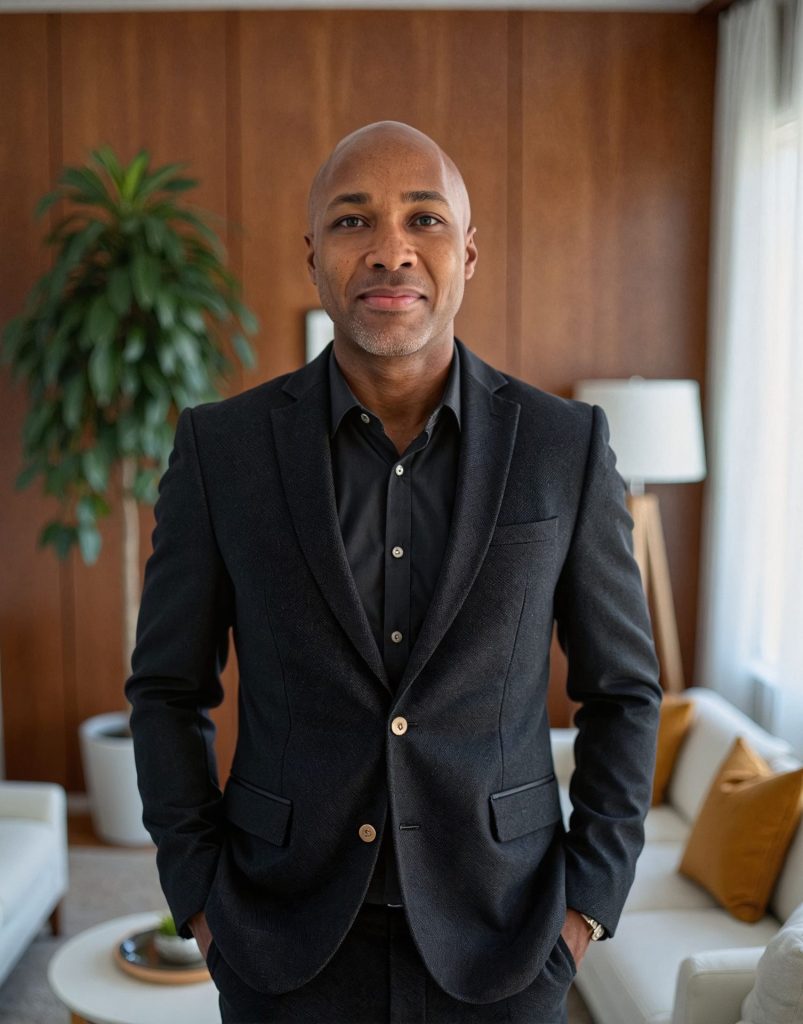
A regal elderly couple stands proudly in front of their luxurious new beachfront villa in Montego Bay, called The Pinnacle of Life. The man has a distinguished, Mediterranean-like appearance with warm brown skin, sharp features, and an air of wisdom. The woman, a striking beauty wears elegant, slightly graying dreadlocks that cascade over her shoulders. Both exude grace, confidence, and a lifetime of experiences, dressed in refined yet relaxed attire that complements the tropical paradise around them. The background features the stunning turquoise ocean, swaying palm trees, and the sophisticated architecture of their modern villa, blending seamlessly with the natural beauty of the island
This shift aligns with the global demand for extended stays and remote work-friendly spaces. Villas offer flexibility, cultural immersion, and personalized service—attributes modern travelers now prioritize. Importantly, these properties often channel revenue directly into local communities.
Collaborative Growth: The Power of Unity
The JamaicanThe term "Jamaican" encompasses the citizens of Jamaica and their descendants in the Jamaican diaspora, representing a d... proverb “One han cyaa clap” (One hand can’t clap) captures the essence of cooperation. In the hospitality sector, partnerships between small businesses—such as tour operators, craft vendors, chefs, and homeowners—can uplift the industry holistically.
When these stakeholdersStakeholders in real estate are individuals or groups with a vested interest in a development project, each contributing... align their efforts, they create a fuller, more vibrant experience for guests, while driving meaningful economic growthEconomic growth is when a country’s economy gets bigger and better over time. This means that the country is making an.... From local farmers supplying organic produce to guesthouses, to cultural events co-hosted by communities and boutique hotels, the result is a tourism ecosystem rooted in authenticity and shared prosperity.
Predictable Income Through Long-Term Leases
One promising trend for local propertyProperty encompasses a wide range of tangible assets that individuals or entities can own, utilize, or invest in, includ... owners is long-term leasing to hotels or management companies. These arrangements provide predictable, stable incomeIncome refers to the money or value that individuals or businesses receive, typically from various sources such as salar... with fewer day-to-day operational burdens. Hotels, especially those expanding their roomIn Jamaican Patois, the term "room" is commonly used to describe individual spaces within a property, offering a practic... count without new builds, often seek villa-style accommodations to leaseIn Jamaican real estate, a lease is a legal agreement where the owner of a property (the lessor or landlord) grants anot... and manage.
This creates a win-win dynamic. The hotel gets to expand its inventory while the owner receives reliable payments, often with maintenance and marketingThe process of determining, generating, and providing value to a target market in order to fulfill the demands of that m... handled by the hotel. These deals are increasingly popular in areas like Ocho RiosOcho Rios is a popular resort town on Jamaica's north coast, known for its natural beauty, vibrant tourism industry, and..., Montego BayMontego Bay, often referred to as MoBay, is one of Jamaica's most popular tourist destinations, known for its stunning b..., and Port Antonio, where landowners seek steady income without the hassle of AirbnbAirbnb is a website where people can rent out their homes or rooms to travelers who need a place to stay for a short tim... turnover or seasonal volatility.
Why You Need an Experienced Realtor
As a licensed Realtor AssociateA Realtor Associate in Jamaica is a registered real estate salesman licensed under the Real Estate (Dealers and Develope... and Founder of Jamaica HomesJamaica Homes is a premier real estate company offering a comprehensive platform for buying, selling, and renting proper..., I can confidently say that navigating this evolving landscape requires professional insight. RealtorsA REALTOR® is a person who helps others buy, sell, or rent homes and land. They are part of a big group called the Nati... bring more than listings—we offer strategy, legal compliance, market data, and negotiation strength.
Whether you’re buying a villa to lease to a hotel chain, exploring a fractional ownership deal, or converting landIn real estate, land is a foundational element that significantly impacts the value and potential of a property. It enco... into an eco-retreat, having a skilled advisor ensures you meet zoningIn Jamaica, zoning refers to the legal framework used to regulate land use and development within specific geographic ar..., infrastructure, and hospitality requirements. A good realtor helps you see the full picture—not just the purchase, but the future value.
Investment Pathways: Hotels, Shares, and Timeshares
Jamaica’s tourism market offers multiple avenues for investment"Investment" in the realm of real estate refers to the allocation of money or resources into property with the expectati...:
1. Hotel Ownership
Owning a hotel means direct involvement in hospitality. It demands more responsibility but also offers high earning potential. Boutique hotels in NegrilNegril is a popular town on the western coast of Jamaica, known for its stunning white-sand beaches and laid-back vibe. ... or luxury eco-lodges in PortlandPortland is a parish located on Jamaica's northeastern coast, renowned for its lush rainforests, stunning waterfalls, an... are ripe for development.
2. Hotel Shares
Not ready to manage property? Consider purchasing shares in established hotel chains. It offers a more hands-off, diversified investment model—ideal for those who want exposure to tourism returns without operational demands.
3. Timeshares
This model lets you purchase usage rights to resort properties for a certain period annually. Jamaica’s timeshareA timeshare is a kind of property ownership in which several people split up the rights to use a property for set times ... legislation now allows both ownership and resaleResale refers to the act of selling items or properties that have already been owned or used by someone else. This conce..., creating a flexible and potentially lucrative asset for part-time usersIn Jamaica's real estate market, as in the rest of the world, "users" refer to the individuals or entities interacting w....
Building a Villa: Strategy with Vision
Constructing a villa can be one of the smartest moves in Jamaican real estateJamaican real estate encompasses a diverse property market within Jamaica, including residential homes, commercial build... today. Villas cater to luxury travelers, families, digital nomads, and retirees. With the right design—solar power, natural ventilation, seamless indoor-outdoor living—you can tap into high-end markets while promoting sustainability.
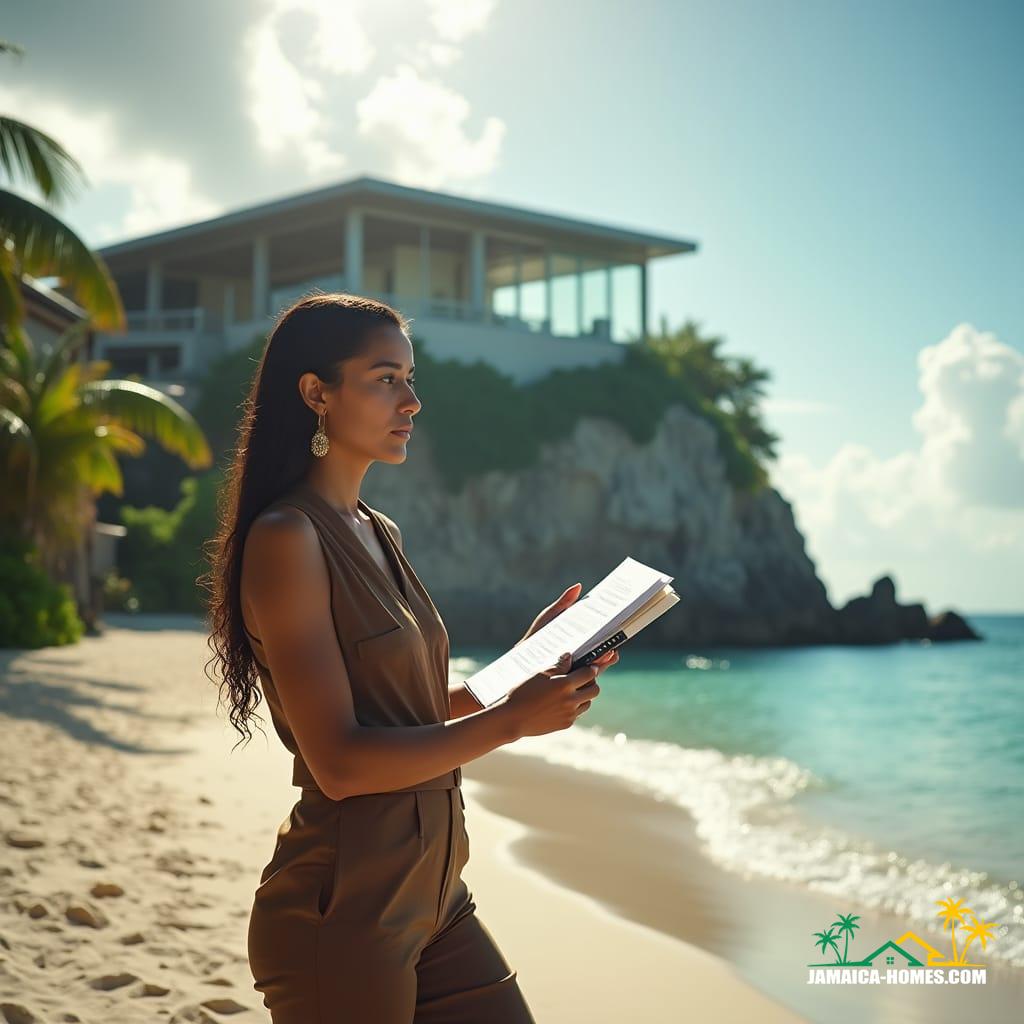
Elegant female agent in a stylish outfit, standing on a pristine Jamaican beach, scrutinizing a sleek modern glass property with a puzzled expression, surrounded by older, more rustic buildings, with one grandiose, double-sized estate looming in the background, casting a long shadow, as she consults a folder and calculator, lost in thought. Soft, warm Caribbean light dances across her face, accentuating her contemplative features.
Many international buyers are now building villas to both use personally and rentRent, at its core, is a financial arrangement where a tenant pays a landlord for the use of a property over a specified ... seasonally, creating hybrid models of lifestyle and income. In regions like St. Mary, Treasure BeachTreasure Beach is a beautiful, quiet area on the south coast of Jamaica, known for its calm, friendly vibe and lovely be..., and Port Antonio, the costs of land are still relatively affordable, and demand is growing steadily.
Where to Invest and Why
Location is everything. Here are some top-performing areas:
Montego Bay: High traffic, airport access, cruise port, and large resort investment.
KingstonKingston, the capital city of Jamaica, embodies a dynamic fusion of historical depth and contemporary vitality. Establis...: Great for business travelers, event tourism, and boutique cityA city in Jamaica , like those around the world, is a vibrant Hub of culture, commerce, and community, where the pace of... hotels.
Negril: A paradise for independent-minded tourists—perfect for villas and guesthouses.
Ocho Rios: Strong cruise traffic, adventure tourism, and beachfrontBeachfront refers to properties that are directly situated along the edge of the sea or ocean, offering immediate access... developments.
Port Antonio: The hidden gem—ideal for eco-luxury investments and cultural tourism.
Staff Housing: Don’t Overlook This
A major operational advantage is providing nearby housing for hotel or villa staff. It reduces travel stress and boosts punctuality and morale. Owners can either invest in adjacent properties or partner with nearby landlords to create staff housing networks.
It’s a forward-thinking move that makes a big difference in recruitment and retention.
Jamaica’s Hospitality Future: Smart, Sustainable, United
As we look ahead, Jamaica’s hospitality industry must continue innovating—balancing luxury with local culture, profitability with sustainability, and ownership with access. The proverb “Han eena lion mout tek time tek eeh out” (When your hand is in a lion’s mouth, take your time to take it out) reminds us that in volatile industries, strategic, careful action wins.
With experienced professionals guiding the way, and local and foreign investorsIn Jamaica, foreign investors are individuals or entities from other countries who invest money into Jamaican businesses... working in unison, Jamaica can continue to shine as a global hospitality leader—one villa, one guest houseA house serves as a fundamental structure designed for residential living, providing shelter and a place for individuals..., one partnership at a time.
Final Thoughts
“Success in real estateReal estate refers to property consisting of land and the structures on it, such as buildings and homes. It also include... starts when you believe you are investing in more than just property—you’re investing in possibility.” — Dean JonesDean Jones is a chartered builder, project manager, licensed real estate professional and the founder of Jamaica Homes, ..., Realtor Associate & Founder, Jamaica Homes
As we build the future of hospitality in Jamaica, let us honor our history, embrace innovation, and elevate the entire industry together. Whether you’re a first-time buyerA buyer is an individual or entity that acquires goods, services, or properties through a transaction, motivated by a ne..., a returning residentA returning resident is someone who has lived in another country for a long time and is now coming back to their home co..., or a hotelier seeking your next venture, there’s room to grow—smartly, sustainably, and strategically.
DisclaimerA disclaimer is a statement that serves to limit or exclude liability, usually found in legal documents, websites, produ...: This post is based on personal experiences and general real estateIn Jamaican real estate, an estate refers to the total collection of assets and property owned by an individual, especia... insights. It is not financial, legal, or professional advice. Always consult a qualified professional before making property investment decisions.
Share on XAn "X" is a symbolic mark made by individuals who either cannot write or are physically unable to write, used to indicat... (Opens in new window)X
Jamaica Homes is a premier digital real estate platform and marketplace designed to help sellers, landlords, and developers list their properties with ease—while connecting them to serious buyers, renters, and investors across Jamaica and overseas. Founded by Dean Jones Licensed Realtor® Associate, Jamaica Homes operates as an independent platform that ensures every listing is verified and professionally handled. Whether you’re selling, renting, or marketing new developments, we provide powerful exposure through our website and social media network. More than just a listings hub, Jamaica Homes is your trusted gateway to reaching the right audience—powered by the vibrant spirit of Jamaica.


 by
by 







Join The Discussion