

The Future of NFTs in Jamaican Real Estate: A Digital Revolution on the Horizon

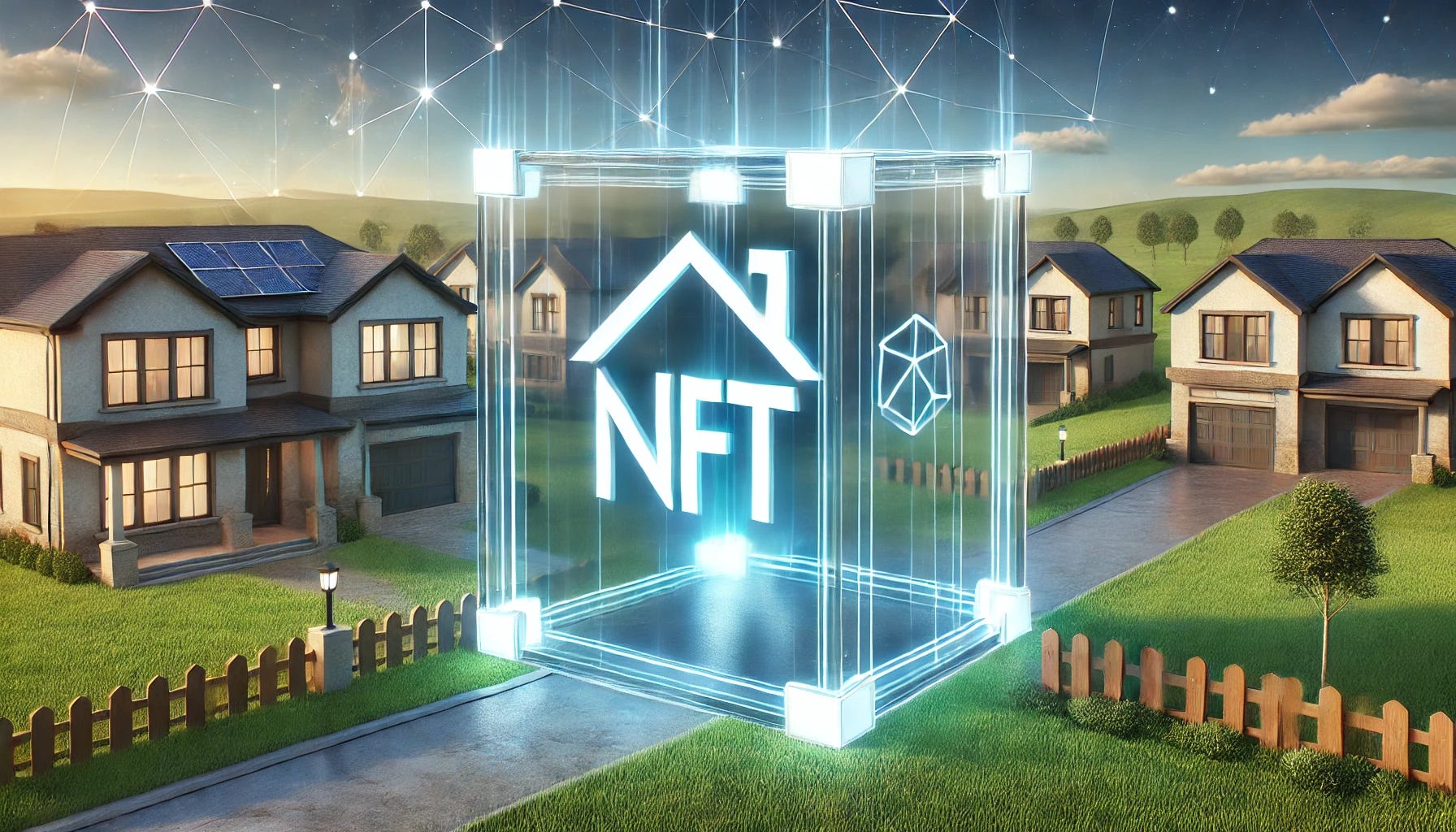
Non-fungible tokens (NFTs) continue to make headlines worldwide, from record-breaking sales of digital art to their adoption as marketing tools by major brands. As a concept, NFTs are relatively easy to implement in entertainment and collectibles, but integrating them into slow-moving industries like real estate presents a much greater challenge. However, as blockchain technology advances, Jamaica could witness a transformative shift in property transactions, investment models, and digital real estate.
In the past year, experimental applications of NFTs have emerged in the real estate sector. Companies are testing NFT-based solutions for building projects, lending, and transaction processing to streamline traditionally complex processes that involve multiple layers of documentation and verification. The potential for such innovation in Jamaica’s property market is immense, especially as the country modernizes its land registration and real estate systems.
NFTs in Real Estate: How They Work
NFTs function as unique digital titles stored on blockchain ledgers, providing irrefutable proof of ownership. This technology could significantly reduce fraud risks and improve transparency in Jamaican real estate transactions. However, real estate tokenization comes in two primary forms: entire asset (EA) tokenization and fractional ownership (FO) tokenization.
FO tokenization, the simpler of the two, operates similarly to crowdfunding or share-based investment platforms. Investors purchase tokens representing shares in a property, granting them proportional ownership and potential returns. This model could be highly relevant in Jamaica, where investment opportunities in real estate are growing, but capital access remains a challenge for many aspiring investors.
EA tokenization, on the other hand, requires converting a property’s deed into an NFT. This is currently hindered by regulatory frameworks worldwide, including in Jamaica, where land transactions are governed by legal documentation. For EA tokenization to become viable, a new asset classification would need to emerge, recognizing NFT property deeds as legally binding.
Digital Real Estate vs. Physical Real Estate in Jamaica
While tokenizing physical property remains complex, digital real estate presents fewer regulatory hurdles. Virtual spaces, or “metaverse platforms,” allow users to buy and trade land as NFTs. Global platforms such as Decentraland and Somnium Space already facilitate digital real estate transactions, with users purchasing parcels in cryptocurrency.
Jamaica could explore its own virtual land marketplace, offering digital investment opportunities tied to the tourism sector, cultural heritage, and entertainment. Local entrepreneurs and investors may find new revenue streams in selling and developing virtual properties, leveraging Jamaica’s global brand appeal.
NFTs and the Mortgage Industry
Mortgage-backed NFTs are an emerging concept, with platforms like LoanSnap experimenting with NFT-based home equity loans. These mortgages operate similarly to traditional loans but issue NFT-backed mortgage notes, making them potentially more liquid and tradeable on blockchain markets.
In Jamaica, where securing home financing can be a bureaucratic challenge, NFTs could introduce a more efficient mortgage lending system. By leveraging blockchain for document verification and loan tracking, lenders could expedite approval processes and improve access to homeownership.
The Road Ahead for NFTs in Jamaican Real Estate
While NFTs are not yet mainstream in property transactions, their potential is undeniable. For Jamaica to embrace NFT real estate, key developments must occur:
Regulatory Adaptation – Government agencies, including the National Land Agency, would need to recognize and regulate blockchain-based property transactions.
Blockchain Infrastructure – A secure, reliable, and cost-effective blockchain framework must be implemented for real estate transactions.
Public Education – Real estate professionals, investors, and policymakers need awareness and training on how NFTs function in property transactions.
Pilot Projects – Real-world applications, such as NFT-backed land title experiments, could pave the way for larger-scale adoption.
As Jamaica continues its digital transformation, NFTs could emerge as a revolutionary tool for property transactions, investment, and ownership. Whether through fractional investments in Kingston’s commercial real estate or virtual tourism ventures in the metaverse, blockchain-powered real estate may redefine the future of property in Jamaica.
Disclaimer: This article is for informational purposes only and does not constitute financial, legal, or investment advice. Readers should conduct their own research before engaging with NFTs, blockchain, or real estate transactions. The use of NFTs in real estate is still evolving and subject to regulatory changes. Jamaica Homes does not endorse or guarantee any specific platform or investment.