
 by
by 
National Heroes’ Day in JamaicaJamaica, with its vibrant culture and stunning landscapes, has a unique position in the global real estate market. The i... More, observed on the third Monday of October, is a time when the nation pauses to celebrate the individuals who have shaped its history and paved the way for its independence and developmentIn Jamaica, the term "development" can refer to various contexts, each with its unique focus and implications. Real esta... More. This public holiday, first established in 1969, serves to honor Jamaica’s seven national heroes—extraordinary figures who have left a lasting impact on the country’s political, social, and cultural landscape. As JamaicansJamaicans are a resilient and vibrant people with a deep-rooted history defined by courage, resistance, and cultural ric... More, we commemorate their bravery, leadership, and vision with events that reflect our appreciationIn Jamaica and globally, appreciation refers to the increase in the value of a property over time, contrasting... More for their contributions to our national identity.
The Seven National Heroes of Jamaica
Paul BoglePaul Bogle, a revered figure in Jamaican history, is celebrated for his leadership in the Morant Bay Rebellion, which si... More (1865)

Paul Bogle was a Baptist deacon and activist who played a pivotal role in the Morant Bay RebellionThe Morant Bay Rebellion was a significant event in Jamaica's history that took place in 1865. It was a time when many p... More of 1865.

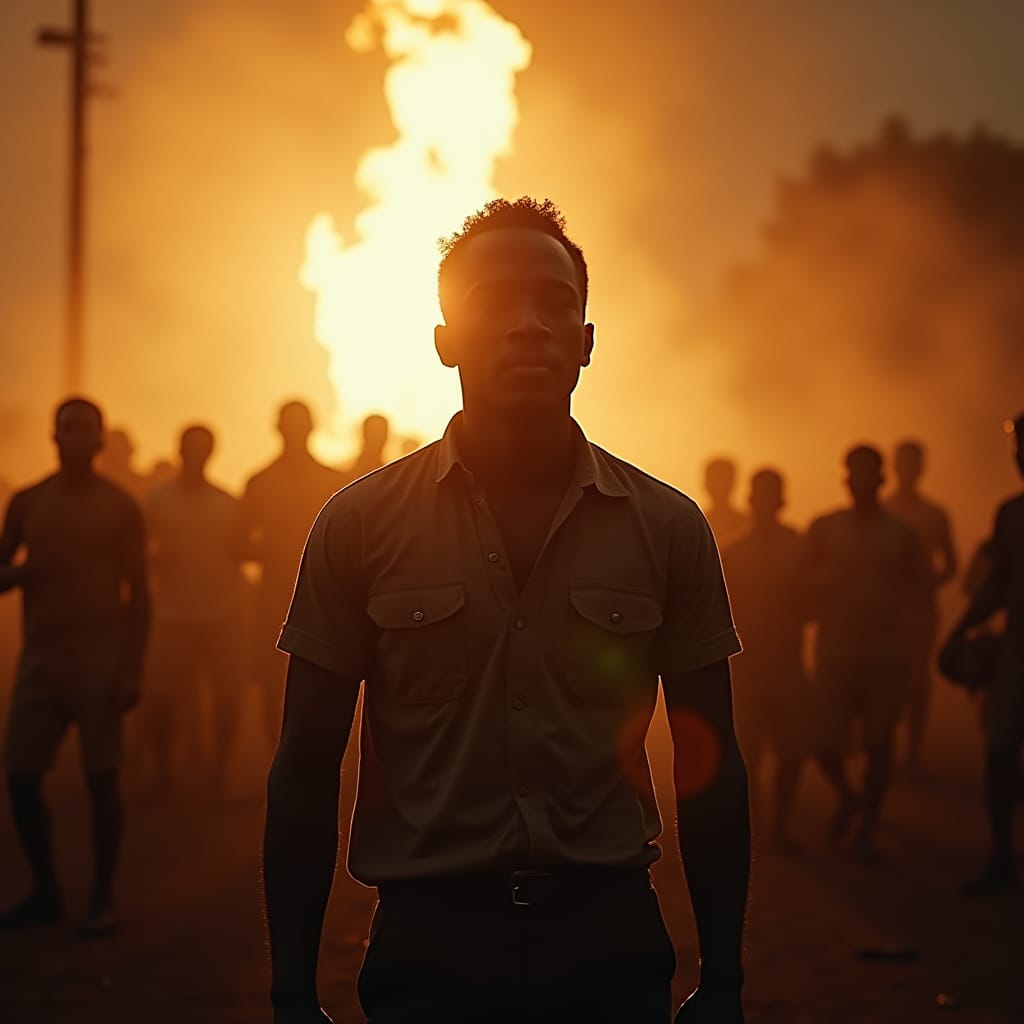
He led a march in protest of the injustice and poor living conditions faced by the majority of Jamaicans, particularly the Black populationPopulation refers to the total number of people inhabiting a defined geographic area and encompasses their demographic, ... More. His efforts aimed to secure better treatment and fairer laws for the peopleThe people of Jamaica embody a spirit that is at once richly diverse and unbreakably unified, as captured by the nationa... More. Despite being executed for his role in the uprising, Bogle’s fight for justice lives on, making him a symbol of resistance against oppression. Today, Paul Bogle is remembered through monuments, schools named in his honor, and his image on Jamaica’s $50 note.
Sir Alexander BustamanteSir Alexander Bustamante, a towering figure in Jamaican history, played a pivotal role in shaping the nation’s politic... More (1884-1977)

Sir Alexander Bustamante was a labor leader and the first Prime MinisterIn Jamaica, a Minister is a senior government official responsible for overseeing a particular ministry or department. T... More of independent Jamaica in 1962. Known for his fearless advocacy for workers’ rights, Bustamante founded the Bustamante Industrial Trade Union (BITU) and played a significant role in the country’s labor movement.
His efforts contributed to the shaping of modern JamaicanThe term "Jamaican" encompasses the citizens of Jamaica and their descendants in the Jamaican diaspora, representing a d... More politics, and he is celebrated as a champion of the working class. Bustamante’s legacyLegacy, in the context of Jamaica, real estate, and the broader world, represents the enduring impact of past actions, a... More endures today through institutions, such as the Bustamante Hospital for Children, and he remains a towering figure in Jamaica’s labor history.
Marcus GarveyMarcus Garvey, one of Jamaica's most important heroes, was born in Saint Ann in 1887 and grew up to inspire people all o... More (1887-1940)
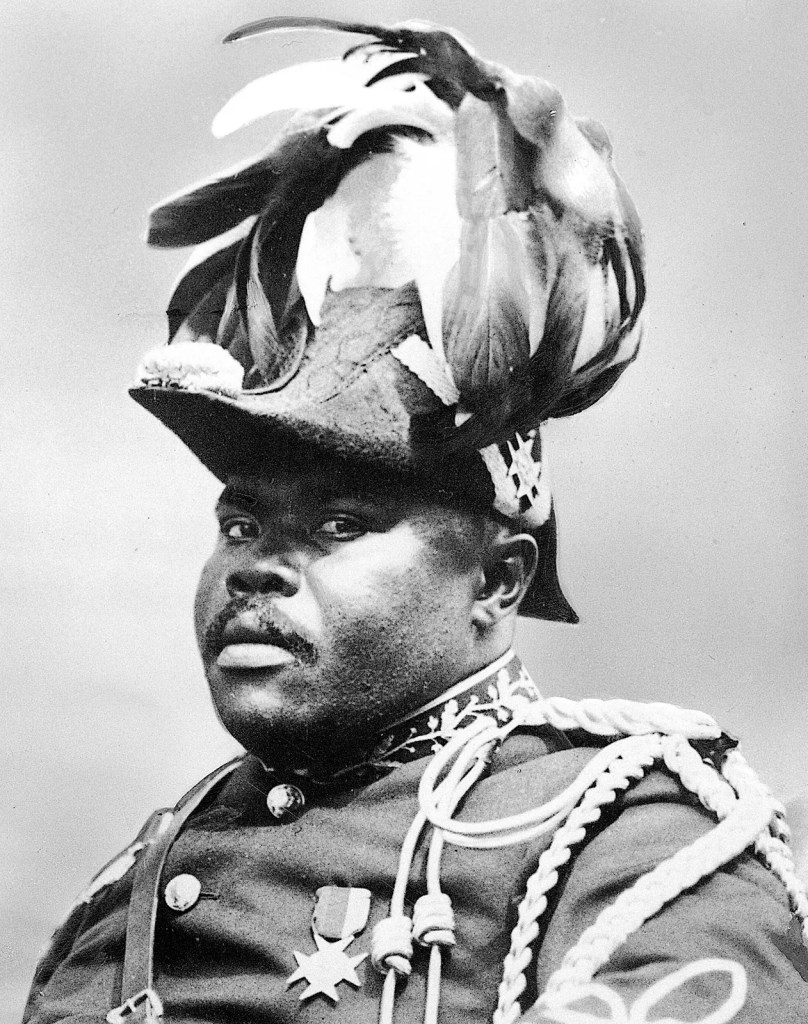

Marcus Garvey, born in St. AnnSt. Ann, Jamaica's largest parish, is located on the northern side of the island, bordered by St. Mary, Trelawny, St. Ca... More, was a visionary who advocated for Black nationalism and empowerment. He founded the Universal Negro Improvement Association (UNIA), promoting pride in AfricanAfricans, in the context of Jamaica, real estate, and the broader world, represent individuals of African descent or tho... More heritageHeritage, in the context of Jamaica, real estate, and the rest of the world, refers to the tangible and intangible asset... More and the idea of Pan-Africanism, which encouraged Black people worldwide to unite and improve their communities. Although Garvey’s influence reached beyond Jamaica, his impact on the consciousness of Black identity and self-reliance remains a cornerstone of Jamaican cultureJamaican culture reflects centuries of diverse influences, shaped by colonization, migration, and a blend of African, Eu... More. Garvey’s teachings are still celebrated today, with his philosophies resonating in schools, cultural movements, and Pan-African organizations.
George William Gordon (1815-1865)
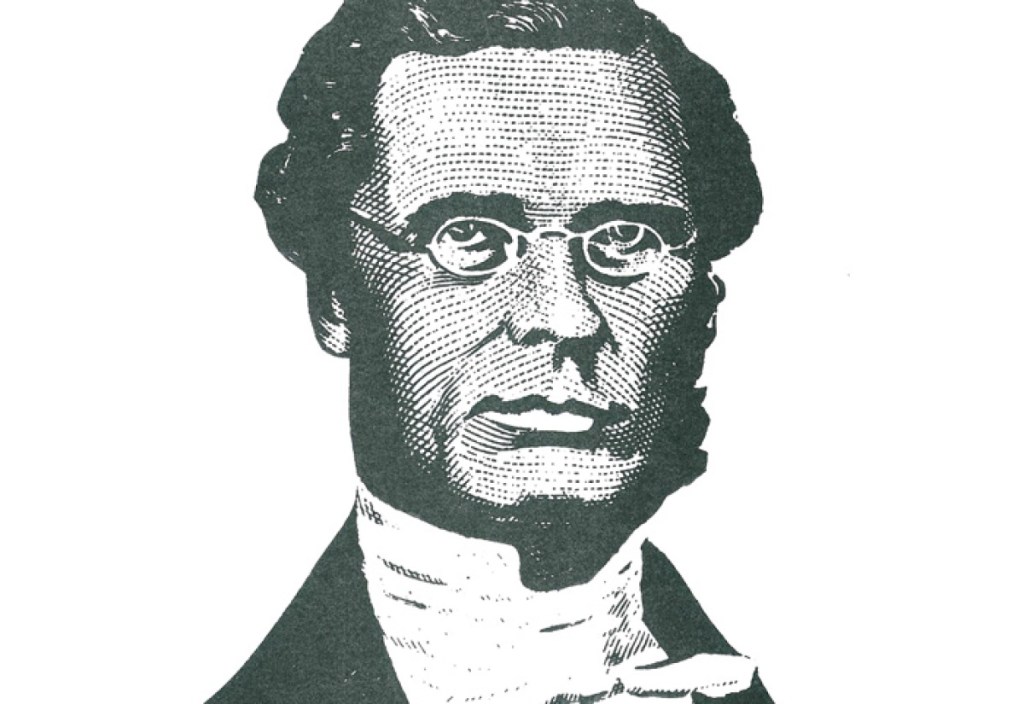
George William Gordon was a politician and businessman who fought for the rights of the poor and disenfranchised. Born into a wealthy family, Gordon used his privilege to become an outspoken critic of the colonial government’s treatment of the Jamaican people, particularly in rural areas. He was wrongfully executed after the Morant BayMorant Bay, located on the southeastern coast of Jamaica, is a historic town and the capital of the parish of St. Thomas... More Rebellion, but his dedication to the cause of justice has made him a revered national hero. Gordon’s contributions are celebrated in history lessons across the nation, and his life stands as a reminder of the power of speaking out against inequality.
Norman Washington Manley (1893-1969)

A Rhodes Scholar and one of Jamaica’s leading lawyers, Norman Washington Manley was instrumental in the movement toward Jamaica’s independence. He co-founded the People’s National Party (PNP) and played a critical role in the drafting of the Jamaican Constitution. Manley is celebrated for his legal brilliance and for being a key architectAn architect is essential in designing buildings and structures, combining creativity with technical skill to create fun... More of Jamaica’s transition to self-governance. His contributions to Jamaica’s political structure are honored through the institutions and infrastructure bearing his name, such as Norman ManleyNorman Manley, a pivotal figure in Jamaica’s history, is widely recognized for his significant contributions to the is... More International Airport.

Nanny of the MaroonsNanny of the Maroons, an iconic figure in Jamaican history, is celebrated for her leadership in the First Maroon War and... More
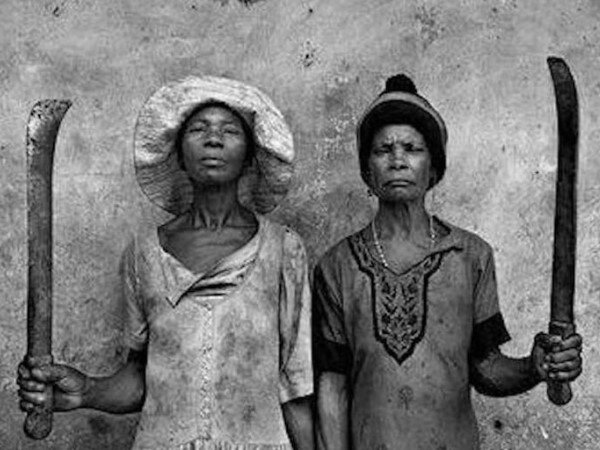
Queen Nanny, more commonly known as Nanny of the Maroons, was a legendary leader of the Maroons—enslaved Africans who escaped to the mountains and fought against British colonial forces in the 18th century. Nanny’s leadership and military strategies helped the Maroons establish autonomous communities and secure treaties with the British. Nanny is remembered as a symbol of resistance and freedom, and her legacy is celebrated each year as an embodiment of courage and resilience. Her face also graces the Jamaican $500 bill, often referred to as the “Nanny note.”
Samuel SharpeSamuel Sharpe, a key figure in Jamaican history, is renowned for his leadership in the 1831-1832 Baptist War, a pivotal ... More (1801-1832)

Samuel Sharpe, an enslaved Baptist preacher, was the leader of the 1831 Christmas RebellionThe Christmas Rebellion, which unfolded between December 1831 and January 1832, was a pivotal uprising in Jamaica, ignit... More (also known as the Baptist War), which played a key role in the eventual abolition of slaverySlavery in Jamaica, which began in the early 17th century following the island's colonization by the British, was a brut... More in Jamaica. Sharpe organized the uprising, believing that no man should live in bondage. Though he was executed for his actions, his leadership in the fight for emancipation earned him a place among Jamaica’s national heroes. Sharpe’s influence is remembered through schools and landmarks bearing his name, and his legacy as a freedom fighter is celebrated annually.
Celebrating National Heroes’ Day Today
National Heroes’ Day is marked with a variety of events that pay tribute to the courage and sacrifices of these iconic figures. Ceremonies across the island include flag-raising and tree-planting, concerts, and church services. In addition, the Jamaican governmentJamaica is a member of the Commonwealth of Nations, a voluntary association of independent countries, many of which were... More hosts an annual award ceremony to recognize contemporary citizens who have made outstanding contributions to society, echoing the spirit of the national heroes.

Beyond the formal events, schools and communities engage in educational activities to teach younger generations about the significance of the national heroes. Streets and parks across Jamaica are adorned with statues and memorials, keeping the memory of these leaders alive in the heart of the nation. Their stories serve as a constant reminder of the power of standing up for justice, equality, and freedom.
Conclusion
National Heroes’ Day in Jamaica is more than just a public holiday; it is a day of reflection, pride, and celebration of the individuals who fought for the freedoms and rights we enjoy today. From Paul Bogle’s courageous stand for justice to Nanny of the Maroons’ defiance of colonial rule, each hero has left a profound impact on Jamaica’s history and future. As we celebrate National Heroes’ Day, let us remember their legacies and strive to continue building a Jamaica that honors the values for which they stood.
FAQs About National Heroes Day in Jamaica
1. When is National Heroes Day celebrated in Jamaica?
National Heroes Day is celebrated on the third Monday in October each year. This public holiday honors Jamaica’s seven national heroes who made significant contributions to the country’s independence and development.
2. Who are Jamaica’s national heroes?
Jamaica has seven national heroes:
- Paul Bogle: A leader of the 1865 Morant Bay Rebellion, who fought for justice and fair treatment.
- Sir Alexander Bustamante: The first prime minister of independent Jamaica and a key figure in the labour movement.
- Marcus Garvey: A proponent of Black nationalism and Pan-Africanism, both in Jamaica and globally.
- George William Gordon: A politician and advocate for the rights of black Jamaicans, executed after the Morant Bay Rebellion.
- Norman Washington Manley: A prominent lawyerA lawyer in the context of Jamaica, real estate, and globally, is a licensed legal professional who provides expert guid... More, Rhodes Scholar, and one of Jamaica’s founding political leaders.
- Nanny of the Maroons: A leader of the Maroons, who fought against British colonial rule and preserved freedom for runaway slaves.
- Samuel Sharpe: The leader of the 1832 Baptist War, which hastened the abolition of slavery in Jamaica.
3. Are there any more national heroes in Jamaica?
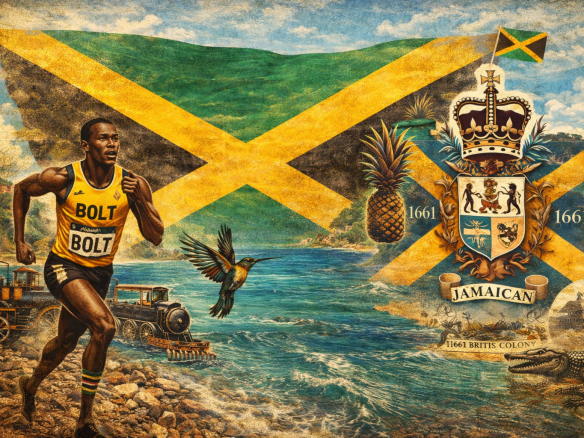
Currently, Jamaica recognizes seven national heroes. While there have been calls to consider other influential figures, such as Bob MarleyBob Marley refers to the iconic Jamaican musician and cultural figure renowned for his contributions to reggae music and... More, Louise Bennett-Coverley (“Miss Lou”), and Usain Bolt, none have been officially declared national heroes as of now.
4. How are the national heroes celebrated on National Heroes Day?
National Heroes Day is marked by various ceremonies across Jamaica, including flag-raising events, tree-planting, concerts, and services in honor of the heroes. Awards are also given to modern-day citizens who have made outstanding contributions to Jamaican society. Schools and communities organize special events to educate people about the legacy of the heroes.
5. Why was National Heroes Day created?
National Heroes Day was established to replace the celebration of Queen Elizabeth II’s birthday and to focus on honoring Jamaica’s own historical figures. The holiday was first celebrated on October 20, 1969, to acknowledge the contributions of the individuals who played key roles in Jamaica’s struggle for independence, justice, and human rights.
6. What contributions did the national heroes make to Jamaica?
Each national hero contributed significantly to Jamaica’s history:
- Paul Bogle and George William Gordon fought for justice and civil rights during a time of economic hardship and racial inequality.
- Marcus Garvey inspired Black pride and global Pan-Africanism.
- Norman Manley and Alexander Bustamante were central to Jamaica’s journey to independence.
- Nanny of the Maroons resisted colonialism and defended the freedom of her people.
- Samuel Sharpe played a pivotal role in the abolition of slavery.
7. How can people participate in National Heroes Day celebrations?
Individuals can participate by attending local ceremonies, joining in flag-raising events, tree-planting initiatives, or taking part in communityIn Jamaica, "community" refers to more than just a geographic area; it embodies a collective identity rooted in shared e... More activities that highlight the lives of the national heroes. Many also use this day to reflect on the values of justice, freedom, and national pride that these heroes embodied.
8. What awards are given on National Heroes Day?
On National Heroes Day, the Jamaican government holds ceremonies to honor citizens who have made significant contributions to the country. These awards include the Order of Jamaica, Order of Merit, and Order of Distinction, among others, recognizing excellence in various fields such as public service, arts, and sports.
9. Why is Nanny of the Maroons considered a national hero?
Nanny of the Maroons is celebrated for her leadership in resisting British colonization. As the leader of the Windward Maroons, she successfully defended her people’s freedom from slavery and played a key role in maintaining the autonomy of the MaroonA Maroon is a member of a group of descendants of enslaved Africans who escaped from plantations in the Americas and est... More communities during the 18th century.



Join The Discussion