
 by
by 
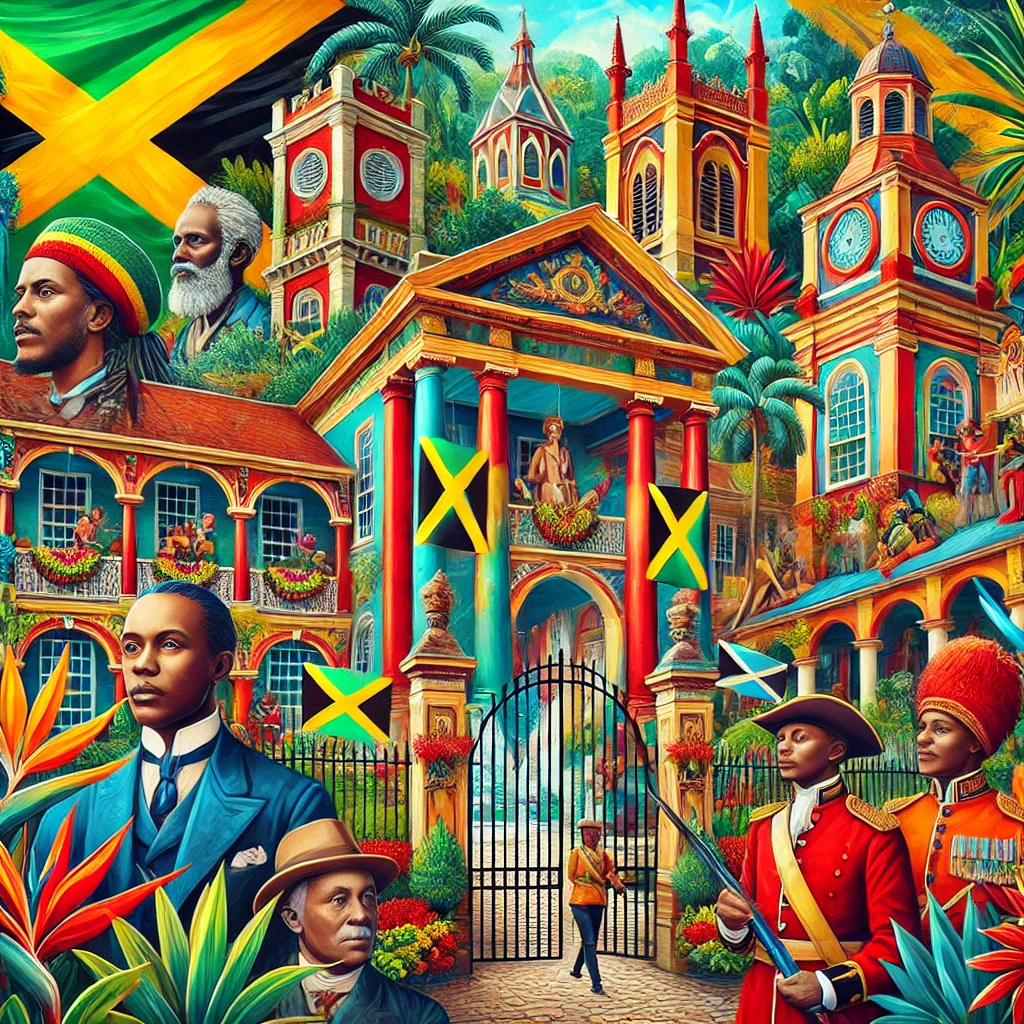
Traveling across JamaicaJamaica, with its vibrant culture and stunning landscapes, has a unique position in the global real estate market. The i... More, the island’s rich history comes alive in its built heritageHeritage, in the context of Jamaica, real estate, and the rest of the world, refers to the tangible and intangible asset... More. From majestic great housesGreat Houses in Jamaica and beyond are architectural and historical icons symbolizing power, wealth, and social hierarch... More and ancient courthouses to sugar mills, water wheels, and vernacular homes, these structures embody the ingenuity and craftsmanship of the past. They also serve as tangible links to the lives, stories, and contributions of enslaved Africans who constructed them. Despite their origins in a painful history, Jamaica’s architectural heritage is invaluable and merits preservation for its cultural, historical, and aesthetic significance.
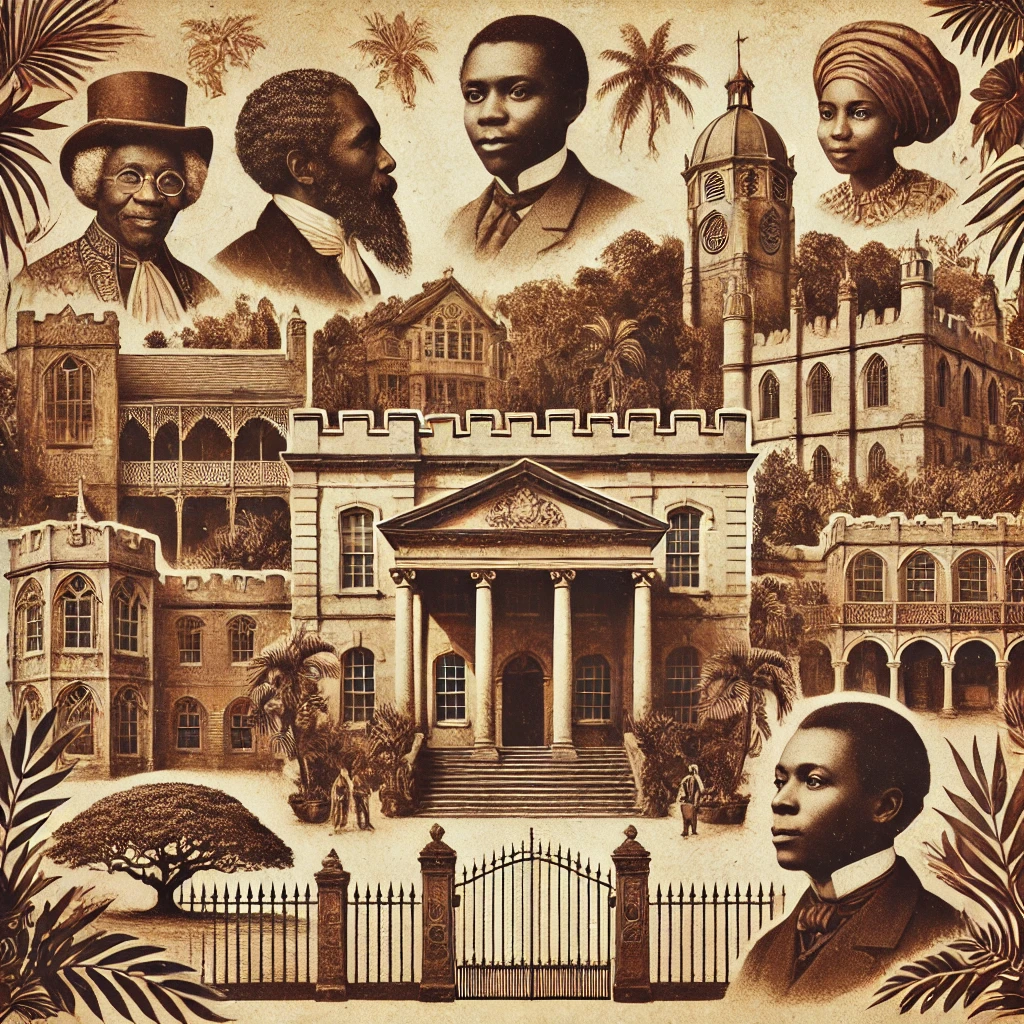
A Testimony of African Skill and Resilience
Jamaica’s built heritage is not merely a reminder of colonial oppression but also a powerful testament to the skill, creativity, and resilience of AfricanAfricans, in the context of Jamaica, real estate, and the broader world, represent individuals of African descent or tho... More laborers. Far from the “uncivilized” narrative often perpetuated by colonial histories, enslaved Africans arrived with expertise in architectureArchitecture is the art and science of designing and constructing buildings and spaces that reflect cultural, functional... More, urban planningUrban planning in Jamaica involves the strategic organization and development of cities and towns to create efficient, s... More, and craftsmanship honed in their native lands.
Richard Hull, in African Cities and Towns Before the EuropeanEuropeans, in the context of Jamaica, real estate, and the global market, refer to individuals from the continent of Eur... More Conquest, debunks the myth that African societies lacked sophisticated architecture. He highlights how these communities built towns and cities that were “works of art.” This expertise traveled across the Atlantic, enabling enslaved Africans to create structures in Jamaica that have withstood centuries of natural disastersNatural disasters, such as hurricanes, earthquakes, and floods, arise from environmental processes that can cause signif... More, attesting to their technical and artistic mastery.
For instance, the repairs of Headquarters HouseA house serves as a fundamental structure designed for residential living, providing shelter and a place for individuals... More in KingstonKingston, the capital city of Jamaica, embodies a dynamic fusion of historical depth and contemporary vitality. Establis... More demonstrated the remarkable skills of enslaved workers. The nearly 300-year-old subfloor remains intact today, thanks to their ingenuity. These structures, built under duress, are enduring evidence of their intelligence and strength.
Preserving Identity and Cultural Memory
Marcus GarveyMarcus Garvey, one of Jamaica's most important heroes, was born in Saint Ann in 1887 and grew up to inspire people all o... More wisely noted, “A peopleThe people of Jamaica embody a spirit that is at once richly diverse and unbreakably unified, as captured by the nationa... More without knowledge of their past history, origin, and culture is like a tree without roots.” Preserving Jamaica’s built heritage ensures that future generations understand the legacyLegacy, in the context of Jamaica, real estate, and the broader world, represents the enduring impact of past actions, a... More of their ancestors. Dismantling or neglecting these structures risks erasing the evidence of African labor and contributions, allowing colonial narratives to dominate unchecked.
Jamaica’s built heritage also reflects the fusion of African and European influences, showcasing the island’s multicultural identity. While these structures were often constructed under oppressive conditions, they represent both the ingenuity of the oppressed and the complex racial and cultural makeup of modern Jamaica.
Legal Protection of Jamaica’s Heritage
Preservation efforts are critical for safeguarding Jamaica’s historic sites. The Jamaica National Heritage Trust (JNHTThe Jamaica National Heritage Trust (JNHT) is a statutory institution committed to protecting and enhancing Jamaica's hi... More) oversees this task by declaring sites as national monuments or protected heritage. These legal designations ensure that significant structures remain intact for their historical, architectural, and aesthetic valueThe concept of aesthetic value is central to Jamaica's identity, influencing various aspects of life on the island, part... More.
For instance, under the JNHT Act, altering or demolishing protected sites without approval is prohibited. This framework not only prevents cultural erasure but also encourages responsible developmentIn Jamaica, the term "development" can refer to various contexts, each with its unique focus and implications. Real esta... More. The Heritage Architectural Review Board (HARB), comprising architects and archaeologists, ensures that restoration projectsA project or projects, within the Jamaican context, refers to a planned endeavor undertaken to achieve specific goals or... More maintain the integrity of historic structures.
The Aesthetic and Economic Value of Preservation
Jamaica’s built heritage is more than a historical record—it is a cornerstone of the island’s aesthetic appeal and economic potential. From the grandeur of Rose Hall to the charm of Falmouth’s Georgian architecture, these sites attract tourists and researchers, contributing significantly to the local economy.
Well-preserved historic buildings can also serve as communityIn Jamaica, "community" refers to more than just a geographic area; it embodies a collective identity rooted in shared e... More hubs, fostering local pride and identity. Restorations often inspire further investment"Investment" in the realm of real estate refers to the allocation of money or resources into property with the expectati... More in surrounding areas, boosting property valuesProperty values refer to the worth of a piece of real estate, influenced by various factors such as location, condition,... More and revitalizing neighborhoodsNeighborhoods, originally defined as geographically localized communities within a city, town, or rural area, serve as t... More.
Challenges and Opportunities
Despite its value, Jamaica’s built heritage faces threats from neglect, urbanizationUrbanization is the process by which an increasing number of people move from rural areas to cities and towns, driving t... More, and natural disasters. Many historic buildings are in disrepair, and without urgent action, they riskA risk is the possibility of an adverse outcome or loss arising from uncertainty or potential hazards. It represents the... More being lost forever. Preservation requires significant resources, collaboration, and public awareness.
The JNHT provides guidelines for restoration, emphasizing the need for careful planningPlanning in Jamaica involves managing land, resources, and infrastructure to support economic growth, social development... More and adherence to historical accuracy. Owners and developers must work with qualified architects and comply with the JNHT’s approval process to ensure that restoration projects honor the original designs.
Preservation as a Form of Resistance
Preserving Jamaica’s architectural heritage is a powerful act of resistance against cultural erasure. These structures stand as reminders of the injustices of the past and the resilience of the human spirit. Removing them would erase the evidence of African contributions, allowing false colonial narratives to prevail.
Instead, maintaining these buildings allows JamaicansJamaicans are a resilient and vibrant people with a deep-rooted history defined by courage, resistance, and cultural ric... More to reclaim their history and celebrate the skill, endurance, and creativity of their ancestors. It also encourages critical conversations about the island’s colonial legacy and its influence on contemporary society.
Conclusion
Jamaica’s built heritage is a treasure trove of history, culture, and artistry. Each courthouse, great house, and sugar mill tells a story of endurance and innovation, illuminating the profound contributions of African laborers. Preserving these structures is not only a duty to the past but also an investment in the future, fostering cultural pride, economic growthEconomic growth is when a country’s economy gets bigger and better over time. This means that the country is making an... More, and historical understanding.
As custodians of this rich legacy, Jamaicans must work together—through legal protection, responsible development, and public education—to ensure that these irreplaceable landmarks endure for generations to come. By doing so, we honor the sacrifices and achievements of those who came before us, preserving their stories in stone, wood, and history.


Join The Discussion