
 by
by 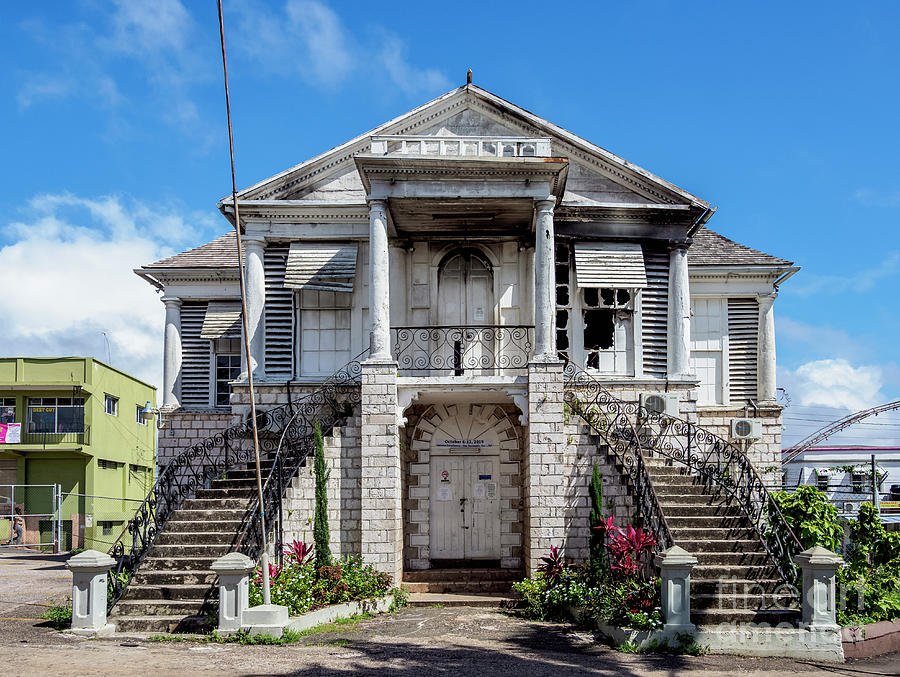
Nestled in the central highlands of JamaicaJamaica, with its vibrant culture and stunning landscapes, has a unique position in the global real estate market. The i... More lies the parish of Manchester, a region rich in history, culture, and natural beauty. Known for its cool climate, picturesque landscapes, and vibrant communityIn Jamaica, "community" refers to more than just a geographic area; it embodies a collective identity rooted in shared e... More, ManchesterManchester is a parish located in central Jamaica, known for its cooler climate and picturesque landscapes. Renowned for... More offers a unique glimpse into Jamaica’s past and present. This blog delves into the full history of Manchester, blending facts, figures, sayings, architectureArchitecture is the art and science of designing and constructing buildings and spaces that reflect cultural, functional... More, homes, populationPopulation refers to the total number of people inhabiting a defined geographic area and encompasses their demographic, ... More trends, and the experiences of returnees, creating a vivid narrative from its early days to contemporary times.
Early History and Establishment
Manchester was established as a parishIn Jamaica, a parish is a unique blend of community, culture, and history. Each of the 14 parishes serves as a local gov... More on December 13, 1814, by an Act of the Assembly of Jamaica. It was formed by combining parts of the parishes of St. Elizabeth, ClarendonClarendon is a parish situated in central Jamaica, known for its diverse landscape that includes fertile plains and roll... More, and Vere. Named after the Duke of Manchester, who was then the governor of Jamaica, the parish was designed to facilitate better governance and developmentIn Jamaica, the term "development" can refer to various contexts, each with its unique focus and implications. Real esta... More in the interiorThe interior of a building encompasses the spaces within its walls, floors, and ceilings, including all rooms, corridors... More regions of the island.
The early settlers in Manchester were primarily British planters and expatriates who were attracted to the area’s fertile soil and cooler climate. The parish’s elevated terrain, ranging from 2,000 to 3,000 feet above sea level, provided a respite from the heat and humidity of the coastal areas, making it an ideal location for agriculture and settlement.
Agricultural Heritage
Subscribe to Jamaica HomesJamaica Homes is a premier real estate company offering a comprehensive platform for buying, selling, and renting proper... More
Jamaica Homes is a reader-supported publication.
Jamaica Homes brings together peopleThe people of Jamaica embody a spirit that is at once richly diverse and unbreakably unified, as captured by the nationa... More, propertyProperty encompasses a wide range of tangible assets that individuals or entities can own, utilize, or invest in, includ... More, and place News, insight, and real opportunities—straight to your inbox.
Agriculture has always been at the heart of Manchester’s economy. The parish’s rich, fertile soil and favorable climate made it an agricultural hubIn the Jamaican real estate landscape, a hub refers to a central point of activity or a focal area that drives growth an... More from its earliest days. Coffee was one of the first major crops grown in the region, with plantations established by British settlers. The high-quality coffee produced in Manchester gained a reputation both locally and internationally.
As the 19th century progressed, other crops such as pimento (allspice), citrus fruits, and bananas became significant agricultural products. The introduction of these crops diversified the parish’s agricultural base and contributed to its economic prosperity.
Architectural Heritage
Manchester boasts a wealth of architectural heritageHeritage, in the context of Jamaica, real estate, and the rest of the world, refers to the tangible and intangible asset... More, reflecting its colonial past and subsequent development. The town of Mandeville, the parish capitalCapital refers to the financial resources, whether in the form of equity, debt, or other assets, that individuals or bus... More, is particularly noted for its well-preserved colonial architectureColonial architecture refers to a style of building that emerged during the period of European colonization, combining e... More.
- Manchester Parish Church: Built in 1820, the Manchester Parish Church in MandevilleMandeville, the capital of Manchester parish in Jamaica, is the largest town in the region. As of 2005, it had a populat... More is a fine example of Georgian architecture. Constructed from local limestone, the church features a clock tower, beautiful stained-glass windows, and a serene churchyardA churchyard is an area of land adjacent to a church, often encompassing the surrounding grounds and sometimes including... More, making it a focal point of the town’s architectural heritage.
- Mandeville Courthouse: Erected in 1817, the Mandeville Courthouse is another significant landmarkA landmark is a recognizable or significant feature in an area that holds cultural, historical, or physical importance. ... More. Its Georgian designDesign is the art and science of creating plans and specifications for the construction of objects, structures, and syst... More, with tall windows, a grand entrance, and a central clock, makes it a prominent feature of the town. The courthouse has served as a center for administrative and judicial activities for over two centuries.
- Colonial Homes: Many of the residential homes in Manchester, particularly in Mandeville, reflect the architectural stylesArchitectural styles in Jamaica and globally represent the distinctive characteristics and design principles that define... More of the 19th and early 20th centuries. These homes often feature large verandas, high ceilings, and extensive use of wood and stone, blending functionality with aesthetic appeal.
Population and Demographics
The population of Manchester has grown steadily over the years, reflecting the parish’s appeal as a place to live and work. According to the Statistical Institute of JamaicaThe Statistical Institute of Jamaica (STATIN) is the national agency responsible for collecting, analyzing, and dissemin... More, the population of Manchester was approximately 190,000 in the early 2020s. This figure has increased significantly from the early days of the parish, driven by natural growth and migration.
- Diverse Population: Manchester is home to a diverse population, comprising individuals from various ethnic and cultural backgrounds. This diversity is a testament to the parish’s inclusive and welcoming community.
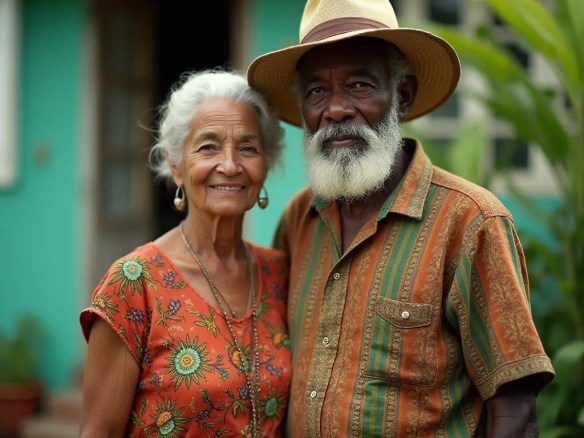
- Returnees: One notable demographic trend in Manchester is the significant number of returnees—Jamaicans who have lived abroad and returned to their homeland. Many returnees choose Manchester for its pleasant climate, quality of life, and the opportunity to reconnect with their roots. This influx of returnees has enriched the parish’s cultural fabric and contributed to its economic vitality.
Education and Institutions
Manchester has long been a center for education in Jamaica, with several prominent educational institutions contributing to the intellectual and social development of the region.
- Northern Caribbean UniversityParish: Manchester Northern Caribbean University (NCU), formerly West Indies College, was founded through the effor... More (NCU): Established in 1907, NCU is a private universityA university, in the context of Jamaica, real estate, and the world, is an institution offering academic programs leadin... More affiliated with the Seventh-day Adventist ChurchThe Seventh-day Adventist Church is a Protestant Christian denomination that originated in the mid-19th century in the U... More. Located in Mandeville, the university offers a wide range of undergraduate and graduate programs and is known for its emphasis on holistic education and community service. NCU has played a pivotal role in shaping the academic landscape of Manchester and beyond.
- High Schools: Manchester is home to several reputable high schools, including Manchester High School, established in 1855. These institutions have a long tradition of academic excellence and have produced many notable alumni who have excelled in various fields.
Economic Development
Manchester’s economy has evolved significantly over the years, transitioning from a primarily agricultural base to a more diversified economic structure.
- Agriculture: Agriculture remains a cornerstone of Manchester’s economy. In addition to traditional crops like coffee and pimento, the parish is known for its citrus fruits, particularly oranges and grapefruit. The region’s fertile soil and favorable climate continue to support a thriving agricultural sector.
- Bauxite MiningBauxite mining is a significant industry in Jamaica, profoundly impacting both the economy and the real estate landscape... More: The discovery of bauxite deposits in the mid-20th century brought significant economic change to Manchester. Bauxite mining and processing became major industries, providing employment opportunities and driving economic growthEconomic growth is when a country’s economy gets bigger and better over time. This means that the country is making an... More. Companies such as Alcan Jamaica (now Jamalco) have been instrumental in the development of the bauxite industry in the region.
- TourismTourism in Jamaica refers to the industry focused on attracting visitors to the island, who come to experience its natur... More: With its cool climate and scenic beauty, Manchester has become a popular destination for tourists. Attractions such as the Marshall’s Pen, a historic estateIn Jamaican real estate, an estate refers to the total collection of assets and property owned by an individual, especia... More, and the nearby Cockpit CountryThe Cockpit Country in Jamaica is a unique and ecologically significant region characterized by its dramatic karst limes... More draw visitors interested in history, nature, and adventure. The parish’s tourism sector has grown steadily, contributing to its overall economic prosperity.
Cultural Significance and Sayings
Manchester holds a special place in Jamaican cultureJamaican culture reflects centuries of diverse influences, shaped by colonization, migration, and a blend of African, Eu... More, with several sayings and expressions reflecting its unique character. The town of Mandeville, in particular, is often referred to as the “coolest place in Jamaica,” a testament to its temperate climate and pleasant living conditions.
The parish is also known for its vibrant cultural scene, with festivals and events celebrating its rich heritage. The Mandeville Agricultural Show, for instance, is an annual event that showcases the region’s agricultural produce, livestock, and craftsmanship. This event is a highlight of the local calendar, bringing the community together in a festive atmosphere.
Homes and Living Conditions
Manchester offers a high quality of life, with modern amenitiesThe amenities and extras that are included vary from house to house. Certain residents only get access to exclusive bene... More and services that cater to the needs of its residents. The parish’s real estateReal estate refers to property consisting of land and the structures on it, such as buildings and homes. It also include... More market provides a range of housing options, from historic colonial homes to modern apartments and gated communities.
- Historic Homes: Many of the older homes in Manchester reflect the architectural styles of the colonial and early post-colonial periods. These homes often feature large verandas, high ceilings, and extensive use of wood and stone. They are cherished for their historical value and aesthetic appeal.
- Modern LivingModern living represents a dynamic shift in how people design, use, and experience their homes, reflecting evolving life... More: In addition to its historic homes, Manchester has seen the development of modern residential areas that offer contemporary amenities and conveniences. Gated communities and new housing developments cater to the needs of returnees and expatriates seeking a comfortable and secure living environment.
- Healthcare: Manchester is served by several healthcare facilities, including the Mandeville Regional Hospital, which provides comprehensive medical services to the residents of the parish and surrounding areas. Additionally, there are numerous private clinics and specialized medical practitioners available.
- Shopping and Dining: The parish boasts a variety of shopping centers, markets, and dining establishments. The Cecil Charlton Park and the Mandeville Market are popular spots for locals and visitors to shopIn Jamaica real estate, and globally, a shop is more than just a commercial space—it’s a community hub where daily l... More for fresh produce, crafts, and other goodsGoods refer to physical items produced for consumption or sale, encompassing a wide array of products from basic necessi... More. The culinary scene in Manchester is diverse, with restaurants offering both local and international cuisine.
Recreation and Leisure
Residents and visitors of Manchester can enjoy a range of recreational activities, thanks to the parish’s natural beauty and temperate climate.
- Outdoor Activities: The cool climate and scenic landscapes of Manchester make it ideal for outdoor activities such as hiking, bird watching, and exploring the nearby Cockpit Country. The region’s lush greenery and diverse wildlife offer numerous opportunities for nature enthusiasts.
- Golf: Manchester is home to one of the oldest golf courses in the Western Hemisphere, the Manchester Club. Established in 1868, the club provides a picturesque setting for golfing and social events.
- Cultural Events: The parish hosts various cultural events throughout the year, celebrating its rich heritage and vibrant community. Festivals, agricultural shows, and cultural fairs are popular occasions that bring residents and visitors together.
Notable Figures and Contributions
Manchester has been home to many notable figures who have made significant contributions to JamaicanThe term "Jamaican" encompasses the citizens of Jamaica and their descendants in the Jamaican diaspora, representing a d... More society and beyond. These individuals have excelled in various fields, including education, politics, sports, and the arts.
- Norman ManleyNorman Manley, a pivotal figure in Jamaica’s history, is widely recognized for his significant contributions to the is... More: One of Jamaica’s National Heroes, Norman Manley was born in Roxborough, ManchesterRoxborough is a small community south of Mandeville in Manchester, Jamaica, and the birthplace of National Hero and poli... More. A prominent lawyerA lawyer in the context of Jamaica, real estate, and globally, is a licensed legal professional who provides expert guid... More and politician, Manley played a crucial role in Jamaica’s journey to independence and was a founding member of the People’s National Party (PNP).
- Claude McKay: A celebrated poet and novelist, Claude McKay was born in Sunny Ville, Clarendon (which later became part of Manchester). His works, including “Home to Harlem” and “Banana Bottom,” are considered classics of Jamaican literature and have had a lasting impact on CaribbeanThe Caribbean is a vast region made up of over 700 islands, islets, reefs, and cays. Some of the most well-known islands... More and African-American literary traditions.
Contemporary Manchester
Today, Manchester continues to thrive as a vibrant and dynamic parish that balances its rich history with modern development. The parish remains a popular destination for returnees and expatriates, drawn by its pleasant climate, welcoming community, and high quality of life.
Manchester’s commitmentIn Jamaican real estate, commitment refers to the dedication and assurance from buyers, sellers, or agents to fulfill th... More to preserving its historical heritage while embracing progress is evident in its ongoing efforts to maintain and restore its architectural landmarks
and develop modern infrastructure. The harmonious blend of the old and the new is one of the defining characteristics of contemporary Manchester.
Challenges and Opportunities
Like many regions, Manchester faces various challenges as it continues to grow and develop. Issues such as urbanizationUrbanization is the process by which an increasing number of people move from rural areas to cities and towns, driving t... More, traffic congestion, and environmental sustainability require careful planningPlanning in Jamaica involves managing land, resources, and infrastructure to support economic growth, social development... More and management. However, these challenges also present opportunities for innovation and improvement.
- Urban PlanningUrban planning in Jamaica involves the strategic organization and development of cities and towns to create efficient, s... More: Ensuring that Manchester’s growth is sustainable and well-managed is crucial. Urban planning initiatives aim to address issues such as traffic congestion, housing demand, and infrastructure development while preserving the parish’s historical and cultural heritage.
- Environmental Sustainability: Manchester’s natural beauty and temperate climate are key assetsAssets represent valuable resources held by individuals or businesses, crucial for generating income and ensuring financ... More that need protection. Efforts to promote environmental sustainability include initiatives to conserve natural resourcesNatural resources are materials and substances that come from the earth and are used by people to live and build things.... More, reduce pollution, and promote eco-friendly practices. Community-based projectsA project or projects, within the Jamaican context, refers to a planned endeavor undertaken to achieve specific goals or... More such as reforestation, sustainable farming, and waste management programs are increasingly becoming part of Manchester’s development agenda.
- Economic Diversification: While Manchester’s economy has traditionally relied on agriculture and mining, there is potential for diversification into sectors such as technologyTechnology, in its original definition, refers to the application of scientific knowledge for practical purposes, often ... More, tourism, and education. Encouraging entrepreneurship and investment"Investment" in the realm of real estate refers to the allocation of money or resources into property with the expectati... More in these areas can drive economic growth and create new opportunities for residents. The establishment of tech hubs, eco-tourism projects, and educational institutions can play a pivotal role in this diversification.
The Impact of Returnees
The influx of returnees has had a profound impact on Manchester, enriching the parish’s cultural fabric and contributing to its economic vitality. Returnees bring with them diverse experiences, skills, and perspectives that enhance the community.
- Cultural Enrichment: Returnees contribute to the cultural diversity of Manchester, introducing new ideas, practices, and traditions. Their presence fosters a cosmopolitan atmosphere, blending local customsLocal customs in Jamaica refer to the traditional practices and norms specific to various communities across the island.... More with global influences.
- Economic Contributions: Returnees often invest in local businesses, real estate, and community projects, boosting the parish’s economy. Their entrepreneurial spirit and financial resources help create jobs and stimulate economic activity.
- Community EngagementCommunity engagement in project management and real estate development involves actively involving local people and stak... More: Many returnees actively participate in community development initiatives, sharing their expertise and knowledge to benefit local residents. They contribute to education, healthcare, and social services, enhancing the overall quality of life in Manchester.
The Role of Education
Education has always been a cornerstone of Manchester’s development. The parish is home to several institutions that have shaped the intellectual and social landscape of the region.
- Northern Caribbean University (NCU): NCU continues to be a beacon of higher education in Manchester. The university’s emphasis on research, innovation, and community service has produced graduates who contribute significantly to the development of Jamaica and the wider Caribbean.
- High Schools and Primary Schools: Manchester’s educational institutions are renowned for their academic excellence. Schools like Manchester High School, Bishop Gibson High School, and Belair High School have long traditions of nurturing talent and preparing students for successful careers.
- Vocational Training: In addition to academic institutions, Manchester also offers vocational training centers that provide skills development in areas such as agriculture, mechanics, and information technology. These centers play a crucial role in equipping residents with practical skills that enhance their employability and entrepreneurial potential.
Manchester’s Modern Infrastructure
The development of modern infrastructure has been pivotal in Manchester’s growth. The parish has seen significant improvements in transportation, healthcare, and utilities, which have enhanced the quality of life for residents.
- Transportation: Improved road networks and transportation services have made Manchester more accessible and connected. The North-South Highway, which passes near Mandeville, has significantly reduced travel time between KingstonKingston, the capital city of Jamaica, embodies a dynamic fusion of historical depth and contemporary vitality. Establis... More and the parish, facilitating commerce and tourism.
- Healthcare: The Mandeville Regional Hospital continues to provide comprehensive medical services, and numerous private clinics offer specialized care. Efforts to modernize healthcare facilities and expand access to medical services are ongoing, ensuring that residents receive high-quality care.
- Utilities: Access to reliable utilities, including electricity, water, and telecommunications, has improved over the years. These advancements have supported the growth of businesses and improved living conditions for residents.
Recreation and Community Life
Manchester offers a rich array of recreational activities and community events that reflect the parish’s vibrant culture and natural beauty.
- Outdoor Activities: The cool climate and scenic landscapes of Manchester make it ideal for outdoor pursuits. Hiking trails, bird watching, and nature tours are popular activities that allow residents and visitors to explore the parish’s natural beauty.
- Golf and Sports: The Manchester Club remains a premier destination for golf enthusiasts, while local sports facilities and clubs support a variety of athletic activities, including cricket, football, and tennis.
- Cultural Festivals: Manchester’s cultural calendar is filled with events that celebrate the parish’s heritage and community spirit. The Mandeville Agricultural Show, the Manchester Horticultural Show, and various cultural festivals showcase local talent, agricultural products, and crafts.
- Community Centers: Community centers and social clubs play a vital role in fostering community cohesion. These centers host events, workshops, and recreational activities that bring residents together and strengthen social bonds.
Sayings and Local Wisdom
Manchester, like the rest of Jamaica, is rich with sayings and proverbs that reflect the wisdom and wit of its people. These expressions often convey important life lessons and cultural values.
- “Cool as Mandeville”: This saying highlights the parish’s temperate climate, which is a defining characteristic of the region. It also symbolizes the laid-back and tranquil lifestyle that many residents enjoy.
- “Manchester fiFi in Jamaican Patois is a possessive term meaning "for" or "belonging to" and is essential in expressing ownership or a... More real”: A phrase used to express authenticity and pride in being from Manchester. It reflects the strong sense of identity and community among residents.
Notable Figures
Manchester has produced many notable figures who have made significant contributions to Jamaican society and beyond. These individuals have excelled in various fields, including politics, literature, sports, and the arts.
- Norman Washington Manley: As mentioned earlier, Norman Manley, a National Hero of Jamaica, was born in RoxboroughRoxborough, located in the parish of Manchester, is a historically significant site as the birthplace of National Hero, ... More, Manchester. He played a pivotal role in Jamaica’s fight for independence and is remembered as a statesman and advocate for social justice.
- Claude McKay: Born in Sunny Ville, Clarendon (later part of Manchester), Claude McKay was a renowned poet and writer whose works have had a lasting impact on Caribbean and African-American literature.
Contemporary Life in Manchester
Today, Manchester continues to be a vibrant and dynamic parish that balances its rich history with modern development. The parish remains a popular destination for returnees and expatriates, drawn by its pleasant climate, welcoming community, and high quality of life.
- Economic Opportunities: The parish’s economy is diversified, with opportunities in agriculture, mining, tourism, education, and emerging sectors such as technology. Manchester’s business environment is conducive to entrepreneurship and investment, making it an attractive location for businesses and individuals seeking growth and development.
- Quality of Life: Manchester offers a high quality of life, with modern amenities and services that cater to the needs of its residents. The parish’s healthcare facilities, educational institutions, and recreational options make it an attractive place to live.
- Community Spirit: The sense of community in Manchester is strong, with residents actively participating in local events, initiatives, and organizations. The parish’s inclusive and welcoming atmosphere fosters a sense of belonging and pride among its residents.
Conclusion
Manchester, Jamaica, is a parish rich in history, culture, and community spirit. From its early days as an agricultural hub to its modern status as a vibrant and dynamic region, Manchester has played a significant role in Jamaica’s development. The parish’s unique blend of historical charm and modern amenities makes it a special place that continues to attract residents and visitors alike.
The journey of Manchester from its establishment in 1814 to the present day is a testament to the resilience, ingenuity, and determination of its people. By preserving its historical heritage and embracing progress, Manchester willIn Jamaica, a will is a legal document created by an individual to specify how their assets, including their belongings ... More continue to be a beacon of culture, heritage, and community in Jamaica. As the parish moves forward, it will undoubtedly continue to contribute to the rich cultural and historical landscape of Jamaica, inspiring future generations to appreciate and celebrate its legacyLegacy, in the context of Jamaica, real estate, and the broader world, represents the enduring impact of past actions, a... More.
Discover more from Jamaica Homes
Subscribe to get the latest posts sent to your email.
Discover more from Jamaica Homes
Subscribe to get the latest posts sent to your email.


Join The Discussion